
Food Nutrition Database
Calories, protein, carbs, fat, and macros for popular foods — with serving sizes and meal ideas. Find the perfect foods for your diet.
Browse by Category
Popular Foods
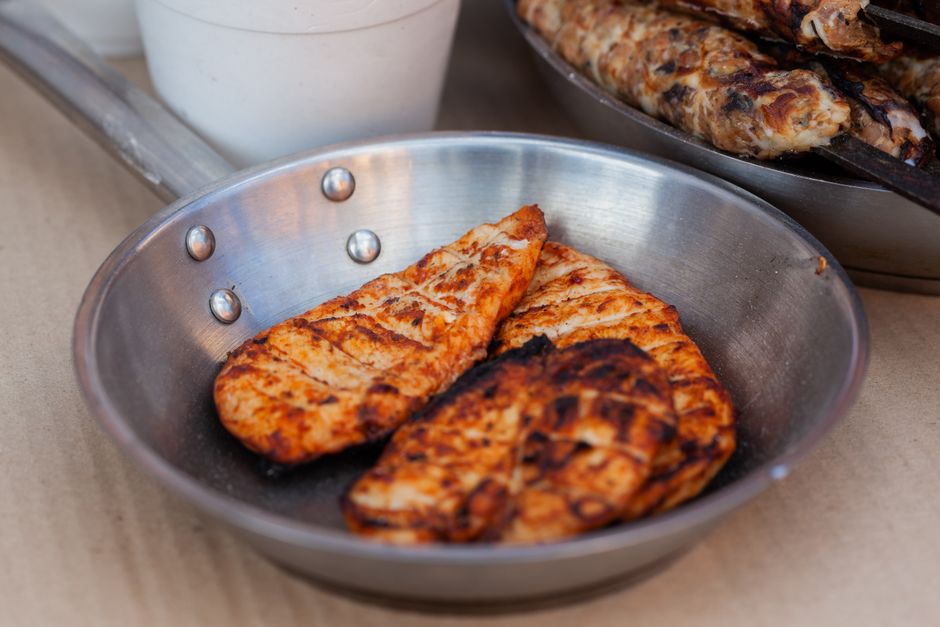 Chicken Breast
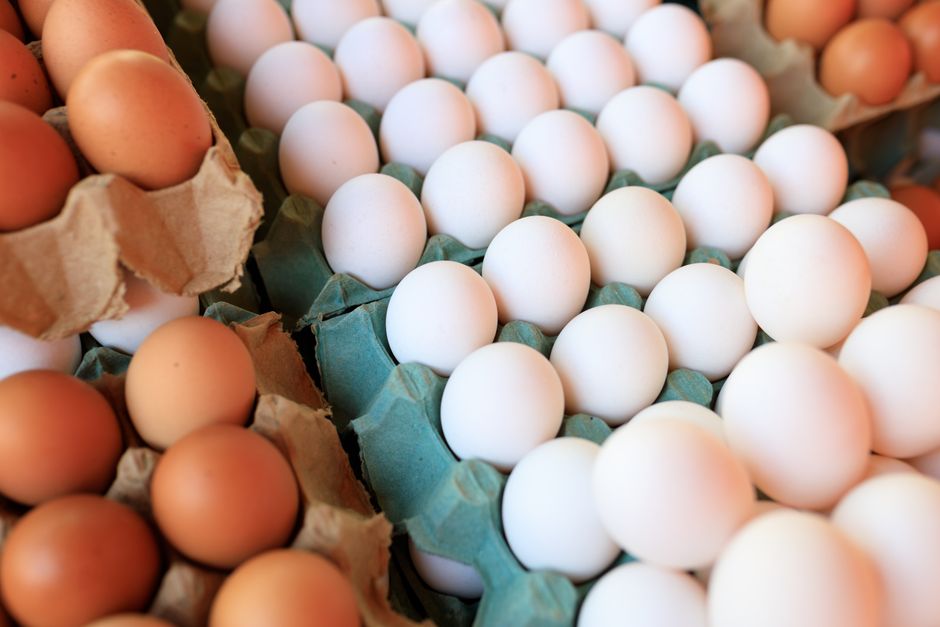 Egg
Egg
 Banana
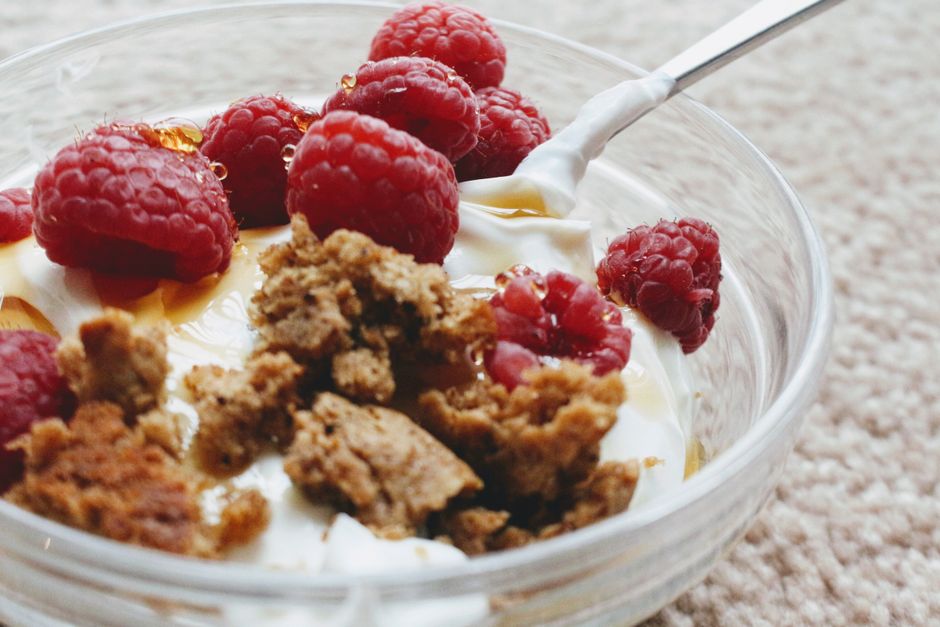 Greek Yogurt
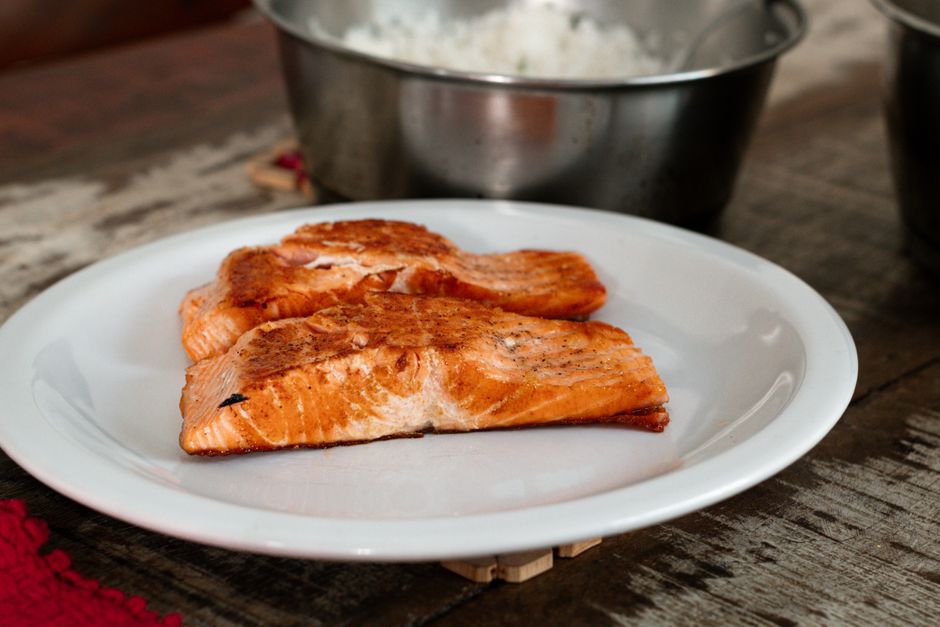 Salmon
 White Rice
 Oats
Oats
 Avocado
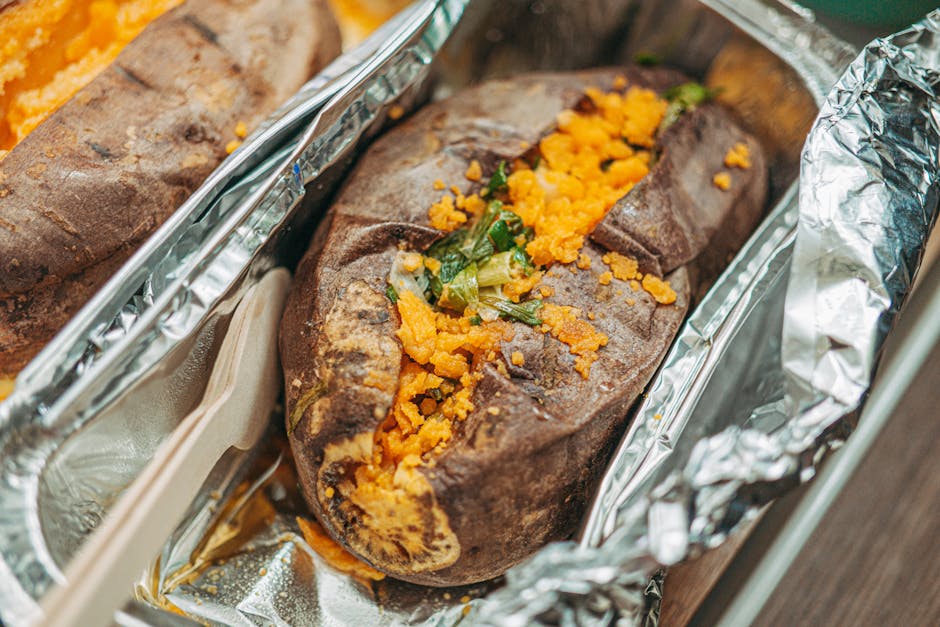 Sweet Potato
 Almonds
 Peanut Butter
 Broccoli
High Protein Foods
Chicken Breast
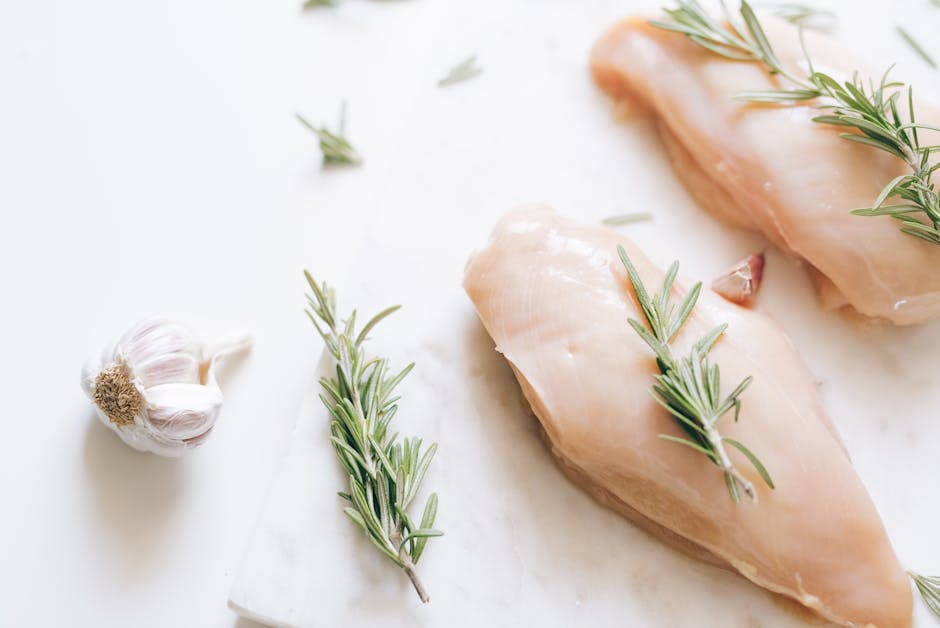 Turkey Breast
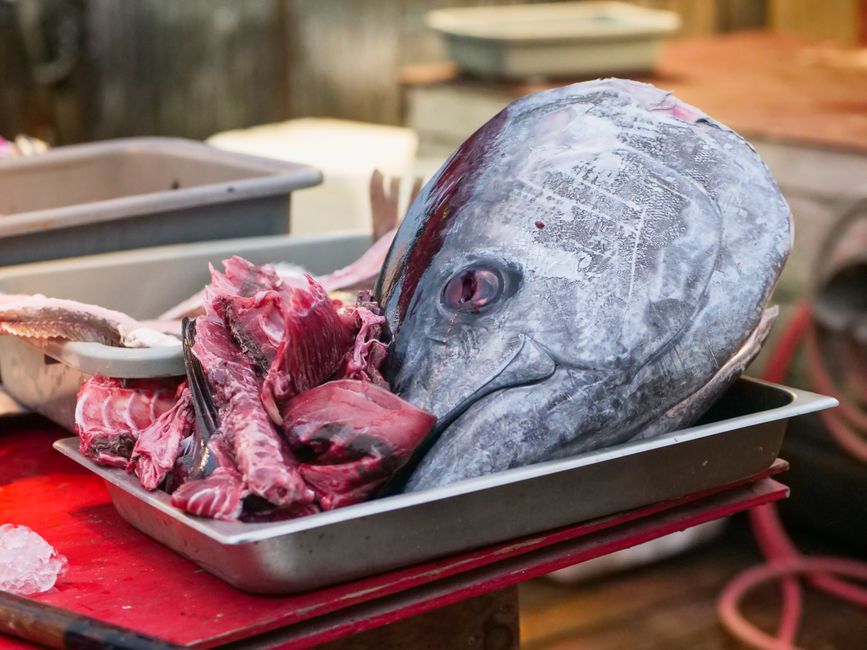 Tuna
Tuna
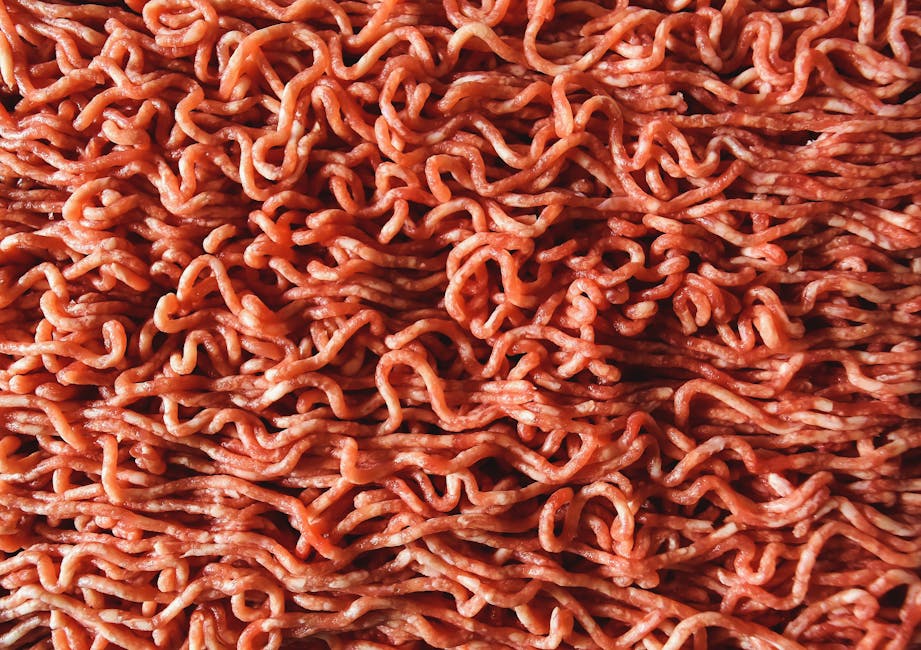 Lean Beef (93% lean)
Salmon
Greek Yogurt
Lean Beef (93% lean)
Salmon
Greek Yogurt
 Cottage Cheese
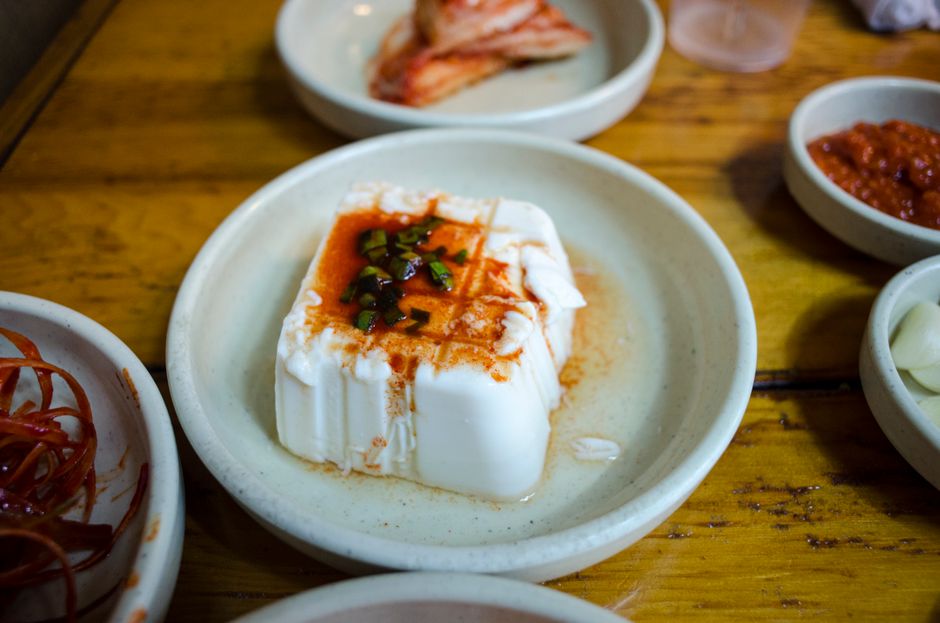 Tofu
Egg
Peanut Butter
Tofu
Egg
Peanut Butter
Low Calorie Foods
 Spinach
Broccoli
Spinach
Broccoli
 Blueberries
Sweet Potato
Banana
Greek Yogurt
Tuna
Turkey Breast
Blueberries
Sweet Potato
Banana
Greek Yogurt
Tuna
Turkey Breast
Low Carb Foods
Chicken Breast
Turkey Breast
Salmon
Tuna
Lean Beef (93% lean)
Egg
Spinach
Broccoli
Avocado
Almonds
Keto-Friendly Foods
Avocado
Salmon
Egg
Almonds
Chicken Breast
Lean Beef (93% lean)
Spinach
Broccoli
Peanut Butter
Cottage Cheese
🥩 Meat & Poultry
Chicken Breast
 Chicken Thigh
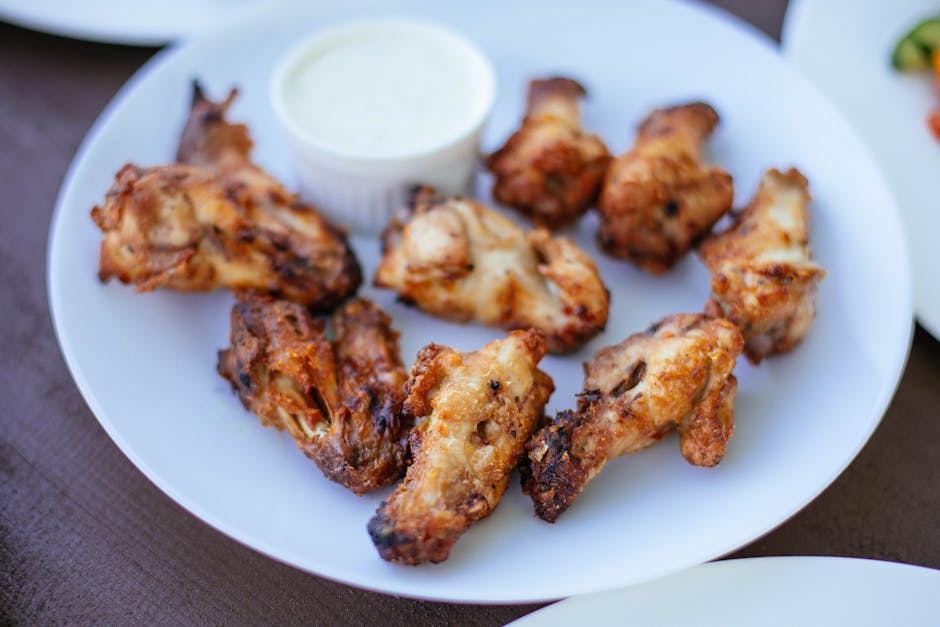 Chicken Wing
Lean Beef (93% lean)
Chicken Wing
Lean Beef (93% lean)
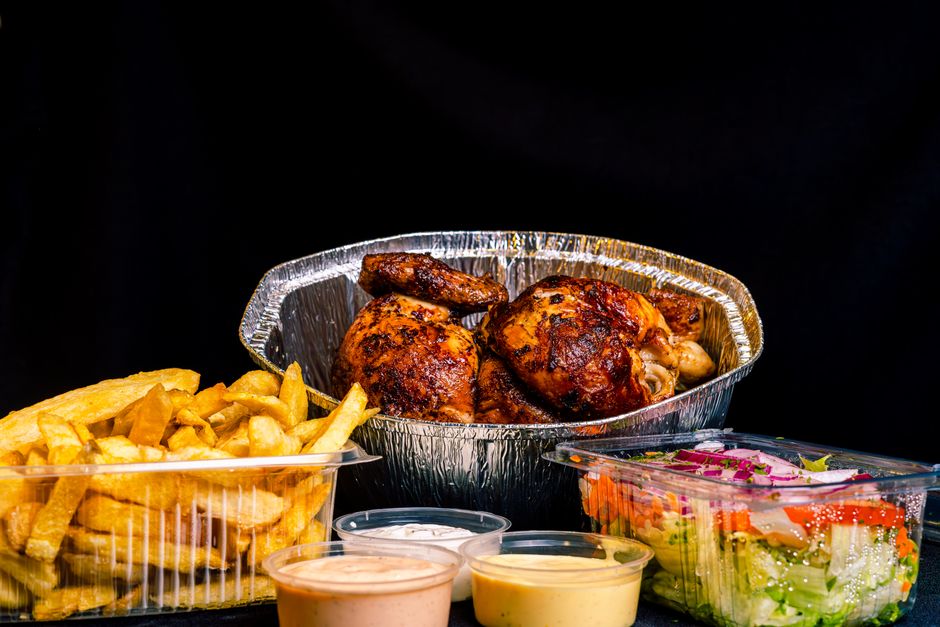 Rotisserie Chicken
Turkey Breast
Rotisserie Chicken
Turkey Breast
🐟 Fish & Seafood
Salmon
Tuna
🥚 Dairy & Eggs
Cottage Cheese
Egg
Greek Yogurt
🍎 Fruits
Avocado
Banana
Blueberries
🥦 Vegetables
Broccoli
Spinach
Sweet Potato
🌾 Grains & Carbs
 Brown Rice
Oats
Brown Rice
Oats
 Quinoa
White Rice
Quinoa
White Rice
🥜 Nuts & Seeds
Almonds
Peanut Butter
🫘 Legumes
Tofu
All Foods: Nutrition Facts
- Almond Milk (unsweetened) Nutrition Facts — 17 kcal, 0.6g protein per 100g
- Almonds Nutrition Facts — 579 kcal, 21.2g protein per 100g
- Apple Nutrition Facts — 52 kcal, 0.3g protein per 100g
- Apple Cider Vinegar Nutrition Facts — 21 kcal, 0g protein per 100g
- Asparagus Nutrition Facts — 20 kcal, 2.2g protein per 100g
- Avocado Nutrition Facts — 160 kcal, 2g protein per 100g
- Avocado Oil Nutrition Facts — 884 kcal, 0g protein per 100g
- Bacon Nutrition Facts — 541 kcal, 37g protein per 100g
- Banana Nutrition Facts — 89 kcal, 1.1g protein per 100g
- Beet Nutrition Facts — 43 kcal, 1.6g protein per 100g
- Bell Pepper Nutrition Facts — 31 kcal, 1g protein per 100g
- Black Beans Nutrition Facts — 132 kcal, 8.9g protein per 100g
- Blueberries Nutrition Facts — 57 kcal, 0.7g protein per 100g
- Broccoli Nutrition Facts — 34 kcal, 2.8g protein per 100g
- Brown Rice Nutrition Facts — 123 kcal, 2.7g protein per 100g
- Brussels Sprouts Nutrition Facts — 43 kcal, 3.4g protein per 100g
- Buckwheat Nutrition Facts — 92 kcal, 3.4g protein per 100g
- Butter Nutrition Facts — 717 kcal, 0.9g protein per 100g
- Cabbage Nutrition Facts — 25 kcal, 1.3g protein per 100g
- Canned Tuna Nutrition Facts — 116 kcal, 25.5g protein per 100g
- Carrot Nutrition Facts — 41 kcal, 0.9g protein per 100g
- Cashews Nutrition Facts — 553 kcal, 18.2g protein per 100g
- Cauliflower Nutrition Facts — 25 kcal, 1.9g protein per 100g
- Celery Nutrition Facts — 16 kcal, 0.7g protein per 100g
- Cheddar Nutrition Facts — 403 kcal, 24.9g protein per 100g
- Chia Seeds Nutrition Facts — 486 kcal, 16.5g protein per 100g
- Chicken Breast Nutrition Facts — 165 kcal, 31g protein per 100g
- Chicken Thigh Nutrition Facts — 209 kcal, 26g protein per 100g
- Chicken Wing Nutrition Facts — 203 kcal, 30g protein per 100g
- Chickpeas Nutrition Facts — 164 kcal, 8.9g protein per 100g
- Coconut (dried, shredded) Nutrition Facts — 660 kcal, 6.9g protein per 100g
- Coconut Aminos Nutrition Facts — 100 kcal, 0g protein per 100g
- Coconut Milk (canned) Nutrition Facts — 197 kcal, 2.3g protein per 100g
- Coconut Oil Nutrition Facts — 862 kcal, 0g protein per 100g
- Cod Nutrition Facts — 82 kcal, 18g protein per 100g
- Corn Nutrition Facts — 86 kcal, 3.3g protein per 100g
- Corn Tortilla Nutrition Facts — 218 kcal, 5.7g protein per 100g
- Cottage Cheese Nutrition Facts — 98 kcal, 11.1g protein per 100g
- Couscous Nutrition Facts — 112 kcal, 3.8g protein per 100g
- Cream Cheese Nutrition Facts — 342 kcal, 5.9g protein per 100g
- Cucumber Nutrition Facts — 15 kcal, 0.7g protein per 100g
- Dates Nutrition Facts — 277 kcal, 1.8g protein per 100g
- Edamame Nutrition Facts — 121 kcal, 11.9g protein per 100g
- Egg Nutrition Facts — 155 kcal, 13g protein per 100g
- Eggplant Nutrition Facts — 25 kcal, 1g protein per 100g
- Feta Cheese Nutrition Facts — 264 kcal, 14.2g protein per 100g
- Flax Seeds Nutrition Facts — 534 kcal, 18.3g protein per 100g
- Flour Tortilla Nutrition Facts — 312 kcal, 8.3g protein per 100g
- Garlic Nutrition Facts — 149 kcal, 6.4g protein per 100g
- Ghee Nutrition Facts — 900 kcal, 0g protein per 100g
- Ginger Nutrition Facts — 80 kcal, 1.8g protein per 100g
- Grapes Nutrition Facts — 69 kcal, 0.7g protein per 100g
- Greek Yogurt Nutrition Facts — 59 kcal, 10g protein per 100g
- Green Beans Nutrition Facts — 31 kcal, 1.8g protein per 100g
- Green Peas Nutrition Facts — 81 kcal, 5.4g protein per 100g
- Ground Beef (85%) Nutrition Facts — 215 kcal, 26.1g protein per 100g
- Ground Turkey Nutrition Facts — 170 kcal, 21g protein per 100g
- Heavy Cream Nutrition Facts — 340 kcal, 2.1g protein per 100g
- Hemp Seeds Nutrition Facts — 553 kcal, 31.6g protein per 100g
- Honey Nutrition Facts — 304 kcal, 0.3g protein per 100g
- Hummus Nutrition Facts — 166 kcal, 7.9g protein per 100g
- Kale Nutrition Facts — 49 kcal, 4.3g protein per 100g
- Kidney Beans Nutrition Facts — 127 kcal, 8.7g protein per 100g
- Lamb (leg) Nutrition Facts — 162 kcal, 24.5g protein per 100g
- Lean Beef (93% lean) Nutrition Facts — 172 kcal, 26g protein per 100g
- Lemon Juice Nutrition Facts — 22 kcal, 0.4g protein per 100g
- Lentils Nutrition Facts — 116 kcal, 9g protein per 100g
- Lime Nutrition Facts — 30 kcal, 0.7g protein per 100g
- Mackerel Nutrition Facts — 205 kcal, 18.6g protein per 100g
- Mango Nutrition Facts — 60 kcal, 0.8g protein per 100g
- Mozzarella Nutrition Facts — 280 kcal, 28g protein per 100g
- Mushrooms Nutrition Facts — 22 kcal, 3.1g protein per 100g
- Oat Milk Nutrition Facts — 47 kcal, 1g protein per 100g
- Oats Nutrition Facts — 389 kcal, 16.9g protein per 100g
- Olive Oil Nutrition Facts — 884 kcal, 0g protein per 100g
- Onion Nutrition Facts — 40 kcal, 1.1g protein per 100g
- Orange Nutrition Facts — 47 kcal, 0.9g protein per 100g
- Parmesan Nutrition Facts — 431 kcal, 38.5g protein per 100g
- Peach Nutrition Facts — 39 kcal, 0.9g protein per 100g
- Peanut Butter Nutrition Facts — 588 kcal, 25.1g protein per 100g
- Pecans Nutrition Facts — 691 kcal, 9.2g protein per 100g
- Pineapple Nutrition Facts — 50 kcal, 0.5g protein per 100g
- Pork Chop Nutrition Facts — 231 kcal, 25.7g protein per 100g
- Pork Tenderloin Nutrition Facts — 143 kcal, 26.2g protein per 100g
- Potato Nutrition Facts — 77 kcal, 2.1g protein per 100g
- Pumpkin Seeds Nutrition Facts — 559 kcal, 30.2g protein per 100g
- Quinoa Nutrition Facts — 120 kcal, 4.4g protein per 100g
- Raspberries Nutrition Facts — 52 kcal, 1.2g protein per 100g
- Rice Noodles Nutrition Facts — 109 kcal, 0.9g protein per 100g
- Rice Vinegar Nutrition Facts — 18 kcal, 0g protein per 100g
- Rolled Oats Nutrition Facts — 379 kcal, 13.2g protein per 100g
- Romaine Lettuce Nutrition Facts — 17 kcal, 1.2g protein per 100g
- Rotisserie Chicken Nutrition Facts — 190 kcal, 25g protein per 100g
- Salmon Nutrition Facts — 208 kcal, 20g protein per 100g
- Salsa Nutrition Facts — 36 kcal, 1.5g protein per 100g
- Sardines Nutrition Facts — 208 kcal, 24.6g protein per 100g
- Seitan Nutrition Facts — 125 kcal, 21.2g protein per 100g
- Sesame Oil Nutrition Facts — 884 kcal, 0g protein per 100g
- Shrimp Nutrition Facts — 99 kcal, 24g protein per 100g
- Smoked Salmon Nutrition Facts — 117 kcal, 18.3g protein per 100g
- Soy Sauce Nutrition Facts — 53 kcal, 8.1g protein per 100g
- Spinach Nutrition Facts — 23 kcal, 2.9g protein per 100g
- Sriracha Nutrition Facts — 93 kcal, 2.4g protein per 100g
- Strawberry Nutrition Facts — 32 kcal, 0.7g protein per 100g
- Sunflower Seeds Nutrition Facts — 584 kcal, 20.8g protein per 100g
- Sweet Potato Nutrition Facts — 86 kcal, 1.6g protein per 100g
- Tahini Nutrition Facts — 595 kcal, 17g protein per 100g
- Tempeh Nutrition Facts — 192 kcal, 20.3g protein per 100g
- Tilapia Nutrition Facts — 96 kcal, 20.1g protein per 100g
- Tofu Nutrition Facts — 144 kcal, 17.3g protein per 100g
- Tomato Nutrition Facts — 18 kcal, 0.9g protein per 100g
- Trout Nutrition Facts — 141 kcal, 19.9g protein per 100g
- Tuna Nutrition Facts — 116 kcal, 25.5g protein per 100g
- Turkey Breast Nutrition Facts — 135 kcal, 30g protein per 100g
- Walnuts Nutrition Facts — 654 kcal, 15.2g protein per 100g
- Watermelon Nutrition Facts — 30 kcal, 0.6g protein per 100g
- Whey Protein Nutrition Facts — 352 kcal, 80g protein per 100g
- White Rice Nutrition Facts — 130 kcal, 2.7g protein per 100g
- Whole Milk Nutrition Facts — 61 kcal, 3.2g protein per 100g
- Whole Wheat Bread Nutrition Facts — 247 kcal, 13g protein per 100g
- Whole Wheat Pasta Nutrition Facts — 124 kcal, 5.3g protein per 100g
- Zucchini Nutrition Facts — 17 kcal, 1.2g protein per 100g
Food Nutrition — Frequently Asked Questions
What foods are highest in protein?
The highest protein foods per 100g are: chicken breast (31g), turkey breast (29g), tuna (26g), lean beef (26g), salmon (25g), Greek yogurt (10g), cottage cheese (11g), eggs (13g), and tofu (8g). For plant-based options, lentils (9g cooked), chickpeas (8.9g cooked), and edamame (11g) are excellent sources. Aim for 1.6-2.2g of protein per kg of bodyweight daily for optimal muscle maintenance and satiety.
What are the best low calorie foods to eat?
The lowest calorie foods that still provide nutrition are leafy greens like spinach (23 kcal/100g), broccoli (34 kcal/100g), cucumbers (15 kcal/100g), strawberries (32 kcal/100g), and watermelon (30 kcal/100g). For satisfying meals, combine these with lean proteins — a large salad with chicken breast and vegetables can deliver 350 calories with over 40g of protein.
How do I track calories and macros in foods?
Each food in our database shows calories, protein, carbs, and fat per standard serving. To track your daily intake: note the foods you eat, check their macros here, and compare against your daily targets. For automated tracking, our AI Meal Planner pre-calculates all macros for every meal in your weekly plan — no manual counting needed.
What foods should I avoid for weight loss?
Rather than eliminating food groups, focus on reducing calorie-dense, low-satiety foods: sugary drinks (150+ empty calories per serving), processed snacks, fried foods, and alcohol. Replace them with high-protein, high-fiber alternatives that keep you full longer. The most effective weight loss strategy is a moderate calorie deficit (300-500 kcal/day) with adequate protein, not extreme restriction.
Are these nutrition values accurate?
Our nutrition data is sourced from the USDA FoodData Central database and verified against peer-reviewed nutritional references. Values represent standard serving sizes and may vary slightly based on brand, preparation method, and portion size. For cooked foods, values reflect the cooked state unless otherwise noted. We update our database regularly to ensure accuracy.
Build a meal plan with these foods
Tell us your goals, preferences, and calorie targets. Our AI builds a full week of meals with recipes and a grocery list tailored to you.
Get My Meal Plan