
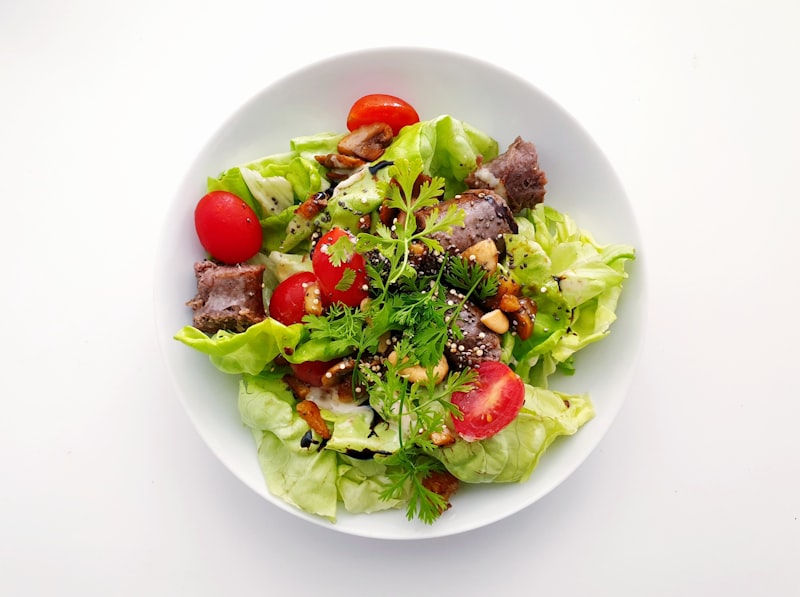
Stomach-friendly, healing meals that soothe the stomach lining and support ulcer recovery. Low acid, easy to digest, and packed with nourishing ingredients.
Ulcer Diet FAQ
What should you eat with a stomach ulcer?
Focus on gentle, non-irritating foods: oatmeal, bananas, cooked vegetables, lean proteins like chicken and fish, yogurt with live cultures, honey, and whole grains. These foods are easy to digest and won't aggravate the stomach lining. Small, frequent meals are better than large ones.
What foods should you avoid with an ulcer?
Avoid spicy foods, citrus fruits and juices, tomato-based sauces, fried and fatty foods, caffeine, alcohol, carbonated drinks, chocolate, and processed meats. These can increase stomach acid production, irritate the stomach lining, and slow healing.
Does milk help stomach ulcers?
Milk may provide temporary relief by coating the stomach, but it actually stimulates more acid production and can worsen ulcers over time. Instead, opt for low-fat yogurt with probiotics, which contains beneficial bacteria that may help fight H. pylori, a common cause of ulcers.
What is the best breakfast for ulcers?
The best ulcer-friendly breakfasts include oatmeal with banana and honey, scrambled eggs with whole grain toast, plain yogurt with soft fruits, or a smoothie made with banana, yogurt, and a drizzle of honey. Avoid acidic juices, coffee, and spicy seasonings in the morning.
How long should you follow an ulcer diet?
Follow an ulcer-friendly diet for at least 4-8 weeks while your ulcer heals, or as long as your doctor recommends. Most ulcers heal within this timeframe with proper medication and diet. After healing, gradually reintroduce foods one at a time, and continue avoiding known triggers long-term.
Can ulcer patients eat beans?
It depends on the type and preparation. Well-cooked, soft beans like lentils and split peas are generally tolerated by ulcer patients and provide protein and fiber. However, gas-producing beans (kidney beans, chickpeas) may cause bloating and discomfort. Start with small portions of well-cooked lentils or mung beans and see how your stomach reacts. Avoid canned beans with added spices or preservatives.
Is cucumber good for ulcer patients?
Yes, cucumber is generally safe and beneficial for ulcer patients. It has a high water content, is low in acid, and contains flavonoids with anti-inflammatory properties. Peeled cucumber is easier to digest. However, avoid pickled cucumbers (vinegar is acidic) and cucumber salads with spicy or acidic dressings. Best eaten peeled and in moderate amounts as part of a balanced ulcer-friendly meal.
What are the best ulcer friendly foods?
The best ulcer friendly foods include: bananas (coat and protect stomach lining), oatmeal (gentle fiber), honey (natural antimicrobial), yogurt with probiotics (fights H. pylori), lean chicken and fish (easy-to-digest protein), cabbage (contains vitamin U that aids healing), sweet potatoes (soothing and nutritious), and chamomile tea (reduces inflammation). Focus on soft, cooked, low-acid foods eaten in small frequent meals.
What is a good meal for someone with an ulcer?
A good meal is mild, low in fat, and easy to chew: baked or poached chicken or white fish with white rice or mashed potato, steamed carrots or green beans, and a small side of plain yogurt or banana. Skip chili, citrus, tomato sauce, fried food, coffee, and alcohol. Smaller meals every 3 to 4 hours are easier on the stomach lining than one large plate.
What should I drink in the morning if I have an ulcer?
Start with water or a warm caffeine-free herbal tea such as chamomile. A banana and plain yogurt smoothie is another gentle option. Skip coffee, black tea, orange juice, tomato juice, and fizzy drinks, because they raise acid and can sting an open ulcer. If milk soothes you for a few minutes, keep it low-fat and small, since it can trigger a later acid rebound.
Can I eat cottage cheese with an ulcer?
Yes. Low-fat or nonfat cottage cheese is soft, low-acid, and a useful protein source for most people with a peptic ulcer. Eat it plain or with banana, ripe pear, or honey, not with hot sauce, raw onion, or acidic fruit. If dairy makes you bloated, try a smaller portion or switch to lactose-free cottage cheese.
Can an ulcer patient eat rice and stew?
Yes. Plain white rice is one of the most stomach-friendly staples, and a mild stew of lean chicken, turkey, or fish with well-cooked carrots, potatoes, and zucchini is a solid meal. Keep the broth light: no chili, large amounts of black pepper, tomato paste, excess garlic, or fatty meat. Serve the stew warm rather than piping hot, and eat a moderate bowl instead of a heavy portion.
Free Tools for This Plan
Browse Recipes
Related Meal Plans
Stomach-healing and digestive-friendly plans.
Gastritis Meal Plan
Gastritis and ulcers share the same dietary principles and trigger foods.
Acid Reflux Meal Plan
Acid management is key for both ulcers and GERD.
Pancreatitis Meal Plan
Another digestive condition requiring gentle, low-irritant food choices.
Elimination Meal Plan
Find which foods trigger your ulcer pain through systematic testing.

Balanced Meal Plan
Transition to balanced eating once your ulcer has healed.
Low-Sodium Meal Plan
Fresh, home-cooked meals that avoid processed irritants.
Ready to heal your gut?
Get your personalized ulcer-friendly meal plan with gentle recipes, soothing ingredients, and a grocery list.
Create my own