
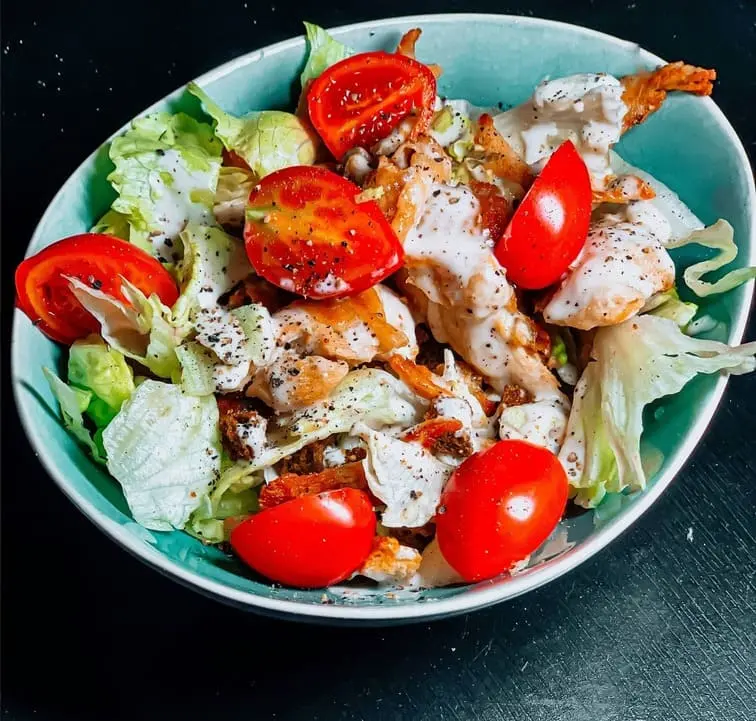
A complete 7-day paleo diet meal plan built on real, whole foods — grass-fed meats, wild-caught fish, fresh vegetables, fruits, nuts, and seeds. No grains, no dairy, no processed food. Every meal has exact macros, easy recipes, and a full grocery list.
What Do You Eat on a Paleo Diet?
The paleo diet is built around eating what our Paleolithic ancestors ate: meat, fish, eggs, vegetables, fruits, nuts, and seeds. All grains, dairy, legumes, refined sugar, and processed foods are excluded. Here is a complete paleo diet food list organized by food group:
| Food Group | Paleo-Approved Foods | Not Allowed on Paleo |
|---|---|---|
| Proteins | Grass-fed beef, wild salmon, chicken, turkey, pork, bison, eggs, shrimp | Processed meats, hot dogs, soy products, tofu, tempeh |
| Vegetables | Broccoli, kale, spinach, peppers, sweet potatoes, cauliflower, zucchini, asparagus | Corn, peas (legume), white potatoes (debated) |
| Fruits | Berries, apples, bananas, oranges, melons, peaches, pears, mangoes | Dried fruits with added sugar, canned fruit in syrup |
| Fats & Oils | Avocado, extra virgin olive oil, coconut oil, ghee, lard, tallow | Canola oil, soybean oil, corn oil, margarine, vegetable shortening |
| Nuts & Seeds | Almonds, walnuts, macadamia, pecans, pumpkin seeds, sunflower seeds, chia, flax | Peanuts (a legume), cashews in excess |
| Grains | None allowed | Wheat, rice, oats, corn, barley, rye, quinoa |
| Dairy | Ghee only (clarified butter) | Milk, cheese, yogurt, butter, cream, ice cream |
| Legumes | None allowed | Beans, lentils, chickpeas, soy, peanuts, peas |
| Sweeteners | Raw honey (small amounts), maple syrup (occasional) | Refined sugar, HFCS, agave, artificial sweeteners |
| Beverages | Water, herbal tea, black coffee, coconut water, bone broth | Soda, juice, beer, milk, protein shakes with dairy/soy |
| Processed Foods | None allowed | Chips, crackers, frozen meals, deli meats, candy, bread |
Paleo Diet FAQ
What is the paleo diet?
The paleo diet (also called the caveman diet or Stone Age diet) is based on foods similar to those eaten during the Paleolithic era — roughly 2.5 million to 10,000 years ago. It includes lean meats, fish, fruits, vegetables, nuts, and seeds. It excludes foods that became common with farming: grains, legumes, dairy products, refined sugar, and processed foods. The idea is that the human body is genetically mismatched to the modern diet that emerged with agriculture.
What do you eat on a paleo diet?
On a paleo diet you eat: grass-fed meats (beef, lamb, pork, bison), wild-caught fish and seafood (salmon, shrimp, tuna), free-range eggs, vegetables (broccoli, kale, peppers, sweet potatoes), fruits (berries, apples, bananas, citrus), nuts and seeds (almonds, walnuts, macadamia, pumpkin seeds), healthy fats (avocado, olive oil, coconut oil), and herbs and spices. You avoid grains, dairy, legumes, refined sugar, and processed foods.
Is paleo good for weight loss?
Yes. Multiple studies show the paleo diet leads to significant weight loss without calorie counting. A study in the European Journal of Clinical Nutrition found participants lost an average of 5 kg in 3 weeks on paleo. The high protein content (25-35% of calories) increases satiety, the elimination of processed foods removes empty calories, and the focus on whole foods naturally reduces calorie intake. Most people lose 2-5 kg in the first month.
How to start the paleo diet for beginners?
Start with a kitchen cleanout: remove grains, bread, pasta, dairy, sugar, and processed foods. Stock up on meats, fish, eggs, vegetables, fruits, nuts, and cooking fats like olive oil and coconut oil. Plan simple meals: eggs with vegetables for breakfast, salad with grilled protein for lunch, meat with roasted vegetables for dinner. Start with a 30-day commitment (like Whole30), then assess how you feel.
What is the difference between paleo and keto?
Paleo focuses on food quality (eating what ancestors ate), while keto focuses on macronutrient ratios (very low carb, high fat to achieve ketosis). Key differences: paleo allows fruits, sweet potatoes, and honey — keto restricts them. Keto allows dairy (butter, cream, cheese) — paleo excludes it. Paleo has no carb limit; keto requires under 20-50g net carbs. You can combine both approaches (paleo-keto) by eating only paleo-approved foods while keeping carbs low.
What foods are not allowed on paleo?
Foods not allowed on paleo include: all grains (wheat, rice, oats, corn, barley), legumes (beans, lentils, chickpeas, peanuts, soy), dairy products (milk, cheese, yogurt, butter — ghee is sometimes allowed), refined sugar and artificial sweeteners, processed foods (chips, crackers, frozen meals), seed and vegetable oils (canola, soybean, corn, sunflower oil), and alcohol (especially beer and grain-based spirits).
Is the paleo diet healthy?
Research supports several health benefits: improved blood sugar control and insulin sensitivity, lower triglycerides and LDL cholesterol, reduced inflammation markers, better satiety and natural weight loss, and improved blood pressure. However, it can be low in calcium and vitamin D due to dairy exclusion — eat sardines, leafy greens, and almonds to compensate. It is generally considered a healthy eating pattern by nutrition researchers.
Can you eat potatoes on paleo?
It depends on which version of paleo you follow. Strict paleo excludes white potatoes because they are high-glycemic and were not widely consumed in the Paleolithic era. However, sweet potatoes are universally accepted on paleo. Most modern paleo practitioners allow white potatoes in moderation — especially if you are active and need the carbs for energy. Dr. Loren Cordain (founder of paleo) initially excluded them but later revised his position.
What are easy paleo snacks?
Easy paleo snacks include: hard-boiled eggs, beef or turkey jerky (sugar-free), mixed nuts (almonds, walnuts, macadamia), fresh fruit (apples, berries, bananas), vegetable sticks with guacamole, nut butter with celery or apple slices, coconut chips, smoked salmon, olives, and homemade trail mix with nuts, seeds, and dried fruit without added sugar.
Is paleo the same as Whole30?
Whole30 is a stricter 30-day version of paleo. Both eliminate grains, dairy, legumes, sugar, and processed foods. However, Whole30 also bans honey, maple syrup, alcohol, and any paleo-ified treats (like paleo pancakes or paleo cookies). Whole30 is a 30-day reset; paleo is a long-term lifestyle. After completing Whole30, many people transition to standard paleo which is more flexible and sustainable.
What are paleo breakfast ideas?
Popular paleo breakfasts: eggs scrambled with vegetables and avocado, sweet potato hash with ground turkey and kale, smoked salmon with capers and cucumber, coconut chia pudding with berries, banana egg pancakes (just mashed banana and eggs), breakfast sausage with sauteed greens, leftover dinner protein with vegetables, and smoothie bowls with frozen fruit, coconut milk, and collagen. Avoid cereal, toast, oatmeal, yogurt, and granola.
Does paleo allow coffee?
Yes, black coffee is generally accepted on paleo, although strict purists note that Paleolithic humans did not drink it. Most paleo practitioners consider coffee fine in moderation (1-3 cups per day). Key rules: no sugar, no dairy milk (use coconut milk or almond milk instead), no artificial sweeteners. Some people add coconut oil or ghee to their coffee for sustained energy. Herbal teas are also paleo-friendly.
Free Tools for This Plan
Browse Recipes
Explore Related Meal Plans
Whole-food and ancestral approaches that complement the paleo diet.
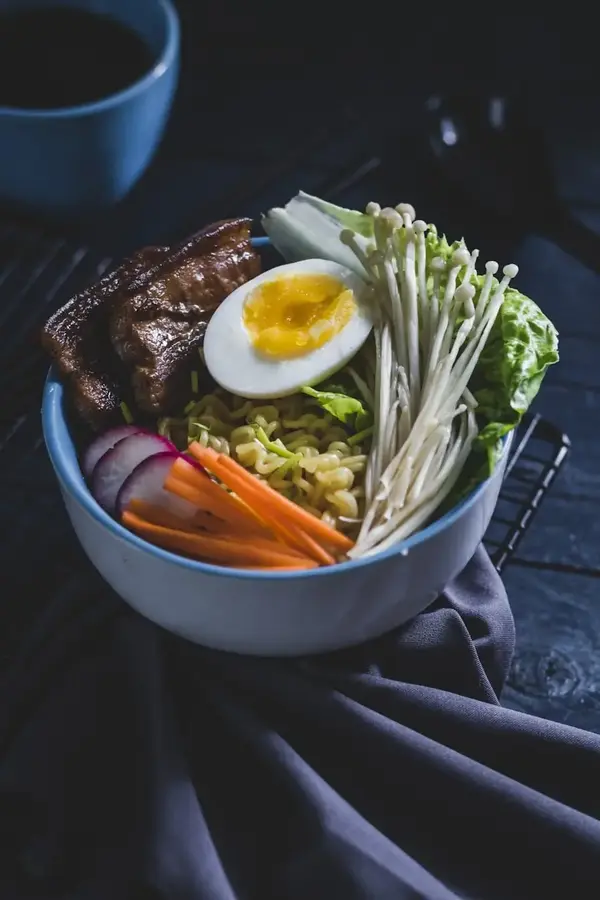
Keto Meal Plan
Combine paleo food quality with strict carb limits for deep ketosis and rapid fat loss.
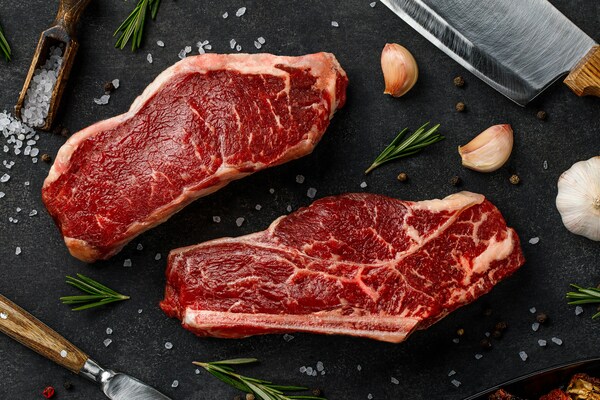
Carnivore Meal Plan
The most extreme ancestral approach — animal products only, zero plants.

Gluten-Free Meal Plan
Paleo is naturally gluten-free — explore more options with grains like rice and oats.
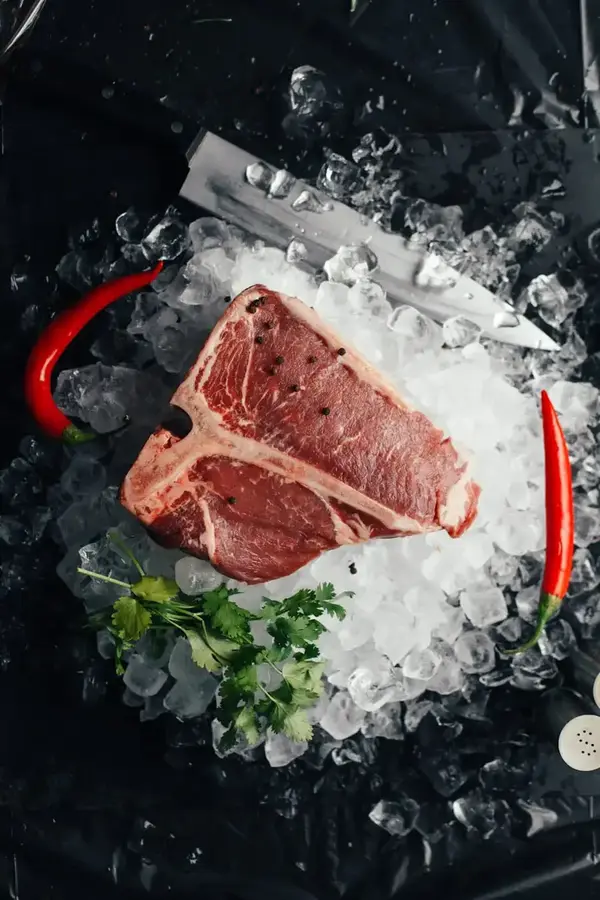
High-Protein Meal Plan
Boost the protein in your paleo framework for muscle growth and athletic performance.
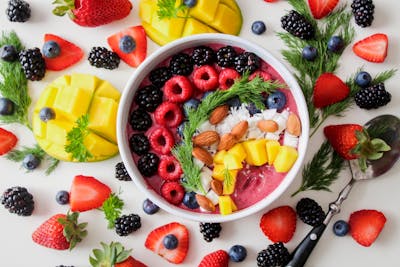
Anti-Inflammatory Plan
Paleo is inherently anti-inflammatory — this plan takes it further with targeted foods.
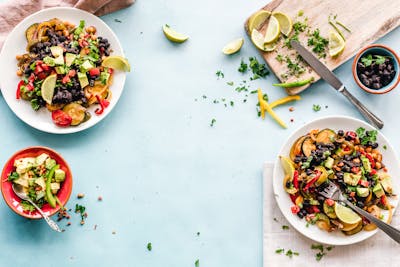
Clean Eating Plan
A less restrictive whole-food approach that allows grains and dairy in moderation.
Ready to eat real, whole food every day?
Answer a few questions about your goals, food preferences, and schedule — get a personalized paleo meal plan with recipes, macros, and a complete grocery list in minutes.
Get My Paleo Plan Now