
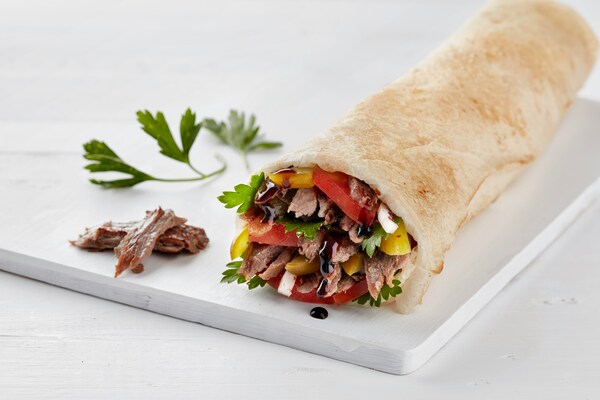
Gentle, high-protein meals to maintain strength and support recovery during treatment. Easy-to-digest, nutrient-dense recipes that nourish your body when it needs it most.
Nutrition for Cancer Patients FAQ
What should cancer patients eat during treatment?
Focus on easy-to-digest, nutrient-dense foods: soft proteins (eggs, fish, chicken, Greek yogurt), cooked vegetables, ripe fruits, oatmeal, and smooth soups. High-protein options help maintain muscle mass. Avoid fried, spicy, or heavily processed foods that can irritate the digestive system.
How can I get enough calories when I have no appetite?
Eat smaller, more frequent meals and snacks. Choose calorie-dense but gentle foods like nut butter, avocado, smoothies, and full-fat yogurt. Drink between meals rather than with food to avoid early fullness. Keep easy snacks nearby for when appetite strikes.
What foods help with cancer-related fatigue?
Balanced meals with protein, complex carbs, and healthy fats provide steady energy. Iron-rich foods (lean meat, lentils, spinach) and B vitamins (eggs, whole grains) support energy. Stay hydrated. Avoid large, heavy meals that can cause energy crashes.
Are there foods to avoid during cancer treatment?
Avoid raw or undercooked foods if immunity is low. Limit fried, greasy, or spicy foods that can upset the stomach. Skip unpasteurized dairy and deli meats. Your care team may give specific restrictions based on your treatment and blood counts.
Why is protein important during cancer treatment?
Protein helps preserve muscle mass, supports healing, and strengthens the immune system. Treatment can increase protein needs. Aim for protein at every meal — eggs, fish, chicken, Greek yogurt, lentils, and smoothies with protein powder are gentle, high-protein options.
What is the best breakfast for a cancer patient?
A useful breakfast is soft and high in protein: scrambled eggs with toast, oatmeal with milk and banana, Greek yogurt with fruit, or a smoothie if chewing or appetite is poor. Eat whatever stays down. Cold foods are often easier when nausea is worse in the morning.
What should a cancer patient eat daily?
Each day, aim for protein at every meal or snack, enough calories to hold weight, cooked vegetables and fruit as tolerated, and fluids between meals. Eggs, fish, chicken, yogurt, oatmeal, rice, and soups are reliable. Your care team may add limits if blood counts are low, including raw foods and unpasteurized dairy.
What are some fun activities for cancer patients to do at home?
Low-effort options that still feel like a day: a puzzle or card game, a favorite show, music, a phone call with a friend, simple cooking from this meal plan, or a short walk if the care team has said activity is fine. On days when blood counts are low, stay with quieter indoor options and skip crowds.
How long can you take a break from chemo?
There is no safe length of break to choose on your own. Oncologists sometimes delay a cycle by days when blood counts or side effects require it, and that decision is part of the treatment plan. Skipping or stretching chemo without the oncology team can let the cancer grow. Call them before missing a dose.
Free Tools for This Plan
Browse Recipes
Medical References & Sources
This meal plan is based on peer-reviewed research and guidelines from authoritative medical institutions. Always consult your healthcare provider before making dietary changes for any medical condition.
- Nutrition in Cancer Care (PDQ) — Patient Version — National Cancer Institute
- Nutrition for the Person With Cancer During Treatment — American Cancer Society
- ESPEN Guidelines on Nutrition in Cancer Patients — Clinical Nutrition (PubMed)
- Cancer Diet: Foods That May Affect Cancer Risk — Mayo Clinic
- Protein Requirements During Cancer Treatment — Nutrients (PubMed)
Related Meal Plans
Supportive nutrition plans for treatment and recovery.

High-Protein Meal Plan
Protein is critical during treatment — preserve muscle and support immunity.

Mediterranean Meal Plan
Anti-inflammatory eating linked to lower cancer risk and better outcomes.

Balanced Meal Plan
A sustainable framework for post-treatment nutrition and prevention.
Gastritis Meal Plan
Gentle eating for treatment-related stomach irritation and nausea.
Elimination Meal Plan
Identify foods that worsen treatment side effects through testing.

Gluten-Free Meal Plan
Some patients develop gluten sensitivity during treatment — safe alternatives.
Ready to nourish your body?
Get your personalized nutrition plan with gentle, high-protein meals designed for strength and recovery.
Create My Nutrition Plan