
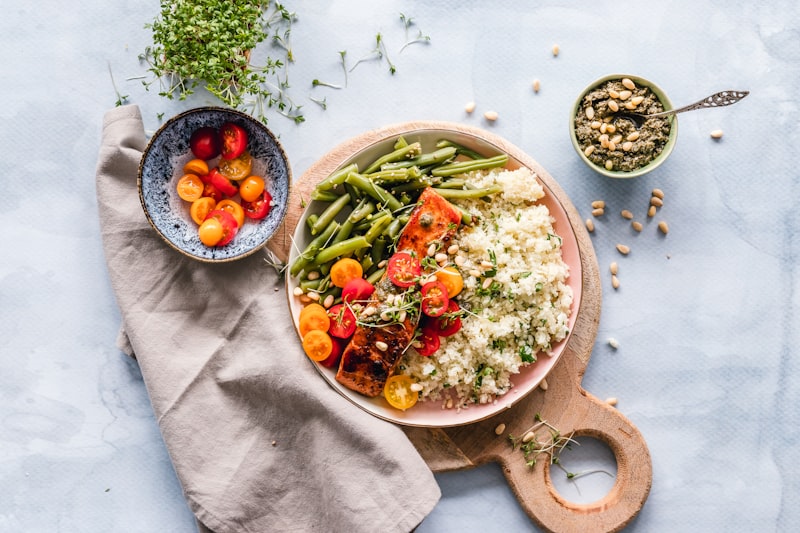
Blood-sugar-safe meals with balanced carbs and nutrient-dense ingredients for a healthy pregnancy. Controlled portions that keep glucose stable for mom and baby.
Gestational Diabetes Diet FAQ
What is a gestational diabetes diet?
A gestational diabetes diet focuses on controlling blood sugar during pregnancy through balanced carbohydrate intake, frequent small meals, and nutrient-dense choices. It typically includes 140-175g of carbs daily spread across meals and snacks, paired with adequate protein and healthy fats to keep glucose levels stable for mom and baby.
How many carbs are safe with gestational diabetes?
Most healthcare providers recommend 140-175g of carbohydrates per day, spread across three meals and 2-3 snacks. A common breakdown is 30-45g carbs at breakfast, 45-60g at lunch, 45-60g at dinner, and 15-20g per snack. Monitor your blood sugar to find what works best for you.
What foods should you avoid with gestational diabetes?
Avoid sugary drinks (juice, soda, sweetened coffee), white bread and refined grains, candy and desserts, high-sugar cereals, and large portions of starchy foods. Also limit fruit juice and dried fruits due to concentrated sugars. Focus on whole, unprocessed foods instead.
What are good snacks for gestational diabetes?
Great snack options include: Greek yogurt with a few berries, apple slices with peanut butter, cheese and whole grain crackers, a handful of almonds, hard-boiled eggs, hummus with veggie sticks, or cottage cheese with cucumber. Always pair carbs with protein or fat to slow glucose absorption.
Does gestational diabetes go away after pregnancy?
In most cases, gestational diabetes resolves after delivery. Blood sugar typically returns to normal within 6-12 weeks postpartum. However, having gestational diabetes increases your risk of developing type 2 diabetes later in life. Maintaining a healthy diet and regular exercise after pregnancy helps reduce this risk.
What is a good meal plan for someone with gestational diabetes?
Three meals and two or three snacks, with carbohydrates spread through the day and paired with protein. A common target is 30 to 45 grams of carbs at breakfast, 45 to 60 grams at lunch and dinner, and 15 to 20 grams at snacks, inside a daily total of about 140 to 175 grams. The sample week on this page is built that way. Your care team may shift the numbers from your glucose log.
What week is gestational diabetes the worst?
There is no single worst week. Screening is usually at 24 to 28 weeks. Insulin resistance from the placenta keeps rising through the third trimester and often peaks around weeks 32 to 36, then can ease slightly before delivery. Some people need more insulin in those weeks even when the menu stays the same.
What can a pregnant woman eat to reduce sugar levels?
No food lowers blood sugar the way insulin or a walk can. Meals that blunt a spike are vegetables, protein, and a measured portion of slow carbs: eggs with whole-grain toast, Greek yogurt with berries, chicken with beans and salad. Skip juice, soda, and large servings of white bread or sweets. A 10-minute walk after eating helps many people.
Can I have a healthy baby if I have gestational diabetes?
Yes. Most people with gestational diabetes have healthy babies when blood sugar stays in the target range through meals, activity, and medication if it is prescribed. Unmanaged high glucose raises the chance of a larger baby, low blood sugar after birth, and high blood pressure in pregnancy. The meal plan is one part of keeping that risk down.
Free Tools for This Plan
Browse Recipes
Related Meal Plans
Blood sugar management and pregnancy nutrition plans.

Diabetic Meal Plan
Similar blood sugar strategies — useful for post-pregnancy diabetes prevention.
Low-Carb Meal Plan
Reduce carbs to keep blood sugar stable — works well during pregnancy.

Balanced Meal Plan
Transition to balanced eating after delivery for long-term health.

Mediterranean Meal Plan
Anti-inflammatory whole foods that support both mom and baby.

PCOS Meal Plan
PCOS and GDM share insulin resistance — post-pregnancy, PCOS management continues.

1,800 Calorie Meal Plan
A moderate calorie framework that works well post-pregnancy.
Ready for a healthy pregnancy diet?
Get your personalized gestational diabetes meal plan with blood-sugar-safe recipes and baby-friendly nutrition.
Create my own