
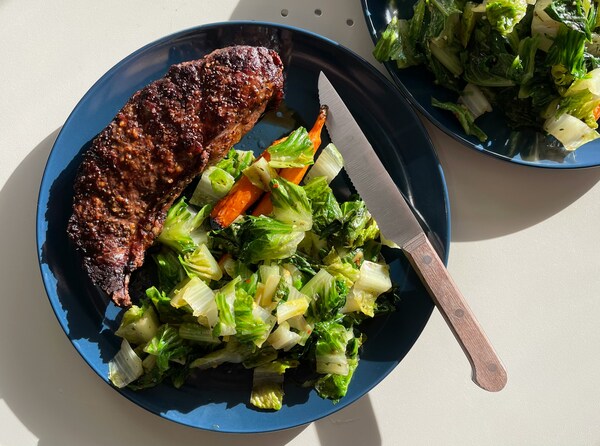
Trigger-free, low-acid meals designed to reduce heartburn and GERD symptoms. Lean proteins, gentle ingredients, and stomach-soothing recipes for lasting digestive comfort.
Acid Reflux Diet FAQ
What foods are good for acid reflux?
Foods that soothe acid reflux include oatmeal, bananas, melons, green vegetables, lean chicken and turkey, fish, ginger, whole grains, and non-citrus fruits like apples and pears. Low-fat dairy such as yogurt can also be gentle on the stomach. These foods are less likely to trigger reflux symptoms.
What foods should you avoid with acid reflux?
Avoid common triggers: citrus fruits and juices, tomatoes and tomato sauce, spicy foods, fried and fatty foods, chocolate, coffee and caffeinated drinks, carbonated beverages, onions, garlic, mint, and alcohol. These relax the lower esophageal sphincter or increase stomach acid production.
Can diet cure acid reflux?
Diet alone may not cure acid reflux, but it is one of the most effective ways to manage symptoms. Avoiding trigger foods, eating smaller meals, not eating close to bedtime, and maintaining a healthy weight can significantly reduce or eliminate reflux episodes for many people. Severe cases may still need medication.
Is oatmeal good for acid reflux?
Yes, oatmeal is one of the best foods for acid reflux. It is high in fiber, absorbs stomach acid, and is non-irritating. Plain oatmeal with non-citrus fruits like bananas or pears makes an excellent breakfast for people with GERD. Avoid adding citrus, chocolate, or heavy cream.
How should you eat to prevent acid reflux?
Eat smaller, more frequent meals instead of large ones. Chew food thoroughly and eat slowly. Avoid eating 2-3 hours before bedtime. Stay upright after meals. Keep a food diary to identify personal triggers. Drink water between meals rather than during, and avoid tight clothing after eating.
What is the best meal for acid reflux?
A reliable meal is baked or grilled chicken or white fish, plain rice or oatmeal, and steamed green vegetables, with banana or melon on the side. Keep portions moderate and skip tomato sauce, citrus, garlic, onion, fried food, chocolate, and mint. Stay upright for two to three hours afterward.
Can I eat boiled eggs if I have acid reflux?
Yes. Boiled or poached eggs are usually well tolerated, and the white is the gentlest part. Some people notice the richer yolk, so start with one egg and see how you feel. Skip fried eggs, hot sauce, and pepper-heavy seasoning.
Is rotisserie chicken good for acid reflux?
Skinless breast meat can be a good choice. The skin, fatty drippings, and typical rubs with garlic, onion, paprika, and black pepper are the parts that trigger reflux. Choose a plain bird, pull off the skin, and pair it with rice and steamed vegetables instead of gravy or spicy sides.
How to detox your body from acid reflux?
Acid reflux is not a buildup of toxins, so a juice cleanse or detox tea will not clear it and can make symptoms worse. What helps is smaller meals, fewer trigger foods, staying upright after eating, finishing dinner two to three hours before bed, and raising the head of the bed. If heartburn keeps coming back, talk with a doctor rather than starting a cleanse.
Free Tools for This Plan
Browse Recipes
Related Meal Plans
Digestive health plans that complement an acid reflux diet.
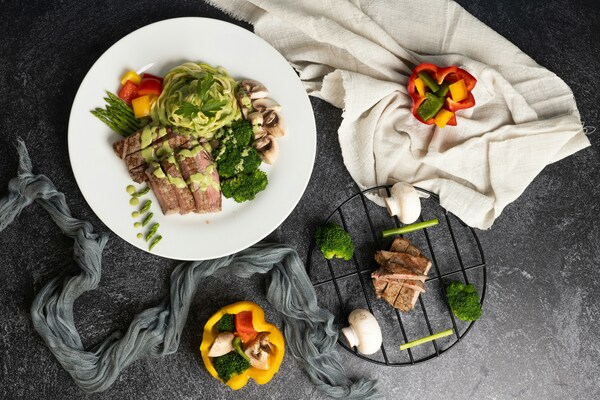
Gastritis Meal Plan
Gastritis and reflux share triggers — managing one often helps the other.
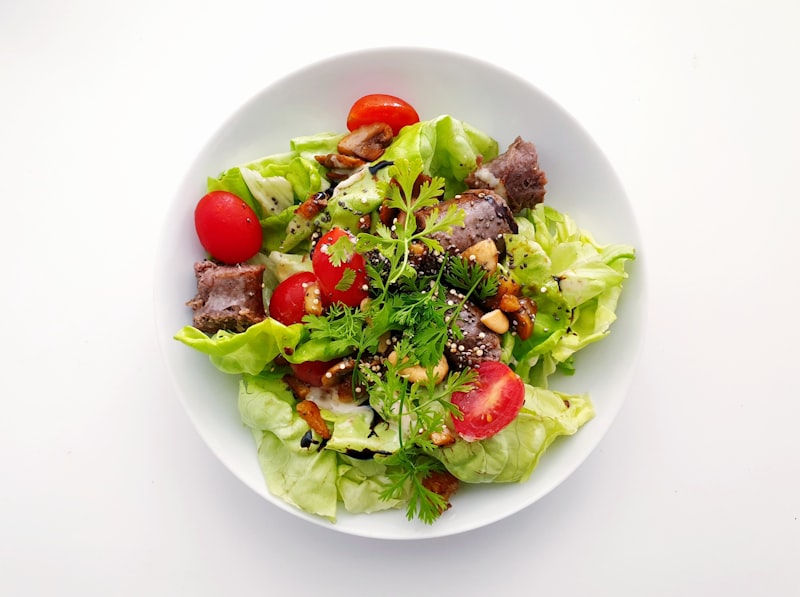
Ulcer Meal Plan
Similar acid-reducing diet for stomach and duodenal ulcers.
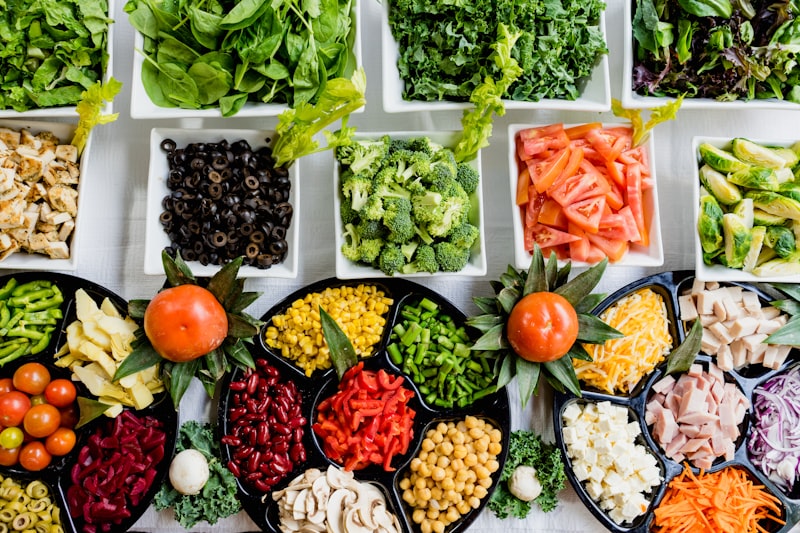
Elimination Meal Plan
Pinpoint your exact reflux triggers through systematic food testing.
Low-Sodium Meal Plan
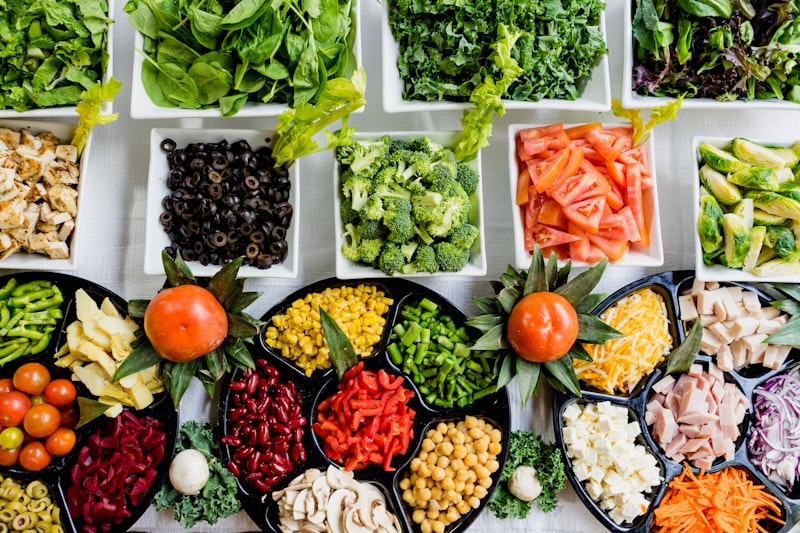
Fresh, home-cooked meals that avoid processed trigger foods.

Balanced Meal Plan
A sustainable long-term approach after identifying your reflux triggers.
Mediterranean Meal Plan
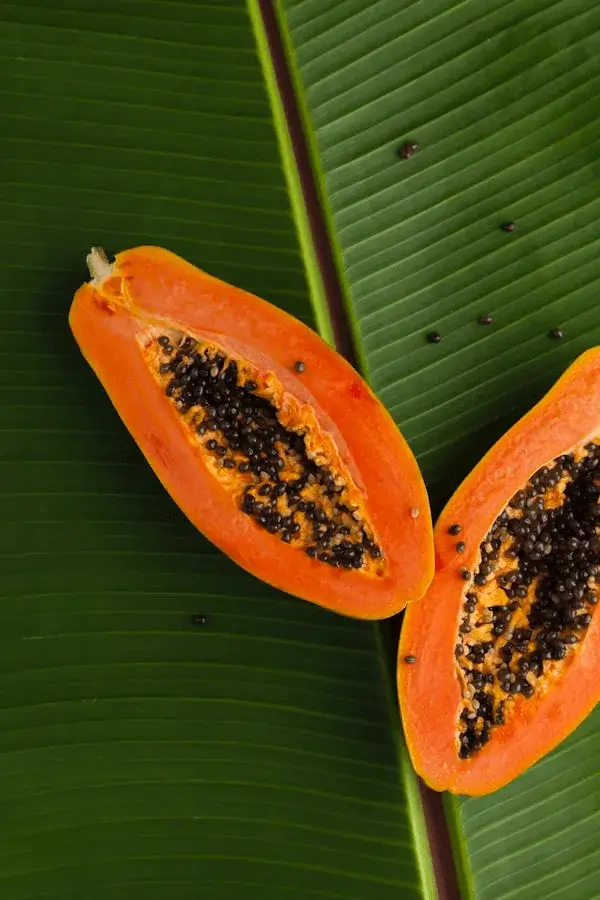
Whole-food cooking with olive oil and herbs instead of heavy sauces.
Ready to eat comfortably?
Get your personalized acid reflux meal plan with trigger-free recipes and stomach-friendly nutrition.
Get My Acid Reflux Plan