

Brain-boosting meals rich in omega-3s, protein, and whole foods to support focus and attention. Zero artificial additives for maximum mental clarity.
ADHD Diet FAQ
What foods help with ADHD?
Foods rich in omega-3 fatty acids (salmon, sardines, walnuts), high-quality protein (eggs, chicken, beans), complex carbohydrates (oats, sweet potatoes), and antioxidant-rich fruits (berries, oranges) all support brain function and may help improve focus and attention in people with ADHD.
What foods should you avoid with ADHD?
Avoid highly processed foods, artificial colors and preservatives, excessive sugar and candy, sugary drinks, and refined carbohydrates like white bread and pastries. Caffeine and energy drinks should also be limited. These can worsen hyperactivity, inattention, and mood swings.
Does diet really help ADHD symptoms?
Research suggests diet can play a supporting role in managing ADHD symptoms. A nutrient-dense diet with adequate omega-3s, protein, and minerals like zinc and iron may improve focus and reduce impulsivity. Diet alone is not a cure but works alongside other treatments to support better brain function.
What is the best breakfast for ADHD?
A high-protein breakfast with healthy fats is ideal for ADHD. Examples include eggs with avocado and whole grain toast, Greek yogurt with nuts and berries, or a smoothie with protein powder, spinach, and nut butter. Protein helps sustain attention and prevents mid-morning energy crashes.
What supplements help with ADHD?
Omega-3 fish oil supplements have the most evidence for supporting ADHD. Other supplements that may help include zinc, magnesium, iron (if deficient), and vitamin D. Always consult a healthcare provider before starting supplements, especially for children, as needs vary by individual.
Free Tools for This Plan
Browse Recipes
Related Meal Plans
Brain-supportive and focus-enhancing nutrition plans.

High-Protein Meal Plan
Protein provides tyrosine for dopamine — critical for ADHD brain chemistry.
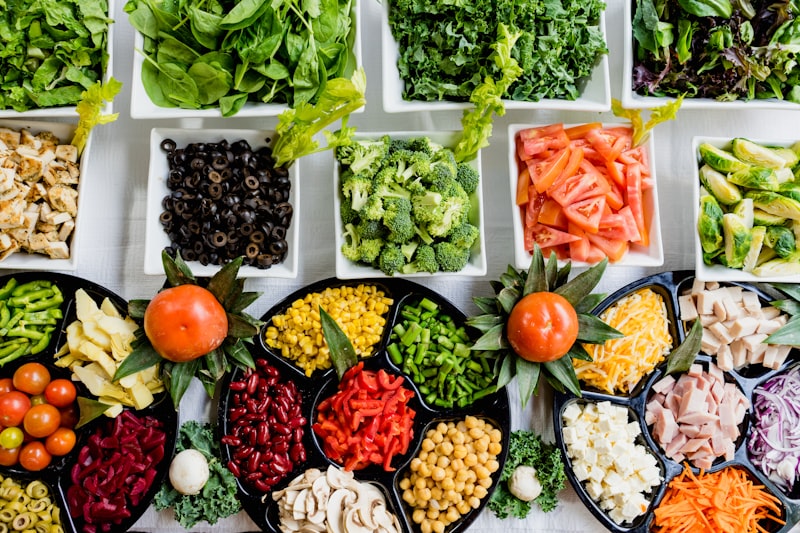
Elimination Meal Plan
Test if food colorings, gluten, or dairy worsen your ADHD symptoms.

Mediterranean Meal Plan
Rich in omega-3s and antioxidants — linked to improved cognitive function.

Balanced Meal Plan
Stable blood sugar from balanced meals supports sustained focus.

Gluten-Free Meal Plan
Some ADHD patients report improvement after removing gluten.
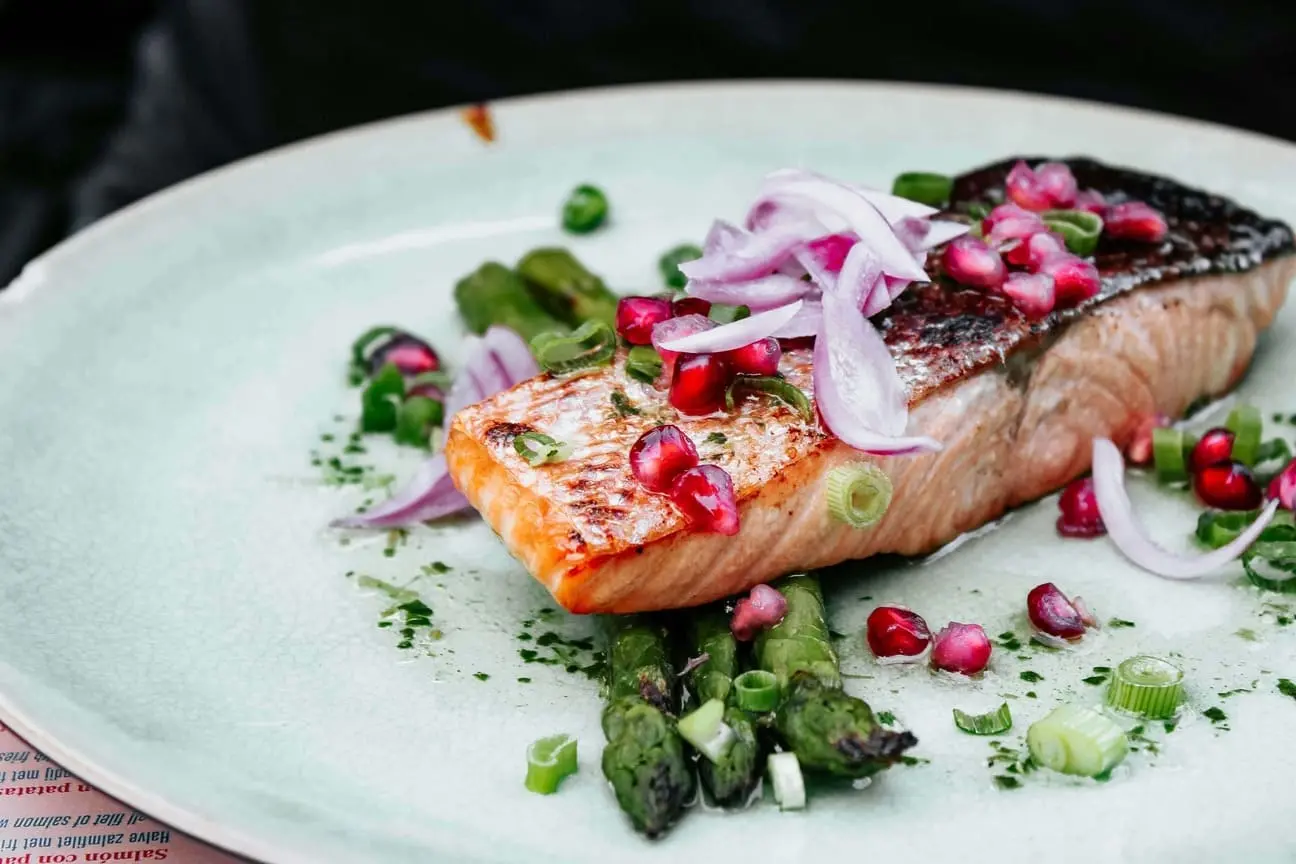
Low-Carb Meal Plan
Fewer blood sugar swings from low carb can help with focus and mood.
Ready to fuel your focus?
Get your personalized ADHD meal plan with brain-boosting recipes and focus-friendly nutrition.
Get My ADHD Plan