
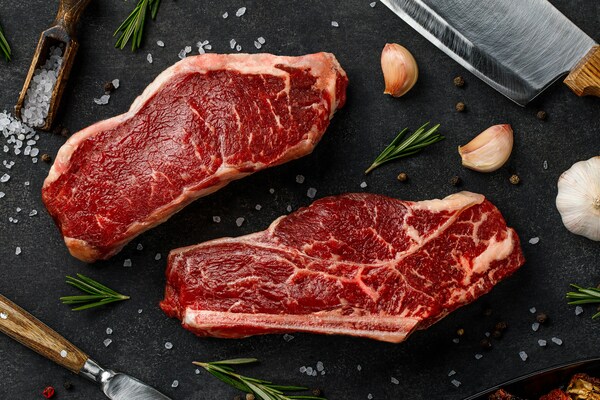
A 7-day carnivore diet meal plan with a complete food list, simple recipes, and daily macros. Beef, eggs, fish, and organ meats — everything beginners need to start an all-meat diet.
Carnivore Diet Meal Plan FAQ
How to do the carnivore diet meal plan?
Start by clearing your pantry of all plant foods. Stock up on beef (ribeye, ground beef), eggs, bacon, and butter. Eat 2-3 meals per day of fatty animal products until full. No calorie counting needed. Salt generously for electrolytes. Add organ meats like beef liver in week 2 for complete nutrition. Follow a structured 7-day carnivore plan with daily recipes and a grocery list for best results.
What is the carnivore diet meal plan?
A carnivore diet meal plan is a structured eating schedule consisting of only animal-based foods: meat, fish, eggs, and sometimes dairy. A typical day includes eggs and bacon for breakfast, beef patties for lunch, and ribeye steak for dinner. Macros are naturally high in protein (150-200g) and fat (150-170g) with zero carbs. No vegetables, fruits, grains, or sugar.
What can you eat on a carnivore diet?
Beef (steaks, ground beef, roasts), lamb, pork (bacon, pork belly, chops), chicken, turkey, fish (salmon, sardines, mackerel), eggs, organ meats (liver, heart, kidney), bone broth, and animal fats (butter, tallow, ghee). Some include dairy like cheese and heavy cream. Spices and salt are allowed. See our complete carnivore diet food list for the full breakdown.
Can you lose weight on a carnivore diet?
Yes, many people lose significant weight on carnivore due to high protein intake (increases satiety), zero carbs (reduces water retention and insulin), and elimination of processed foods. Expect 2-4 kg of water weight loss in the first week, then 0.5-1 kg per week of fat loss. Results vary based on starting weight and adherence.
What are good carnivore diet snacks?
Hard-boiled eggs, beef jerky (no sugar added), pork rinds, cheese sticks, sardines, bone broth, beef liver crisps, bacon strips, and smoked salmon. Most carnivore dieters find they snack less due to the high satiety of protein and fat — two meals a day is common.
Is the carnivore diet safe?
When followed with nose-to-tail eating (including organ meats for micronutrients), proper electrolyte supplementation, and adequate fat intake, many people follow carnivore safely for extended periods. It is not recommended during pregnancy, for those with kidney disease, or people with a history of eating disorders. Consult your doctor before starting.
Can you eat cheese on carnivore diet?
Yes, many carnivore dieters include dairy products like hard cheese, butter, ghee, heavy cream, and cream cheese. However, strict carnivore (lion diet) excludes dairy entirely. If you tolerate dairy without bloating, skin issues, or weight loss stalls, it adds variety and extra fat to your diet.
What does a typical day on carnivore diet look like?
A typical carnivore day starts with eggs and bacon or steak and eggs for breakfast, followed by ground beef patties or salmon for lunch, and a large ribeye or lamb chops for dinner. Most people eat 2-3 meals with no snacking, consuming around 2,000-2,200 calories from protein and fat alone. The simplicity is a major draw — no meal prep complexity, no macro tracking apps, just cook meat and eat until satisfied.
Can you drink coffee on carnivore diet?
Technically coffee is a plant extract, so strict carnivore excludes it. However, most carnivore dieters continue drinking black coffee or coffee with heavy cream without issues. If you are using carnivore as an elimination protocol to identify food sensitivities, consider removing coffee for the first 30 days and then reintroducing it to see how you feel.
How much meat should I eat per day on carnivore?
Most carnivore dieters eat between 1-2 kg (2-4 lbs) of meat per day, depending on body size, activity level, and goals. A good starting point is 1 gram of protein per pound of target body weight, which translates to roughly 700-900g of fatty meat daily. Eat until you feel full and satisfied — the high protein and fat content naturally regulates appetite so overeating is uncommon.
What are the side effects of carnivore diet in the first week?
The first week often brings adaptation symptoms sometimes called the 'carb flu' — fatigue, headaches, irritability, digestive changes, and muscle cramps. These are caused by electrolyte shifts as your body drops water weight and adapts to burning fat instead of carbs. Increasing salt intake to 5-7g per day, staying well hydrated, and supplementing magnesium can significantly reduce these symptoms. Most people feel dramatically better by days 7-10.
Is the carnivore diet good for autoimmune conditions?
Many people with autoimmune conditions report significant symptom improvement on the carnivore diet, likely because it eliminates common inflammatory triggers like gluten, lectins, oxalates, and seed oils. Conditions such as rheumatoid arthritis, psoriasis, Hashimoto's, and IBD have anecdotal reports of remission. However, clinical research is still limited, so it should be treated as an elimination experiment rather than a cure — always work with your doctor when managing autoimmune conditions.
Free Tools for This Plan
Browse Recipes
Related Meal Plans
Animal-based and low-carb approaches that share carnivore principles.

Ketovore Meal Plan
Mostly carnivore with strategic keto-friendly plants — best of both worlds.
Carnivore Diet Food List
Complete guide to what you can and cannot eat on the carnivore diet.
High-Protein Meal Plan
Protein-focused eating with flexible food choices beyond just meat.

Elimination Meal Plan
Systematic food reintroduction to identify triggers — carnivore is often step one.
Ready to try carnivore?
Get your personalized carnivore diet meal plan with simple recipes, varied proteins, and a shopping list.
Get My Carnivore Plan