
Broccoli Nutrition Facts
See broccoli calories, protein, carbs, fat, vitamins, macros per 100g and serving sizes. Add broccoli to your AI meal plan.
Nutrition Facts & Macros
Calories per gram: Fat 9 · Carbohydrate 4 · Protein 4
Macronutrient Profile
Source: USDA FoodData Central.
Broccoli FAQ
Is broccoli good for weight loss?
Yes — broccoli is one of the best vegetables for weight loss. At only 34 calories per 100 g with 2.6 g of fiber, you can eat large portions while staying in a calorie deficit. It's incredibly filling.
Is broccoli high in protein?
For a vegetable, broccoli is relatively high in protein at 2.8 g per 100 g. It has more protein per calorie than many foods. However, you'd need very large amounts to meet protein needs — pair with other sources.
How many calories are in broccoli?
Raw broccoli has only 34 calories per 100 g. One cup of chopped broccoli (91 g) has about 31 calories. It's one of the lowest-calorie vegetables available.
Is broccoli a superfood?
Broccoli is considered a superfood due to its high content of sulforaphane, vitamin C, vitamin K, folate, fiber, and antioxidants. It's linked to reduced cancer risk and improved heart health.
Is broccoli keto-friendly?
Yes. Broccoli has only 4 g of net carbs per 100 g, making it a perfect keto vegetable. It's filling, nutritious, and versatile for low-carb cooking.
What's the best way to cook broccoli?
Steaming for 3-5 minutes preserves the most nutrients, especially sulforaphane. Roasting at high heat (200°C) is also great. Avoid boiling, which leaches water-soluble vitamins.
Is broccoli good for digestion?
Yes. Broccoli's fiber supports regular bowel movements and feeds beneficial gut bacteria. However, it can cause gas in some people due to raffinose — cooking helps reduce this effect.
Can I eat broccoli every day?
Yes. Daily broccoli consumption is safe and beneficial. It provides consistent vitamin C, vitamin K, and sulforaphane. Aim for at least 1 cup per day for optimal health benefits.
Does broccoli have vitamin C?
Yes — 89 mg per 100 g, which is almost 100% of your daily needs. Raw broccoli actually has more vitamin C per 100 g than oranges.
Is broccoli good for building muscle?
Broccoli supports muscle building with its anti-inflammatory compounds and vitamin C (needed for collagen synthesis). While low in protein, it should be a staple vegetable in any muscle-building diet.
Can I eat broccoli stems?
Yes. Broccoli stems are nutritious and taste great when peeled and cooked. They're slightly sweeter than florets and contain the same beneficial nutrients. Don't throw them away.
Is frozen broccoli as nutritious as fresh?
Yes. Frozen broccoli is flash-frozen at peak nutrition and retains most vitamins and minerals. It's often more nutritious than "fresh" broccoli that has been stored for days.
Best Diets for Broccoli
Meal Ideas with Broccoli
Add Broccoli to Your Custom Meal Plan
Tell us your goals and preferences — our AI creates a personalized meal plan with recipes and a grocery list.
Get My Personalized Meal Plan Spinach
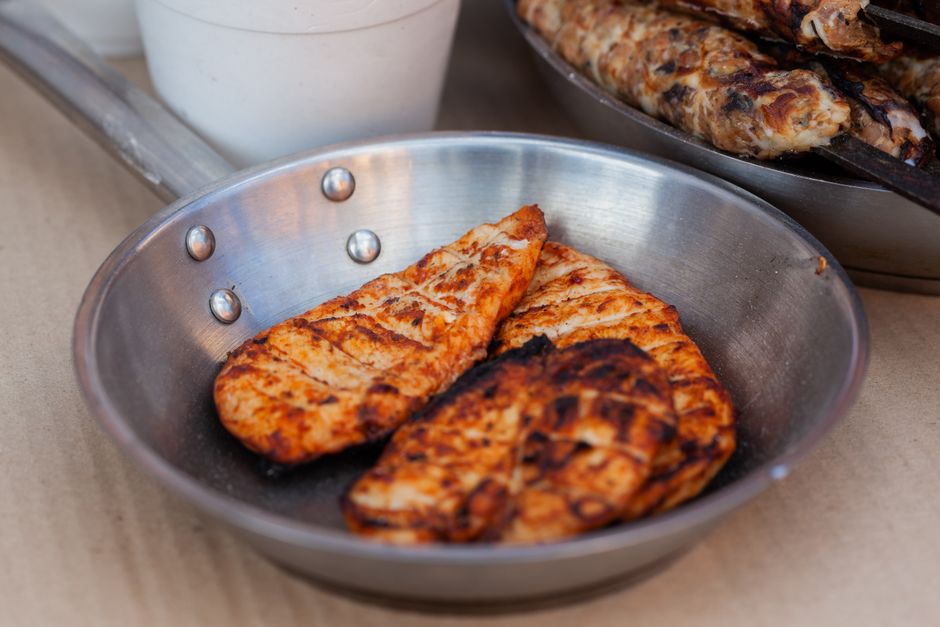 Chicken Breast
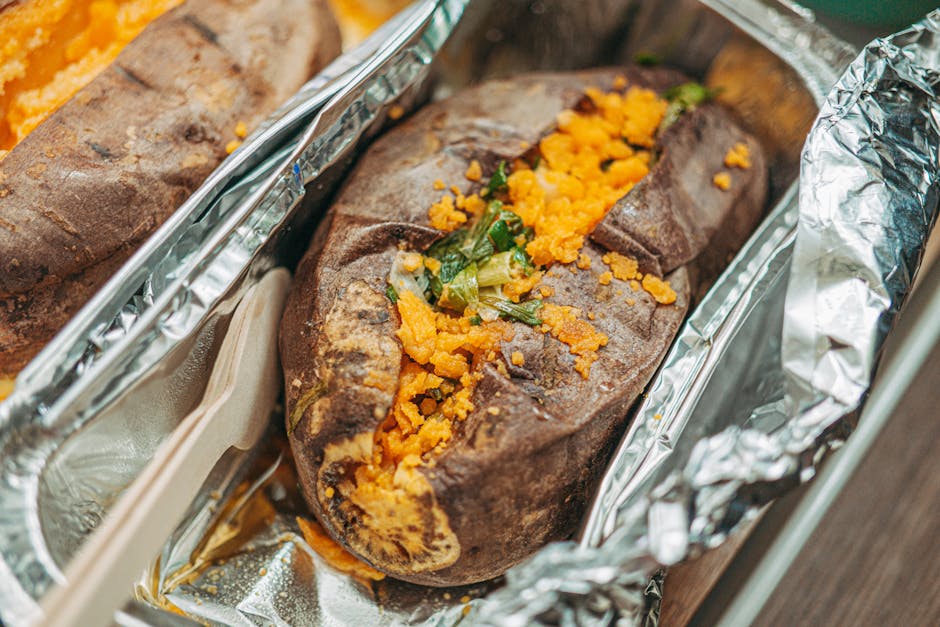 Sweet Potato
 White Rice
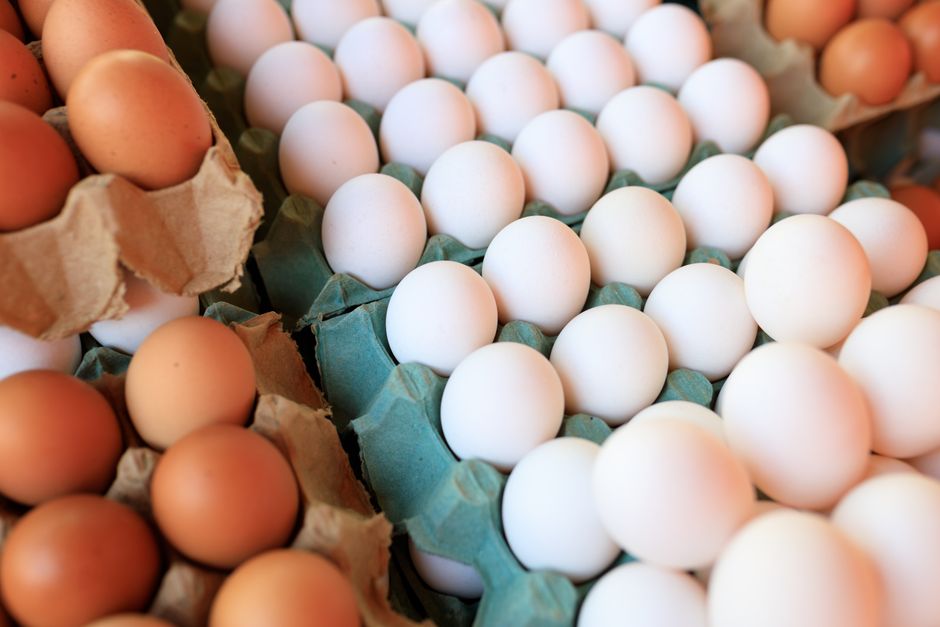 Egg
Egg