AI Meal Planner logo AI Meal Planner
Low-Carb Lifestyle

Keto Meal Plan
Fat-Fueled Energy

Low‑carb, high‑satiety menu with balanced electrolytes and fiber so Keto is enjoyable and sustainable week after week.

High Fat Burning
Mental Clarity
Appetite Control
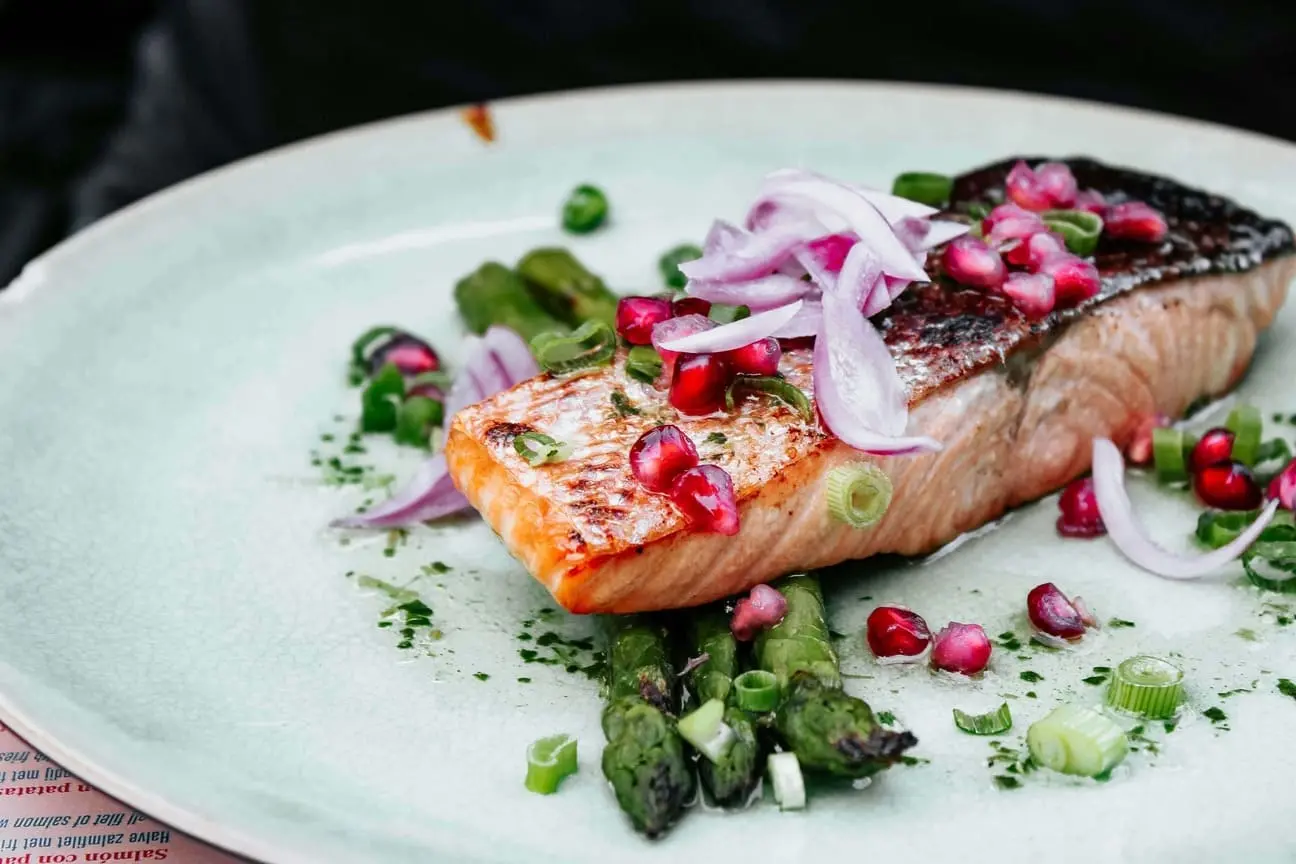
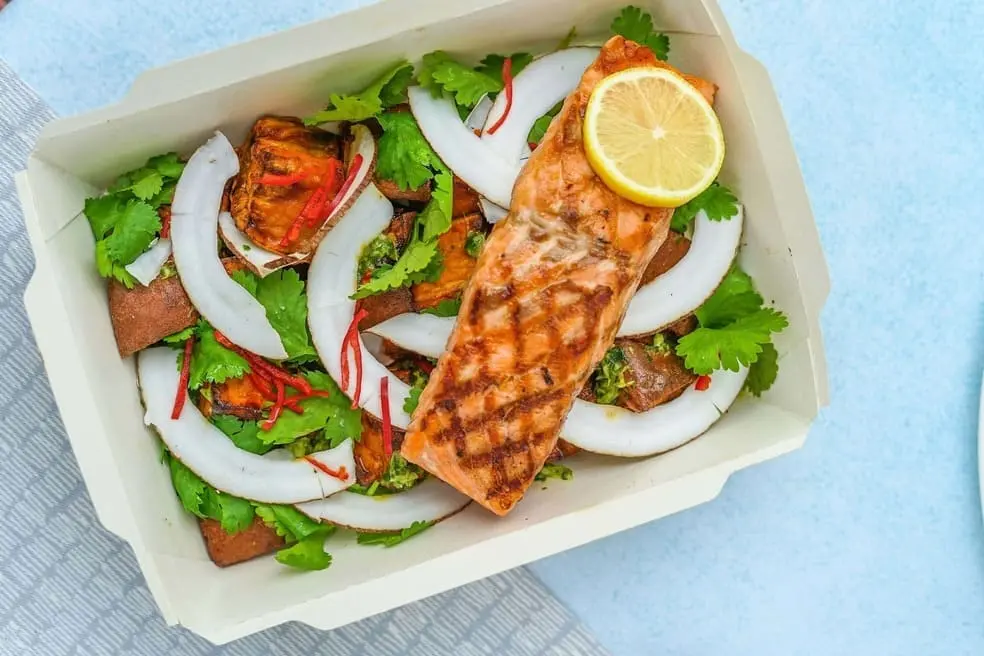
Keto-friendly meal with healthy fats and low-carb vegetables
75%
Fat Energy

What is the Keto Diet?

The ketogenic (keto) diet is a high-fat, very-low-carb eating plan that shifts your body into ketosis — a metabolic state where you burn fat for fuel instead of glucose. A structured keto meal plan makes it easy to stay under 20–50g of net carbs per day, accelerating weight loss and fat burning while keeping you satisfied. Whether you are new to low-carb eating or looking for a proven approach to sustained energy and appetite control, a well-designed keto diet can help you reach your goals.

High Fat Intake

70-75% of calories from healthy fats like avocado, olive oil, and nuts.

Very Low Carbs

Only 20-50g of carbs per day to maintain ketosis.

Ketosis State

Your body switches to burning fat for energy, improving focus and endurance.

What Can You Eat on Keto?

The keto diet keeps net carbs under 20–50 g per day, shifting your body into fat-burning ketosis. Meals center on healthy fats and moderate protein while avoiding grains, sugar, and starchy vegetables.

Food Serving Net Carbs Fat Protein
Butter1 tbsp (14 g)0 g12 g0 g
Coconut Oil1 tbsp (14 g)0 g14 g0 g
Olive Oil1 tbsp (14 g)0 g14 g0 g
Bacon2 slices (30 g)0 g10 g9 g
Chicken Thigh1 thigh (110 g)0 g10 g28 g
Ground Beef (80/20)4 oz (113 g)0 g23 g20 g
Salmon4 oz (113 g)0 g12 g23 g
Eggs2 large1 g10 g12 g
Cheddar Cheese1 oz (28 g)1 g9 g7 g
Avocado1/2 medium2 g15 g2 g
Almonds1 oz (28 g)3 g14 g6 g
Broccoli1 cup (91 g)4 g0 g3 g

Sample 7-Day Menu

See how satisfying and varied your Keto week can be.

Days 1 2 3 4 5 6 7
Meals Breakfast: Cheesy Omelet + Greens
Lunch: Chicken Avocado Bowl
Dinner: Salmon & Zucchini
Breakfast: Greek Yogurt (Low‑Carb)
Lunch: Bunless Burger Plate
Dinner: Chicken Thighs & Asparagus
Breakfast: Chia Pudding
Lunch: Tuna Olive Salad
Dinner: Turkey Meatballs
Breakfast: Bacon & Egg Muffins
Lunch: Shrimp & Avocado Plate
Dinner: Pork Chops & Creamed Spinach
Breakfast: Smoked Salmon Roll‑Ups
Lunch: Lamb Patties & Tzatziki
Dinner: Baked Cod with Butter Sauce
Breakfast: Coconut Flour Pancakes
Lunch: Caprese Chicken
Dinner: Stuffed Bell Peppers
Breakfast: Avocado & Egg Bake
Lunch: Cobb Salad
Dinner: Garlic Butter Steak Bites
Daily Totals Calories: 1,700
Protein: 114g
Carbs: 24g
Fat: 130g
Calories: 1,600
Protein: 116g
Carbs: 26g
Fat: 116g
Calories: 1,500
Protein: 94g
Carbs: 30g
Fat: 114g
Calories: 1,660
Protein: 110g
Carbs: 20g
Fat: 128g
Calories: 1,580
Protein: 108g
Carbs: 24g
Fat: 118g
Calories: 1,640
Protein: 108g
Carbs: 28g
Fat: 124g
Calories: 1,660
Protein: 112g
Carbs: 24g
Fat: 126g

Day 1

Daily totals: 1,700 calories, 130g fat, 114g protein, 24g carbs

Breakfast (520 calories)

Cheesy Omelet + Greens

3 eggs, cheddar, spinach; side salad with olive oil; black coffee.

Lunch (580 calories)

Chicken Avocado Bowl

Grilled chicken, avocado, romaine, cucumber, olive oil & lemon; pumpkin seeds.

Dinner (600 calories)

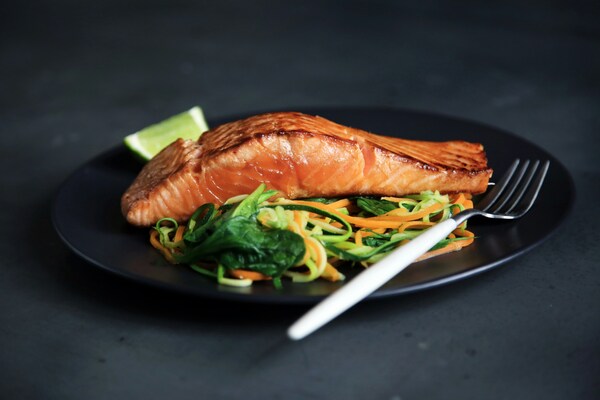
Salmon & Zucchini

Salmon fillet pan‑seared in butter; sautéed zucchini with garlic; olives.

To make it 1,400 calories: Skip the pumpkin seeds from the chicken bowl and use half the olive oil at dinner.

To make it 2,000 calories: Add 1 oz macadamia nuts as a mid-afternoon snack.

Meal-Prep Tip

Pan-sear extra salmon tonight — cold leftover salmon makes a quick lunch topper tomorrow.

Day 2

Daily totals: 1,600 calories, 116g fat, 116g protein, 26g carbs

Breakfast (420 calories)

Greek Yogurt (Low‑Carb)

200g Greek yogurt (unsweetened) with walnuts and raspberries; cinnamon.

Lunch (620 calories)

Bunless Burger Plate

Beef patty with cheese, tomato, pickles and a leafy salad with ranch.

Dinner (560 calories)

Chicken Thighs & Asparagus

Roasted chicken thighs, asparagus in butter with lemon; sparkling water.

To make it 1,400 calories: Use half the ranch dressing on the burger plate and reduce walnuts to 1 tbsp at breakfast.

To make it 2,000 calories: Add 2 tbsp butter to the asparagus and a 1 oz cheese snack before dinner.

Meal-Prep Tip

Roast extra chicken thighs — shred leftovers for tomorrow's tuna olive salad swap or a quick snack.

Day 3

Daily totals: 1,500 calories, 114g fat, 94g protein, 30g carbs

Breakfast (380 calories)

Chia Pudding

Chia + almond milk + vanilla; top with coconut flakes and few berries.

Lunch (540 calories)

Tuna Olive Salad

Tuna in olive oil, lettuce, olives, cucumber, feta, olive oil & lemon.

Dinner (580 calories)

Turkey Meatballs

Turkey meatballs in tomato‑cream sauce; roasted cauliflower steaks.

To make it 1,300 calories: Skip the coconut flakes on chia pudding and use oil-packed tuna without extra olive oil.

To make it 1,800 calories: Add a handful of pecans (1 oz) with the tuna salad and extra butter on the cauliflower.

Meal-Prep Tip

Make the chia pudding the night before so it's ready to grab in the morning.

This is just a sample

Want this plan customized for you?

Get a meal plan tailored to your calories, food preferences, allergies, and schedule — with a full grocery list and step-by-step recipes.

Create My Custom Plan

Day 4

Daily totals: 1,660 calories, 128g fat, 110g protein, 20g carbs

Breakfast (480 calories)

Bacon & Egg Muffins

2 egg muffins with bacon, cheddar cheese; black coffee with cream.

Lunch (560 calories)

Shrimp & Avocado Plate

Garlic butter shrimp, sliced avocado, arugula with olive oil and lemon.

Dinner (620 calories)

Pork Chops & Creamed Spinach

Pan‑seared pork chops; creamed spinach with butter and parmesan.

To make it 1,400 calories: Skip the cream in your coffee and use only half the avocado at lunch.

To make it 2,000 calories: Add an extra slice of bacon at breakfast and 1 tbsp sour cream on the pork chops.

Meal-Prep Tip

Bake a double batch of egg muffins — they keep in the fridge for 3 days and reheat in 30 seconds.

Day 5

Daily totals: 1,580 calories, 118g fat, 108g protein, 24g carbs

Breakfast (440 calories)

Smoked Salmon Roll‑Ups

Smoked salmon with cream cheese, capers, and cucumber slices.

Lunch (600 calories)

Lamb Patties & Tzatziki

Grilled lamb patties with tzatziki, leafy greens, and olives.

Dinner (540 calories)

Baked Cod with Butter Sauce

Cod fillet in lemon‑butter sauce; steamed broccoli with parmesan.

To make it 1,400 calories: Use half the cream cheese in the salmon roll-ups and reduce butter sauce on the cod.

To make it 1,900 calories: Add 1 oz almonds with the lamb patties and an extra tbsp olive oil on the broccoli.

Meal-Prep Tip

Prep the lamb patties tonight and refrigerate — they cook faster from a firm, chilled shape.

Day 6

Daily totals: 1,640 calories, 124g fat, 108g protein, 28g carbs

Breakfast (460 calories)

Coconut Flour Pancakes

Keto pancakes with butter and a handful of raspberries.

Lunch (580 calories)

Caprese Chicken

Grilled chicken topped with mozzarella, tomato, basil; olive oil drizzle.

Dinner (600 calories)

Stuffed Bell Peppers

Half peppers filled with seasoned ground beef, cheese, and sour cream.

To make it 1,400 calories: Use only 1 tbsp butter on pancakes and skip the sour cream on stuffed peppers.

To make it 2,000 calories: Add an extra ounce of mozzarella on the caprese chicken and a fat bomb for dessert.

Meal-Prep Tip

Brown the ground beef for stuffed peppers while the pancakes cook — multitask to save time.

Day 7

Daily totals: 1,660 calories, 126g fat, 112g protein, 24g carbs

Breakfast (520 calories)

Avocado & Egg Bake

Eggs baked in avocado halves with cheddar; side of crispy bacon.

Lunch (560 calories)

Cobb Salad

Turkey, hard‑boiled egg, bacon, avocado, blue cheese over mixed greens.

Dinner (580 calories)

Garlic Butter Steak Bites

Sirloin cubes in garlic butter; roasted mushrooms and zucchini.

To make it 1,400 calories: Skip the bacon side at breakfast and use half the blue cheese in the Cobb salad.

To make it 2,000 calories: Add 2 tbsp garlic butter to the steak bites and an extra half avocado to the Cobb salad.

Meal-Prep Tip

Prep next week's keto staples today: hard-boil eggs, portion nuts, and wash leafy greens.

Shopping List

Keto Weekly Grocery List

Stock your fridge with these keto essentials for a full 7-day low-carb meal plan.

🥩 Proteins

  • Salmon fillets (2)
  • Chicken thighs, bone-in (500g)
  • Ground beef 80/20 (500g)
  • Bacon (1 pack)
  • Eggs (2 dozen)
  • Smoked salmon (150g)
  • Ground turkey (400g)
  • Pork chops (2)
  • Shrimp, shell-on (300g)
  • Lamb mince (300g)
  • Cod fillets (2)
  • Canned tuna in olive oil (2 cans)

🥑 Healthy Fats

  • Avocados (4)
  • Extra virgin olive oil (500ml)
  • Butter, unsalted (250g)
  • Coconut oil (1 jar)
  • Heavy cream (250ml)
  • Ghee (1 small jar)
  • MCT oil (optional)
  • Sour cream (200g)

🥬 Low-Carb Vegetables

  • Spinach, baby (200g)
  • Zucchini (3)
  • Broccoli (1 head)
  • Asparagus (1 bunch)
  • Romaine lettuce (1 head)
  • Cucumber (2)
  • Bell peppers (2)
  • Cauliflower (1 head)
  • Arugula (100g)
  • Mushrooms (200g)
  • Celery (1 bunch)

🧀 Dairy & Cheese

  • Cheddar cheese (200g)
  • Cream cheese (200g)
  • Mozzarella, fresh (125g)
  • Parmesan, grated (100g)
  • Feta cheese (150g)
  • Greek yogurt, full-fat unsweetened (500g)
  • Blue cheese (50g)
  • Brie or Camembert (100g)

🥜 Nuts & Seeds

  • Almonds, raw (200g)
  • Walnuts (150g)
  • Macadamia nuts (100g)
  • Pecans (100g)
  • Chia seeds (100g)
  • Flaxseed, ground (100g)
  • Pumpkin seeds (100g)
  • Coconut flakes, unsweetened (50g)

🫒 Pantry Staples

  • Olives, mixed (1 jar)
  • Capers (1 small jar)
  • Almond milk, unsweetened (1L)
  • Coconut flour (200g)
  • Dark chocolate 85%+ (1 bar)
  • Tomato paste (1 small can)
  • Pickles, dill (1 jar)
  • Ranch dressing, full-fat (1 bottle)
  • Dijon mustard
  • Apple cider vinegar
Get Your Personalized Grocery List

or

Perfect For

Who Is the Keto Diet For?

Keto works best for people who thrive on structure and enjoy rich, fatty foods.

🧠

Mental Clarity Seekers

Many report sharper focus and stable energy once adapted — no more afternoon crashes.

⚖️

Rapid Fat Loss

Initial water weight drops fast, then steady fat loss follows. Highly motivating for quick visible results.

🩺

Insulin Resistance

Low carb dramatically lowers blood sugar and insulin levels — often recommended for pre-diabetes.

🥓

Fat-Lovers

Enjoy bacon, butter, cheese, and avocado without guilt. Keto makes high-fat eating the actual goal.

What to Eat & What to Avoid on Keto

Keep net carbs under 20-50g per day. Fat is your primary fuel source.

Keto-Friendly Foods

  • Fatty meats — ribeye, salmon, bacon, chicken thighs with skin
  • Healthy fats — avocado, olive oil, coconut oil, butter, ghee
  • Low-carb vegetables — spinach, kale, broccoli, zucchini, asparagus
  • Full-fat dairy — cheese, heavy cream, sour cream, cream cheese
  • Eggs — whole eggs cooked any style, a keto staple
  • Nuts and seeds — macadamia, pecans, walnuts, chia, flax (in moderation)

Foods to Avoid

  • Grains and starches — bread, pasta, rice, oats, cereal
  • Sugar in all forms — candy, soda, juice, honey, maple syrup
  • Most fruits — bananas, apples, oranges, grapes (berries in small amounts OK)
  • Root vegetables — potatoes, sweet potatoes, carrots, beets
  • Low-fat diet products — often loaded with sugar to replace fat
  • Beer and sweet cocktails — high in carbs; dry wine and spirits are better options

How the Keto Diet Works

Switch your body from burning carbs to burning fat for fuel.

1

Cut Carbs to 20-50g

Remove grains, sugar, and most fruit to deplete glycogen stores.

2

Enter Ketosis

After 2-4 days your liver starts producing ketones from fat.

3

Eat High Fat

70-75% of calories from healthy fats — avocado, olive oil, butter, nuts.

4

Moderate Protein

Enough to preserve muscle (~20-25% of calories) without kicking you out of ketosis.

Want this plan personalized for you?

Get a custom 7-day meal plan with grocery list, macro tracking, and 600+ recipes.

Try AI Meal Planner

Keto Diet FAQ

How to start a keto diet for beginners meal plan?

Start by reducing carbs to 20-50g per day. Focus on meat, fish, eggs, cheese, nuts, and low-carb vegetables. Plan simple meals like eggs with avocado for breakfast, salad with grilled chicken for lunch, and salmon with vegetables for dinner. Track your macros the first week.

What is a keto meal plan?

A keto meal plan is a structured eating schedule that keeps you in ketosis — typically 70-75% fat, 20-25% protein, and 5-10% carbs. It includes foods like meat, fatty fish, eggs, butter, cheese, nuts, seeds, avocados, and low-carb vegetables while avoiding sugar, grains, and starchy foods.

Keto vs Mediterranean meal plan — which is better?

Both are effective. Keto is better for rapid weight loss and blood sugar control. Mediterranean is more flexible and easier long-term with proven heart health benefits. Choose keto for faster results, Mediterranean for a sustainable lifestyle. Some people combine elements of both.

How much weight can you lose on keto in a month?

Most people lose 4-8 kg in the first month. The first week includes water weight loss (2-4 kg). After that, expect 0.5-1 kg per week of fat loss. Results vary based on starting weight, calorie deficit, and adherence to the diet.

What foods are not allowed on keto?

Avoid sugar (soda, candy, desserts), grains (bread, pasta, rice), starchy vegetables (potatoes, corn), most fruits (except berries in moderation), beans and legumes, low-fat products, and most processed foods. Always check labels for hidden carbs.

What is keto flu and how long does it last?

Keto flu is a group of symptoms — headache, fatigue, nausea, irritability, and brain fog — that some people experience during the first 1–2 weeks of a ketogenic diet. It happens because your body is adapting from burning glucose to burning fat for fuel. Staying hydrated, replenishing electrolytes (sodium, potassium, magnesium), and getting enough sleep can significantly reduce symptoms. Most people feel better within 3–7 days as their body enters full ketosis.

Can you eat fruit on keto?

Most fruits are too high in sugar for a strict keto diet, but small portions of berries are generally acceptable. Raspberries, blackberries, and strawberries are the lowest-carb options at 5–6g net carbs per half cup. Avocados and olives are technically fruits and are excellent keto staples due to their high fat and low carb content. Avoid tropical fruits like bananas, mangoes, and pineapples as they can quickly exceed your daily carb limit.

How many carbs per day on keto?

Most keto meal plans recommend staying under 20–50g of net carbs per day to achieve and maintain ketosis. Net carbs are calculated by subtracting fiber from total carbohydrates. Beginners often start at 20g for faster results, then gradually adjust upward once they are fat-adapted. The exact threshold varies by individual — factors like activity level, metabolism, and body composition all play a role.

Is keto safe long term?

For most healthy adults, a well-formulated keto diet can be followed safely for months or even years. Studies up to two years show improvements in weight, blood sugar, and triglyceride levels without significant adverse effects. However, it is important to eat nutrient-dense foods, include plenty of non-starchy vegetables, and monitor cholesterol levels periodically. People with kidney disease, liver conditions, or a history of eating disorders should consult a doctor before starting keto.

What are the best keto snacks?

Great keto snacks are high in fat, moderate in protein, and very low in carbs. Top choices include cheese slices or cubes, hard-boiled eggs, pork rinds, beef jerky (no sugar added), macadamia nuts, celery with cream cheese, and dark chocolate (85%+ cocoa). Avocado halves with salt and olive oil also make a satisfying quick snack. The key is choosing whole-food options and avoiding packaged products that may contain hidden carbs.

Can you drink alcohol on keto?

You can drink alcohol in moderation on keto, but you need to choose carefully. Dry wines, spirits (vodka, whiskey, tequila), and light beers are the lowest-carb options. Avoid cocktails with sugary mixers, regular beer, and sweet wines as they are loaded with carbs. Keep in mind that your body prioritizes burning alcohol over fat, which temporarily pauses ketosis and fat burning. Alcohol tolerance also tends to decrease on keto, so drink less than you normally would.

How do you know if you are in ketosis?

Common signs of ketosis include reduced appetite, increased energy and mental clarity, a fruity or metallic taste in your mouth, and stronger-smelling breath or urine. For a more precise measurement, you can use urine ketone strips (affordable but less accurate), blood ketone meters (most accurate, measuring beta-hydroxybutyrate levels), or breath analyzers. A blood ketone reading of 0.5–3.0 mmol/L typically indicates nutritional ketosis.

Ready to go Keto?

Get your fully personalized keto meal plan. Tailored macros, simple recipes, and a grocery list that makes it easy.

Get My Plan Now

Built with AI Meal Planner — free personalized meal plans for any diet.