
Salmon Nutrition Facts
See salmon calories, protein, carbs, fat, omega-3, macros per 100g and serving sizes. Add salmon to your AI meal plan.
Nutrition Facts & Macros
Calories per gram: Fat 9 · Carbohydrate 4 · Protein 4
Macronutrient Profile
Source: USDA FoodData Central.
Salmon FAQ
Is salmon good for weight loss?
Yes — salmon supports weight loss thanks to its high protein (20 g per 100 g) and omega-3 fatty acids, which reduce inflammation and improve insulin sensitivity. The healthy fats keep you satiated longer.
Is salmon high in protein?
Yes. Salmon provides about 20 g of protein per 100 g. Combined with beneficial omega-3 fats, it's one of the most nutritionally complete protein sources you can eat.
How many calories are in salmon?
A 100 g serving of Atlantic salmon contains about 208 calories. A typical fillet (170 g) has approximately 354 calories with 34 g of protein and 22 g of fat.
Is salmon good for you?
Salmon is one of the healthiest foods you can eat. It's packed with omega-3 fatty acids (EPA and DHA), high-quality protein, vitamin D, B vitamins, and selenium.
How much omega-3 is in salmon?
A 100 g serving of Atlantic salmon provides about 2.3 g of omega-3 fatty acids (EPA + DHA). This exceeds the minimum recommended weekly intake in just one serving.
Is salmon keto-friendly?
Yes, salmon is perfect for keto. It has zero carbs, plenty of healthy fats, and adequate protein. It's one of the most recommended foods on a ketogenic diet.
How often should I eat salmon?
Health organizations recommend eating fatty fish like salmon 2-3 times per week. This provides adequate omega-3s for heart and brain health.
Is wild salmon better than farmed?
Wild salmon is generally leaner with fewer contaminants and more omega-3s per calorie. Farmed salmon has more total fat. Both are nutritious, but wild-caught is considered the better choice.
Is salmon good for building muscle?
Yes. Salmon provides 20 g of complete protein per 100 g plus omega-3s that reduce exercise-related inflammation and may enhance muscle protein synthesis.
Can I eat salmon every day?
While nutritious, limit salmon to 3-4 servings per week due to potential mercury and contaminant levels. Vary your protein sources for a balanced diet.
What's the healthiest way to cook salmon?
Baking, grilling, or poaching preserves the most omega-3s. Avoid deep-frying. Cooking at moderate temperatures (below 200°C) minimizes the loss of beneficial fatty acids.
Is canned salmon as healthy as fresh?
Yes, canned salmon retains most of its omega-3s and protein. It's also more affordable. Canned salmon with bones provides extra calcium. Choose varieties packed in water for fewer calories.
Does salmon have vitamin D?
Yes. Salmon is one of the best natural sources of vitamin D, providing about 11 mcg (440 IU) per 100 g — roughly 55% of your daily needs.
Best Diets for Salmon
Meal Ideas with Salmon
Add Salmon to Your Custom Meal Plan
Tell us your goals and preferences — our AI creates a personalized meal plan with recipes and a grocery list.
Get My Personalized Meal Plan Tuna
Tuna
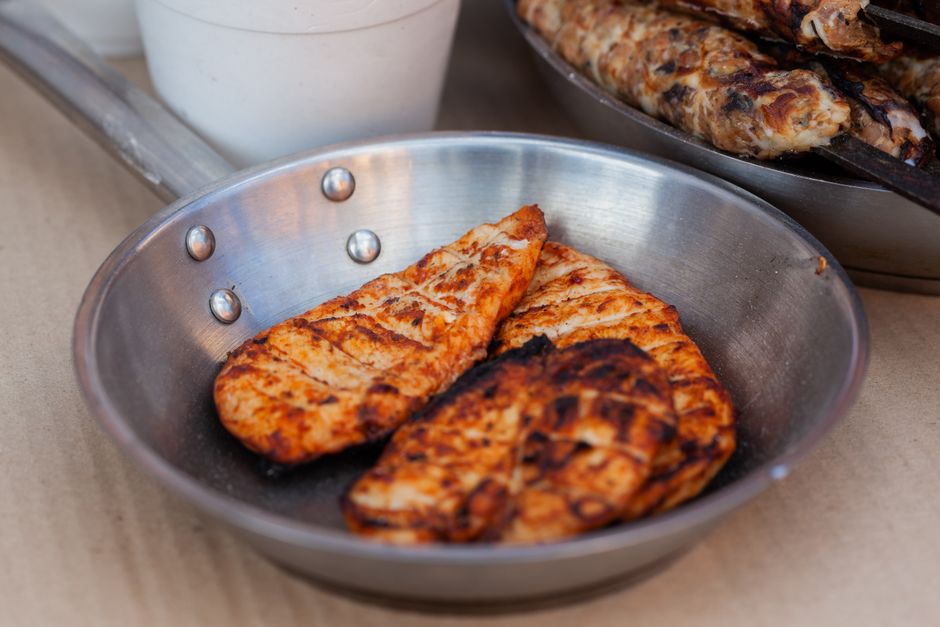 Chicken Breast
 Lean Beef (93% lean)
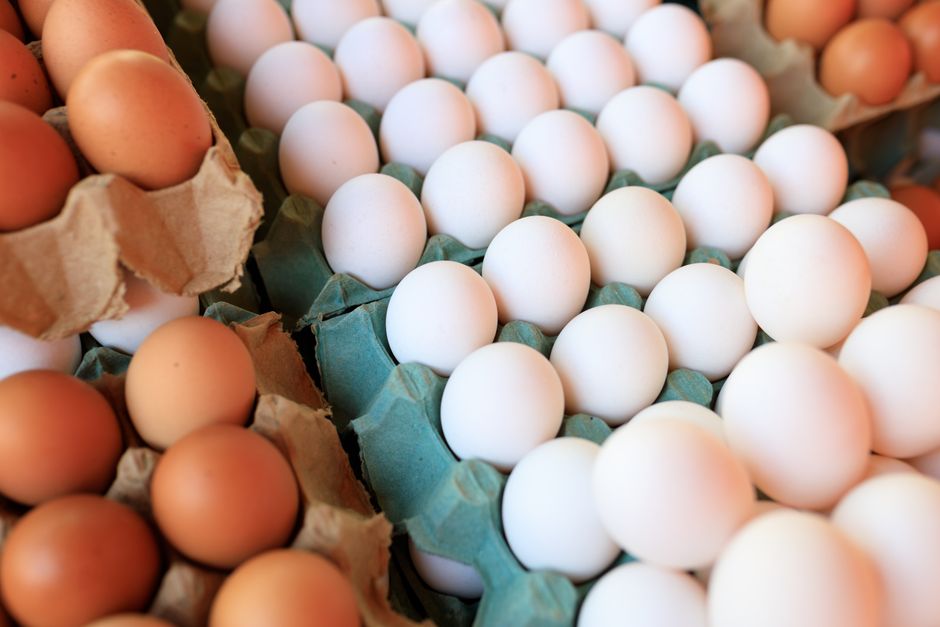 Egg
Egg
 Tofu
Tofu