
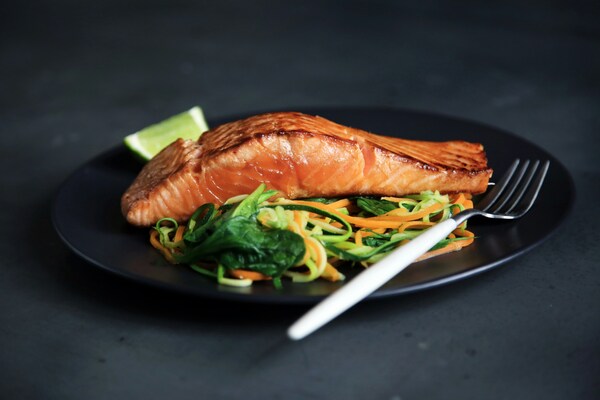
A 7-day meal plan for weight loss at about 1,600 kcal a day. Each day has breakfast, lunch, and dinner with macros, plus a grocery list. The deficit is moderate so you can repeat the week.
Key Takeaways
- A moderate calorie deficit of 300–500 kcal/day produces steady fat loss of 0.5–1 lb per week without extreme hunger.
- High-protein meals (~120g/day) preserve muscle mass, increase satiety, and boost metabolism during weight loss.
- This 7-day plan averages ~1,600 kcal with balanced macros — suitable for most women and moderately active men.
- Having a structured weekly meal plan eliminates guesswork and reduces the chance of impulsive, unhealthy food choices.
- A printable grocery list is included so you can shop once and eat well all week.
How to Meal Plan for Weight Loss
A meal plan for weight loss is a week of meals written down before you shop, at a calorie level below what you burn. Pick a daily calorie target, then list breakfast, lunch, and dinner for seven days. This page uses about 1,600 kcal, which is a moderate deficit for many women and for men who are not training hard.
How to create a meal plan for weight loss, and how to make one you will actually follow, comes down to five steps:
- Set the calorie target. Estimate what you burn in a normal day, then subtract 300–500 kcal. A larger cut makes the week harder to repeat.
- Set the protein. Aim for about 120 g a day on this plan so meals stay filling and muscle loss stays smaller.
- Build three meals a day. Each meal gets a lean protein, a high-volume vegetable, and a measured starch such as rice, potato, oats, or fruit.
- Repeat meals. Use two or three breakfasts and a few dinners across the seven days. That is how a weekly plan stays cheap and easy to shop.
- Shop once. Use the grocery list below, cook in batches, and keep the menu for the whole week instead of deciding at each meal.
What Is the Best Meal Plan for Weight Loss?
The best meal plan for weight loss is the one you can run again next week. A one-day sample, like the menus on many magazine sites, shows what a deficit looks like. It does not get you through Thursday. A full 7-day menu does.
Very low calorie plans and single-food diets drop the scale faster for a few days, then hunger takes over. A moderate deficit, enough protein, and meals you already know how to cook beat a stricter plan you quit. If 1,600 kcal leaves you tired or you lift weights most days, move up toward 1,800. If you are smaller and sedentary, 1,400–1,500 can still be a healthy range. The structure stays the same.
What Is a Healthy Meal Plan for Weight Loss?
A healthy meal plan for weight loss still has protein, vegetables, fruit, whole grains, and some fat. It is lower in calories than you burn. It is not a cleanse, and it does not remove an entire food group. The week below is built that way: chicken, fish, eggs, yogurt, beans, vegetables, and a controlled portion of rice, oats, or potato. You can swap a meal for a similar one as long as the calories and protein stay close.
Low Calorie High Protein Foods
High-protein foods are essential during a calorie deficit because they preserve lean muscle mass, increase satiety, and boost your metabolic rate through the thermic effect of food. Prioritizing protein-dense options lets you stay full and strong while eating fewer total calories.
| Food | Serving | Calories | Protein | Protein per 100 kcal |
|---|---|---|---|---|
| Shrimp | 100g (3.5 oz) | 99 | 24g | 24.2g |
| Turkey breast | 100g (3.5 oz) | 135 | 30g | 22.2g |
| Cod | 100g fillet | 82 | 18g | 22.0g |
| Tuna (canned in water) | 1 can (112g) | 130 | 28g | 21.5g |
| Egg whites | 4 large | 68 | 14g | 20.6g |
| Protein powder (whey) | 1 scoop (30g) | 120 | 24g | 20.0g |
| Chicken breast | 100g (3.5 oz) | 165 | 31g | 18.8g |
| Cottage cheese (low-fat) | 1/2 cup (113g) | 81 | 14g | 17.3g |
| Greek yogurt (0%) | 170g (6 oz) | 100 | 17g | 17.0g |
| Lean beef (95%) | 100g (3.5 oz) | 155 | 24g | 15.5g |
| Tofu (firm) | 100g (3.5 oz) | 144 | 17g | 11.8g |
| Lentils (cooked) | 1/2 cup (99g) | 115 | 9g | 7.8g |
Calorie Deficit Diet FAQ
What is a calorie deficit and how does it work?
A calorie deficit means you eat fewer calories than your body burns. Your body then taps stored fat for energy, leading to weight loss. A moderate deficit of 300-500 calories per day typically produces 0.5-1 pound of fat loss per week. It's the most sustainable approach for long-term results.
How big should my calorie deficit be?
Most experts recommend a deficit of 300-500 calories for moderate weight loss (0.5-1 lb/week) or 500-750 for faster loss (1-2 lbs/week). Going too aggressive can cause muscle loss, fatigue, and rebound hunger. Start moderate and adjust based on energy levels and progress.
Will I lose muscle on a calorie deficit?
You can minimize muscle loss by eating adequate protein (0.7-1g per pound of body weight), doing resistance training, and avoiding extreme deficits. A moderate deficit with strength training helps preserve lean mass while losing fat. Very low calorie diets increase muscle loss risk.
How long can I stay in a calorie deficit?
Most people can safely maintain a moderate deficit for 8-16 weeks. Consider diet breaks every 8-12 weeks where you eat at maintenance for 1-2 weeks to support hormones, energy, and adherence. Once you reach your goal, gradually increase calories to maintenance to avoid rapid regain.
What foods are best for a calorie deficit diet?
Prioritize high-volume, nutrient-dense foods: lean proteins (chicken, fish, eggs, Greek yogurt), non-starchy vegetables (broccoli, spinach, zucchini), whole grains (oats, quinoa, brown rice), fruits (berries, apples), and modest amounts of healthy fats (avocado, olive oil, nuts). These keep you full and energized on fewer calories.
How to meal plan for weight loss?
Set a calorie target about 300–500 kcal below what you burn, aim for roughly 120 g of protein a day, then write seven days of breakfast, lunch, and dinner before you shop. Repeat a few meals so the grocery list stays short. This sample plan uses about 1,600 kcal a day as a starting point for many women and moderately active men.
How to create a meal plan for weight loss?
Start with your maintenance calories, subtract 300–500, and split the day into three meals. Fill each meal with a lean protein, a high-volume vegetable, and a measured starch. Cook once or twice and repeat meals across the week. Adjust the calorie target up if you train hard or feel drained.
How to make a meal plan for weight loss?
Pick the calorie target, list seven breakfasts, lunches, and dinners that fit it, then turn that list into one grocery shop. Making the plan means deciding the meals before the week starts, not while you are hungry. The menu and grocery list on this page are a finished version of that step.
What is the best meal plan for weight loss?
The best meal plan for weight loss is a moderate calorie deficit you can repeat, with enough protein to stay full and keep muscle. Extreme cuts and food-group bans work for a few days and then stall. A structured 7-day menu around 1,600 kcal, like the one on this page, is a practical starting point.
What is a healthy meal plan for weight loss?
A healthy meal plan for weight loss still includes protein, vegetables, fruit, whole grains, and some fat. It is lower in calories than you burn, not a juice cleanse or a single-food diet. Meals stay in a range you can cook again next week, with a grocery list so you are not deciding at 7 p.m.
Free Tools for This Plan
Browse Recipes
Related Meal Plans
Explore other plans that support your weight loss goals.
1,500 Calorie Meal Plan
A structured 1,500 kcal daily target for steady, measurable fat loss.

1,800 Calorie Meal Plan
A moderate calorie budget for active dieters and men losing weight.

High-Protein Meal Plan
Maximize satiety and preserve muscle with 30%+ protein intake.
Low-Carb Meal Plan
Cut carbs to 50-100g for stable energy and accelerated fat loss.

Balanced Meal Plan
All food groups in proper portions — sustainable and family-friendly.

Metabolic Confusion
Alternate high and low calorie days to prevent plateaus.
Ready to start your fat loss journey?
Get your personalized calorie deficit meal plan with satisfying recipes, balanced macros, and a complete grocery list.
Create my own