
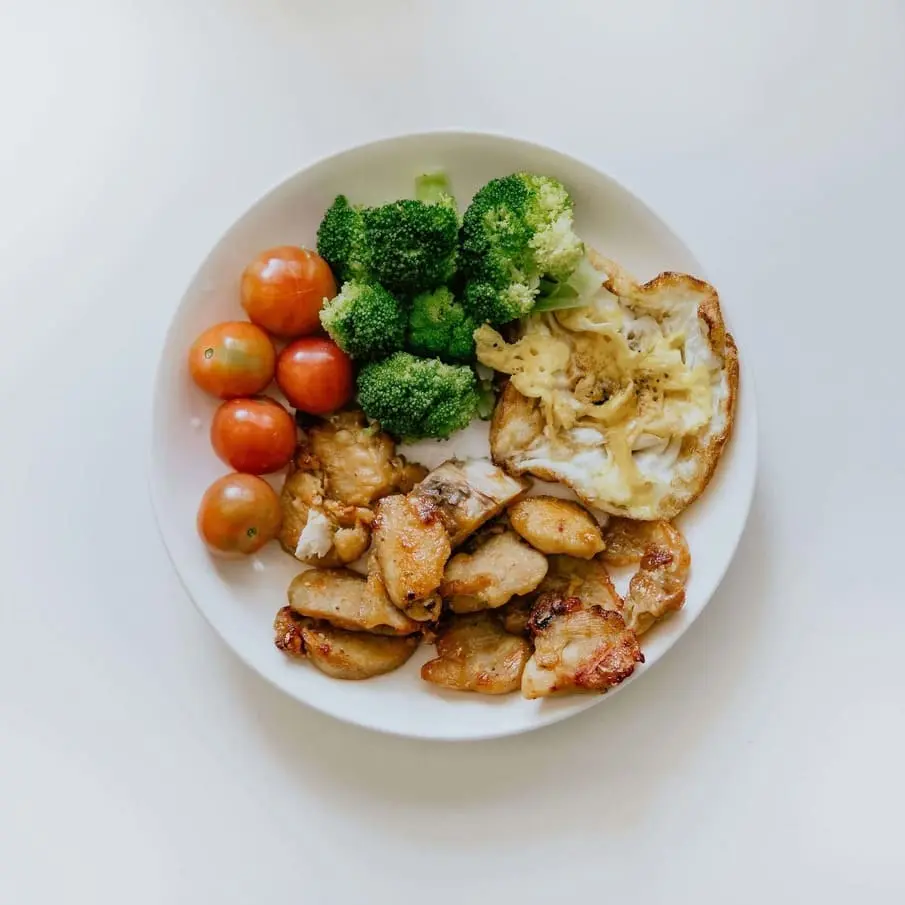
This 7-day high-protein meal plan delivers 30–40% of calories from protein to build muscle, speed recovery, and keep hunger in check. Each day includes breakfast, lunch, and dinner with exact macros and a grocery list.
High Protein Foods
Protein is essential for muscle growth, satiety, and a healthy metabolism. Aiming for 1.6–2.2 g per kg of body weight daily supports training recovery and fat loss. Here are the highest-protein foods per serving.
| Food | Serving | Protein | Calories | Protein per 100 kcal |
|---|---|---|---|---|
| Chicken Breast | 4 oz (113 g) | 31 g | 165 kcal | 18.8 g |
| Turkey Breast | 4 oz (113 g) | 30 g | 153 kcal | 19.6 g |
| Cottage Cheese (low-fat) | 1 cup (226 g) | 28 g | 183 kcal | 15.3 g |
| Lean Beef (sirloin) | 4 oz (113 g) | 26 g | 200 kcal | 13.0 g |
| Tuna (canned in water) | 4 oz (113 g) | 26 g | 120 kcal | 21.7 g |
| Shrimp | 4 oz (113 g) | 24 g | 120 kcal | 20.0 g |
| Whey Protein | 1 scoop (30 g) | 24 g | 120 kcal | 20.0 g |
| Salmon | 4 oz (113 g) | 23 g | 208 kcal | 11.1 g |
| Lentils (cooked) | 1 cup (198 g) | 18 g | 230 kcal | 7.8 g |
| Greek Yogurt (nonfat) | 170 g | 17 g | 100 kcal | 17.0 g |
| Tofu (firm) | 1/2 block (150 g) | 15 g | 130 kcal | 11.5 g |
| Eggs | 2 large | 12 g | 140 kcal | 8.6 g |
High-Protein Diet FAQ
What is a high-protein meal plan?
A high-protein meal plan provides 25-35% of calories from protein (vs typical 15-20%). For most people, this means 1.6-2.2g protein per kg body weight daily. It emphasizes meat, fish, eggs, dairy, and legumes for muscle building, satiety, and metabolic boost.
How much protein do I need per day?
For muscle building: 1.6-2.2g per kg body weight. For weight loss: 1.2-1.6g per kg. For maintenance: 0.8-1g per kg. Example: 70kg person building muscle needs 112-154g protein daily. Spread intake across 4-5 meals for optimal absorption (20-40g per meal).
Is high-protein diet good for weight loss?
Yes, protein increases satiety (you feel fuller longer), boosts metabolism (thermic effect), and preserves muscle during calorie deficit. Studies show high-protein diets outperform standard diets for fat loss while maintaining lean mass. It's especially effective combined with strength training.
Best high-protein foods for meal prep?
Chicken breast (31g per 100g), Greek yogurt (10g per 100g), eggs (6g each), lean beef (26g per 100g), fish (20-25g per 100g), cottage cheese (11g per 100g), tofu (8g per 100g), lentils (9g per 100g cooked). Prep proteins in bulk on Sundays.
Is too much protein bad for kidneys?
For healthy individuals, high protein intake (up to 2.2g/kg) shows no kidney damage in research. If you have existing kidney disease, consult your doctor. Drink adequate water to help process protein. Most people can safely eat high-protein without concern.
Free Tools for This Plan
Browse Recipes
Related Meal Plans
Plans that pair well with high-protein goals.
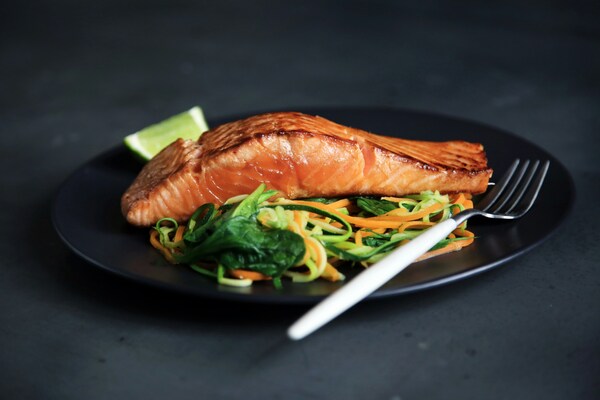
Calorie Deficit Meal Plan
High protein + calorie deficit = maximum fat loss with muscle preservation.
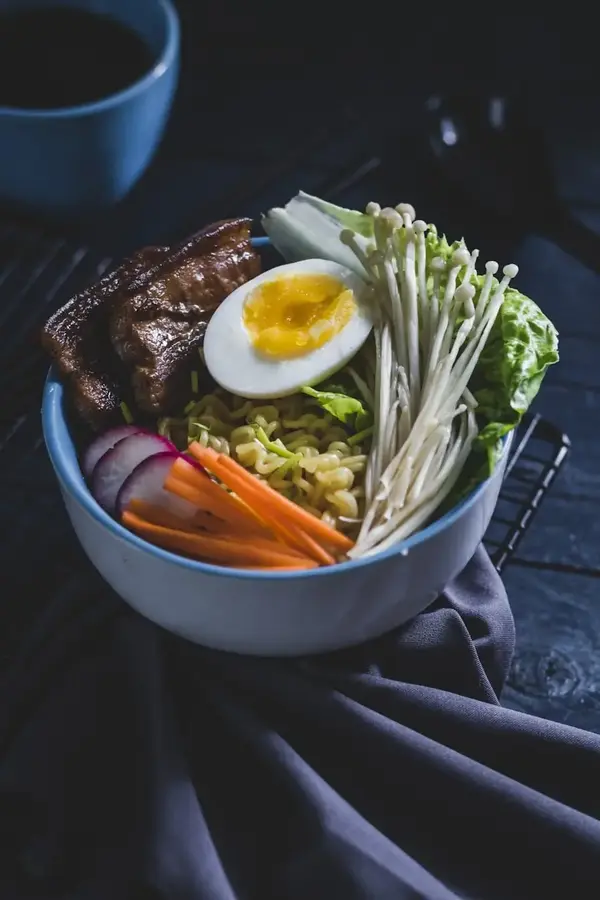
Keto Meal Plan
Combine high protein with very low carbs for rapid body composition change.
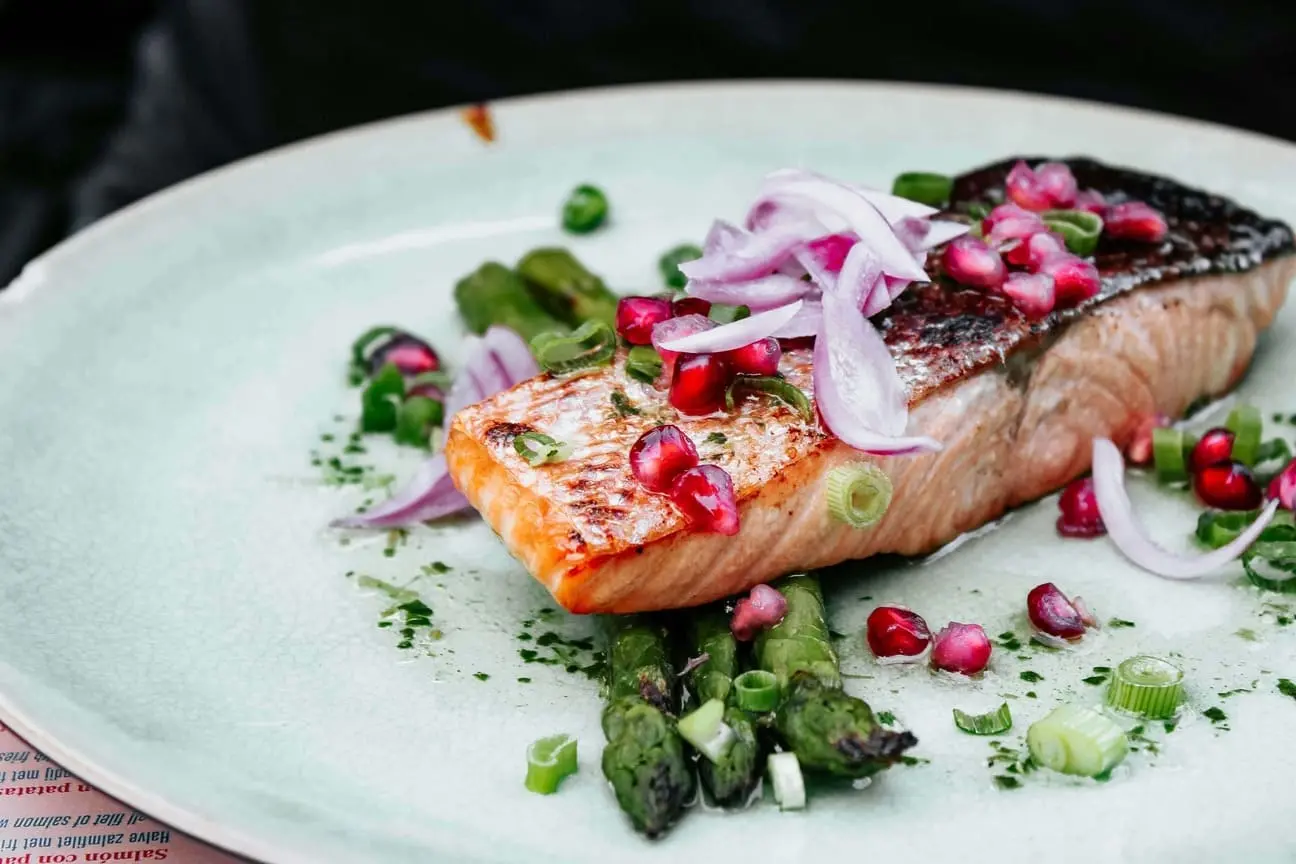
Low-Carb Meal Plan
Reduce carbs while keeping protein high for steady energy and satiety.
1,800 Calorie Meal Plan
A moderate calorie target with room for high protein at every meal.

Balanced Meal Plan
All macros in proper ratios — increase the protein portion for your goals.
Carb Cycling Meal Plan
Keep protein constant while cycling carbs around training days.
Ready to build strength?
Get your fully personalized high‑protein meal plan. Optimized for muscle growth, recovery, and satiety.
Create my own