AI Meal Planner logo AI Meal Planner
Hormone Balance

PCOS Meal Plan
Balance & Thrive

Anti-inflammatory, low-glycemic meals designed to support insulin sensitivity and hormone balance. Feel energized and nourished with PCOS-friendly nutrition.

Hormone Support
Low Glycemic
Anti-Inflammatory
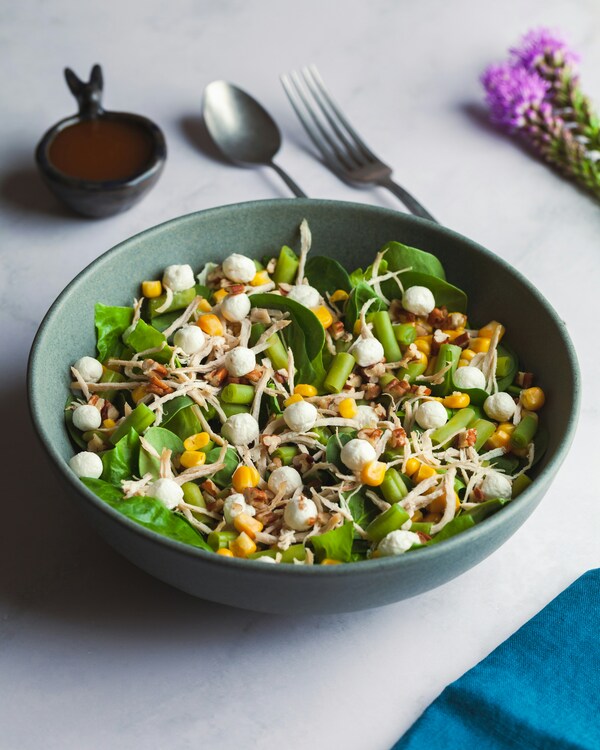
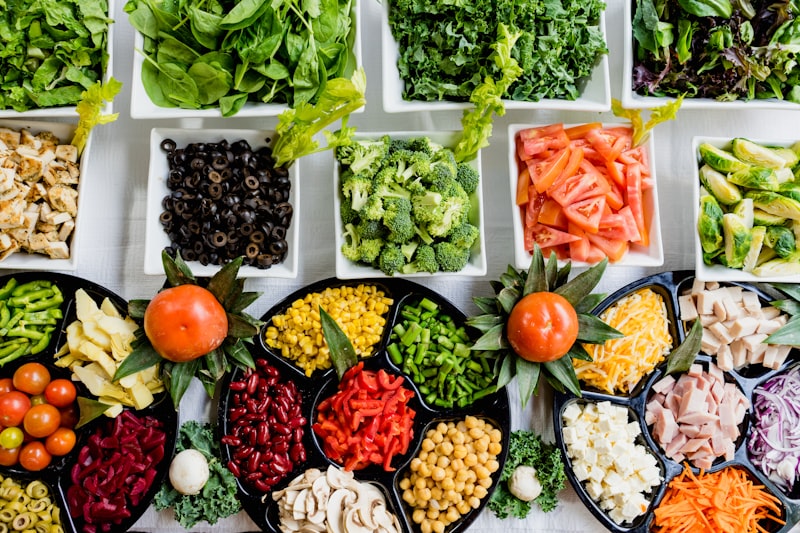
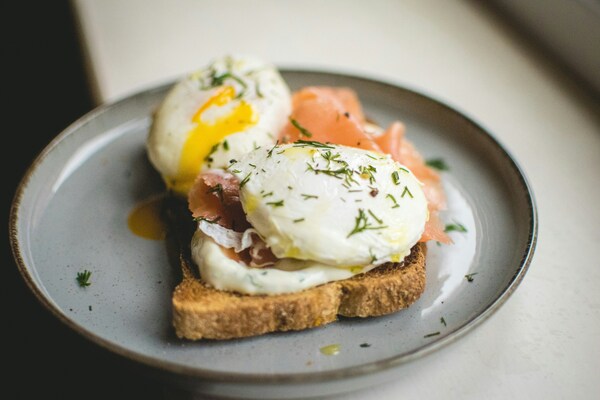
PCOS-friendly meal with lean protein, vegetables, and whole grains
PCOS
Friendly

What is a PCOS Diet?

A PCOS diet focuses on low-glycemic carbohydrates, anti-inflammatory foods, and adequate protein to support insulin sensitivity and hormone balance. It helps manage symptoms like irregular cycles, weight gain, and fatigue.

Low Glycemic

Steady blood sugar with whole grains, legumes, and non-starchy vegetables.

Anti-Inflammatory

Omega-3s, colorful produce, and spices like turmeric to reduce inflammation.

Hormone Support

Balanced macros and fiber to support insulin sensitivity and ovulation.

Best Foods for PCOS

Polycystic ovary syndrome is driven by insulin resistance and chronic inflammation. The right foods help manage both by stabilizing blood sugar, lowering androgen levels, and delivering anti-inflammatory nutrients that support hormone balance.

Food How It Helps PCOS Key Nutrients
SalmonReduces chronic inflammation that drives PCOS symptomsOmega-3 (EPA & DHA), Vitamin D
Leafy greensHelp reduce androgen levels and support detoxificationMagnesium, Folate, Iron
BerriesLow-GI antioxidants that fight oxidative stressAnthocyanins, Vitamin C, Fiber
WalnutsShown to lower free testosterone levels in women with PCOSALA Omega-3, Magnesium
TurmericPotent anti-inflammatory that reduces insulin resistanceCurcumin
Lean chickenStabilizes blood sugar with high-quality proteinProtein, B6, Niacin
LentilsSlow-digesting carbs that prevent insulin spikesFiber, Iron, Folate
AvocadoHealthy fats improve hormone production and satietyMonounsaturated fats, Potassium
CinnamonImproves insulin sensitivity and lowers fasting glucosePolyphenols, Chromium
Greek yogurtProtein and probiotics support gut-hormone connectionProtein, Probiotics, Calcium
Sweet potatoLow-GI carb that provides sustained energy without spikesFiber, Vitamin A, Potassium
FlaxseedsLignans help reduce free testosterone and balance hormonesALA Omega-3, Lignans, Fiber

Sample 7-Day PCOS Menu

Seven days of anti-inflammatory, low-glycemic meals at ~1,700 kcal per day.

Days 1 2 3 4 5 6 7
Meals Breakfast: Berry & Chia Overnight Oats
Lunch: Grilled Chicken & Quinoa Bowl
Dinner: Baked Salmon & Roasted Vegetables
Breakfast: Veggie & Egg Scramble
Lunch: Turkey & Lentil Salad
Dinner: Chicken Stir-Fry with Brown Rice
Breakfast: Greek Yogurt & Nut Parfait
Lunch: Chickpea & Vegetable Bowl
Dinner: Herb-Roasted Chicken & Greens
Breakfast: Turmeric Smoothie Bowl
Lunch: Sardine & Avocado Toast
Dinner: Turkey & Sweet Potato Skillet
Breakfast: Almond Flour Pancakes
Lunch: Lentil & Roasted Beet Salad
Dinner: Cod with Cauliflower Mash
Breakfast: Egg & Vegetable Muffins
Lunch: Salmon & Brown Rice Bowl
Dinner: Mediterranean Lamb Meatballs
Breakfast: Buckwheat Porridge
Lunch: Shrimp & Avocado Salad
Dinner: Chicken & Vegetable Curry
Daily Totals Calories: 1,700
Protein: 100g
Carbs: 136g
Fat: 74g
Calories: 1,700
Protein: 114g
Carbs: 138g
Fat: 72g
Calories: 1,700
Protein: 92g
Carbs: 140g
Fat: 82g
Calories: 1,700
Protein: 90g
Carbs: 156g
Fat: 76g
Calories: 1,700
Protein: 92g
Carbs: 122g
Fat: 88g
Calories: 1,700
Protein: 106g
Carbs: 136g
Fat: 78g
Calories: 1,700
Protein: 96g
Carbs: 150g
Fat: 78g

Day 1

Daily totals: 1,700 calories, 74g fat, 100g protein, 136g carbs

Breakfast (450 calories)

Berry & Chia Overnight Oats

Steel-cut oats soaked overnight with unsweetened almond milk, chia seeds, mixed berries, and a sprinkle of cinnamon.

Lunch (600 calories)

Grilled Chicken & Quinoa Bowl

Grilled chicken breast over quinoa with roasted broccoli, cherry tomatoes, and a drizzle of olive oil and lemon.

Dinner (650 calories)

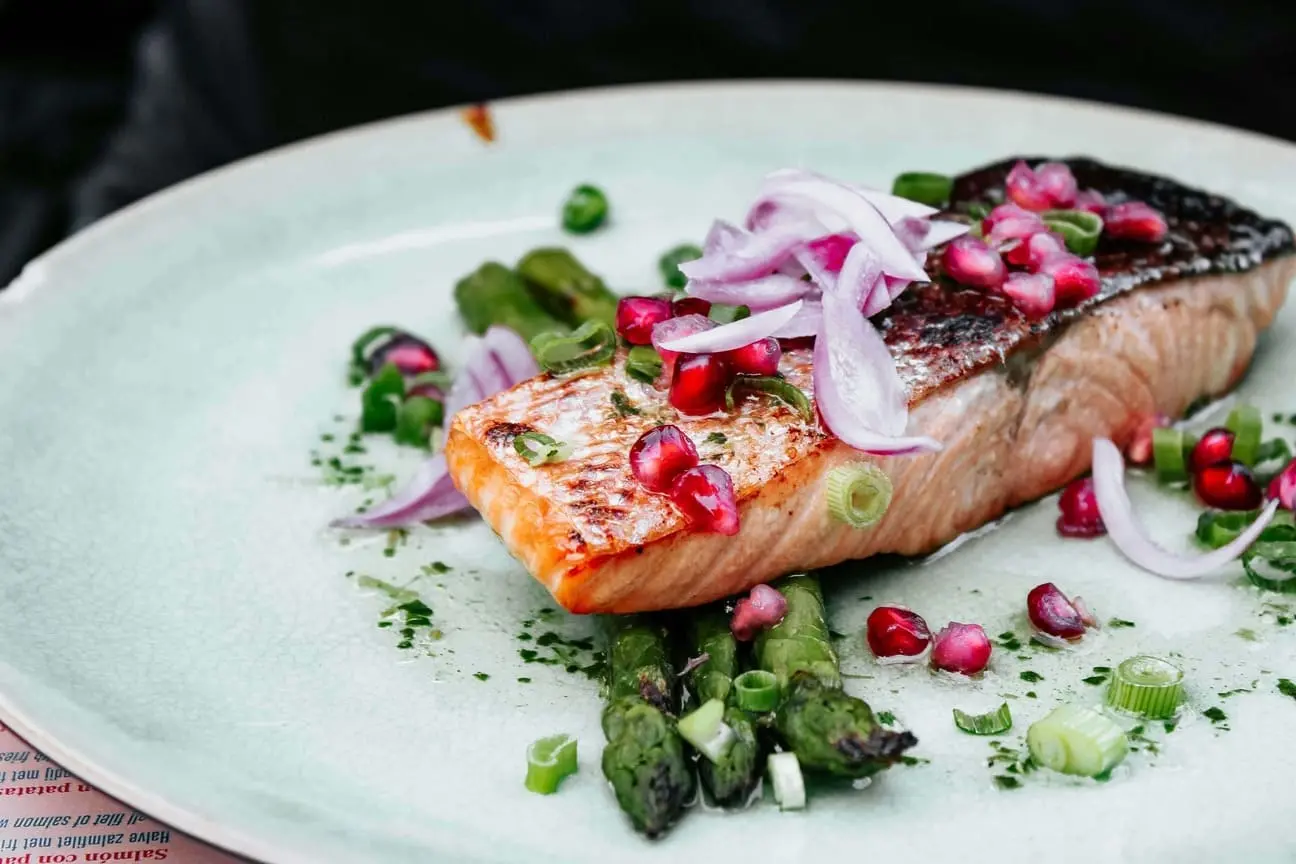
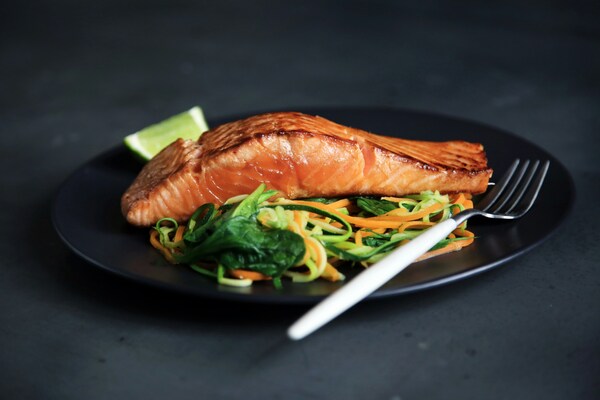
Baked Salmon & Roasted Vegetables

Wild salmon with roasted zucchini, bell peppers, and asparagus. Side of mixed greens with olive oil.

Day 2

Daily totals: 1,700 calories, 72g fat, 114g protein, 138g carbs

Breakfast (480 calories)

Veggie & Egg Scramble

Scrambled eggs with spinach, mushrooms, and cherry tomatoes. Side of avocado and whole grain toast.

Lunch (560 calories)

Turkey & Lentil Salad

Sliced turkey breast over mixed greens with cooked lentils, cucumber, and olive oil vinaigrette.

Dinner (660 calories)

Chicken Stir-Fry with Brown Rice

Stir-fried chicken with broccoli, snap peas, and carrots. Brown rice and light tamari-ginger sauce.

Day 3

Daily totals: 1,700 calories, 82g fat, 92g protein, 140g carbs

Breakfast (470 calories)

Greek Yogurt & Nut Parfait

Plain Greek yogurt with walnuts, blueberries, and a drizzle of honey. Sprinkle of ground flaxseed.

Lunch (580 calories)

Chickpea & Vegetable Bowl

Chickpeas over quinoa with roasted sweet potato, kale, and tahini dressing.

Dinner (650 calories)

Herb-Roasted Chicken & Greens

Roasted chicken thigh with rosemary and thyme. Steamed green beans and a side salad with olive oil.

This is just a sample

Want this plan customized for you?

Get a meal plan tailored to your calories, food preferences, allergies, and schedule — with a full grocery list and step-by-step recipes.

Create My Custom Plan

Day 4

Daily totals: 1,700 calories, 76g fat, 90g protein, 156g carbs

Breakfast (440 calories)

Turmeric Smoothie Bowl

Blended frozen mango, turmeric, ginger, almond milk, and spinach topped with pumpkin seeds and coconut flakes.

Lunch (560 calories)

Sardine & Avocado Toast

Whole grain toast with mashed avocado, canned sardines, lemon juice, and a side of mixed greens.

Dinner (700 calories)

Turkey & Sweet Potato Skillet

Ground turkey sautéed with cubed sweet potato, kale, garlic, and cumin. Drizzle of olive oil.

Day 5

Daily totals: 1,700 calories, 88g fat, 92g protein, 122g carbs

Breakfast (480 calories)

Almond Flour Pancakes

Almond flour pancakes with fresh raspberries and a tablespoon of almond butter. No refined sugar.

Lunch (560 calories)

Lentil & Roasted Beet Salad

Green lentils with roasted beets, goat cheese, arugula, walnuts, and balsamic vinaigrette.

Dinner (660 calories)

Cod with Cauliflower Mash

Baked cod fillet with cauliflower mash, sautéed spinach, and a squeeze of lemon.

Day 6

Daily totals: 1,700 calories, 78g fat, 106g protein, 136g carbs

Breakfast (420 calories)

Egg & Vegetable Muffins

Baked egg muffins with zucchini, red pepper, and feta cheese. Side of fresh berries.

Lunch (620 calories)

Salmon & Brown Rice Bowl

Flaked salmon over brown rice with edamame, cucumber, avocado, and sesame-ginger dressing.

Dinner (660 calories)

Mediterranean Lamb Meatballs

Lean lamb meatballs with roasted eggplant, tomato sauce, and a side of quinoa.

Day 7

Daily totals: 1,700 calories, 78g fat, 96g protein, 150g carbs

Breakfast (460 calories)

Buckwheat Porridge

Cooked buckwheat with cinnamon, sliced pear, hemp seeds, and a dollop of almond butter.

Lunch (540 calories)

Shrimp & Avocado Salad

Grilled shrimp with avocado, mixed greens, cherry tomatoes, cucumber, and olive oil dressing.

Dinner (700 calories)

Chicken & Vegetable Curry

Chicken breast in a light coconut milk curry with turmeric, cauliflower, and chickpeas over brown rice.

Perfect For

Who Is a PCOS Meal Plan For?

Women with polycystic ovary syndrome looking to manage symptoms through nutrition.

🩺

Diagnosed PCOS

Irregular periods, cysts, or elevated androgens — diet is first-line treatment alongside medication.

⚖️

PCOS + Weight Gain

Insulin resistance makes weight loss harder. The right foods make it possible without starvation.

🤰

Trying to Conceive

Diet-driven weight loss and blood sugar control can restore ovulation naturally.

😤

Acne & Hair Issues

Hormonal acne and hirsutism often improve with anti-inflammatory, low-sugar eating.

What to Eat & What to Avoid

Anti-inflammatory, low-glycemic foods that support hormone balance and insulin sensitivity.

PCOS-Friendly Foods

  • Omega-3 rich fish — salmon, sardines, mackerel (reduce inflammation)
  • Leafy greens — spinach, kale, Swiss chard (magnesium and folate)
  • Berries — blueberries, strawberries, raspberries (low sugar, high antioxidants)
  • Legumes — lentils, chickpeas, black beans (slow-release carbs and fiber)
  • Nuts and seeds — walnuts, flax seeds, chia seeds (hormone support)
  • Anti-inflammatory spices — turmeric, cinnamon, ginger

Foods That Worsen PCOS

  • Refined sugar — candy, soda, pastries, sweetened yogurt
  • White carbs — white bread, white rice, instant oats
  • Dairy in excess — some women find dairy worsens acne and inflammation
  • Processed and fried foods — chips, fast food, frozen meals
  • Caffeine in excess — more than 1-2 cups may affect cortisol and hormones
  • Alcohol — raises blood sugar and increases inflammation

How a PCOS Diet Works

Balance hormones through blood sugar control, anti-inflammatory foods, and nutrient density.

1

Stabilize Blood Sugar

Insulin resistance drives PCOS. Low-GI carbs and protein pairing are essential.

2

Reduce Inflammation

Omega-3 fats, turmeric, leafy greens, and berries calm chronic inflammation.

3

Support Gut Health

Fiber, fermented foods, and diverse plants improve the gut-hormone connection.

4

Manage Weight Gently

Even 5-10% weight loss can restore ovulation and improve symptoms dramatically.

Want this plan personalized for you?

Get a custom 7-day meal plan with grocery list, macro tracking, and 600+ recipes.

Try AI Meal Planner

PCOS Diet FAQ

What foods are best for PCOS?

Best foods for PCOS include non-starchy vegetables, lean proteins (chicken, fish, eggs), healthy fats (avocado, olive oil, nuts), low-glycemic fruits (berries, apples), and whole grains like quinoa and oats. These support insulin sensitivity and hormone balance.

What foods should I avoid with PCOS?

Limit refined carbs, sugary drinks, processed snacks, and high-glycemic foods like white bread and pastries. These spike blood sugar and worsen insulin resistance. Reducing dairy and inflammatory foods may also help some women with PCOS.

Can diet help PCOS symptoms?

Yes. A low-glycemic, anti-inflammatory diet can improve insulin sensitivity, support regular ovulation, reduce androgen levels, and help with weight management. Many women see improvements in acne, hair growth, and cycle regularity within a few months.

Why is low glycemic important for PCOS?

PCOS is often linked to insulin resistance. Low-glycemic foods cause gradual blood sugar rises instead of spikes, which helps the body use insulin more effectively. This can reduce cravings, support weight loss, and improve hormonal balance.

How much protein should I eat with PCOS?

Aim for 80-100g of protein daily from lean sources. Protein helps stabilize blood sugar, keeps you full, and supports muscle mass. Pair protein with fiber-rich carbs and healthy fats at each meal for the best blood sugar control.

Ready to balance your hormones?

Get your personalized PCOS meal plan with low-glycemic recipes and hormone-supportive nutrition.

Create My PCOS Plan

Built with AI Meal Planner — free personalized meal plans for any diet.