AI Meal Planner logo AI Meal Planner
Heart Healthy

Mediterranean Meal Plan
Fresh & Flavorful

Vegetable‑forward meals, extra‑virgin olive oil, fish and legumes — practical, tasty and heart‑friendly.

Heart Healthy
Anti-Inflammatory
Rich in Antioxidants
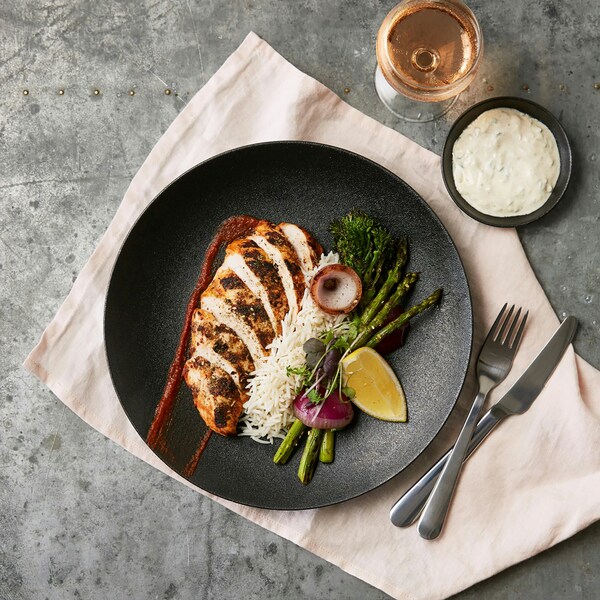
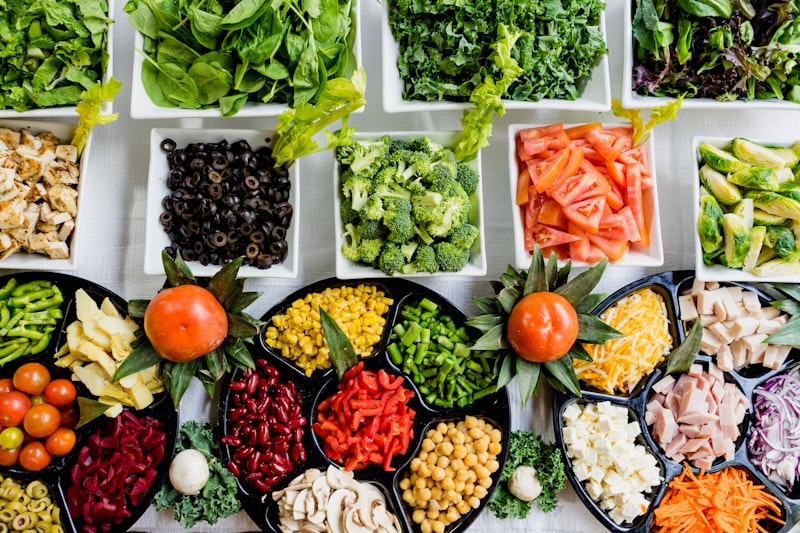
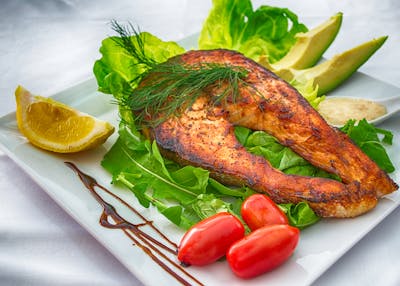
Mediterranean meal with fresh vegetables, olive oil, and fish
#1
Rated Diet

What is the Mediterranean Diet?

The Mediterranean diet is inspired by the traditional eating habits of Greece, Italy, and Spain, emphasizing whole foods, healthy fats, and plant-based ingredients. This Mediterranean meal plan is built around extra-virgin olive oil, fresh seafood, vegetables, and whole grains — a combination consistently linked to heart health, reduced inflammation, and longevity. Decades of research make it the most evidence-backed eating pattern for long-term wellness.

Olive Oil & Fish

Heart-healthy fats from extra-virgin olive oil and omega-3-rich seafood.

Fresh Produce

Abundant vegetables, fruits, and herbs at every meal for maximum nutrients.

Whole Grains

Bulgur, whole-grain bread, and legumes for sustained energy and fiber.

Mediterranean Diet Food List

The Mediterranean diet focuses on olive oil, fish, vegetables, whole grains, nuts, and legumes — inspired by the traditional eating patterns of Greece, Italy, and Spain. It emphasizes food quality over calorie counting for lasting health.

Food Group Key Foods Frequency
Olive OilExtra-virgin olive oil for cooking & dressingDaily
VegetablesTomatoes, peppers, spinach, eggplant, zucchiniDaily
FruitsFigs, grapes, oranges, berries, pomegranateDaily
Whole GrainsBulgur, farro, whole-wheat bread, brown riceDaily
Herbs & SpicesOregano, basil, garlic, rosemary, cuminDaily
Nuts & SeedsAlmonds, walnuts, pine nuts, sesame seedsDaily (handful)
Fish & SeafoodSalmon, sardines, shrimp, mackerel, tuna2–3x / week
LegumesLentils, chickpeas, cannellini beans, fava beans2–3x / week
PoultryChicken, turkey — grilled, roasted, or braised2–3x / week
DairyGreek yogurt, feta, halloumi, aged cheeseModerate
Red Wine (optional)Dry red wine in small amounts with mealsModerate (1 glass)

Sample 7-Day Menu

Taste the Mediterranean lifestyle with these balanced meals.

Days 1 2 3 4 5 6 7
Meals Breakfast: Tomato Toast & Feta
Lunch: Greek Chickpea Salad
Dinner: Baked Salmon & Bulgur
Breakfast: Greek Yogurt Bowl
Lunch: Lentil Soup & Bread
Dinner: Chicken Souvlaki & Rice
Breakfast: Veggie Omelet
Lunch: Tuna Pasta Salad
Dinner: Baked Cod & Potatoes
Breakfast: Shakshuka
Lunch: Grilled Sardines & Farro
Dinner: Lamb & Eggplant Bake
Breakfast: Fig & Ricotta Toast
Lunch: White Bean & Kale Soup
Dinner: Shrimp & Orzo
Breakfast: Avocado & Egg Flatbread
Lunch: Stuffed Peppers
Dinner: Grilled Sea Bass & Salad
Breakfast: Almond & Orange Porridge
Lunch: Spanakopita Salad
Dinner: Chicken & Artichoke Stew
Daily Totals Calories: 1,660
Protein: 84g
Carbs: 178g
Fat: 70g
Calories: 1,600
Protein: 98g
Carbs: 182g
Fat: 56g
Calories: 1,540
Protein: 100g
Carbs: 154g
Fat: 58g
Calories: 1,640
Protein: 98g
Carbs: 150g
Fat: 70g
Calories: 1,560
Protein: 80g
Carbs: 186g
Fat: 56g
Calories: 1,620
Protein: 84g
Carbs: 164g
Fat: 68g
Calories: 1,600
Protein: 84g
Carbs: 162g
Fat: 68g

Day 1

Daily totals: 1,660 calories, 70g fat, 84g protein, 178g carbs

Breakfast (420 calories)

Tomato Toast & Feta

Whole‑grain toast rubbed with tomato + olive oil; crumble of feta; fruit.

Lunch (560 calories)

Greek Chickpea Salad

Chickpeas, tomato, cucumber, olives, red onion, feta; olive oil & lemon.

Dinner (680 calories)

Baked Salmon & Bulgur

Oven salmon with herbs; bulgur; arugula salad with olive oil & lemon.

To make it 1,500 calories: Skip the feta at breakfast and use 1 tsp olive oil instead of a full drizzle on the chickpea salad.

To make it 2,000 calories: Add 1/4 avocado to the chickpea salad and a small handful of walnuts after dinner.

Meal-Prep Tip

Cook a double batch of bulgur tonight — use leftovers for tomorrow's side dish.

Day 2

Daily totals: 1,600 calories, 56g fat, 98g protein, 182g carbs

Breakfast (440 calories)

Greek Yogurt Bowl

Greek yogurt, seasonal fruit, walnuts; drizzle of olive oil or honey.

Lunch (520 calories)

Lentil Soup & Bread

Tomato‑lentil soup with carrots & celery; slice of whole‑grain bread; side salad.

Dinner (640 calories)

Chicken Souvlaki & Rice

Grilled chicken skewers; small portion of rice; tzatziki; tomato‑cucumber salad.

To make it 1,500 calories: Use half the walnuts in the yogurt bowl and skip the bread with the lentil soup.

To make it 2,000 calories: Add a tablespoon of olive oil to the soup and increase the rice portion at dinner by half.

Meal-Prep Tip

Make extra lentil soup today — it stores well and reheats for a quick lunch later this week.

Day 3

Daily totals: 1,540 calories, 58g fat, 100g protein, 154g carbs

Breakfast (400 calories)

Veggie Omelet

Olive‑oil omelet with tomato, onion and spinach; slice of whole‑grain bread.

Lunch (580 calories)

Tuna Pasta Salad

Whole‑grain pasta with tuna, olives, cherry tomatoes, capers; olive oil & lemon.

Dinner (560 calories)

Baked Cod & Potatoes

Baked cod with herbs; roasted baby potatoes; mixed greens with olive oil.

To make it 1,500 calories: Use 2 eggs instead of 3 in the omelet and halve the pasta portion at lunch.

To make it 2,000 calories: Add a slice of whole-grain bread with olive oil at breakfast and extra olives to the pasta salad.

Meal-Prep Tip

Boil extra potatoes for dinner — roasted leftovers make a fast side for tomorrow's lunch.

This is just a sample

Want this plan customized for you?

Get a meal plan tailored to your calories, food preferences, allergies, and schedule — with a full grocery list and step-by-step recipes.

Create My Custom Plan

Day 4

Daily totals: 1,640 calories, 70g fat, 98g protein, 150g carbs

Breakfast (440 calories)

Shakshuka

Two eggs poached in spiced tomato sauce with peppers and onion; crusty whole‑grain bread.

Lunch (560 calories)

Grilled Sardines & Farro

Grilled sardines with farro, roasted red peppers, capers, and a lemon‑herb dressing.

Dinner (640 calories)

Lamb & Eggplant Bake

Slow-roasted lamb with eggplant, tomatoes, garlic, and a side of bulgur.

To make it 1,500 calories: Use 1 egg instead of 2 in the shakshuka and reduce the farro portion at lunch.

To make it 2,000 calories: Add crusty bread with olive oil alongside the shakshuka and a yogurt side with dinner.

Meal-Prep Tip

Prep the lamb and eggplant bake in the morning — it slow-roasts while you handle the rest of the day.

Day 5

Daily totals: 1,560 calories, 56g fat, 80g protein, 186g carbs

Breakfast (420 calories)

Fig & Ricotta Toast

Whole‑grain toast with ricotta, sliced fresh figs, walnuts, and honey drizzle.

Lunch (520 calories)

White Bean & Kale Soup

Cannellini bean soup with kale, garlic, and olive oil; slice of rustic bread.

Dinner (620 calories)

Shrimp & Orzo

Sautéed shrimp with orzo, cherry tomatoes, spinach, feta, and olive oil.

To make it 1,500 calories: Skip the honey and walnuts on the ricotta toast and reduce the orzo portion at dinner.

To make it 2,000 calories: Add a handful of almonds as an afternoon snack and an extra drizzle of olive oil on the orzo.

Meal-Prep Tip

Double the white bean soup and freeze half — it's a ready-made lunch for next week.

Day 6

Daily totals: 1,620 calories, 68g fat, 84g protein, 164g carbs

Breakfast (460 calories)

Avocado & Egg Flatbread

Whole‑wheat flatbread with smashed avocado, a fried egg, za'atar, and tomato.

Lunch (540 calories)

Stuffed Peppers

Bell peppers stuffed with brown rice, lentils, pine nuts, and herbs; olive oil drizzle.

Dinner (620 calories)

Grilled Sea Bass & Salad

Grilled sea bass with a fennel‑orange salad, olives, and crusty bread.

To make it 1,500 calories: Use half the avocado at breakfast and skip the pine nuts in the stuffed peppers.

To make it 2,000 calories: Add a second egg to the flatbread and a slice of crusty bread with the sea bass.

Meal-Prep Tip

Stuff the peppers the night before and refrigerate — just bake at lunch time for a hands-off meal.

Day 7

Daily totals: 1,600 calories, 68g fat, 84g protein, 162g carbs

Breakfast (440 calories)

Almond & Orange Porridge

Oat porridge with almond butter, fresh orange segments, and a pinch of cinnamon.

Lunch (500 calories)

Spanakopita Salad

Spinach, feta, dill, and crispy filo pieces over mixed greens; olive oil & lemon.

Dinner (660 calories)

Chicken & Artichoke Stew

Braised chicken thighs with artichoke hearts, olives, tomatoes; served over couscous.

To make it 1,500 calories: Use 1/2 tbsp almond butter in the porridge and skip the crispy filo pieces on the salad.

To make it 2,000 calories: Add a tablespoon of honey to the porridge and serve extra couscous with the stew.

Meal-Prep Tip

Shred extra chicken for the stew tonight — use leftovers for tomorrow's salad or wrap.

Shopping List

Mediterranean Diet Weekly Grocery List

Stock your kitchen with these whole foods for the full 7-day Mediterranean meal plan.

🐟 Proteins

  • Salmon fillets (2)
  • Chicken breast (500g)
  • Chicken thighs (400g)
  • Canned tuna (2 cans)
  • Cod fillets (2)
  • Sardines (1 pack)
  • Shrimp (300g)
  • Sea bass fillets (2)
  • Lamb shoulder (300g)
  • Eggs (1 dozen)

🥬 Vegetables

  • Tomatoes (1 kg)
  • Cherry tomatoes (2 punnets)
  • Spinach (2 bags)
  • Bell peppers (6, mixed colors)
  • Cucumber (2)
  • Red onions (4)
  • Eggplant (2)
  • Kale (1 bunch)
  • Artichoke hearts (1 jar)
  • Fennel bulb (1)
  • Arugula (1 bag)
  • Carrots (4)

🍊 Fruits

  • Oranges (4)
  • Fresh figs (1 punnet)
  • Lemons (6)
  • Avocado (1)
  • Mixed berries (1 punnet)
  • Grapes (1 bunch)
  • Pomegranate (1)
  • Seasonal fruit for yogurt bowls

🌾 Grains & Legumes

  • Whole-grain bread (2 loaves)
  • Bulgur (500g)
  • Brown rice (500g)
  • Whole-wheat pasta (500g)
  • Orzo (300g)
  • Couscous (300g)
  • Rolled oats (500g)
  • Dried lentils (500g)
  • Canned chickpeas (2 cans)
  • Cannellini beans (1 can)
  • Whole-wheat flatbread (1 pack)

🧀 Dairy

  • Greek yogurt (500g)
  • Feta cheese (200g)
  • Ricotta (150g)
  • Halloumi (1 pack)
  • Aged cheese for grating (100g)

🫒 Pantry Staples

  • Extra-virgin olive oil (750ml)
  • Kalamata olives (1 jar)
  • Capers (1 jar)
  • Pine nuts (100g)
  • Walnuts (150g)
  • Almonds (150g)
  • Almond butter (1 jar)
  • Honey (1 jar)
  • Dried oregano
  • Za'atar
  • Garlic (2 heads)
  • Ground cumin & cinnamon
Get Your Personalized Grocery List

or

Perfect For

Who Is the Mediterranean Diet For?

The most researched diet in the world — backed by decades of evidence for heart health and longevity.

❤️

Heart Health

Clinically proven to reduce heart disease risk, lower cholesterol, and improve blood pressure.

🧓

Healthy Aging

Associated with longer lifespan, lower dementia risk, and better mobility in older adults.

🍷

Food Lovers

Enjoy real bread, pasta, wine in moderation, and rich flavors — this diet never feels like deprivation.

👨‍👩‍👧

Families

Whole-food cooking that everyone can enjoy. No special ingredients — just real meals around the table.

What to Eat & What to Limit

The Mediterranean approach emphasizes abundance of plants and healthy fats, not restriction.

Eat Daily

  • Extra virgin olive oil — the primary fat source for cooking and dressing
  • Vegetables and legumes — tomatoes, peppers, eggplant, lentils, chickpeas
  • Whole grains — whole-wheat bread, bulgur, farro, brown rice
  • Fresh fruits — figs, grapes, oranges, pomegranate, berries
  • Fish and seafood — salmon, sardines, shrimp, mussels (2-3x per week)
  • Herbs and spices — oregano, basil, garlic, turmeric, cumin

Limit or Avoid

  • Processed meats — hot dogs, sausages, deli meats with nitrates
  • Refined sugars — candy, pastries, sweetened drinks
  • Refined grains — white bread, white pasta, sugary cereals
  • Seed and vegetable oils — canola, soybean, corn oil
  • Fast food and ultra-processed snacks — chips, cookies, frozen meals
  • Excess red meat — limit to a few times per month

How the Mediterranean Diet Works

Not a strict diet — a lifestyle built on whole foods, olive oil, and shared meals.

1

Olive Oil as Base

Replace butter and seed oils with extra virgin olive oil for cooking and dressing.

2

Fish Twice a Week

Salmon, sardines, or mackerel for omega-3 fatty acids and heart health.

3

Plants at Every Meal

Vegetables, legumes, fruits, and whole grains form the foundation of every plate.

4

Red Meat Rarely

Limit red meat to a few times per month. Poultry and fish fill the protein role.

Want this plan personalized for you?

Get a custom 7-day meal plan with grocery list, macro tracking, and 600+ recipes.

Try AI Meal Planner

Mediterranean Diet FAQ

What is a Mediterranean meal plan?

A Mediterranean meal plan emphasizes olive oil, fish, vegetables, fruits, whole grains, legumes, nuts, and moderate wine. It limits red meat, processed foods, and added sugars. It's based on traditional eating patterns of Greece, Italy, and Spain — consistently rated the healthiest diet worldwide.

Is Mediterranean diet good for weight loss?

Yes, Mediterranean diet supports sustainable weight loss through high fiber, healthy fats, and satiating proteins. It's not about calorie counting but food quality. Studies show it's effective for long-term weight management and reduces belly fat. It's easier to stick with than restrictive diets.

Keto vs Mediterranean — which is better?

Keto offers faster initial weight loss; Mediterranean is more sustainable long-term. Mediterranean has stronger evidence for heart health and longevity. Keto is stricter and harder to maintain. For most people, Mediterranean is easier to follow and provides similar long-term results with more flexibility.

What foods can you eat on Mediterranean diet?

Daily: vegetables, fruits, whole grains, olive oil, nuts. Weekly: fish, poultry, eggs, legumes, cheese. Occasionally: red meat. Always: herbs and spices. Avoid: processed foods, refined grains, added sugars, trans fats. Moderate red wine is optional.

How to start Mediterranean diet for beginners?

Switch to olive oil for cooking. Eat fish 2-3 times weekly. Add vegetables to every meal. Choose whole grains over refined. Snack on nuts instead of chips. Reduce red meat to once weekly. Start with simple Greek or Italian recipes. It's about gradual changes, not perfection.

What are the health benefits of the Mediterranean diet?

The Mediterranean diet is linked to reduced risk of heart disease, stroke, type 2 diabetes, and certain cancers. Its emphasis on healthy fats, fiber, and antioxidants supports brain health, gut function, and healthy aging. Multiple large-scale studies associate it with lower all-cause mortality and improved quality of life in older adults.

Is the Mediterranean diet anti-inflammatory?

Yes, the Mediterranean diet is considered one of the most effective anti-inflammatory eating patterns. Olive oil, fatty fish, nuts, and colorful vegetables provide polyphenols and omega-3 fatty acids that lower inflammatory markers like C-reactive protein. Chronic inflammation is a root driver of heart disease, arthritis, and metabolic syndrome — all conditions the Mediterranean diet helps mitigate.

Can you eat bread on the Mediterranean diet?

Absolutely — bread is a staple of the traditional Mediterranean diet, especially whole-grain, sourdough, and rustic varieties. The key is choosing minimally processed breads made from whole wheat, farro, or spelt rather than refined white flour. In Mediterranean countries, bread is typically enjoyed with olive oil rather than butter.

What does a typical Mediterranean breakfast look like?

A Mediterranean breakfast often includes whole-grain bread with olive oil and tomato, Greek yogurt with fresh fruit and nuts, or eggs prepared with vegetables like spinach and peppers. It focuses on whole foods rather than sugary cereals or pastries. Many Mediterranean cultures also enjoy olives, cheese, and fresh fruit in the morning.

How much olive oil per day on Mediterranean diet?

Most Mediterranean diet guidelines recommend 2–4 tablespoons (30–60 ml) of extra-virgin olive oil per day. The landmark PREDIMED study used about 4 tablespoons daily and found significant cardiovascular benefits. Use it for cooking, salad dressings, drizzling over vegetables, and as a replacement for butter and other oils.

Is Mediterranean diet good for diabetes?

Research consistently shows the Mediterranean diet helps prevent and manage type 2 diabetes. Its emphasis on whole grains, legumes, healthy fats, and fiber-rich vegetables promotes steady blood sugar levels and improved insulin sensitivity. Several clinical trials have found it outperforms low-fat diets for glycemic control and reduces diabetes risk by up to 30%.

What is the Mediterranean diet pyramid?

The Mediterranean diet pyramid is a visual guide showing how often to eat each food group. At the base are daily staples: vegetables, fruits, whole grains, olive oil, nuts, and legumes. The middle tier includes fish and seafood (2–3 times per week), poultry and eggs (moderate), and dairy like yogurt and cheese. The top — eaten least often — includes red meat and sweets.

Start eating the Mediterranean way

Get your personalized Mediterranean meal plan with recipes, macros, and a grocery list tailored to you.

Get My Plan Now

Built with AI Meal Planner — free personalized meal plans for any diet.