

This 7-day diabetic meal plan uses low-glycemic foods and balanced carbs to keep blood sugar stable. Each meal follows the plate method with proper portions, lean protein, and fiber-rich vegetables.
Best Foods for Diabetics
Managing blood sugar starts with choosing foods that have a low glycemic index, are rich in fiber, and provide lean protein and healthy fats. These foods slow glucose absorption, prevent spikes, and improve insulin sensitivity over time.
| Food | Glycemic Index | Fiber | Why It Helps |
|---|---|---|---|
| Lentils | Low (29) | 8g per 1/2 cup | Slow-release carbs with plant protein prevent spikes |
| Oats (steel-cut) | Low (55) | 4g per serving | Beta-glucan fiber slows glucose absorption |
| Non-starchy vegetables | Very Low (15) | 2-4g per cup | Minimal carb impact with high nutrient density |
| Greek yogurt (plain) | Low (11) | 0g | High protein slows sugar absorption, no added sugar |
| Salmon | Zero (0) | 0g | Omega-3 fatty acids improve insulin sensitivity |
| Almonds | Very Low (0) | 3.5g per oz | Healthy fats and protein stabilize blood sugar |
| Berries | Low (25-40) | 4g per cup | Lowest-sugar fruits with fiber and antioxidants |
| Quinoa | Low (53) | 5g per cup | Complete protein with slower carb absorption |
| Sweet potato | Medium (63) | 4g per medium | Lower GI than white potatoes with more fiber |
| Eggs | Zero (0) | 0g | Zero carb impact with 6g protein per egg |
| Avocado | Very Low (15) | 10g per avocado | Healthy fats slow digestion and blood sugar rise |
| Cinnamon | N/A | N/A | Shown to improve insulin sensitivity by up to 20% |
Diabetic Diet FAQ
What is a diabetic meal plan?
A diabetic meal plan focuses on controlling blood sugar through balanced carbohydrates, fiber-rich foods, lean proteins, and healthy fats. It emphasizes low glycemic index foods, proper portion sizes, and consistent meal timing to prevent blood sugar spikes.
How many carbs should a diabetic eat per day?
Most diabetics aim for 45-60g carbs per meal and 15-20g per snack, totaling 135-230g daily. However, this varies by individual. Low-carb approaches (under 130g daily) often provide better blood sugar control. Always consult your doctor or dietitian.
What foods should diabetics avoid?
Avoid or limit: sugary drinks (soda, juice), white bread and pasta, candy and sweets, fried foods, processed snacks, sweetened cereals. Watch for hidden sugars in sauces, dressings, and 'low-fat' products.
Best foods for diabetics to eat?
Best choices: non-starchy vegetables, leafy greens, lean proteins (chicken, fish, eggs), legumes, whole grains (quinoa, oats), nuts and seeds, berries, Greek yogurt. These have low glycemic impact and provide sustained energy.
Can diabetics lose weight safely?
Yes, weight loss often improves blood sugar control. Focus on balanced meals, not extreme diets. Even 5-10% weight loss can significantly improve insulin sensitivity. Work with your healthcare team to adjust medications as you lose weight.
Free Tools for This Plan
Browse Recipes
Related Meal Plans
Blood sugar-friendly and metabolic health plans.
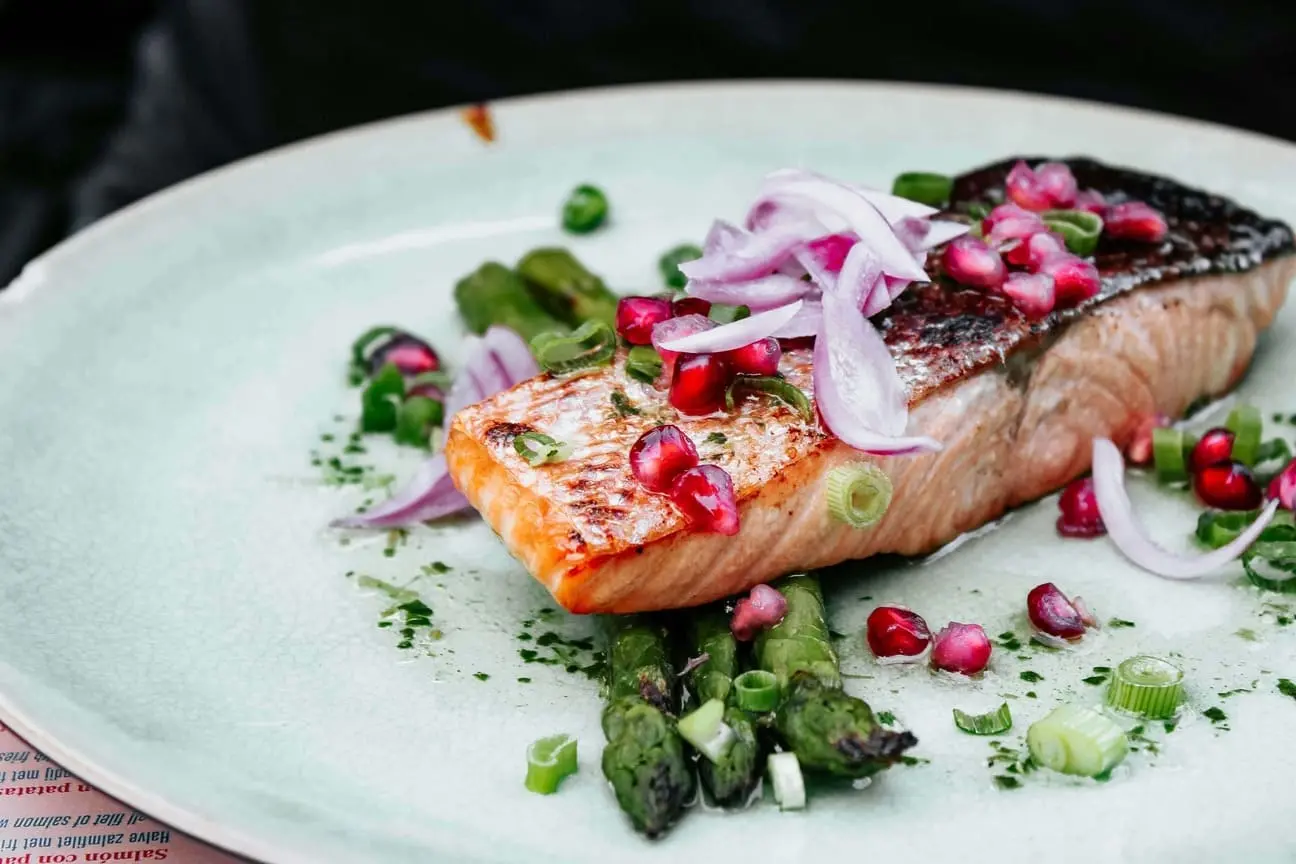
Low-Carb Meal Plan
Fewer carbs means fewer blood sugar spikes — a natural fit for diabetics.
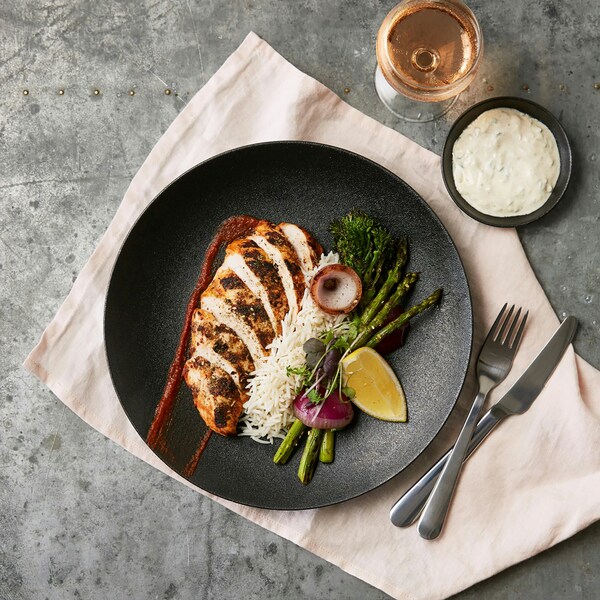
DASH Meal Plan
Many diabetics also have hypertension — DASH addresses both.
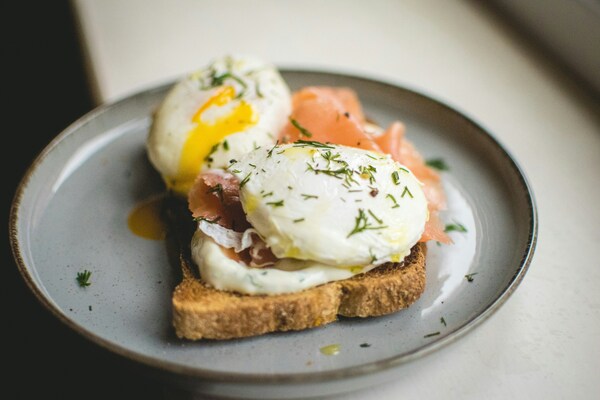
PCOS Meal Plan
Insulin resistance drives both PCOS and diabetes — similar dietary approach.
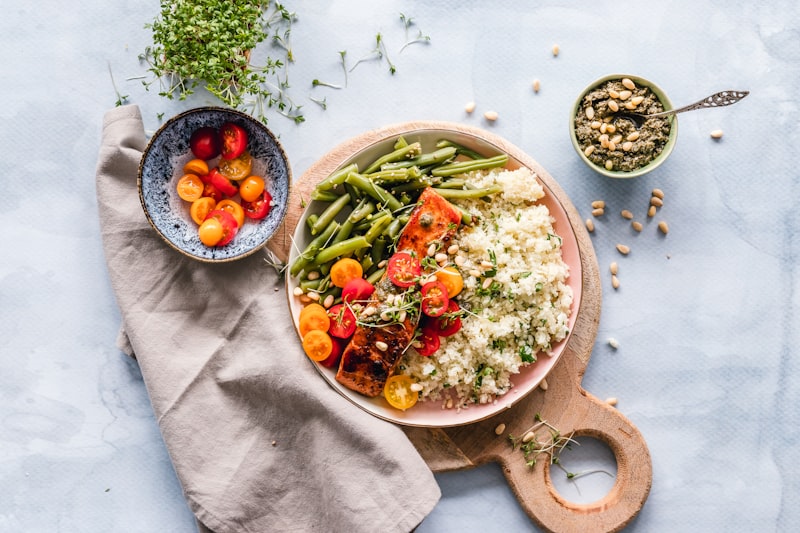
Gestational Diabetes
Blood sugar management during pregnancy with careful carb counting.

Mediterranean Meal Plan
Proven to improve insulin sensitivity and reduce diabetes risk.

1,500 Calorie Meal Plan
Weight loss through calorie control helps improve blood sugar levels.
Ready to take control of your blood sugar?
Get your personalized diabetic meal plan with blood-sugar-friendly recipes and balanced portions.
Get My Diabetic Plan