
Cottage Cheese Nutrition Facts
See cottage cheese calories, protein, carbs, fat, macros per 100g and serving sizes. Add cottage cheese to your AI meal plan.
Nutrition Facts & Macros
Calories per gram: Fat 9 · Carbohydrate 4 · Protein 4
Macronutrient Profile
Source: USDA FoodData Central.
Cottage Cheese FAQ
Is cottage cheese good for weight loss?
Yes — cottage cheese is a weight loss powerhouse. Low-fat cottage cheese has only 72 calories per 100 g with 12 g of protein. Its casein protein digests slowly, keeping you full for hours.
Is cottage cheese high in protein?
Yes. Cottage cheese provides about 11-12 g of protein per 100 g. It's primarily casein protein, which provides a slow, sustained release of amino acids — ideal before bed.
How many calories are in cottage cheese?
Low-fat (1%) cottage cheese has about 72 calories per 100 g. Full-fat (4%) has about 98 calories. Non-fat has about 63 calories. A 1/2 cup serving is roughly 90-120 calories.
Is cottage cheese good before bed?
Yes. Cottage cheese is one of the best bedtime snacks. Its casein protein digests slowly over 6-8 hours, providing amino acids for overnight muscle recovery without storing fat.
Is cottage cheese keto-friendly?
Yes, in moderation. Full-fat cottage cheese has about 3.4 g of carbs per 100 g. Pair with nuts or avocado for a satisfying keto snack. Watch portion size on strict keto.
Is cottage cheese good for building muscle?
Excellent. The combination of casein (slow-absorbing) and whey (fast-absorbing) protein in cottage cheese makes it one of the best dairy foods for muscle growth and recovery.
What can I mix with cottage cheese?
Fruit and honey for sweet, or tomatoes, cucumber, and herbs for savory. Also great with peanut butter, granola, in smoothies, as a toast topping, or as a sour cream substitute in recipes.
Does cottage cheese have probiotics?
Some cottage cheese brands contain live cultures (probiotics), but not all. Check the label for "live and active cultures" if probiotic benefits are important to you.
Low-fat vs full-fat cottage cheese?
Low-fat has fewer calories and more protein per calorie — better for weight loss. Full-fat is more satiating, has fat-soluble vitamins, and fits keto. Both are nutritious.
How much sodium is in cottage cheese?
Cottage cheese is relatively high in sodium — about 364 mg per 100 g. If watching sodium, look for low-sodium varieties or rinse the curds to reduce sodium by up to 60%.
Can I eat cottage cheese every day?
Yes. Daily cottage cheese consumption is safe and provides consistent protein, calcium, and B vitamins. It's a convenient, high-protein food that requires zero preparation.
Is cottage cheese lactose-free?
No, but cottage cheese has less lactose than milk. Many lactose-intolerant people can tolerate small portions. Some brands also offer lactose-free cottage cheese varieties.
Best Diets for Cottage Cheese
Meal Ideas with Cottage Cheese
Add Cottage Cheese to Your Custom Meal Plan
Tell us your goals and preferences — our AI creates a personalized meal plan with recipes and a grocery list.
Get My Personalized Meal Plan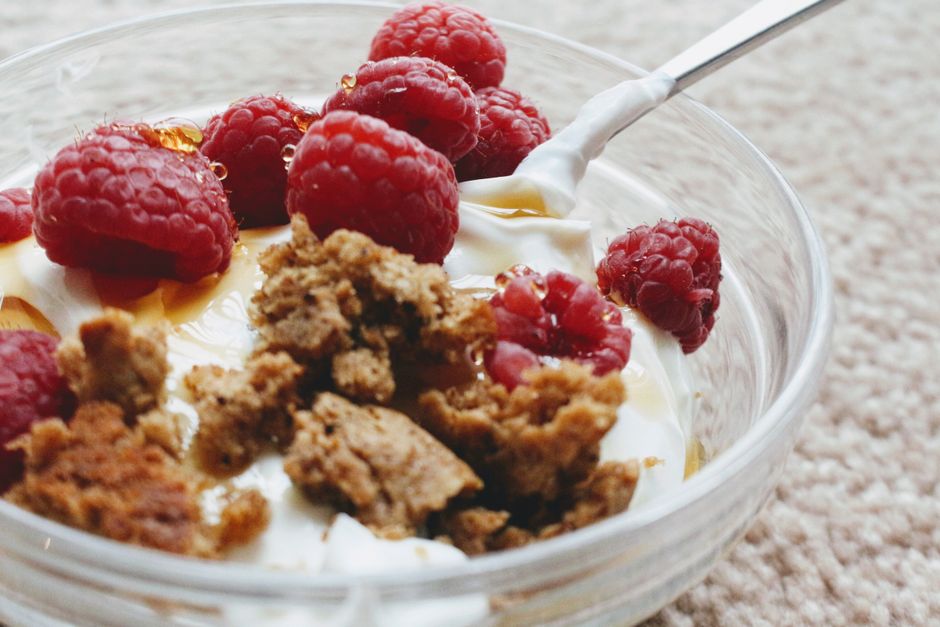 Greek Yogurt
 Egg
Egg
 Chicken Breast
 Tofu
Tofu
 Almonds