
A simple 7-day plant-based diet meal plan with whole-food vegan recipes, complete protein combinations, and a full grocery list. Perfect for beginners transitioning to plant-based eating without nutrient gaps.
Best Vegan Protein Sources
Getting complete protein on a vegan diet is simple when you combine legumes, grains, soy, and seeds throughout the day. Soy-based foods like tofu, tempeh, and edamame are complete proteins on their own, while pairing rice with beans or hummus with whole-grain pita covers all essential amino acids.
| Food | Serving | Protein | Calories | Complete Protein? |
|---|---|---|---|---|
| Seitan | 3 oz (85 g) | 21 g | 120 | No (low in lysine) |
| Lentils (cooked) | 1 cup (198 g) | 18 g | 230 | No (pair with grains) |
| Edamame | 1 cup (155 g) | 18 g | 188 | Yes |
| Tempeh | 3 oz (85 g) | 16 g | 162 | Yes |
| Chickpeas (cooked) | 1 cup (164 g) | 15 g | 269 | No (pair with grains) |
| Black Beans (cooked) | 1 cup (172 g) | 15 g | 227 | No (pair with grains) |
| Tofu (firm) | 1/2 cup (126 g) | 10 g | 88 | Yes |
| Hemp Seeds | 3 tbsp (30 g) | 10 g | 166 | Yes |
| Quinoa (cooked) | 1 cup (185 g) | 8 g | 222 | Yes |
| Nutritional Yeast | 2 tbsp (16 g) | 8 g | 45 | Yes |
| Peanut Butter | 2 tbsp (32 g) | 7 g | 188 | No (low in methionine) |
| Oats | 1/2 cup dry (40 g) | 5 g | 150 | No (pair with soy milk) |
Vegan Diet FAQ
How to start a vegan meal plan for beginners?
Start by replacing one meal a day with vegan options. Stock up on legumes, tofu, tempeh, whole grains, nuts, and plenty of vegetables. Learn 5-10 simple recipes. Use fortified plant milks for calcium. Take B12 supplement. Gradually phase out animal products over 2-4 weeks.
How do vegans get enough protein?
Combine various plant proteins: legumes (lentils, chickpeas, beans), tofu and tempeh, seitan, quinoa, nuts and seeds, and whole grains. Aim for 0.8-1g protein per kg body weight. Eating variety throughout the day provides all essential amino acids.
Can you lose weight on a vegan diet?
Yes, vegan diets are often effective for weight loss due to high fiber, lower calorie density, and fewer processed foods. Focus on whole foods, not vegan junk food. Watch portions of nuts, oils, and avocados which are calorie-dense. Many people naturally eat less on a whole-food vegan diet.
What supplements do vegans need?
Essential: B12 (2500mcg weekly or 250mcg daily). Recommended: Vitamin D (especially in winter), Omega-3 (algae-based EPA/DHA). Consider: Iron and zinc if not eating enough legumes and whole grains. Iodine if not using iodized salt. Get blood work done annually.
Is vegan diet healthy long term?
Yes, well-planned vegan diets are nutritionally adequate for all life stages according to major dietetic associations. Benefits include lower risk of heart disease, type 2 diabetes, and certain cancers. Key is eating varied whole foods and supplementing B12.
What do vegans eat for breakfast?
Popular vegan breakfasts include tofu scrambles with vegetables and nutritional yeast, overnight oats with plant milk and chia seeds, smoothie bowls topped with granola and fruit, and peanut butter banana toast. Savory options like chickpea flour pancakes and avocado toast with white beans are also filling and protein-rich.
How to get iron on a vegan diet?
Plant-based iron (non-heme) is found in lentils, chickpeas, tofu, spinach, quinoa, fortified cereals, and pumpkin seeds. Pair iron-rich foods with vitamin C sources like citrus, bell peppers, or tomatoes to boost absorption by up to 300%. Avoid drinking tea or coffee with meals, as tannins can inhibit iron uptake.
Is vegan diet good for gut health?
Yes, vegan diets are typically excellent for gut health because they are naturally high in dietary fiber from vegetables, legumes, whole grains, and fruits. This fiber feeds beneficial gut bacteria and promotes a diverse microbiome. Studies show that people eating plant-based diets tend to have higher levels of short-chain fatty acids, which protect the gut lining and reduce inflammation.
What is the cheapest vegan protein source?
Dried lentils and beans are by far the cheapest vegan protein sources, costing as little as $0.10-0.20 per serving while delivering 15-18g of protein per cooked cup. Peanut butter, canned chickpeas, and textured vegetable protein (TVP) are also extremely budget-friendly. Buying these staples in bulk makes a vegan diet one of the most affordable ways to eat.
Can you build muscle on a vegan diet?
Absolutely. Many elite athletes build and maintain muscle on a vegan diet by consuming adequate protein from sources like tofu, tempeh, seitan, lentils, and legumes. Aim for 1.6-2.2g protein per kg of body weight, spread across 4-5 meals. Combining complementary proteins throughout the day ensures you get all essential amino acids for muscle synthesis.
What is the difference between vegan and plant-based?
A vegan diet strictly excludes all animal products for ethical, environmental, or health reasons, including meat, dairy, eggs, and honey. A plant-based diet focuses primarily on whole plant foods but may occasionally include small amounts of animal products. Veganism is also a broader lifestyle that extends beyond food to avoid animal-derived clothing, cosmetics, and other products.
How to get enough calcium on a vegan diet?
Great vegan calcium sources include fortified plant milks and juices (300mg per cup), calcium-set tofu (up to 350mg per half cup), kale, broccoli, bok choy, and almonds. Aim for 1,000mg daily by including 2-3 servings of fortified foods plus calcium-rich greens. Vitamin D helps your body absorb calcium, so ensure adequate sun exposure or supplement.
Free Tools for This Plan
Browse Recipes
Related Meal Plans
Plant-forward and whole-food plans that align with vegan values.

Balanced Meal Plan
All food groups in proper portions — works well adapted for plant-based eating.
Gluten-Free Meal Plan
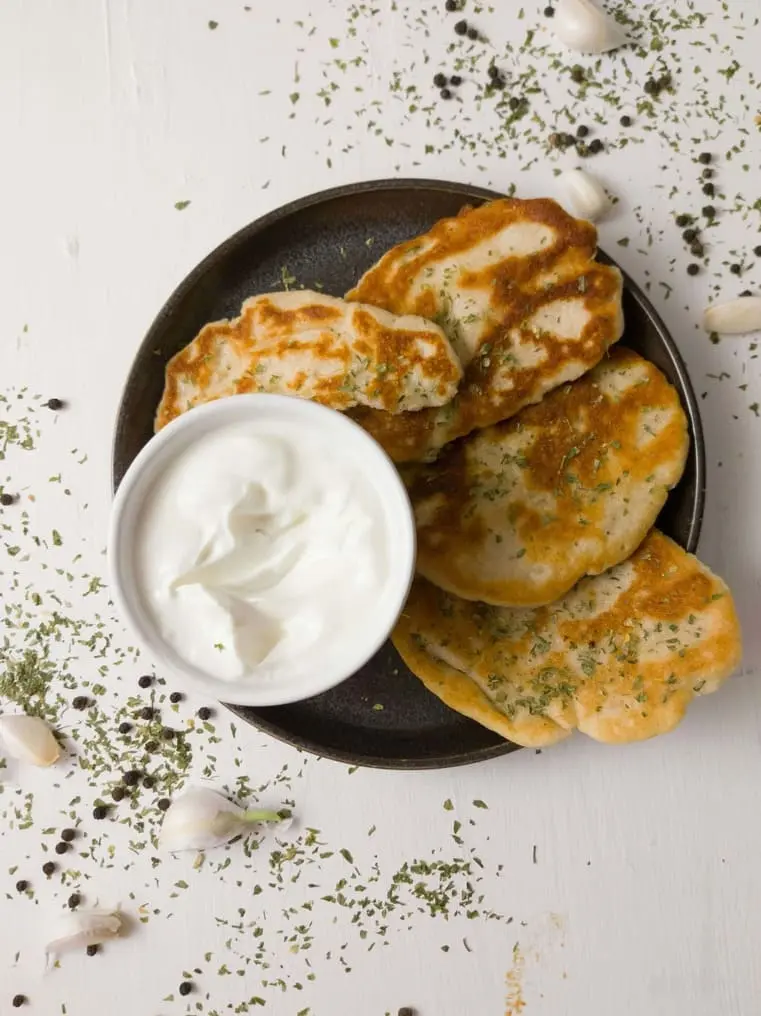
Combine vegan with gluten-free for a double-elimination approach.
DASH Meal Plan
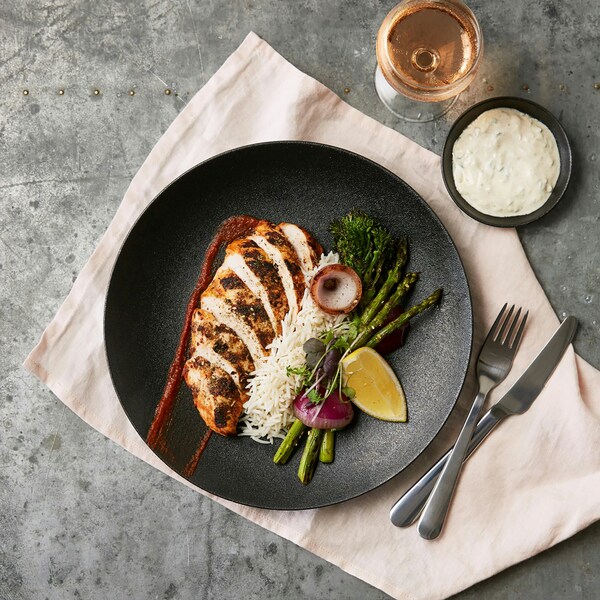
Heart-healthy eating with lots of vegetables, fruits, and whole grains.
High-Protein Meal Plan
Learn to hit protein targets with plant sources like tofu, tempeh, and legumes.
Ready to go plant‑based?
Get your personalized vegan meal plan with complete nutrition, delicious recipes, and a smart grocery list.
Create my own