AI Meal Planner logo AI Meal Planner
Plant-Based Power

Vegetarian Meal Plan
Complete Nutrition

Plant‑forward meals with complete proteins from eggs, dairy, and legumes. Enjoy generous fiber and practical recipes designed for your lifestyle.

Plant-Powered Protein
High in Fiber
Lower Carbon Footprint
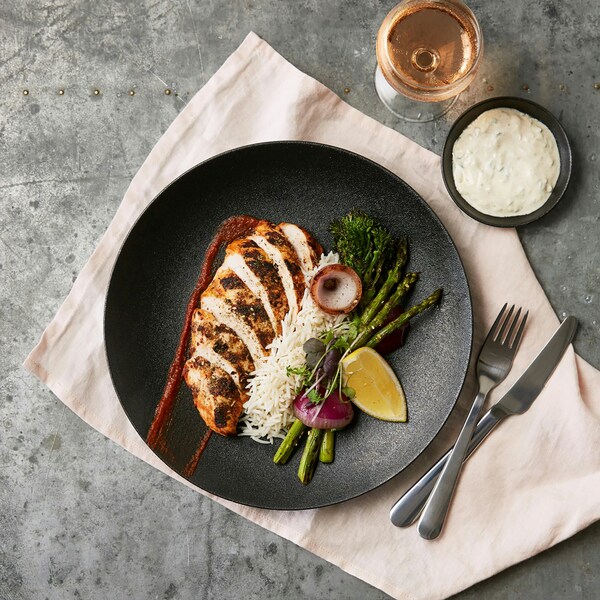
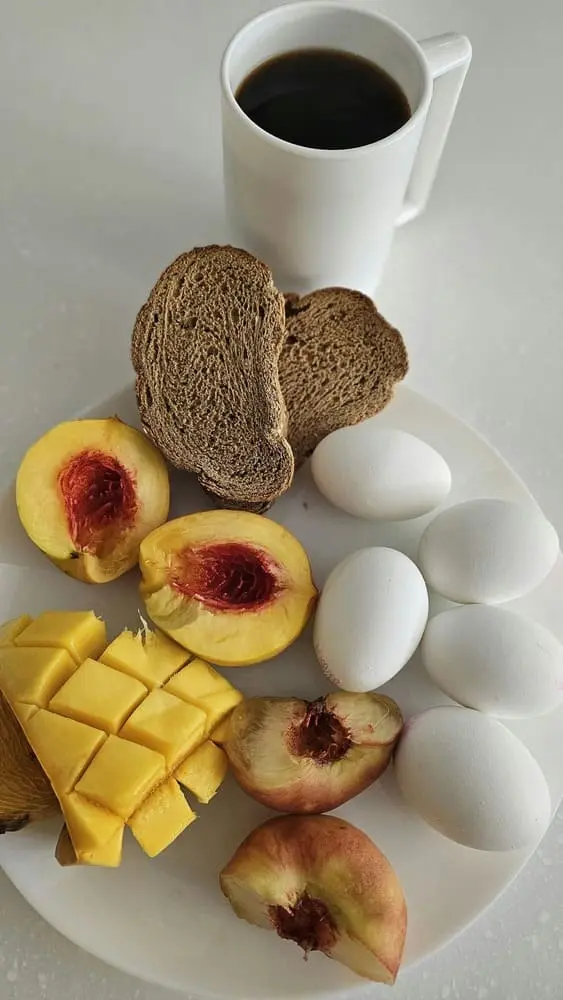
Vegetarian meal with fresh vegetables, eggs, and legumes
Plant
Powered

What is a Vegetarian Diet?

A vegetarian diet excludes meat, poultry, and fish while embracing eggs, dairy, vegetables, fruits, grains, and legumes for complete balanced nutrition. This vegetarian meal plan is designed to deliver adequate protein from sources like eggs, Greek yogurt, tofu, and cheese while supporting weight loss and long-term health benefits. With balanced macros and fiber-rich whole foods, a well-structured vegetarian meal plan makes it easy to meet all your nutritional needs without sacrificing flavor or variety.

Eggs & Dairy Included

Complete proteins from eggs, yogurt, and cheese make meeting daily needs simple.

Legume Protein

Lentils, chickpeas, and beans provide fiber-rich plant protein and iron.

Nutrient Variety

A wide range of whole foods ensures all essential vitamins and minerals.

Vegetarian Protein Sources

Meeting your daily protein needs without meat is straightforward when you include eggs, dairy, legumes, and plant-based proteins. Eggs and Greek yogurt deliver complete protein with essential B12, while combining beans with grains provides all amino acids your body requires.

Food Serving Protein Calories Key Nutrients
Cottage Cheese1 cup (226 g)28 g220Calcium, B12, Phosphorus
Greek Yogurt1 cup (245 g)20 g130Calcium, Probiotics, B12
Lentils (cooked)1 cup (198 g)18 g230Iron, Folate, Fiber
Edamame1 cup (155 g)18 g188Iron, Folate, Vitamin K
Chickpeas (cooked)1 cup (164 g)15 g269Fiber, Iron, Manganese
Black Beans (cooked)1 cup (172 g)15 g227Iron, Fiber, Magnesium
Eggs2 large (100 g)12 g143B12, Choline, Vitamin D
Tofu (firm)1/2 cup (126 g)10 g88Calcium, Iron, Manganese
Quinoa (cooked)1 cup (185 g)8 g222Iron, Magnesium, Complete Protein
Milk (2%)1 cup (244 ml)8 g122Calcium, Vitamin D, B12
Cheese (cheddar)1 oz (28 g)7 g113Calcium, B12, Phosphorus
Almonds1 oz (28 g)6 g164Vitamin E, Magnesium, Fiber

Sample 7-Day Menu

Experience how delicious and varied your vegetarian week can be.

Days 1 2 3 4 5 6 7
Meals Breakfast: Veggie Omelet
Lunch: Quinoa Chickpea Bowl
Dinner: Paneer & Veg Skillet
Breakfast: Skyr & Fruit
Lunch: Lentil Salad
Dinner: Mushroom Stroganoff
Breakfast: Protein Oatmeal
Lunch: Halloumi Salad
Dinner: Tofu Stir-fry
Breakfast: Shakshuka
Lunch: Caprese Sandwich
Dinner: Black Bean Enchiladas
Breakfast: Ricotta Toast with Figs
Lunch: Egg Fried Rice
Dinner: Eggplant Parmesan
Breakfast: Cottage Cheese & Berries
Lunch: Spinach & Feta Stuffed Pita
Dinner: Vegetable Pad Thai
Breakfast: Banana Walnut Muffin & Yogurt
Lunch: Mediterranean Grain Bowl
Dinner: Cheese & Broccoli Quiche
Daily Totals Calories: 1,880
Protein: 90g
Carbs: 238g
Fat: 65g
Calories: 1,640
Protein: 76g
Carbs: 188g
Fat: 66g
Calories: 1,620
Protein: 90g
Carbs: 152g
Fat: 76g
Calories: 1,740
Protein: 76g
Carbs: 184g
Fat: 76g
Calories: 1,620
Protein: 64g
Carbs: 188g
Fat: 70g
Calories: 1,560
Protein: 72g
Carbs: 182g
Fat: 64g
Calories: 1,680
Protein: 74g
Carbs: 178g
Fat: 78g

Day 1

Daily totals: 1,880 calories, 65g fat, 90g protein, 238g carbs

Breakfast (520 calories)

Veggie Omelet

2-3 eggs with spinach & tomatoes; slice of whole-grain toast.

Lunch (640 calories)

Quinoa Chickpea Bowl

Quinoa, chickpeas, cucumber, cherry tomatoes, feta; olive oil & lemon.

Dinner (720 calories)

Paneer & Veg Skillet

Paneer (or tofu), peppers, onion; basmati or brown rice; yogurt raita.

Day 2

Daily totals: 1,640 calories, 66g fat, 76g protein, 188g carbs

Breakfast (420 calories)

Skyr & Fruit

Skyr or Greek yogurt; apple; almonds.

Lunch (580 calories)

Lentil Salad

Cooked lentils, arugula, feta, olives; olive oil & lemon.

Dinner (640 calories)

Mushroom Stroganoff

Mushrooms in light cream sauce; whole-grain pasta or buckwheat.

Day 3

Daily totals: 1,620 calories, 76g fat, 90g protein, 152g carbs

Breakfast (480 calories)

Protein Oatmeal

Oats with milk/skyr; berries; walnuts.

Lunch (560 calories)

Halloumi Salad

Halloumi, mixed greens, cucumbers, tomatoes; olive oil & herbs.

Dinner (580 calories)

Tofu Stir-fry

Tofu, broccoli, peppers; tamari-garlic sauce; small portion of rice.

This is just a sample

Want this plan customized for you?

Get a meal plan tailored to your calories, food preferences, allergies, and schedule — with a full grocery list and step-by-step recipes.

Create My Custom Plan

Day 4

Daily totals: 1,740 calories, 76g fat, 76g protein, 184g carbs

Breakfast (480 calories)

Shakshuka

2 eggs poached in spiced tomato sauce with bell peppers and onions. Served with crusty bread for dipping.

Lunch (580 calories)

Caprese Sandwich

Fresh mozzarella, tomato, and basil on ciabatta with pesto spread. Side of mixed green salad.

Dinner (680 calories)

Black Bean Enchiladas

Corn tortillas filled with black beans, peppers, and cheese, topped with enchilada sauce and sour cream. Side of rice.

Day 5

Daily totals: 1,620 calories, 70g fat, 64g protein, 188g carbs

Breakfast (440 calories)

Ricotta Toast with Figs

Whole grain toast with ricotta cheese, sliced fresh figs, walnuts, and a drizzle of honey.

Lunch (540 calories)

Egg Fried Rice

Brown rice stir-fried with scrambled eggs, peas, carrots, scallions, and sesame oil.

Dinner (640 calories)

Eggplant Parmesan

Baked breaded eggplant slices with marinara sauce and melted mozzarella. Served with a side salad.

Day 6

Daily totals: 1,560 calories, 64g fat, 72g protein, 182g carbs

Breakfast (420 calories)

Cottage Cheese & Berries

Full-fat cottage cheese with mixed berries, pumpkin seeds, and a sprinkle of granola.

Lunch (520 calories)

Spinach & Feta Stuffed Pita

Warm whole wheat pita stuffed with wilted spinach, crumbled feta, sun-dried tomatoes, and hummus.

Dinner (620 calories)

Vegetable Pad Thai

Rice noodles with scrambled egg, bean sprouts, carrots, and peanuts in tamarind-lime sauce. Fresh cilantro and lime wedge.

Day 7

Daily totals: 1,680 calories, 78g fat, 74g protein, 178g carbs

Breakfast (460 calories)

Banana Walnut Muffin & Yogurt

Homemade whole wheat banana walnut muffin with a side of Greek yogurt and sliced kiwi.

Lunch (600 calories)

Mediterranean Grain Bowl

Farro with roasted chickpeas, cucumber, red onion, Kalamata olives, feta, and lemon-herb dressing.

Dinner (620 calories)

Cheese & Broccoli Quiche

Homemade quiche with eggs, cheddar, broccoli, and onions in a whole wheat crust. Side of roasted tomatoes.

Shopping List

Vegetarian Weekly Grocery List

All the fresh produce, eggs, dairy, and plant proteins you need for a full 7-day vegetarian meal plan.

🥚 Proteins

  • Eggs (1 dozen)
  • Firm tofu (1 block)
  • Paneer or halloumi (200g)
  • Tempeh (1 package)
  • Greek yogurt (500g)
  • Cottage cheese (500g)
  • Canned chickpeas (2 cans)
  • Dried red lentils (500g)
  • Canned black beans (2 cans)
  • Edamame, frozen (300g)

🥦 Vegetables

  • Spinach (2 bunches)
  • Broccoli (2 heads)
  • Bell peppers, mixed (4)
  • Cherry tomatoes (2 punnets)
  • Cucumber (2)
  • Mushrooms (300g)
  • Red onions (3)
  • Yellow onions (3)
  • Sweet potatoes (3)
  • Eggplant (1 large)
  • Fresh basil and cilantro
  • Mixed salad greens (200g)

🍎 Fruits

  • Bananas (4)
  • Mixed berries (300g)
  • Apples (3)
  • Lemons (4)
  • Limes (2)
  • Avocados (3)
  • Kiwi (3)
  • Fresh figs or dates (small pack)

🌾 Grains & Starches

  • Rolled oats (500g)
  • Brown rice (500g)
  • Quinoa (300g)
  • Whole-wheat pasta (500g)
  • Whole-grain bread (1 loaf)
  • Farro or barley (300g)
  • Rice noodles (200g)
  • Corn tortillas (8 pack)
  • Whole wheat pita (4 pack)

🧀 Dairy

  • Feta cheese (200g)
  • Cheddar cheese (150g)
  • Fresh mozzarella (200g)
  • Ricotta cheese (250g)
  • Parmesan wedge (100g)
  • Milk, 2% (1 liter)
  • Sour cream (200ml)
  • Butter, unsalted (250g)

🫒 Pantry Staples

  • Extra virgin olive oil
  • Sesame oil
  • Soy sauce or tamari
  • Canned diced tomatoes (2 cans)
  • Tomato paste (1 tube)
  • Peanut butter or tahini
  • Almonds and walnuts (150g each)
  • Pumpkin seeds (100g)
  • Chia or flax seeds (100g)
  • Nutritional yeast (50g)
  • Kalamata olives (jar)
  • Vegetable broth (1 liter)
Get Your Personalized Grocery List

or

Perfect For

Who Is a Vegetarian Plan For?

Flexible enough for the whole family — all the benefits of plant-forward eating without going fully vegan.

🌿

Plant-Curious Eaters

Want to eat more plants but not ready to give up eggs, cheese, or yogurt? Vegetarian is the sweet spot.

👨‍👩‍👧

Families with Kids

Familiar foods like pasta, eggs, and cheese make it easy for children to eat well without fuss.

💰

Budget-Conscious

Beans, lentils, eggs, and seasonal vegetables are some of the cheapest protein sources available.

❤️

Heart Health

Vegetarian diets are linked to lower cholesterol and blood pressure compared to meat-heavy eating.

What to Eat & What to Avoid

Build meals around plants, dairy, and eggs — skip all meat and fish.

Vegetarian Staples

  • Eggs — scrambled, boiled, poached, or in baked dishes
  • Dairy — Greek yogurt, cheese, cottage cheese, milk
  • Legumes — lentils, chickpeas, black beans, kidney beans, tofu
  • Whole grains — oats, brown rice, quinoa, whole-wheat pasta, bread
  • Vegetables — leafy greens, broccoli, peppers, sweet potatoes, mushrooms
  • Nuts and seeds — almonds, walnuts, pumpkin seeds, chia, flax

Foods to Skip

  • Red meat — beef, lamb, pork, venison
  • Poultry — chicken, turkey, duck
  • Fish and seafood — salmon, tuna, shrimp, shellfish
  • Hidden meat products — gelatin, lard, bone broth, anchovy paste
  • Processed vegetarian junk — deep-fried veggie burgers, sugary granola bars
  • Excess cheese and cream — easy to overdo; keep portions moderate

How a Vegetarian Diet Works

Remove meat and fish, keep eggs and dairy for complete nutrition.

1

Cut Meat & Fish

No beef, poultry, pork, or seafood — dairy and eggs stay.

2

Protein from Plants + Dairy

Legumes, tofu, eggs, Greek yogurt, and cheese cover your protein needs.

3

Iron & B12 Awareness

Pair iron-rich foods with vitamin C. Eggs and dairy provide B12 naturally.

4

Fill Up on Fiber

Beans, whole grains, and vegetables keep digestion smooth and hunger low.

Want this plan personalized for you?

Get a custom 7-day meal plan with grocery list, macro tracking, and 600+ recipes.

Try AI Meal Planner

Vegetarian Diet FAQ

What is a vegetarian meal plan?

A vegetarian meal plan excludes meat, poultry, and fish but includes eggs, dairy, vegetables, fruits, grains, legumes, nuts, and seeds. It provides complete nutrition through varied plant foods plus eggs and dairy for protein, B12, and calcium.

How do vegetarians get enough protein?

Eggs, Greek yogurt, cottage cheese, and dairy provide complete proteins. Plant sources include legumes (lentils, chickpeas), tofu, tempeh, quinoa, nuts, and seeds. Combining grains with legumes (rice and beans) creates complete protein. Aim for 0.8-1g per kg body weight.

Is vegetarian diet good for weight loss?

Yes, vegetarian diets are often effective for weight loss due to high fiber content, lower calorie density, and more whole foods. Key is focusing on vegetables, legumes, and whole grains while limiting cheese, processed foods, and refined carbs. Many people lose weight naturally when switching.

What's the difference between vegetarian and vegan?

Vegetarians eat eggs and dairy; vegans don't. This makes vegetarian easier to follow for protein and B12 intake. Vegetarian is often a stepping stone to vegan. Both exclude meat, but vegetarian is more flexible for eating out and social situations.

How to start a vegetarian diet for beginners?

Start with "Meatless Mondays" and gradually increase meatless days. Learn 5-10 simple vegetarian recipes. Stock up on eggs, cheese, legumes, tofu, and plenty of vegetables. Replace meat in familiar dishes (veggie bolognese, bean tacos, egg curry). It gets easier after 2-3 weeks.

What are the health benefits of a vegetarian diet?

A vegetarian diet is associated with lower risks of heart disease, high blood pressure, type 2 diabetes, and certain cancers. The high fiber and antioxidant content from fruits, vegetables, and whole grains supports gut health and reduces inflammation. Many vegetarians also experience improved cholesterol levels and healthier body weight over time.

How much protein does a vegetarian need per day?

Most adults need 0.8 to 1.0 grams of protein per kilogram of body weight daily, which translates to roughly 50-80 grams for an average person. Active individuals or those building muscle may need up to 1.2-1.6 g/kg. Vegetarians can easily meet these targets through eggs, dairy, legumes, tofu, and quinoa spread across meals.

Can you get enough B12 on a vegetarian diet?

Yes, lacto-ovo vegetarians can get adequate B12 from eggs, milk, yogurt, and cheese since B12 is naturally present in animal-derived foods. Two eggs plus a serving of dairy typically covers about 60-80% of daily needs. Fortified foods like nutritional yeast and plant milks can supplement any gap.

Is a vegetarian diet safe for children?

A well-planned vegetarian diet is safe and nutritionally adequate for children at all stages of growth, according to the Academy of Nutrition and Dietetics. Key nutrients to monitor include iron, zinc, omega-3 fatty acids, and adequate calories for growing bodies. Including eggs, dairy, fortified foods, and a variety of legumes and whole grains ensures children thrive.

What are easy vegetarian meals for beginners?

Great starter meals include veggie stir-fry with tofu, pasta with marinara and vegetables, bean burritos, egg fried rice, and lentil soup. These recipes use familiar cooking techniques and widely available ingredients. Most can be prepared in under 30 minutes and are easily customized to personal taste preferences.

Does a vegetarian diet help with weight loss?

Research shows vegetarians tend to have lower BMIs than meat-eaters, and plant-based diets can be effective for sustainable weight loss. The high fiber content of legumes, vegetables, and whole grains promotes satiety with fewer calories. However, portion control with calorie-dense foods like cheese, nuts, and oils remains important for weight management.

What is the difference between lacto-ovo and lacto vegetarian?

Lacto-ovo vegetarians eat both dairy products and eggs in addition to plant foods, making it the most common type of vegetarian diet. Lacto vegetarians consume dairy but exclude eggs from their diet. The lacto-ovo approach offers more protein variety and easier meal planning, while lacto vegetarians may choose their path for ethical or allergy-related reasons.

Ready to start your journey?

Get your fully personalized vegetarian meal plan today. Tailored to your taste, allergies, and weight goals.

Get My Plan Now

Built with AI Meal Planner — free personalized meal plans for any diet.