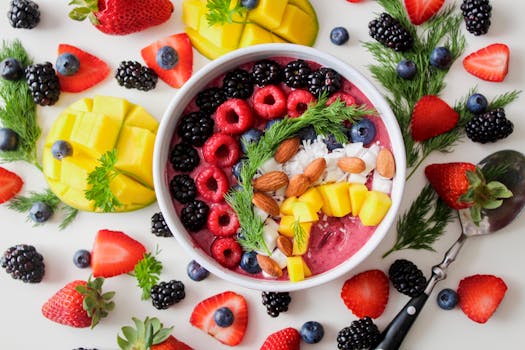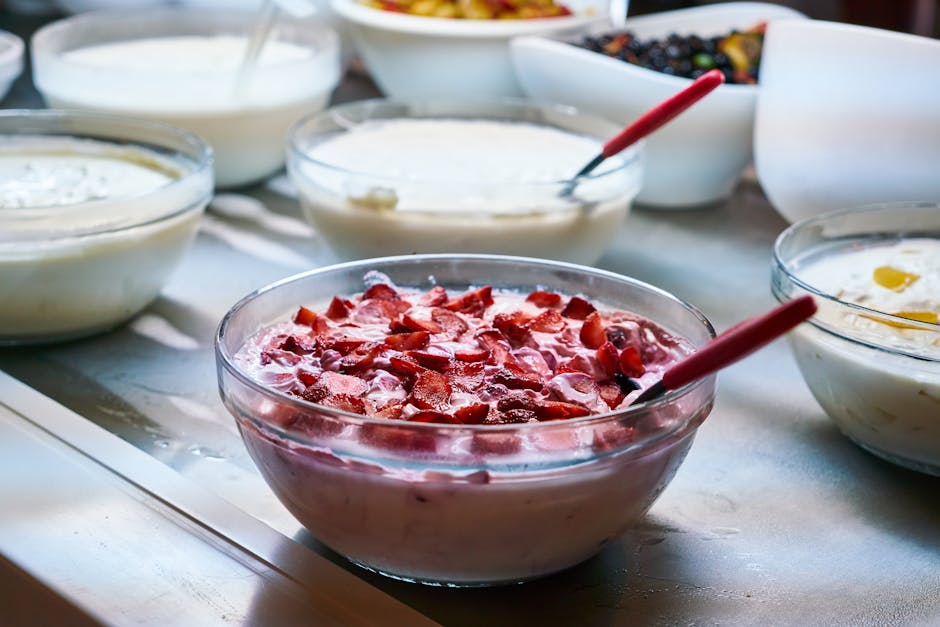

What is a cottage cheese bowl?
A cottage cheese bowl is a no-cook meal: a measured scoop of cottage cheese plus toppings. This recipe is 200g of 2% cottage cheese with mixed berries, walnuts, honey, and cinnamon — about 300 calories and 28g protein in three minutes. The same 200g base also works savory with tomato, cucumber, olive oil, and everything bagel seasoning. You do not need a pan, an oven, eggs, or a smoothie blender.
People make it because they want breakfast protein without cooking, and because 200g of cottage cheese usually beats a single-serve Greek yogurt on protein at a similar calorie count. It fails when the “serving” is the ½-cup nutrition-panel scoop (too small to be a meal) or when fruit, nuts, and cheese sit dressed in one box overnight (too wet to eat). Drain visible whey, add crunch, and eat it now. If the curds are why you skip cottage cheese, blend ten seconds until it looks like thick yogurt — then decide.
This page is the light 28g template, sweet or savory. For a heavier fruit-and-honey breakfast, use the cottage cheese protein bowl (about 35g protein). For a roasted lunch, use the sweet potato cottage cheese bowl. For a skillet lunch, use the ground beef cottage cheese bowl. Keep the URLs separate: this one is toppings and the two-way method; those are cooked meals with the same dairy.
Nutrition and macros by portion
The Nutrition Facts label above is one sweet bowl as written: 300 calories, 28g protein, 26g carbs, 10g fat. Scale the cheese if you want a snack or a bigger breakfast. On the hungry row, toppings stay the same as the recipe so the extra calories are mostly protein from the extra cottage cheese.
| Portion | Cottage cheese | Toppings | Calories | Protein | Carbs | Fat |
|---|---|---|---|---|---|---|
| Snack | 100 g | Half berries, walnuts, honey | 150 | 14g | 13g | 5g |
| This recipe | 200 g | 80 g berries, 15 g walnuts, 1 tsp honey | 300 | 28g | 26g | 10g |
| Hungry | 300 g | Same toppings as the recipe | 390 | 41g | 30g | 12g |
Brand protein varies. If your tub lists 11g protein per 100g, the 200g bowl is closer to 24g protein before toppings. Walnuts add most of the fat. Honey is one teaspoon — about 20 calories — not a glaze. Granola, peanut butter, or avocado will move the label up fast; add them on purpose, not by habit. The savory tomato-cucumber version in the steps is the same 200g of cheese with a different topping lane, not a fourth portion of this sweet bowl.
How to make cottage cheese taste good
Drain the whey, add salt or cinnamon, add crunch, and blend if you hate curds. Watery bowls are a drain problem, not a “cottage cheese is bland” problem. Open the tub, spoon 200g into a bowl, and tilt off the puddle on top. Do not rinse the curds. If you like the texture, leave it. If you do not, ten to fifteen seconds in a blender (or an immersion blender in the tub) turns it into something you would put under berries without thinking. You have not made cheesecake. You have made thick yogurt with more protein.
Sweet bowls need acid, a little fat, and a pinch of salt under the cinnamon — more honey will not fix a flat bowl. Savory bowls need actual salt and crunch: everything bagel seasoning is lazy and correct; unsalted cottage cheese with plain cucumber tastes like diet food. Hold granola, nuts, and chips until the spoon is in your hand. They die in the fridge. Fruit goes on last so it does not bleed into the cheese.
Buy a large tub and portion 200g. Flavored single-serve cups are often lower protein and higher sugar than 2% large-curd. Read protein per 200g on the label, not the front of the cup.
Sweet vs savory cottage cheese bowls
Sweet (this recipe) is breakfast: berries, walnuts, honey, cinnamon, about 300 calories. Savory is the same 200g of cheese with tomato, cucumber, olive oil, and everything seasoning — closer to 250–280 calories and fewer carbs. People who think they hate cottage cheese usually never seasoned the savory version or never blended the curds. Start there, then try the fruit bowl.
Pick a lane the first week. Do not put honey and taco meat in the same bowl on try one. Viral taco bowls with beef and sweet potato are a different meal: they need leftover meat or a pan, and a different calorie count. They belong on the ground beef and sweet potato pages, not as the 3-minute recipe card. Keep this card honest — no-cook, cold, three minutes — or people bounce when they came for a breakfast they can assemble half-awake.
Peach or mango can swap for berries at 80g. Peanut butter and banana make a post-workout bowl, not this 300-calorie template. Smoked salmon, cucumber, red onion, and dill on the same 200g base is still no toaster required. Warm leftovers can sit next to cold cottage cheese. Do not microwave the dairy. Hot cottage cheese weeps and turns grainy.
Why 2% cottage cheese and 200 grams
Two-percent cottage cheese is the default because it tastes like food at this calorie count. Fat-free needs blending or it tastes like salted water. Full-fat is the most satisfying and adds roughly 40–60 calories before toppings — fine if you want that, not if you are tracking a 300-calorie breakfast. 200g is closer to a cup, which is a real serving. The ½-cup line on the nutrition panel is how brands make a snack look like a meal.
Protein is the whole pitch: 24–28g from the cheese alone, depending on brand. That is why this bowl works without eggs. Walnuts are crunch and fat, not more protein. If you need 35g in one bowl, that is the protein bowl on this site, not this lighter template. If 28g is a snack in your world, add a soft-boiled egg on the savory side — still do not cook the cheese.
Cottage cheese is salty. If this is breakfast every day, look for a low-sodium tub or you will feel puffy and blame dairy. Fruit hides that salt; savory bowls need it. Taste before you reach for more everything seasoning.
How to meal-prep cottage cheese bowls
Prep parts, not the finished bowl. Portion 200g of cheese into containers for the week. Keep washed berries or chopped cucumber in a separate box. Nuts in a small jar. In the morning you dump two things and eat. A fully built bowl with granola from Sunday is soggy cereal on cheese, not meal prep.
Opened cottage cheese keeps about 4–5 days. If whey pools on top in the tub, stir it back in. Pouring it off every day dries the curds out. After day two, stirring is better than draining. Assemble when you eat. Serve cold. Do not reheat. If you want contrast, put cold cheese next to something warm (leftover meat, roasted potatoes) rather than heating the dairy.
That is the whole method: 200g cheese, drain or blend, toppings at the table, three minutes. The recipe card above is the sweet bowl. The savory steps are the same protein with a different topping lane. Use whichever you will actually finish.
200g is a cup, not the lid line
The ½-cup scoop on the nutrition panel is about 110–120g. This breakfast is 200g of 2% cottage cheese — a packed cup after you drain whey. That is why the label is 300 calories and 28g protein, not a snack. Weigh it once. Scooped with the puddle still in, the bowl looks bigger and eats wetter. Scooped drained, it looks smaller and hits the number. Brand tubs at 11g protein per 100g make this closer to 24g from cheese before walnuts; 13g per 100g lands nearer 28–30g. Read protein per 100g, not the front of a flavored cup.
Walnuts at 15g are a small handful of chops, not a palm from the bag. Honey is 1 teaspoon (~20 calories). The protein bowl on this site uses a tablespoon of honey and 250g of cheese — different URL, different 380-calorie line. Granola, peanut butter, and a whole banana are add-ons. They are allowed. They are not this card.
Savory bowl, still this 200g base
Tomato, cucumber, a teaspoon of olive oil, everything bagel seasoning: same 200g, no berries, fewer carbs, usually 250–280 calories. Do not put taco meat or roasted sweet potato in this bowl and keep the 3-minute / 300-calorie story. Those are the ground beef and sweet potato lunches. Blend ten seconds if curds are the reason you bounce. Salt the savory version; cinnamon and a pinch of salt under honey for sweet. Eat now. Dressed fruit overnight is purple soup, not meal prep.
Blend, salt, and what 28g is not
Ten seconds in a blender hides curds. You have not made cheesecake. Fat-free tubs usually need this step or they taste like cold water. A pinch of salt under cinnamon (sweet) or everything seasoning (savory) does more than a second teaspoon of honey. 28g protein is 200g of cheese, not a 150g “toast scoop” and not the 250g protein bowl. If you add granola, peanut butter, or a whole banana, log them. This template stays 300 calories because the toppings stay 80g berries, 15g walnuts, 1 tsp honey — or the savory lane without those carbs.
Opened tubs keep 4–5 days. Stir whey back in after day two. If you buy 500g, that is two full bowls plus a 100g snack — not a license to eat the tub and quote 300 calories. Low-sodium cheese exists if this is daily breakfast. Fruit hides salt; savory bowls need it. That is the method: 200g, drain or blend, toppings at the table, three minutes.