
Compare · September 23, 2026
eMeals Alternative
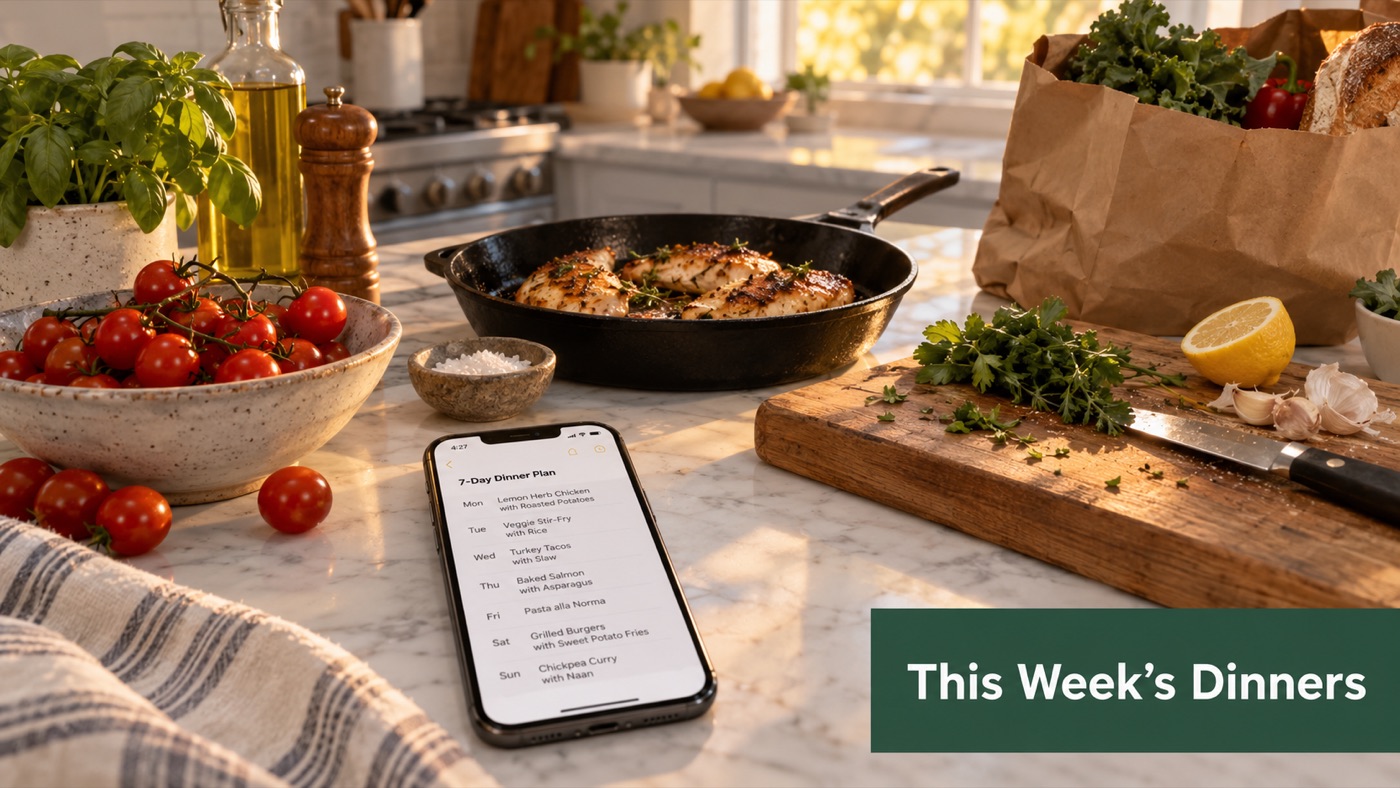
eMeals vs AI Meal Planner is a dinner-service problem, not a spreadsheet problem. One hands you dietitian-curated weekly menus and a US grocery cart. The other builds a week around your targets, leftovers, and what people in the house will actually eat.
Short answer: Choose eMeals if you want a new set of family dinners each week and a one-tap list at Walmart, Kroger, Instacart, or Amazon. Choose AI Meal Planner if you need the week generated from your calories, diet, allergies, and leftovers — without being tied to a US store app.
Reviewed September 23, 2026 against public eMeals pages, grocery-partner FAQs, and app-store listings. Prices, plan names, and store coverage change.
eMeals vs AI Meal Planner at a glance
| Feature | AI Meal Planner | eMeals |
|---|---|---|
| What it is | AI weekly meal planner with recipes, macros, and groceries | Curated weekly dinner menus plus a shoppable grocery list |
| Best for | Cooks who need a week that fits numbers and mixed preferences | US households who want dietitian menus and store pickup |
| Free / trial | $1 seven-day trial, then a paid plan | 14-day free trial, then a paid subscription |
| Weekly plan | Yes — generated from your constraints | Yes — new curated dinners each week; you pick and swap |
| Grocery list | Yes, grouped and leftover-aware | Yes, aisle-style list plus US pickup/delivery partners |
| Store cart export | No native Walmart/Kroger cart | Walmart, Kroger, Instacart, Amazon Fresh, Albertsons, Safeway, Shipt |
| Calories and macros | Included in the weekly cooking workflow | Nutrition on recipes; food styles, not exact personal targets |
| Recipes | Adaptive generation from your constraints | Dietitian-curated catalog across 15 dinner food styles |
| Breakfast and lunch | Set meals per day in onboarding | Optional add-on / all-day bundle |
| Household | Better for mixed preferences | Strong for one shared family dinner |
| Platforms | Web and mobile app | iOS, Android, and web for subscribers |
eMeals vs AI Meal Planner: which saves more time?
eMeals sells a finished dinner loop: open this week’s menus, pick what the family will eat, send the list to a grocer or take it into the store, cook. That is why people stay. “What’s for dinner?” becomes a selection, not a search.
Time comes back when the curated week does not fit. Someone needs a different calorie level. The Kroger cart is the wrong store. Last night’s roast is still in the fridge and the next menu ignores it. The list was automatic. The week was not built around your kitchen.
AI Meal Planner spends more setup on goals, calories, allergies, and effort, then treats the shop and leftovers as part of the same week. If your bottleneck is choosing seven family dinners and getting them into a US pickup order, eMeals is faster the first night. If your bottleneck is repeating that week without waste, split preferences, or a second shop, an adaptive planner usually wins.
| Decision factor | AI Meal Planner | eMeals |
|---|---|---|
| Best fit | Busy cooks who need the week to adapt | Households who want a new curated dinner list each week |
| Planning style | AI-led week from goals and constraints | Pick from dietitian menus; swap from other food styles |
| Nutrition focus | Calories and macros inside the cooking week | Named food styles (Keto, Diabetic, Heart Healthy, Low Calorie) |
| Weekly execution | Plans, recipes, grocery organization, leftover reuse | Weekly dinners, combined list, optional store cart |
| Household | Better for mixed preferences and shared planning | Strong for one shared menu the whole table eats |
| Main risk | Generated nutrition still needs review | Catalog and US-store lock-in; weaker when tastes or stores split |
Independent roundups treat eMeals as the “done-for-you dinner + pickup” option: 15 food styles, new ideas each week, list to Walmart or Instacart. The limit is the library and the geography. You plan inside eMeals’ menus and US partners. You do not describe leftover chicken, a 20-minute Tuesday, and a partner who will not eat mushrooms, then get a new week that still shops clean.
What eMeals is vs an AI meal planner
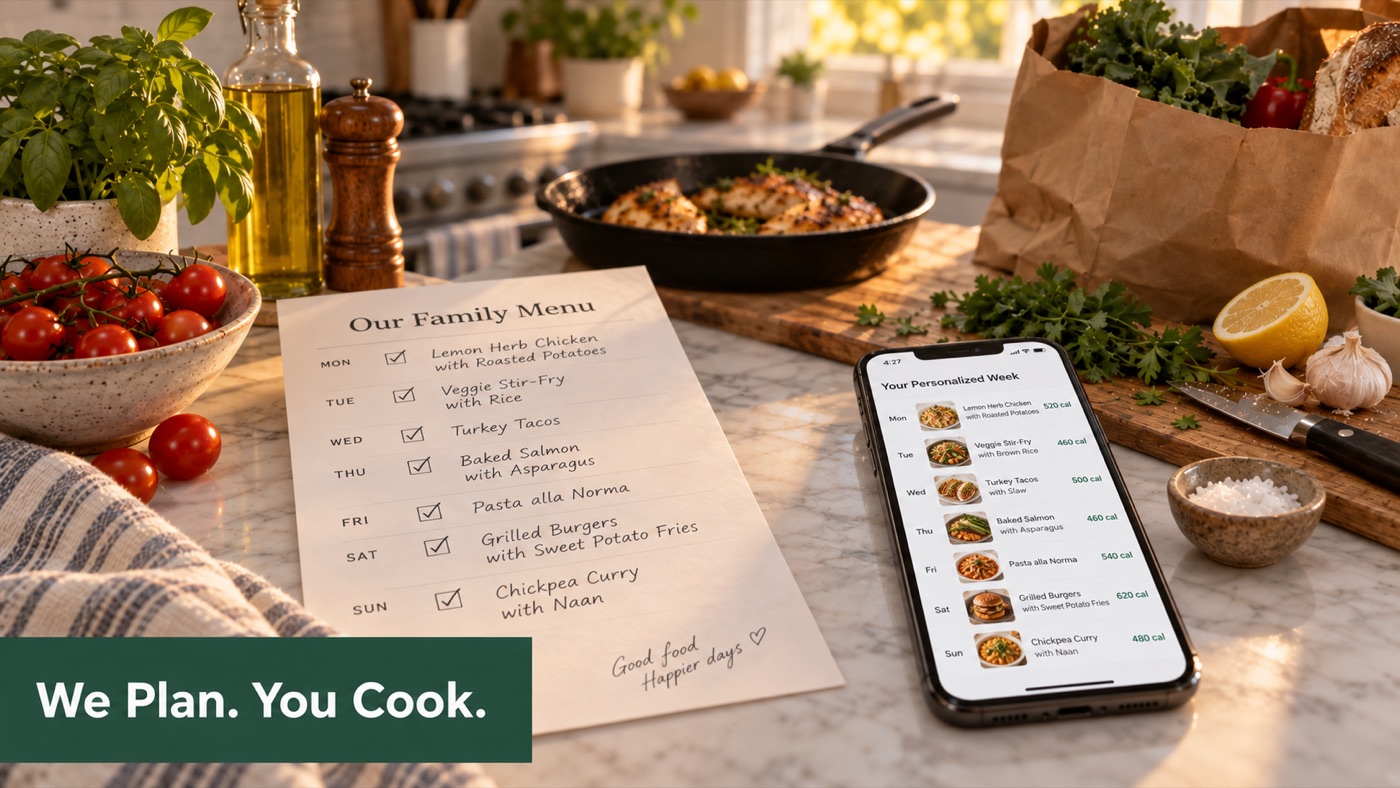
eMeals is a subscription dinner planner. Public copy positions it as “we plan, they shop, you cook.” A food team and registered dietitians publish weekly menus across styles such as Quick and Healthy, 30 Minutes, Kid Friendly, Budget Friendly, Low Carb, Low Calorie, Keto, Paleo, Plant Based, Gluten Free, Diabetic, and Heart Healthy. One subscription unlocks the dinner styles. You pick meals from this week, previous weeks, favorites, and other styles. The app writes the list.
That is a catalog with a grocery backend, not a conversational planner. eMeals is explicit that it is not a meal kit: groceries are still yours to buy. The convenience is the menu plus the list, and — if your ZIP is covered — a send-to-store cart.
Curated menus versus generated weeks
A curated planner asks: “Which of this week’s dietitian dinners will this family eat?” That is enough when one shared meal is the rule and a US grocer is already the shop.
An AI-native planner is a context layer around the week. Onboarding captures goals, diet, allergies, and cooking effort, then turns those into menus, recipes, nutrition, and groceries. You can see how that workflow sits next to guidance on the AI nutritionist page.
eMeals asks: “Which of these published dinners should we cook?” AI Meal Planner asks: “What meals fit this person, this kitchen, this leftover, and this level of effort?”
Menus, personalization, and recipe variety
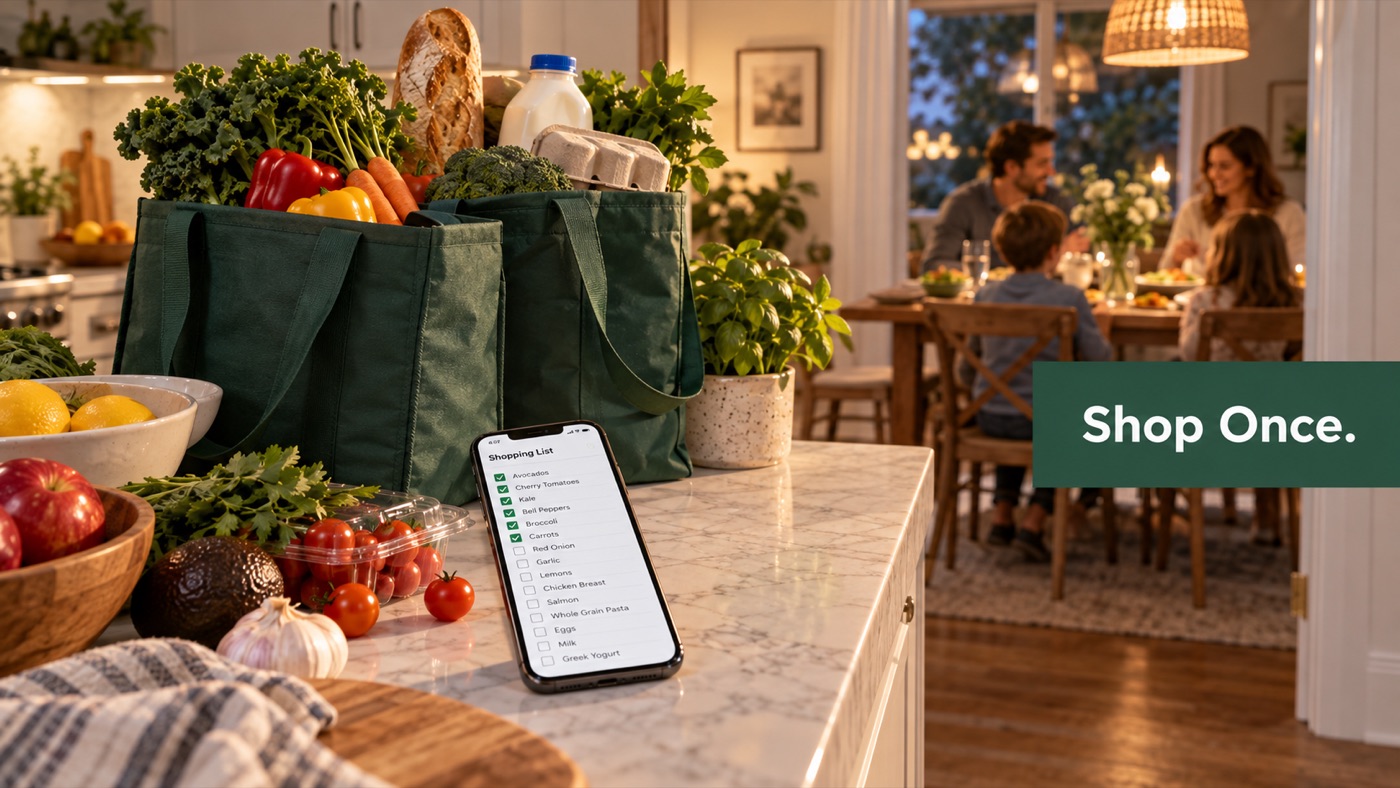
eMeals automates the publishing of a new week and the list from the meals you select. AI Meal Planner automates a week that can change when a meal is rejected or an ingredient is already in the fridge.
| Criteria | AI Meal Planner | eMeals |
|---|---|---|
| Planning engine | AI workflow around goals, preferences, and meal context | Weekly dietitian menus; you pick and swap |
| Macro adherence | Calories and macros inside personalized plans | Food-style patterns; recipe nutrition, not personal targets |
| Recipe source | Adaptive generation and personalization | Curated eMeals recipes; web and family recipes can be added |
| Changes mid-week | Swaps that keep the shop in mind | Replace a recipe and rebuild the list / cart |
| Taste learning | Onboarding plus ongoing preference signals | Choose a food style; favorites and other styles stay available |
| Variety over time | Meals change around tastes and constraints | New published week plus the rest of the catalog |
| Best mindset | “Help me plan food I'll actually cook” | “Give us this week’s dinners and a store cart” |
eMeals’ catalog is a feature if you want known family recipes, 30-minute options, and a dietitian-labeled style. It becomes a ceiling when you need a precise protein target, a leftover-first Tuesday, or a shop that is not Walmart/Kroger/Instacart. AI Meal Planner is built for that second job. A swap has to keep the schedule, a reasonable ingredient set, and avoid a second shop.
People rarely quit eMeals because the Kroger button failed. They quit because the household will not eat the same dinner, the cart is the wrong chain, or breakfast and lunch were extra money. If you only needed the list, try the grocery list generator. If you needed the week to fit you, replace the whole loop.
Want a week of meals, macros, and a grocery list without waiting for next week’s published menu?
Build your week in 2 minutesGrocery lists, pickup, and household workflow
eMeals’ grocery list is half the product. Selected dinners collapse into one list. You can shop yourself with items grouped for a supermarket, or send ingredients to pickup and delivery partners. Public partner names include Walmart, Kroger (and banners such as Ralphs, King Soopers, Fred Meyer), Instacart, Amazon Fresh, Albertsons, Safeway, and Shipt. That is closer to a meal-kit workflow at grocery-store prices than to a macro calculator.
AI Meal Planner also builds a weekly list and treats leftovers as part of the shop. It does not push items into a Walmart or Kroger cart. If one-tap US pickup is the feature you would miss, eMeals wins that row. If you shop a local market, a European chain, or two stores, a store-agnostic list is less friction.
The solo workflow
For one person who likes the food styles, eMeals is efficient: pick dinners, send the cart, cook. The weak point is correction after you have already submitted pickup. Change three dinners, and you are reconciling the cart with the kitchen by hand.
AI Meal Planner treats the list as part of the week: overlapping items combined, leftovers reused. That matters more when you cook most nights and hate a second trip.
The household workflow
eMeals is popular with families because Kid Friendly, 30 Minutes, and Budget Friendly reduce negotiation. One shared dinner and one cart is the model. Scaling servings is not the same as planning for mixed calories or a partner who needs a different protein target. Live multi-person editing is weaker than a dedicated shared-list app such as AnyList.
A store cart does not automatically create a shared meal plan. Allergies and medical nutrition still need a human check of ingredients. An automated or curated plan is not medical advice — including Diabetic and Heart Healthy styles.
Pricing, bundles, and what to test before you pay
A cheaper subscription can still be a more expensive week if breakfast is an add-on, the cart fees stack, or you throw food out. Compare subscription cost with time, waste, and whether the grocer you actually use is a partner.
eMeals publicly advertises a 14-day free trial, then about $4.99/month billed as a 12-month dinner plan, or about $37.50 for three months. Google Play also lists a dinner plan at $29.99 / 3 months or $59.99 / year, and an all-day bundle (breakfast, lunch, dinner) at $39.99 / 3 months or $99.99 / year. Those numbers do not always match the website FAQ. Confirm on the device you will pay on.
AI Meal Planner intro pricing after a $1 seven-day trial is about $9.99/week, $19.99/month, or $34.99/3 months — check the offer screen, because promotions change.
eMeals grocery pickup is not the same as free groceries. You still pay the store. Delivery and service fees are extra.
| Plan | AI Meal Planner | eMeals |
|---|---|---|
| Free / trial | $1 for 7 days, then a paid plan | 14-day free trial, then a paid subscription |
| Monthly-ish | Intro about $19.99/month | About $4.99/month on annual dinner, or ~$9–$12.50/month on 3-month dinner listings |
| Longer term | Intro about $34.99/3 months | Play Store dinner about $59.99/year; all-day bundle about $99.99/year |
| What paid unlocks | Weekly plans, recipes, macros, grocery list, swaps | Dinner food styles, weekly menus, list, store partners; breakfast/lunch often extra |
| Groceries | You shop from the list | You shop or pay the partner store; subscription is not food |
Before paying, test it against the actual bottleneck:
- Weekly access: Do you need dinners only, or breakfast and lunch in the same plan?
- Shopping support: Is your grocer a partner, or do you only need a list?
- Household fit: Will everyone eat the same dinner, or do targets split?
- Food quality: Do this week’s published recipes match taste, skill, and time?
- Nutrition: Do you need a food style, or exact calories and macros?
A grocery budget calculator can connect the subscription to expected food spend. Pickup convenience still costs whatever is in the cart.
Which planner fits your goals
Busy evenings
eMeals is built for this: 30 Minutes and Quick and Healthy styles, one list, skip the store if a partner covers you. AI Meal Planner is built for the same evening when the leftover, the calorie target, and the “we already have chicken” constraint all matter. A new published week does not answer that.
Families
eMeals’ Kid Friendly and Budget Friendly menus help when everyone eats the same plate. Split preferences, different calories, or a partner who needs the list on their own phone still tend to fall on one cook. AI Meal Planner is a better fit for mixed rules inside one shop.
Fitness and macros
eMeals can steer you toward Low Calorie, Low Carb, or Keto as a food style. It is not a macro generator. If each week starts with protein, carbs, and fat targets, Eat This Much is the closer specialist. AI Meal Planner includes calories and macros inside cooking, not as a spreadsheet replacement.
Health-conscious eating
Diabetic and Heart Healthy labels are curated patterns, not a clinician’s plan. Inspect ingredients, sodium, and portions. If you manage allergies, diabetes, or a restrictive diet, a weekly menu is a starting list — not medical advice.
Simple weeknights without a US cart
If you only wanted 30-minute dinners and a combined list, also see our Mealime comparison. Mealime’s standalone app is shutting down October 21, 2026; eMeals is the closer living catalog-plus-list product, especially if store pickup is the point.
Final recommendation
eMeals: strengths and limits
- Best when the job is pick this week’s family dinners and send a US grocery cart.
- Dietitian-curated styles, including Kid Friendly, Diabetic, Heart Healthy, and 30 Minutes.
- 14-day trial; annual dinner pricing can undercut most AI planners.
- Catalog ceiling; breakfast/lunch often extra; cart partners are US-centric.
AI Meal Planner: strengths and limits
- Best when the week must include recipes, macros, leftovers, and swaps.
- Weekly grocery list treated as part of the plan, not a store-app feature.
- Stronger for mixed household preferences and store-agnostic shopping.
- No native Walmart/Kroger export; intro prices are higher than eMeals annual dinner.
Choose eMeals when: you want a published family menu each week; one shared dinner is enough; Walmart, Kroger, Instacart, or Amazon pickup is the feature you would miss; you are fine shopping a catalog instead of generating from your macros.
Choose AI Meal Planner when: the problem is deciding what to cook for your constraints; swaps should respect taste and leftovers; you cook for mixed preferences; calories and macros should sit inside the same week; you do not want the planner tied to a US grocer.
Test one complete week before you drop eMeals. Check whether meals match the schedule, the list matches the shop (or the pickup order), how often you swap, and whether the second half of the week is easier than the first.
Start with your goals and food constraints, then judge the week against those practical tests — not the first menu.
Get your personalized meal planAlso see Mealime vs AI Meal Planner if the job is simple weeknight recipes, Eat This Much vs AI Meal Planner if macros are the main job, ChatGPT meal plan vs AI Meal Planner if you currently prompt a chatbot, and our roundup of the best meal planning apps.
FAQ
Yes, if you want a week generated around your calories, diet, allergies, and leftovers, then a grocery list that matches that week. eMeals is stronger if you want dietitian-curated US family dinners and a one-tap cart at Walmart, Kroger, Instacart, or Amazon.
eMeals is better as a curated dinner service: pick from this week’s menus, swap from other food styles, shop or send the list to a US grocer. AI Meal Planner is better when the week has to fit your numbers, mixed household rules, and ingredients you already have.
No. eMeals is a meal-planning subscription. You still buy groceries. The pitch is a weekly menu plus a shopping list you can take to the store or send to pickup and delivery partners. Food is not in the box.
Yes. After you select dinners, eMeals builds a shopping list. You can shop with an aisle-style list or send ingredients to partners such as Walmart, Kroger, Instacart, Amazon Fresh, Albertsons, and Safeway. Coverage depends on ZIP code.
Public copy lists a 14-day free trial, then about $4.99/month on a 12-month dinner plan or about $37.50 for three months. Google Play also lists dinner at $29.99/3 months or $59.99/year, and an all-day breakfast-lunch-dinner bundle at $39.99/3 months or $99.99/year. Confirm at checkout; prices change by platform.
Dinner plans are the default. Breakfast and lunch are offered as extra weekly ideas, often through an all-day bundle rather than the cheapest dinner-only price. AI Meal Planner builds the meals-per-day you set in onboarding.
eMeals is built for one shared family dinner: Kid Friendly, 30 Minutes, Budget Friendly, and store pickup. AI Meal Planner is a better fit when people in the same house need different calories, allergies, or leftovers reused the next day.
AI Meal Planner. eMeals food styles (Low Calorie, Low Carb, Keto, Diabetic, Heart Healthy) are curated patterns, not a generator that hits your exact protein, carb, and fat targets. Eat This Much is still the stricter calculator if numbers are the only job.
The catalog and apps can be used anywhere you can log in. The pickup and delivery integrations are US grocers. If you shop outside those chains, you still get a list, but you lose the one-tap cart. AI Meal Planner is store-agnostic.
Note the food style you used (Keto, Diabetic, Kid Friendly, and so on), household size, cook time, and allergies. Take the AI Meal Planner quiz with those constraints, generate one week, and compare the grocery list against an eMeals week you already cooked. Keep eMeals until that week is usable.