
What are overnight oats?
Overnight oats are rolled oats soaked in liquid overnight, creating a creamy, pudding-like breakfast with no cooking required — about 350 calories and 15g protein per serving. You prepare them in 5 minutes the night before, refrigerate, and grab them in the morning. No stovetop, no microwave, no dishes beyond the jar you eat from.
This is not mushy, flavorless porridge. Properly made overnight oats have a thick, creamy texture similar to rice pudding, with layers of flavor from chia seeds, yogurt, and your choice of toppings. If you want other quick breakfasts, try yogurt parfait for crunch or protein pancakes for something warm on weekends.
Nutrition and macros by portion
The nutrition label shows one jar as written: 350 calories, 15g protein, 52g carbs, 10g fat.
| Portion | Adjustment | Calories | Protein | Carbs | Fat |
|---|---|---|---|---|---|
| Lighter | 40g oats, skip maple syrup | 260 kcal | 12g | 38g | 7g |
| This serving | As written | 350 kcal | 15g | 52g | 10g |
| Hungry | Add 15g protein powder, 1 tbsp nut butter | 520 kcal | 30g | 56g | 18g |
The protein comes from the combination of Greek yogurt, milk, and chia seeds — about 15g total, which keeps you full through the morning. The carbs are primarily complex carbohydrates from oats that digest slowly, providing sustained energy without blood sugar spikes. The fiber content is high: about 8g per serving from oats and chia seeds combined.
The science behind overnight oats
Soaking oats overnight does two things: it softens the oats by hydrating the starch granules, and it begins to break down the phytic acid that binds minerals. This makes the oats easier to digest and the nutrients more bioavailable. The result is a creamier texture than cooked oats with potentially better nutrient absorption.
Chia seeds are the secret ingredient. When soaked in liquid, chia seeds absorb up to 12 times their weight in water and form a gel-like coating. This adds thickness to the oats, increases fiber content, and provides omega-3 fatty acids. Without chia seeds, overnight oats can be too thin and watery.
Choosing the right oats
Use rolled oats (also called old-fashioned oats). They have the perfect texture for overnight soaking — soft but with some chew remaining. Steel-cut oats are too hard and do not soften enough overnight. Quick oats or instant oats turn to mush. Rolled oats hit the sweet spot.
The ratio matters: 60g rolled oats to 150ml liquid creates a thick, creamy consistency. More liquid makes it soupy. Less liquid leaves dry patches. Adjust slightly based on your preference, but this ratio is the standard starting point.
Milk options and their effects
Any milk works, but each creates a slightly different result:
Whole milk: Richest and creamiest. Highest calories but best texture.
2% milk: Good balance of creaminess and calories. The standard choice.
Skim milk: Thinner texture but lowest calories. Add extra yogurt to compensate.
Oat milk: Enhances the oat flavor. Good thickness.
Almond milk: Thinner and lighter. Use unsweetened to control sugar.
Soy milk: Adds protein. Neutral flavor that works well.
Greek yogurt: the protein boost
Greek yogurt adds 60g of protein-rich creaminess to the base. It thickens the oats, adds tanginess that balances sweetness, and contributes about 6g protein per serving. Use full-fat, 2%, or 0% based on your calorie goals — all work texturally.
Non-dairy alternatives: coconut yogurt adds creaminess but less protein. Soy yogurt matches the protein content. Almond or oat yogurts are thinner and may need more chia seeds to maintain texture.
The overnight timeline
Minimum soaking time: 6 hours. This is enough for the oats to fully soften and the chia seeds to form their gel coating. Optimal soaking time: 8-12 hours (overnight). Maximum: 4-5 days in the refrigerator — make a batch on Sunday for the entire work week.
In the morning, stir the oats before eating. The ingredients settle during soaking, with chia seeds often sinking to the bottom. A good stir redistributes everything evenly.
Topping strategies
Toppings go on in the morning, not the night before. Fresh fruit gets soggy overnight. Granola loses its crunch. Nut butter pools strangely. Add everything fresh right before eating:
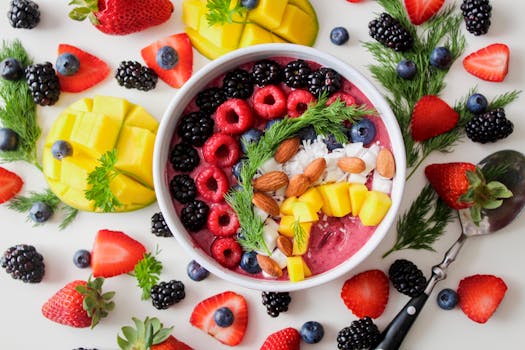
Fruits: Fresh berries, sliced banana, diced apple, chopped mango, pomegranate seeds
Crunch: Granola, toasted coconut flakes, chopped nuts, cacao nibs
Protein boosters: Nut butter, hemp seeds, extra chia seeds, protein powder (mixed in)
Sweeteners: Honey, maple syrup, agave (add to taste if needed)
Flavor variations
Chocolate peanut butter: Add 1 tablespoon cocoa powder and 1 tablespoon peanut butter to the base. Top with banana slices and dark chocolate chips.
Apple pie: Add cinnamon and diced apple to the base. Top with a drizzle of maple syrup and chopped walnuts.
Tropical: Use coconut milk. Top with mango, pineapple, toasted coconut, and macadamia nuts.
Berry blast: Mix frozen berries into the base (they thaw overnight). Top with fresh berries and a drizzle of honey.
Coffee: Replace half the milk with cold brew coffee. Add a splash of vanilla extract. Top with cacao nibs.
Common mistakes to avoid
Wrong oats: Steel-cut stay too hard. Instant oats turn to mush. Use rolled oats only.
Not enough liquid: Oats absorb a lot. The 60g oats to 150ml liquid ratio is the minimum for proper hydration.
Forgetting chia seeds: They thicken the mixture and add nutrition. Without them, overnight oats can be too thin.
Adding toppings too early: Fresh fruit, granola, and nuts should be added in the morning to maintain texture.
Not stirring before eating: Ingredients settle. Stir to redistribute flavors and textures.
Mason jar meal prep
Make 5 jars on Sunday for the entire week. Use wide-mouth mason jars (500ml size) for easy stirring and eating. Layer the base ingredients, seal, and refrigerate. Add toppings each morning. Label jars with the date to track freshness.
Vary flavors throughout the week to avoid boredom: Monday chocolate, Tuesday berry, Wednesday apple pie, etc. The base recipe stays the same — only the add-ins change.
Making it higher protein
The base recipe provides 15g protein. To hit 30g+ for serious training days:
Add half a scoop of protein powder to the base (mix well to avoid clumps). Use Greek yogurt instead of regular yogurt. Add 1 tablespoon peanut butter or almond butter. Top with hemp seeds. This combination pushes the protein to 30g while keeping the creamy texture intact.
Temperature preferences
Most people eat overnight oats cold, straight from the refrigerator. The chilled temperature is refreshing, especially in summer. But if you prefer warm oats, microwave for 1-2 minutes, stirring halfway through. The texture changes slightly — warmer oats are softer and more porridge-like.
The 5-minute breakfast
The night before: combine oats, milk, yogurt, chia seeds, and sweetener in a jar. Stir well. Seal and refrigerate. The morning of: stir, add toppings, eat. No cooking, no cleanup beyond the single jar. Grab it from the fridge and eat at your desk if needed. Overnight oats are the ultimate meal-prep breakfast for busy mornings.