
High-calcium, vitamin D, and protein meals to preserve bone density, maintain muscle, and keep energy steady. Soft textures and easy preparation for women 65+.
Free Tools for This Plan
Browse Recipes
Elderly Female Nutrition FAQ
How many calories does an elderly woman need per day?
Most women over 65 need 1,600-2,000 calories per day depending on activity level. Sedentary women need around 1,600 kcal, moderately active around 1,800 kcal, and active women up to 2,000 kcal. Quality of calories matters more than quantity.
How much protein do elderly women need?
Research recommends 1.0-1.2g per kg of body weight — higher than younger adults. For a 65kg woman, that is 65-78g protein daily, spread across meals to maximize muscle protein synthesis.
What are the best foods for bone health in elderly women?
Calcium-rich foods (dairy, fortified plant milks, canned sardines with bones, leafy greens), vitamin D sources (fatty fish, eggs, fortified foods), and vitamin K foods (broccoli, kale). Adequate protein also supports bone density.
Should elderly women avoid any foods?
Limit added sugars, excess sodium (increases calcium loss), and processed foods with empty calories. Very hard foods may be difficult to chew. Raw or undercooked foods pose higher food safety risks for seniors.
How can I increase appetite in an elderly woman?
Serve smaller, more frequent meals (5-6 per day). Make food visually appealing. Add healthy fats for calorie density. Eat together with others when possible — social meals increase intake. Light physical activity can also stimulate appetite.
Related Meal Plans
Explore plans for specific health goals and conditions.
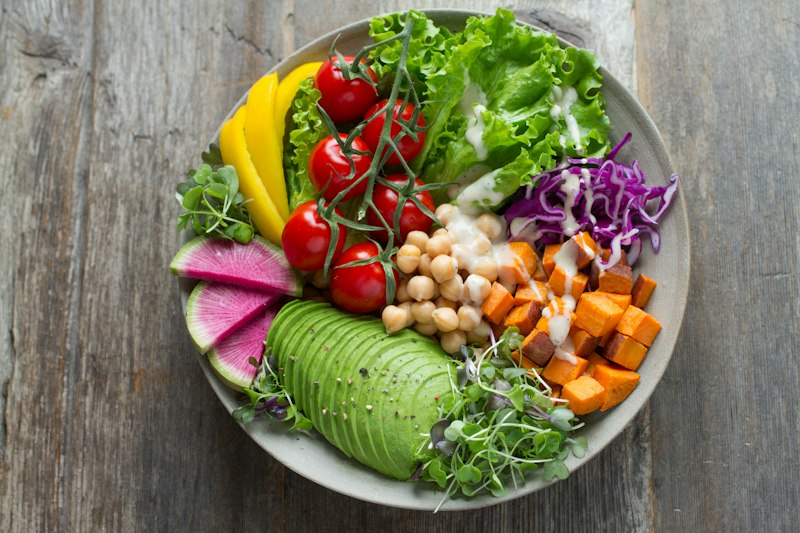
Anti-Inflammatory Plan
Reduce inflammation with omega-3-rich foods and antioxidants.
Low-Sodium Plan
Heart-healthy meals under 1,500mg sodium per day.

Mediterranean Plan
Heart-friendly approach with olive oil, fish, and vegetables.
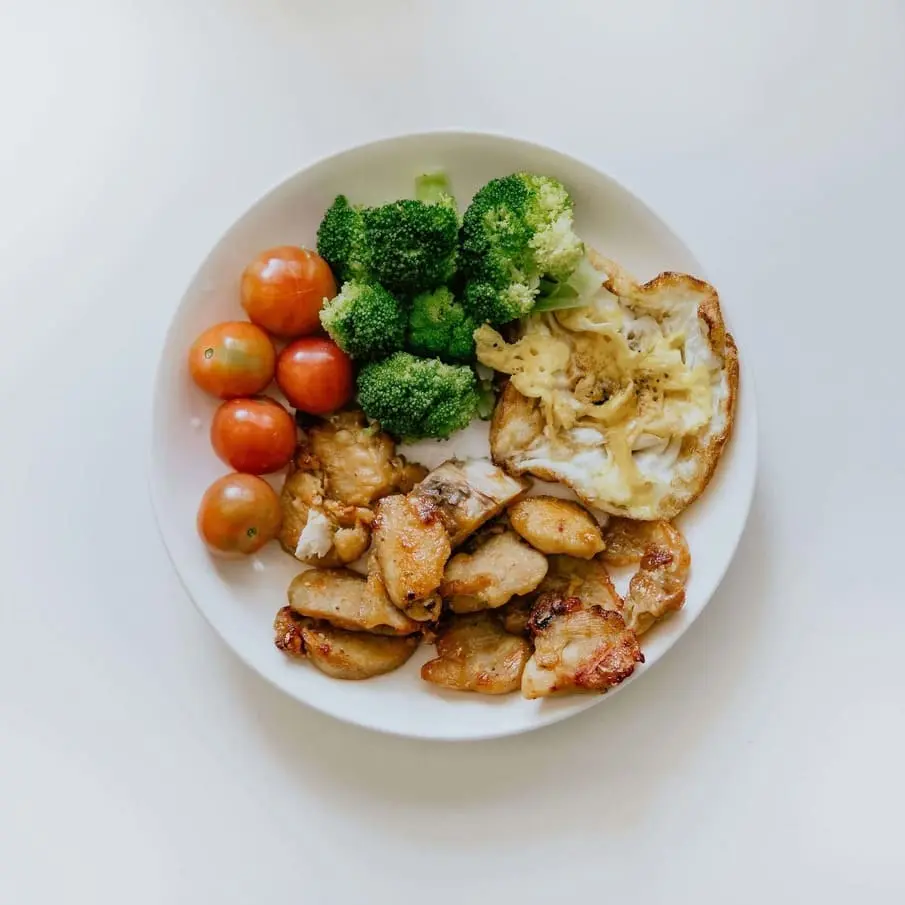
High-Protein Plan
Build and maintain muscle with protein-optimized meals.
Kidney Disease Plan
Renal-friendly meals with controlled sodium and potassium.
Diabetic Plan
Stabilize blood sugar with low glycemic meals.
Ready for a meal plan built for you?
Get a personalized plan with calcium-rich, high-protein meals designed for women 65+ — plus recipes and a grocery list.
Create My Senior Plan