AI Meal Planner logo AI Meal Planner
Renal-Friendly

7-Day Meal Plan for Kidney Disease
Low Sodium, Potassium & Phosphorus

A renal-friendly meal plan that controls sodium, potassium, phosphorus, and protein — without sacrificing flavor or variety.

Low Sodium
Controlled Potassium
Kidney Safe
Kidney-friendly meals with controlled minerals
<2,000mg
sodium/day

What Is a Kidney Disease Diet?

A kidney disease (renal) diet limits sodium, potassium, phosphorus, and in many cases protein to reduce the workload on damaged kidneys. The goal is to prevent mineral buildup in the blood while still getting adequate nutrition and energy.

Sodium Under 2,000mg

Excess sodium raises blood pressure and causes fluid retention — both dangerous for kidney patients. Fresh herbs and spices replace salt.

Controlled Potassium

Damaged kidneys cannot filter excess potassium, which can cause heart problems. Low-potassium fruits and vegetables are prioritized.

Moderate Protein

Too much protein creates waste products kidneys must filter. 0.6-0.8g/kg body weight is typical for pre-dialysis CKD.

Sample 3-Day Kidney-Friendly Menu

Low sodium, low potassium, controlled phosphorus — flavorful meals that protect kidney function.

☀️

Breakfast — Egg White Scramble

Egg whites with bell peppers, onions, and herbs. White toast with unsalted butter.

320 kcal P 18g C 36g F 10g
🌤️

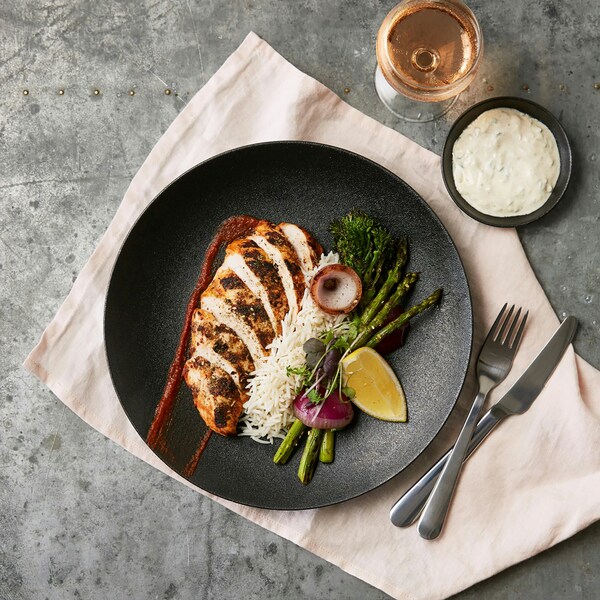
Lunch — Chicken & Rice Bowl

Grilled chicken breast (3oz) over white rice with sautéed zucchini and garlic. Lemon-herb dressing.

480 kcal P 28g C 58g F 14g
🌙

Dinner — Baked Cod with Green Beans

Herb-crusted cod fillet (4oz) with steamed green beans and a small dinner roll.

440 kcal P 30g C 42g F 12g
Daily Total
1,240 kcal P 76g C 136g F 36g
☀️

Breakfast — Cream of Wheat

Hot cream of wheat cereal with blueberries and a drizzle of honey. No milk (use rice milk).

300 kcal P 8g C 58g F 6g
🌤️

Lunch — Turkey Lettuce Wraps

Unseasoned ground turkey with shredded carrots, cucumber, and rice noodles in butter lettuce cups.

420 kcal P 28g C 38g F 16g
🌙

Dinner — Pasta with Garlic Oil

Penne pasta tossed with garlic olive oil, roasted cauliflower, and fresh basil. Side of mixed greens.

520 kcal P 14g C 72g F 18g
Daily Total
1,240 kcal P 50g C 168g F 40g
☀️

Breakfast — Rice Cereal & Berries

Puffed rice cereal with strawberries, rice milk, and a tablespoon of unsalted peanut butter.

340 kcal P 10g C 52g F 12g
🌤️

Lunch — Tuna Salad Sandwich

Low-sodium tuna mixed with mayo on white bread. Side of cucumber slices and apple.

440 kcal P 26g C 46g F 16g
🌙

Dinner — Lemon Herb Chicken

Roasted chicken thigh (3oz) with couscous and steamed cabbage. Lemon juice for flavor.

460 kcal P 28g C 50g F 14g
Daily Total
1,240 kcal P 64g C 148g F 42g
Perfect For

Who Needs a Kidney Disease Meal Plan?

Anyone managing kidney health can benefit from structured renal-friendly nutrition.

🏥

CKD Patients (Stage 1-4)

Slow disease progression by controlling sodium, potassium, phosphorus, and protein intake before dialysis becomes necessary.

💊

Dialysis Patients

Manage fluid and mineral balance between treatments. Protein needs increase on dialysis — the plan adapts accordingly.

⚠️

High Blood Pressure + Kidney Risk

Uncontrolled hypertension damages kidneys. A low-sodium renal diet helps lower blood pressure and protect kidney function.

🧬

Family History of Kidney Disease

Proactive dietary changes can reduce risk if you have a genetic predisposition to kidney problems.

What to Eat & What to Avoid

Focus on low-potassium, low-phosphorus, low-sodium whole foods.

Kidney-Friendly Foods

  • Low-potassium fruits — apples, berries, grapes, pineapple, cherries, cranberries
  • Low-potassium vegetables — cabbage, cauliflower, green beans, onions, peppers, zucchini
  • White rice, pasta, and white bread — lower in phosphorus than whole grains
  • Lean proteins in moderation — chicken breast, egg whites, fish (3-4oz portions)
  • Fresh herbs and spices — garlic, basil, oregano, thyme, lemon juice for flavor
  • Healthy fats — olive oil, unsalted butter in small amounts

Limit or Avoid

  • High-potassium foods — bananas, oranges, potatoes, tomatoes, avocado, spinach
  • High-phosphorus foods — dairy, processed cheese, dark colas, chocolate, nuts
  • High-sodium foods — canned soups, deli meats, pickles, soy sauce, frozen dinners
  • Whole grains in excess — whole wheat, bran, oats (higher in phosphorus and potassium)
  • Processed meats — bacon, sausage, hot dogs, ham (high sodium + phosphorus additives)
  • Salt substitutes — many contain potassium chloride, which is dangerous for kidney patients

How to Start a Kidney-Friendly Diet

Four steps to transition to renal-safe eating.

1

Know Your Numbers

Get your GFR, potassium, phosphorus, and sodium levels from your nephrologist. This determines how strict your limits need to be.

2

Replace High-Risk Foods

Swap bananas for apples, potatoes for cauliflower, whole wheat for white bread, and dairy for rice milk alternatives.

3

Cook from Scratch

Processed foods hide sodium and phosphorus additives. Cooking at home with fresh ingredients gives you full control.

4

Track and Adjust

Use your AI meal plan to track sodium, potassium, and protein. Adjust portions based on lab results every 3-6 months.

Kidney Disease Diet FAQ

Ready to protect your kidneys?

Get a personalized renal-friendly meal plan with controlled sodium, potassium, phosphorus — plus recipes and a grocery list.

Create My Kidney Plan