
Healthy meals for under $50 per week using affordable ingredients, smart batch cooking, and zero food waste. This 7-day plan proves that nutritious eating doesn't have to be expensive — every recipe costs under $2 per serving.
$50 Grocery List for 1 Person — Full Week
A complete $50 grocery list for 1 person covering 7 days of healthy meals. Uses overlapping ingredients to minimize waste and maximize savings.
🥩 Proteins (~$12)
- Chicken thighs (3 lbs) $5.50
- Eggs (1 dozen) $2.50
- Canned tuna (3 cans) $2.70
- Plain yogurt (32 oz) $1.80
🌾 Grains & Legumes (~$8)
- Brown rice (2 lbs) $1.50
- Rolled oats (42 oz) $2.80
- Dried black beans (1 lb) $1.20
- Dried red lentils (1 lb) $1.50
- Whole wheat pasta (1 lb) $1.00
🥦 Produce (~$11)
- Bananas (bunch of 6) $0.90
- Potatoes (5 lb bag) $2.50
- Sweet potatoes (3) $2.00
- Onions (3 lb bag) $1.80
- Carrots (2 lb bag) $1.20
- Frozen broccoli (2 bags) $2.00
- Apples (3) $1.50
🧈 Pantry & Other (~$14)
- Peanut butter (16 oz) $2.50
- Canned tomatoes (2 cans) $1.60
- Canned kidney beans (2) $1.40
- Frozen peas (1 bag) $1.00
- Whole wheat bread $2.50
- Olive oil, spices, honey $3.00
- Frozen spinach (1 bag) $1.00
- Milk (half gallon) $2.00
Estimated weekly total: ~$45-50 — that's about $7/day for 3 full meals. Many pantry items (oats, rice, spices, peanut butter) last 2-3 weeks, bringing your actual weekly cost even lower after the first shop.
Budget Cooking vs Eating Out: The Real Math
See how much you actually save by cooking at home with a $50 grocery list versus ordering food or eating at restaurants.
| Meal Type | Eating Out | Budget Cooking | You Save |
|---|---|---|---|
| Breakfast | $8-12 | $0.55-0.85 | ~$9/meal |
| Lunch | $12-18 | $0.90-1.40 | ~$13/meal |
| Dinner | $15-25 | $1.50-2.80 | ~$18/meal |
| Weekly Total (21 meals) | $245-385 | $35-50 | $200-335/week |
| Annual Savings | $12,740-20,020 | $1,820-2,600 | $10,400-17,420 |
Free Tools for This Plan
Browse Recipes
Budget Meal Planning FAQ
How much should I spend on groceries per week?
The USDA's Thrifty Food Plan suggests $50-75 per week for a single adult. Our budget meal plan is designed to stay under $50/week by using affordable staples like rice, beans, eggs, frozen vegetables, and seasonal produce. Families of four can eat well on $150-200/week with smart planning and batch cooking.
Can I eat healthy on $5 a day?
Yes, absolutely. By focusing on whole grains (oats, rice), legumes (lentils, beans), eggs, frozen vegetables, and seasonal produce, you can eat nutritious, satisfying meals for $5-7 per day. The key is batch cooking, buying in bulk, using every ingredient fully, and avoiding processed convenience foods which are actually more expensive per serving than home-cooked meals.
What are the cheapest healthy foods to buy?
The most budget-friendly nutritious foods include: eggs ($0.15-0.25 each), dried beans and lentils ($0.10-0.15 per serving), oats ($0.10 per serving), rice ($0.08-0.12 per serving), frozen vegetables ($0.50-1.00 per serving), bananas ($0.20 each), chicken thighs ($1.50-2.50/lb), canned tuna ($0.75-1.00 per can), potatoes ($0.15-0.25 each), and peanut butter ($0.10 per tablespoon).
Is meal prepping cheaper than buying food daily?
Meal prepping is significantly cheaper — studies show it can save 30-50% compared to buying meals daily or eating out. Cooking in bulk reduces food waste, takes advantage of bulk pricing, and eliminates impulse purchases. A Sunday meal prep session of 2-3 hours can prepare most of your week's meals for a fraction of the cost of daily cooking or takeout.
How do I reduce food waste on a budget?
Plan meals around ingredients that overlap (use the same vegetables in multiple recipes), buy only what your meal plan requires, freeze leftovers immediately, use vegetable scraps for broth, store produce properly to extend freshness, and cook perishable items first. The average household wastes $1,500 of food per year — eliminating waste is like giving yourself a raise.
Related Meal Plans
Other plans that pair well with budget-conscious eating.
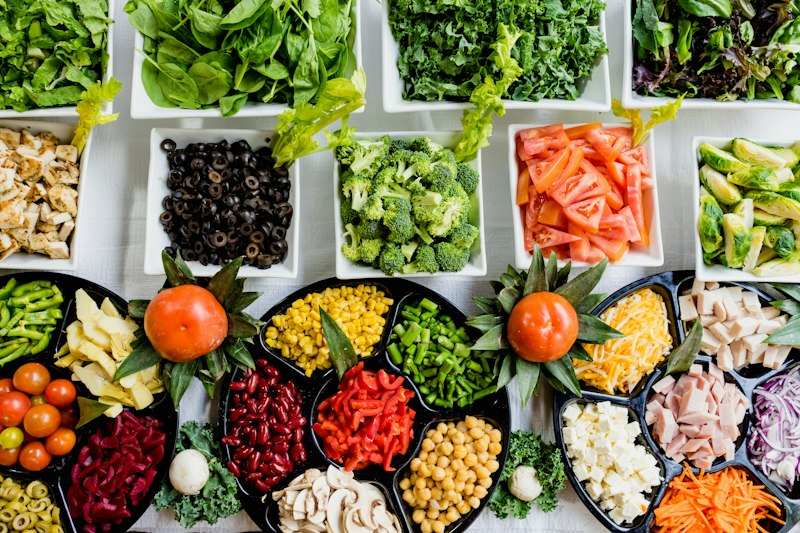
Clean Eating Plan
Whole foods, zero junk — many clean eating staples are also the most affordable.

Balanced Meal Plan
A well-rounded approach that works with any budget level.
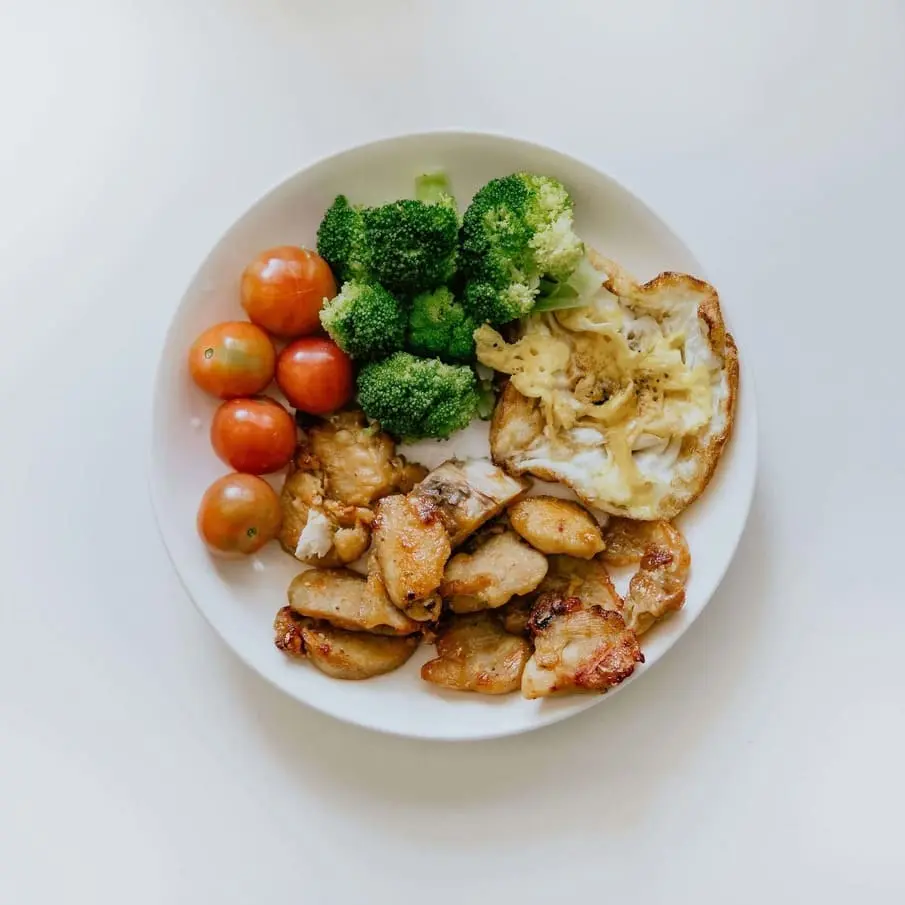
High-Protein Plan
Build muscle with budget proteins like eggs, beans, and chicken thighs.
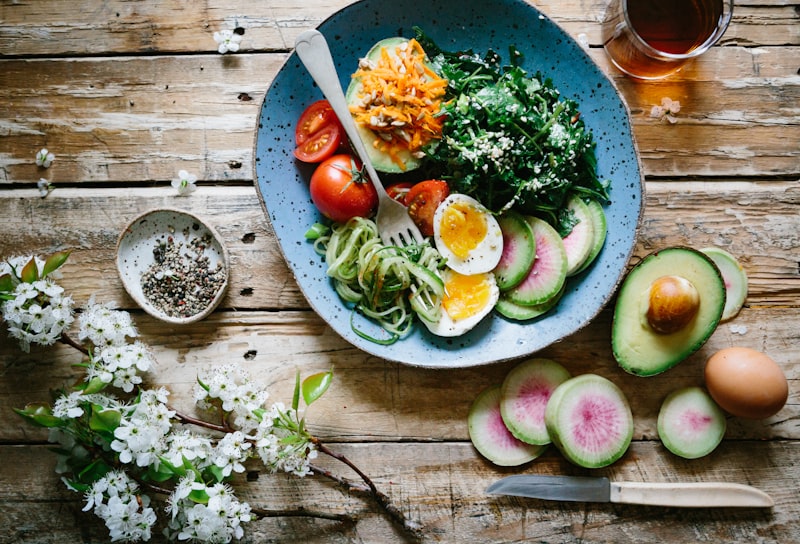
1500 Calorie Plan
Lower calories naturally means lower grocery bills too.
Ready to eat well on a budget?
Get a personalized budget meal plan with affordable recipes, exact portions, and an optimized grocery list — all under $50/week.
Get My Budget Plan