Oven-baked salmon fillet with lemon, garlic, dill, and asparagus. Ready in 20 minutes.
Ingredients
-
2 (170 g each)
Salmon fillets
-
200 g
Asparagus
-
1
Lemon
-
3 cloves minced
Garlic
-
2 tbsp
Fresh dill
-
1 tbsp
Olive oil
-
to taste
Salt & pepper
Instructions
1
Preheat and prepare
Preheat your oven to 200°C (400°F). Line a large baking sheet with parchment paper — this prevents sticking and makes cleanup easy. Take the salmon out of the fridge 10 minutes early to take the chill off, which ensures more even cooking.
2
Season the salmon
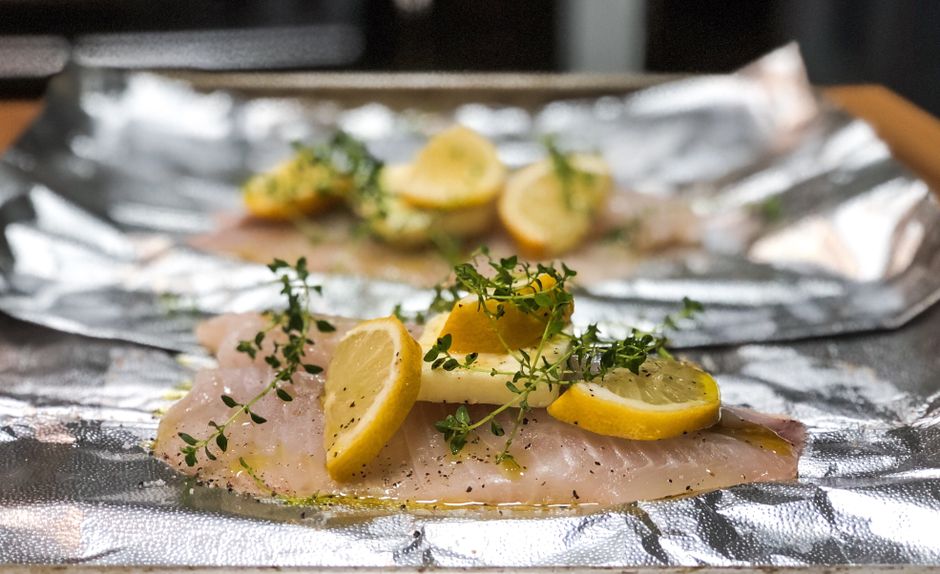
Pat salmon fillets completely dry with paper towels. Place skin-side down on the baking sheet. Drizzle with olive oil, then season with minced garlic, salt, and pepper. Lay fresh dill sprigs and thin lemon slices on top of each fillet.
3
Prepare the asparagus
Snap off the tough ends of 200g asparagus (they break naturally at the right point). Toss with a drizzle of olive oil, salt, and pepper. Arrange around the salmon on the baking sheet, creating a one-pan meal.
4
Bake to perfection
Bake for 12-15 minutes. The salmon is done when it flakes easily with a fork and the internal temperature reaches 63°C (145°F). The center should still be slightly translucent — it will continue cooking from residual heat for another minute after removal.
5
Rest and serve
Let the salmon rest for 2 minutes on the baking sheet. Transfer to plates with the asparagus. Squeeze fresh lemon juice over everything just before serving. Garnish with extra dill or a sprinkle of flaky sea salt.
6
Optional: make a quick sauce
Mix 2 tbsp Greek yogurt with 1 tsp Dijon mustard, 1 tsp lemon juice, and chopped dill. This creamy dill sauce takes 1 minute to make and elevates the dish dramatically.
Perfect Baked Salmon Every Time
Baked salmon is one of the healthiest and simplest dinners you can make. In just 20 minutes, you get a restaurant-quality meal packed with omega-3 fatty acids, high-quality protein, and essential vitamins. This recipe uses a simple lemon-herb approach that lets the natural flavor of the salmon shine.
Why Salmon Is a Nutritional Powerhouse
A single serving provides 36g of protein, over 2g of omega-3 fatty acids (EPA and DHA), and significant vitamin D — a nutrient most people are deficient in. Regular salmon consumption is linked to reduced inflammation, better heart health, improved brain function, and even better skin.
The Secret to Perfect Baked Salmon
The key is not overcooking. Salmon should be pulled from the oven when the internal temperature reaches 63°C and the center is still slightly translucent. It continues cooking from residual heat. This single tip is the difference between dry, chalky salmon and the moist, flaky perfection you get at great restaurants.
Recipe Notes & Tips
- Pat salmon completely dry before seasoning — moisture on the surface prevents browning.
- Don't overcook. Salmon continues cooking after removal from the oven. Pull at 63°C for perfect results.
- Use a meat thermometer for consistent results every time.
- Place lemon slices under the salmon too — they prevent sticking and add flavor from below.
- Buy wild-caught salmon when possible for better omega-3 content and flavor.
- Room temperature salmon cooks more evenly — take it out of the fridge 10 minutes before baking.
Variations
- Honey garlic salmon: Skip the dill. Glaze with a mixture of 2 tbsp honey, 1 tbsp soy sauce, and 2 minced garlic cloves before baking. Broil the last 2 minutes for caramelization.
- Mediterranean style: Top with cherry tomatoes, kalamata olives, capers, and a drizzle of olive oil. Add crumbled feta after baking.
- Maple Dijon: Mix 2 tbsp maple syrup with 1 tbsp Dijon mustard and brush on the salmon before baking. Adds a sweet-savory glaze.
- Asian-inspired: Marinate for 20 minutes in soy sauce, sesame oil, ginger, and garlic. Top with sesame seeds and green onions after baking.
Common Mistakes to Avoid
- Overcooking the salmon: This is the #1 mistake. Salmon should be slightly translucent in the center when removed from the oven. It continues cooking for 1-2 minutes from residual heat.
- Not drying the fillets: Wet salmon steams instead of bakes, resulting in a pale, mushy texture. Always pat dry with paper towels before seasoning.
- Cooking from fridge-cold: Cold salmon placed in a hot oven cooks unevenly — the outside dries out before the center warms up. Let it sit at room temperature for 10 minutes first.
- Using too high of heat: Above 220°C, salmon dries out quickly. 200°C is the sweet spot for moist, flaky results.
How to Store
Store in an airtight container in the refrigerator for up to 3-4 days. Reheat gently in the microwave or on the stovetop.
What to Serve With This
- Roasted asparagus: Already included in this recipe, it's the classic pairing. The earthy flavor complements salmon perfectly.
- Quinoa: A protein-rich grain that pairs well and adds texture. Cook with lemon zest for extra flavor.
- White wine: A crisp Sauvignon Blanc or Pinot Grigio complements the rich, fatty salmon beautifully.
- Green salad: Mixed greens with a simple lemon vinaigrette provide a fresh, light contrast.
Making It a Complete Meal
This recipe is designed as a one-pan meal — salmon and asparagus together on one baking sheet. But you can easily add a side of rice, quinoa, or roasted sweet potatoes for more carbohydrates if you need them for your activity level. For a low-carb dinner, the salmon and asparagus alone are perfectly satisfying.
Frequently Asked Questions
How long do I bake salmon at 200°C?
12-15 minutes for a standard fillet (170g, about 2.5cm thick). Thicker fillets may need 15-18 minutes. Use a meat thermometer — pull at 63°C (145°F) for perfectly cooked salmon that's moist and flaky.
How do I know when salmon is done?
Three signs: it flakes easily when pressed with a fork, the internal temperature reads 63°C, and the color has changed from translucent to opaque pink. A slightly translucent center is actually ideal — it means moist, not undercooked.
Should I bake salmon with skin on or off?
Keep the skin on. It acts as a protective barrier between the delicate flesh and the pan heat, preventing overcooking. It also peels off easily after baking. For crispy skin, broil for the last 2 minutes.
Can I use frozen salmon for this recipe?
Yes, but thaw it first. Place frozen salmon in the refrigerator overnight, or seal it in a plastic bag and submerge in cold water for 30 minutes. Never bake directly from frozen — the outside overcooks while the inside stays raw.
What sides go best with baked salmon?
Asparagus (as in this recipe), roasted broccoli, quinoa, rice, mashed sweet potato, or a simple green salad. The light, flaky texture of salmon pairs well with both light and substantial sides.
Is baked salmon healthy?
Extremely. This recipe provides 36g of protein, heart-healthy omega-3 fatty acids, vitamin D, and B vitamins for only 380 calories. It's one of the healthiest dinner options you can make.
How do I store leftover baked salmon?
Store in an airtight container in the fridge for up to 3 days. Reheat gently in the oven at 150°C for 5-8 minutes, or enjoy cold in salads. Avoid microwaving if possible — it can make the fish rubbery.
Did you make this recipe?
Share a picture on Instagram with #aimealplan