
What is a brown rice bowl?
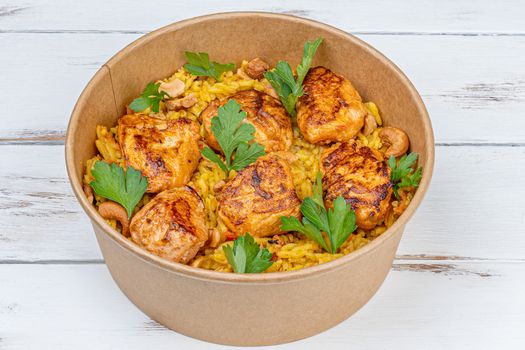
Brown rice bowl on this page is 80g dry brown rice per person, roasted vegetables, and a simple homemade teriyaki sauce — about 420 calories and 12g protein per serving. It is a balanced vegetarian lunch that requires no special ingredients and comes together in 30 minutes. It is not a fried rice dish or a sushi rice bowl — this is nutty whole-grain rice with roasted vegetables and a glossy sauce.
If you want more protein, add crispy tofu, a fried egg, or edamame. If you want a faster rice, use instant brown rice or leftover rice. This URL is the simple vegetable rice bowl — a template you can customize endlessly based on what is in your fridge.
Nutrition and macros by portion
The label is one of two servings: 420 calories, 12g protein, 64g carbs, 12g fat.
| Portion | Adjustment | Calories | Protein | Carbs | Fat |
|---|---|---|---|---|---|
| Lower carb | Half the rice (40g dry) | 320 | 10g | 40g | 12g |
| This serving | As written | 420 | 12g | 64g | 12g |
| With protein | Add 100g tofu or 1 egg | 500 | 20g | 64g | 18g |
The carbs come primarily from the brown rice — 80g dry per person. The protein is modest (12g) because this is a vegetable-focused bowl. Add tofu, tempeh, edamame, or an egg to boost protein to 20g+. Two protein additions can bring this bowl to 25g+ protein while keeping it plant-based friendly.
Brown rice basics
Brown rice retains the bran and germ that white rice lacks. This means more fiber, B vitamins, and a lower glycemic index — steadier blood sugar instead of a spike and crash. It also means a nuttier flavor and chewier texture, which some people love and others need to acquire.
Cooking brown rice: Rinse 160g (for 2 servings) in cold water until the water runs mostly clear. Combine with 400ml salted water in a pot. Bring to a boil, reduce heat to low, cover, and simmer 25–30 minutes. Do not lift the lid during cooking — steam escapes and disrupts the cooking process. When done, the water should be absorbed and the rice tender but still slightly chewy. Fluff with a fork and let sit uncovered for 5 minutes to release excess moisture.
A rice cooker simplifies this entirely. Add rice and water (usually 1:2 ratio for brown rice), press the button, walk away. If you eat rice regularly, a rice cooker is a worthwhile investment — it produces perfect rice every time without attention.
The science of brown rice nutrition
Brown rice has about 3x the fiber of white rice (2–3g per serving vs. ~0.5g). It contains more magnesium (about 20% of daily value), phosphorus, and B vitamins because the nutrient-rich bran and germ are intact. The glycemic index is lower (about 50 vs. 70+ for white rice), meaning your blood sugar rises more slowly and you stay full longer.
The bran layer also contains lignans and ferulic acid — antioxidants linked to reduced inflammation and heart disease risk. Brown rice is a whole grain, and studies consistently show that whole grain consumption is associated with lower mortality and reduced chronic disease risk. White rice is stripped of these nutrients during processing.
The downside: brown rice takes longer to cook (25–30 minutes vs. 12–15 for white), has a chewier texture, and some people find the flavor too "healthy-tasting." If you are transitioning from white rice, start with a 50/50 blend or try a medium-grain brown rice, which is softer than long-grain.
Roasted vegetables in 20 minutes
While the rice cooks, prepare 300g of mixed vegetables. This recipe uses bell peppers, zucchini, and carrots — they hold up well to high heat and add color. Cut everything into similar-sized pieces (about 1-inch cubes or slices) for even cooking.
Toss with 1 tbsp olive oil, salt, and pepper. Spread in a single layer on a sheet pan — crowding leads to steaming instead of roasting. You want space between pieces for air to circulate. Roast at 200°C (400°F) for 20 minutes until tender and slightly charred at the edges. Flip halfway through for even browning if you have time, but it is not strictly necessary.
Other vegetables that work: broccoli (florets only, stems take longer), cauliflower, sweet potato (cut smaller, takes 25–30 minutes), mushrooms (spread very thin or they steam), asparagus (watch closely, only 12–15 minutes), Brussels sprouts (halved), eggplant, onion wedges. Use whatever you have. The technique is the same: oil, season, high heat, single layer.
The teriyaki sauce
Skip the bottled sauce — homemade takes 2 minutes and tastes better without the preservatives and excessive sugar. Whisk together:
- 2 tbsp soy sauce (use tamari for gluten-free)
- 1 tbsp honey (or maple syrup for vegan)
- 1 tbsp sesame oil
- 2 cloves minced garlic
Heat in a small pan for 1–2 minutes until slightly thickened and fragrant. That is it. The sauce is savory-sweet with a nutty sesame finish. Drizzle over the assembled bowl. Leftover sauce keeps refrigerated for a week.
For a thicker glaze that clings to vegetables, add 1 tsp cornstarch mixed with 1 tbsp water and simmer until it coats a spoon. For more depth, add a splash of rice vinegar for brightness or a pinch of fresh ginger for warmth. Some like a touch of sriracha for heat.
Assembling the bowl
Divide cooked brown rice between two bowls. Top with roasted vegetables in an artful arrangement — don't just dump, place with intention. Drizzle with teriyaki sauce. Sprinkle with sesame seeds (toasted if possible). Serve immediately.
The bowl is a template. Add-ins that work:
- Protein: Fried or baked tofu, tempeh, edamame, fried egg, poached egg, rotisserie chicken, grilled salmon.
- Crunch: Sliced cabbage, raw carrot ribbons, crushed peanuts, crispy shallots, nori strips.
- Freshness: Sliced green onion, cilantro, lime wedge, pickled ginger, cucumber.
- Heat: Sriracha, chili garlic sauce, pickled jalapeños, kimchi.
- Creaminess: Avocado, tahini drizzle, spicy mayo.
The base (rice + roasted veg + teriyaki) stays at 420 calories. Each add-in adjusts the total — track if needed.
Meal prep brown rice bowls
Brown rice keeps refrigerated for 3–4 days. Cold leftover rice is actually ideal for grain bowls — it is drier and does not clump. Roasted vegetables keep similarly and actually improve as flavors meld. The teriyaki sauce keeps for a week in the fridge.
Prep on Sunday: cook a big batch of rice (400g dry makes enough for 5 lunches), roast two sheet pans of vegetables, make a double batch of sauce. Assemble bowls throughout the week. Microwave rice and vegetables for 90 seconds, drizzle with cold sauce (or warm it separately for 30 seconds). Add fresh toppings — green onion, sesame seeds, avocado — at serving time.
The bowl tastes best with warm rice, warm vegetables, and room-temperature sauce. Cold straight from the fridge works but is less satisfying. Do not add avocado until ready to eat — it browns.
Customizing for different diets
Lower carb: Replace half or all of the rice with cauliflower rice. Roast the cauliflower rice at the same temperature for 15 minutes, or sauté in a pan for 5 minutes until tender.
Higher protein: Add 100g baked tofu (8g protein), 100g edamame (11g protein), or 1 fried egg (6g protein). Two add-ins bring the bowl to 25g+ protein.
Gluten-free: Use tamari instead of soy sauce. Everything else is naturally gluten-free.
Vegan: Use maple syrup instead of honey in the teriyaki. Skip egg-based add-ins. Add tofu or tempeh for protein.
Low-sodium: Use low-sodium soy sauce or coconut aminos. Skip the extra salt on vegetables.
Instant brown rice shortcut
Instant brown rice cooks in 10 minutes and has similar nutrition to regular brown rice. The texture is slightly softer and less chewy. For weeknight cooking, it is an excellent compromise when you do not have 30 minutes or leftover rice on hand.
Microwave brown rice pouches work too — they are fully cooked and just need 90 seconds to heat. More expensive per serving but zero cleanup and consistent results. Keep a few in the pantry for emergencies.
Common mistakes and how to avoid them
Not rinsing rice: Brown rice has surface starch that makes it gummy. Rinse until the water runs mostly clear.
Lifting the lid: Do not check the rice during cooking. Steam escapes and the rice will not cook evenly. Trust the timing.
Crowding vegetables: One layer, not piled. Steam equals soft vegetables. Space equals caramelization.
Using cold rice: Leftover rice is fine but microwave it to warm through. Cold rice in a warm bowl is jarring.
Drowning in sauce: The teriyaki should be a drizzle, not a pool. You can always add more; you cannot take it away.
Skipping the sesame seeds: They add crunch and make the bowl look restaurant-ready. Toast them for 2 minutes in a dry pan for extra flavor.
Same vegetables every time: Rotate your vegetables weekly to avoid bowl fatigue. The technique stays the same; the combinations keep it interesting.
The 30-minute vegetarian lunch
Rice in the pot. Vegetables on the sheet pan. Sauce in a small pan. Everything cooks simultaneously and comes together in 30 minutes. 420 calories, 12g protein, 64g carbs from whole grains — a balanced vegetarian plate without anything fancy.
Add tofu for protein. Add sriracha for heat. Add a fried egg for richness. The bowl is a template. Master the base, then make it yours. Brown rice, roasted vegetables, teriyaki drizzle, sesame seeds. Done. The grain bowl that proves healthy eating does not have to be complicated or boring.