
What is a berry smoothie?
Berry smoothie on this page is 150g frozen mixed berries blended with banana, Greek yogurt, and milk — about 250 calories and 12g protein. It is the quick, vitamin-rich breakfast or snack that takes under 3 minutes from freezer to glass. It is not a milkshake or a sugar bomb — this is real fruit, real yogurt, minimal added sweeteners.
If you want a smoothie bowl you can eat with a spoon, use less liquid. If you want more protein, add protein powder or extra yogurt. This URL is the classic berry smoothie — simple, refreshing, and genuinely nutritious.
Nutrition and macros by portion
The label is one smoothie: 250 calories, 12g protein, 42g carbs, 4g fat.
| Portion | Adjustment | Calories | Protein | Carbs | Fat |
|---|---|---|---|---|---|
| Lighter | Skip banana, use water | 150 | 10g | 22g | 2g |
| This serving | As written | 250 | 12g | 42g | 4g |
| Protein boost | Add 1 scoop protein powder | 350 | 32g | 44g | 5g |
The protein comes from Greek yogurt (about 10g per 100g). The carbs are natural sugars from the fruit — no added sugar if you skip the optional honey. Berries are among the lowest-sugar fruits, making this smoothie more blood-sugar-friendly than tropical fruit versions.
Why frozen berries work best
Frozen berries make better smoothies than fresh for several reasons:
- Texture: Frozen fruit creates a thick, frosty smoothie without watering it down with ice.
- Consistency: Frozen berries are picked and frozen at peak ripeness, so quality is consistent year-round.
- Cost: Frozen berries are significantly cheaper than fresh, especially out of season.
- Convenience: No washing, no spoilage — they keep for months in the freezer.
Fresh berries work but add ice to achieve the right consistency, which dilutes flavor. If using fresh, freeze them for 30 minutes before blending for best results.
Choosing your berries
Mixed berries: Pre-mixed bags typically contain strawberries, blueberries, raspberries, and blackberries. This combination provides variety and a balanced flavor.
Single berry: All-blueberry smoothies are sweeter and milder. All-raspberry smoothies are more tart. All-strawberry is classic and crowd-pleasing.
Acai: Frozen acai puree makes a darker, more antioxidant-rich smoothie with an earthy flavor.
Berries are among the most antioxidant-rich foods available. They are high in vitamin C, fiber, and polyphenols that support brain and heart health.
The banana factor
Half a banana adds natural sweetness, creaminess, and helps the smoothie blend smoothly. Frozen banana chunks (peel and freeze ripe bananas) create an even thicker, more ice-cream-like texture.
Banana alternatives: If you dislike banana or want fewer carbs, substitute with 1/4 avocado for creaminess without sweetness, or skip it entirely and add more yogurt.
Greek yogurt for protein
Greek yogurt adds protein and creates a creamy base. Use plain Greek yogurt — flavored varieties add unnecessary sugar. The tanginess of Greek yogurt balances the sweetness of the fruit.
Alternatives: Regular yogurt works but has less protein. Silken tofu provides protein for a vegan version. Cottage cheese (blended smooth) adds even more protein with a similar texture.
The liquid component
120ml of liquid helps everything blend smoothly. Options include:
- Milk: Adds creaminess and a small amount of protein.
- Plant milk: Oat, almond, soy — each adds a slightly different flavor. Oat is creamiest.
- Water: Zero calories, lets the fruit flavor dominate.
- Juice: Adds sweetness and calories — use sparingly or skip.
- Coconut water: Adds electrolytes and a subtle tropical note.
Start with less liquid than you think you need. You can always add more, but you cannot remove it. A thicker smoothie feels more substantial.
Blending technique
Add liquid first, then yogurt, then soft fruit (banana), then frozen fruit on top. This order helps the blender work efficiently — liquid at the bottom creates a vortex that pulls ingredients down.
Blend on high for 45–60 seconds until completely smooth. Stop and scrape down the sides if chunks remain. For high-powered blenders (Vitamix, Blendtec), 30 seconds is usually sufficient.
Optional add-ins
For protein: Protein powder (20–25g per scoop), collagen peptides, hemp seeds (3 tbsp = 10g protein), nut butter.
For nutrition: Spinach (undetectable in flavor, adds iron and vitamins), flaxseed or chia seeds (omega-3s and fiber), ginger (anti-inflammatory).
For flavor: Vanilla extract, cinnamon, cocoa powder, almond extract, fresh mint.
For sweetness: Honey, maple syrup, dates, stevia — usually unnecessary with ripe fruit.
Smoothie vs. smoothie bowl
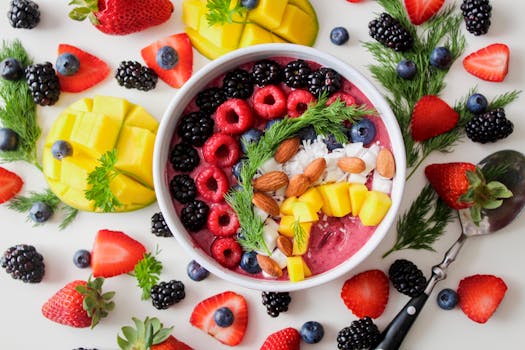
A smoothie bowl is a thicker smoothie eaten with a spoon, topped with granola, fruit, and seeds. To make a bowl version:
- Use less liquid (about 60ml instead of 120ml)
- Add more frozen fruit for thickness
- Pour into a bowl and add toppings: sliced banana, granola, coconut flakes, chia seeds, nut butter drizzle
Bowls take longer to eat and feel more like a meal. Drinks are faster and more portable.
Common mistakes and how to avoid them
Too thin: Use more frozen fruit, less liquid. Frozen fruit is the key to thickness.
Too icy/chunky: Blend longer. Add a splash more liquid if needed to help the blender work.
Not sweet enough: Use ripe banana and berries. Add a drizzle of honey if needed.
Tastes flat: Add a pinch of salt — it enhances sweetness perception.
Separates when sitting: Drink immediately or stir before drinking. Smoothies do not store well.
Smoothie nutrition strategy
Smoothies can be either healthy or calorie bombs depending on what goes in. A well-designed smoothie provides:
- Protein: From Greek yogurt, protein powder, or nut butter — keeps you full
- Fiber: From whole fruits, vegetables, or seeds — slows sugar absorption
- Healthy fats: From avocado, nut butter, or chia seeds — sustains energy
- Vitamins: From whole fruits and vegetables — actual nutrition
Avoid: large amounts of juice (sugar without fiber), excessive sweeteners, and giant portions. A 500ml smoothie with fruit juice, banana, sweetened yogurt, and honey can exceed 500 calories — more than many meals.
Freezing smoothie packs
For ultimate convenience, pre-portion smoothie ingredients into freezer bags:
- Add 150g frozen berries, 1/2 banana (sliced), and any add-ins to a bag
- Label with the date
- Freeze flat for easy storage
- When ready, dump contents into blender, add yogurt and liquid, blend
This reduces morning smoothie time to about 90 seconds. Make 5 bags on Sunday for a week of easy breakfasts.
The science of smoothie thickness
Smoothie texture depends on the ratio of frozen to liquid ingredients:
- Thick (smoothie bowl): More frozen fruit, less liquid (1:4 ratio liquid to frozen).
- Drinkable: Standard ratio (1:2 liquid to frozen).
- Thin (easy drinking): More liquid, less frozen (1:1 ratio).
Frozen fruit is essential — it creates thickness without diluting flavor like ice does. The banana contributes creaminess; Greek yogurt adds body and protein. Adjust the liquid gradually until you hit your preferred consistency.
Blender matters
Not all blenders handle frozen fruit equally:
- High-powered (Vitamix, Blendtec, Ninja): Pulverizes everything to silk in 30 seconds. Worth the investment if you make smoothies daily.
- Standard countertop: Works but may need more liquid and longer blending. Let the motor rest if it strains.
- Personal/bullet blenders: Good for single servings, may struggle with large frozen chunks.
- Immersion blenders: Not recommended for smoothies — not powerful enough for frozen fruit.
If your blender struggles, add more liquid, use smaller frozen fruit pieces, or add ingredients in stages (liquid and yogurt first, then frozen fruit gradually).
Smoothies for different goals
Weight loss: Use water instead of milk, skip the banana, focus on berries and greens. Keep under 250 calories.
Muscle gain: Add protein powder, peanut butter, whole milk, and extra banana. Can easily reach 500+ calories.
Energy boost: Add a shot of espresso or matcha powder. The natural sugars provide quick energy while protein sustains it.
Recovery: Include tart cherry juice for anti-inflammatory benefits, plus adequate protein.
The base recipe is balanced. Adjust ingredients to match your specific nutritional needs.
The 3-minute breakfast
Frozen berries, banana, Greek yogurt, milk, blend. 250 calories, 12g protein, 3 minutes, a real breakfast you can drink on the go or sip slowly while you wake up.
Frozen berries for texture and nutrition. Greek yogurt for protein. Banana for sweetness. That is the formula. The smoothie that proves healthy breakfast can be fast, delicious, and require zero cooking.