What is beef stir-fry?
Beef stir-fry on this page is 400g thinly sliced sirloin, bell peppers, and broccoli in a savory soy-garlic sauce — about 450 calories and 36g protein per serving without rice. It is a 20-minute high-protein dinner that rivals any takeout. It is not a slow-cooked beef braise or a sweet teriyaki bowl.
If you want ground beef in a spicy sauce, that is a different dish. If you want beef in a rice bowl with avocado, try beef meatballs on rice. This URL is classic stir-fry: sliced beef, vegetables, high heat, fast cooking.
Nutrition and macros by portion
The label is one of two servings: 450 calories, 36g protein, 18g carbs, 26g fat (without rice).
| Portion | Adjustment | Calories | Protein | Carbs | Fat |
|---|---|---|---|---|---|
| Lower fat | Lean sirloin, less oil | 380 | 38g | 18g | 18g |
| This serving | As written, no rice | 450 | 36g | 18g | 26g |
| With rice | Add 100g cooked jasmine rice | 580 | 38g | 48g | 26g |
The protein comes from the beef — 200g raw sirloin per serving delivers about 36g. The carbs are from the vegetables and a touch of cornstarch in the marinade. Add rice and you have a complete 580-calorie meal that will keep you full for hours.
The right cut and how to slice it
Sirloin is the best balance of flavor, tenderness, and price. Flank steak and flat iron also work well. Whatever you choose, slice against the grain as thin as possible — about 3mm. The grain is the direction of the muscle fibers; cutting across them shortens the fibers and makes the meat tender.
Freezer trick: Put the beef in the freezer for 20 minutes before slicing. Partially frozen meat is much easier to cut thin. This single tip transforms home stir-fry from chewy to restaurant-quality. Professional Chinese kitchens often use partially frozen meat for exactly this reason.
If buying pre-sliced beef for stir-fry, check that it is cut against the grain. Some supermarket pre-cuts are sliced with the grain and will be chewy no matter how you cook them.
The cornstarch marinade
Toss the sliced beef with 1 tbsp soy sauce and 1 tsp cornstarch. Let it sit for 5 minutes while you prep vegetables. The cornstarch does two things: it tenderizes the meat and creates a thin coating that browns beautifully in the hot wok. This technique is called "velveting" in Chinese cooking and is the secret to restaurant-quality texture.
Do not skip the marinade. Unmarinated beef stir-fry is tough and gray. The soy sauce adds flavor and the cornstarch creates that glossy, slightly sticky texture you expect from takeout. For extra tenderness, add a pinch of baking soda to the marinade — it breaks down proteins even further. Rinse it off before cooking if you use this trick.
High heat is mandatory
Stir-fry means fast cooking over very high heat. Your wok or largest skillet should be smoking hot before any food goes in. If you do not have good ventilation, open windows and turn on the exhaust fan — this will smoke.
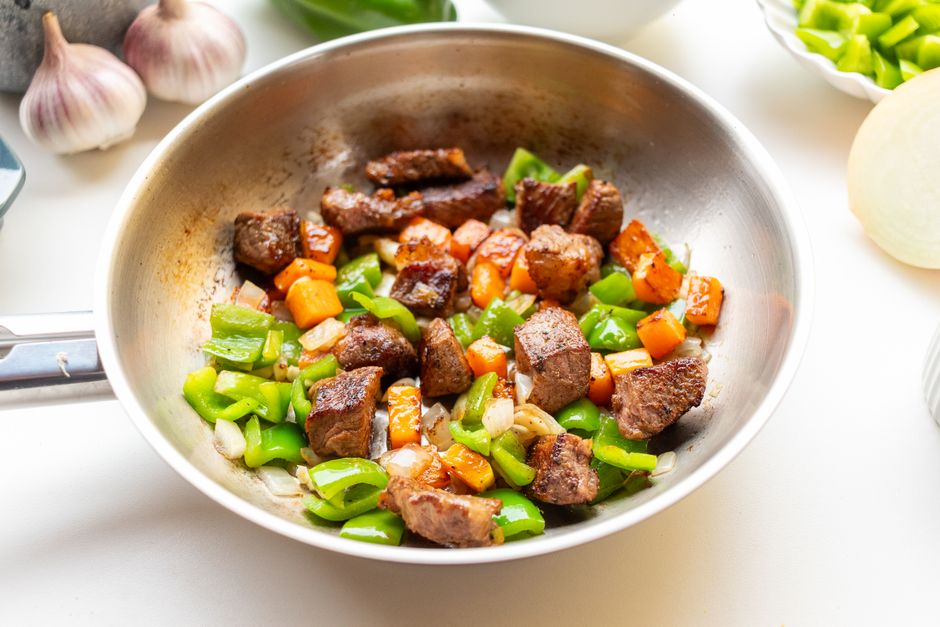
Cook in batches: 400g of beef will not sear properly all at once. Divide it in half. Sear the first batch for 2 minutes per side until browned, remove to a plate, repeat with the second batch. Overcrowded beef releases moisture and steams instead of searing. The goal is "wok hei" — that smoky, charred flavor that defines great stir-fry.
If your stove cannot get hot enough (common with electric ranges), work in smaller batches and give the pan time to recover heat between additions.
Vegetables go in after the beef
Remove the seared beef. Add a splash of sesame oil, then the broccoli and bell peppers. Stir-fry 3–4 minutes until the vegetables are crisp-tender and have some char spots. Add minced garlic (3 cloves) in the last 30 seconds — garlic burns quickly over high heat and turns bitter.
The remaining 2 tbsp soy sauce goes in with the vegetables. It will sizzle and reduce, coating everything in savory flavor. If you want more sauce, add 2 tbsp water mixed with 1 tsp cornstarch for a glossier finish that clings to the vegetables.
Combine and serve immediately
Return the beef to the wok. Toss everything together for 1 minute to combine and heat through. The beef is already cooked — you are just rewarming and marrying the flavors. Overcooking at this stage makes the meat tough.
Serve immediately over steamed rice, or eat as-is for a lower-carb option. The dish does not hold well — the vegetables continue cooking from residual heat and the beef toughens as it sits. Stir-fry is a cook-and-eat dish, not a make-ahead meal. Have everything prepped, your rice ready, and your plates on the table before you fire up the wok.
The sauce variations
Basic (this recipe): 3 tbsp soy sauce total, 1 tbsp sesame oil, garlic. Clean, savory, lets the beef shine.
Oyster sauce version: Replace 1 tbsp soy sauce with oyster sauce for a richer, sweeter note.
Spicy: Add 1 tsp chili garlic paste or sambal with the garlic.
Ginger-scallion: Add 1 tbsp minced ginger with the garlic, finish with sliced scallions.
Black bean: Add 1 tbsp fermented black bean paste for umami depth.
All variations stay in the same calorie range. The sauce is measured, not poured freely.
Why wok beats skillet (but skillet works)
A carbon steel wok heats faster, has sloped sides that make tossing easier, and can handle the high heat stir-fry requires. But most home stoves cannot get a wok hot enough — the round bottom sits above the flame. A large cast-iron or stainless skillet with good heat retention often works better at home.
Whatever you use: preheat it properly, do not overcrowd it, and do not move the beef until it has seared. The sizzle should be aggressive. If it is not, wait for the pan to recover heat before adding more food. A flat-bottomed wok is a good compromise for home cooking — it sits directly on the burner while retaining the sloped sides.
Seasoning your wok
A well-seasoned carbon steel wok is naturally nonstick and develops better flavor over time. New woks need to be seasoned: scrub off any factory coating, heat the dry wok until smoking, coat with a thin layer of neutral oil, heat again until smoking, wipe and repeat 3–4 times. The surface will darken to a bronze or black color.
After cooking, rinse with hot water and a brush — no soap. Dry immediately over heat to prevent rust. A thin coat of oil after drying keeps the seasoning intact. Properly maintained, a carbon steel wok lasts decades and improves with every use.
Meal-prep stir-fry
Prep the components separately: slice and marinate beef (refrigerate up to 24 hours), chop vegetables, measure sauce ingredients. When ready to eat, the cooking takes 10 minutes. This is faster than reheating a pre-made stir-fry and tastes significantly better.
If you must cook ahead: slightly undercook the vegetables, cool quickly, refrigerate. Reheat in a hot pan with a splash of water to steam the vegetables back to life. The beef will be slightly less tender than fresh, but acceptable. Never microwave stir-fry — it steams everything into mush and ruins the texture.
Broccoli and bell peppers — and what else works
This recipe uses broccoli (150g) and mixed bell peppers (2 large) because they hold up to high heat and add color. Other vegetables that work:
- Snap peas or snow peas — 2 minutes in the wok.
- Zucchini — cut into half-moons, 3 minutes.
- Mushrooms — slice thick, 4 minutes until browned.
- Bok choy — halve small heads, 3 minutes.
- Green beans — blanch first, then stir-fry 2 minutes.
- Asparagus — cut into 2-inch pieces, 3 minutes.
Avoid watery vegetables like tomatoes or cucumber — they release liquid and steam instead of sear. Frozen vegetables are a last resort; they contain ice water and will not caramelize properly.
Common mistakes and how to avoid them
Thick-cut beef: Thin slices are non-negotiable. Thick beef does not cook through in stir-fry time.
Cold pan: The oil should shimmer and almost smoke before food goes in.
Overcrowding: Cook in batches. Every time. No exceptions.
Wet vegetables: Dry your broccoli after washing. Water equals steam equals no sear.
Adding sauce too early: Sear the beef first, then add sauce. Sauce in a cold pan makes braised beef, not stir-fry.
Stirring constantly: Let the beef sit for 30–60 seconds to sear, then stir. Constant movement prevents browning.
Burnt garlic: Add garlic in the last 30 seconds. Burnt garlic is bitter and ruins the dish.
Pairing and serving suggestions
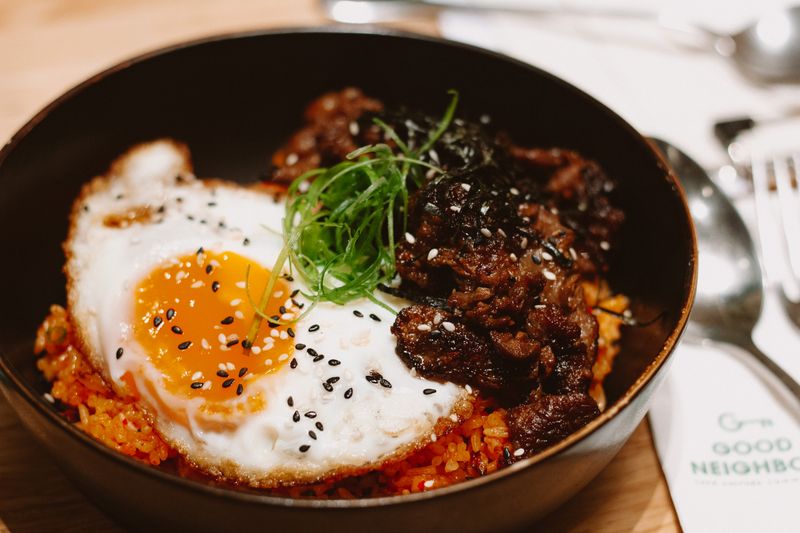
Serve over jasmine rice, brown rice, or cauliflower rice for low-carb. A fried egg on top adds richness. Sliced scallions and sesame seeds make it look restaurant-ready. A squeeze of lime brightens the flavors.
For a complete meal, pair with a simple cucumber salad: sliced cucumber, rice vinegar, sesame oil, and a pinch of sugar. The cool, acidic salad balances the hot, savory stir-fry.
The 20-minute high-protein dinner
Slice beef thin, marinate 5 minutes. Heat wok smoking hot. Sear beef in batches, 2 minutes per side. Remove. Vegetables 4 minutes. Garlic 30 seconds. Sauce, toss. Beef back in, 1 minute. Plate over rice or eat straight. 450 calories, 36g protein, better than takeout, 20 minutes.
The technique is simple but the details matter. Thin slices. Screaming-hot pan. Batches. Cornstarch marinade. That is the difference between chewy home stir-fry and the beef stir-fry you remember from restaurants. Master this recipe and you will never order beef stir-fry for delivery again.