

7-Day Meal Plan for Muscle Gain and Fat Loss
By Our Nutrition Team |
Get My Body Recomp PlanHigh-protein meals (150-180g/day) optimized for simultaneous muscle building and fat loss. Carbs timed around workouts, macro-calculated recipes designed for body recomposition results.
Nutrition Guidelines for Muscle Gain and Fat Loss
Body recomposition requires precise nutrition — not just eating clean, but eating strategically. These evidence-based guidelines determine whether you gain muscle, lose fat, or achieve both simultaneously:
| Nutrient | Target | Example (80kg Person) | Why It Matters |
|---|---|---|---|
| Calories | Maintenance or -200 to -300 | 2,000–2,400 kcal/day | Slight deficit forces the body to use stored fat while preserving muscle |
| Protein | 1.6–2.2g per kg/day | 128–176g/day | Maximizes muscle protein synthesis and preserves lean mass during fat loss |
| Carbohydrates | 2–4g per kg/day | 160–320g/day | Fuels training performance and replenishes glycogen for recovery |
| Fat | 0.8–1g per kg/day | 64–80g/day | Supports testosterone, estrogen, and thyroid hormone production |
| Protein per Meal | 30–50g (every 3–4 hrs) | 4–5 protein feedings | Maintains elevated MPS throughout the day (leucine threshold of 2.5–3g) |
| Water | 35ml per kg/day | 2.8L/day | Dehydration impairs strength by 10–20% and slows protein synthesis |
| Fiber | 25–35g/day | From vegetables, oats, lentils | Improves satiety, gut health, and nutrient absorption |
Best Foods for Muscle Gain and Fat Loss
Successful body recomposition requires foods that are high in protein relative to their calories. These foods maximize muscle protein synthesis while keeping you in a slight deficit or at maintenance:
| Food | Protein per 100g | Calories per 100g | Why It Works for Recomp |
|---|---|---|---|
| Chicken Breast | 31g | 165 kcal | Highest protein-to-calorie ratio of any whole food |
| Turkey Breast | 29g | 135 kcal | Ultra-lean with tryptophan for improved sleep and recovery |
| Lean Ground Beef (95%) | 26g | 137 kcal | Iron, zinc, B12, and natural creatine for strength |
| Cod / White Fish | 18g | 82 kcal | Extremely low calorie — perfect for high-volume protein intake |
| Salmon | 20g | 208 kcal | Omega-3s reduce inflammation and accelerate recovery |
| Shrimp | 24g | 99 kcal | High protein, almost zero fat — ideal for recomp cutting phases |
| Whole Eggs | 13g | 155 kcal | Complete amino acids, vitamin D, cholesterol for hormones |
| Greek Yogurt (0%) | 10g | 59 kcal | Casein protein for sustained amino acid release overnight |
| Cottage Cheese | 11g | 98 kcal | Slow-digesting casein drip-feeds amino acids for hours |
| Sweet Potato | 2g | 86 kcal | Complex carbs for sustained workout energy and potassium |
| Oats | 13g | 389 kcal | Beta-glucan fiber and slow-release carbs for training energy |
| Quinoa | 4g | 120 kcal | Complete plant protein with all nine essential amino acids |
| Avocado | 2g | 160 kcal | Monounsaturated fats support testosterone and reduce cortisol |
Training Day vs Rest Day Nutrition
Successful body recomposition isn’t just about what you eat — it’s about when. Adjusting your macros based on whether you’re training or resting optimizes both muscle gain and fat loss:
| Factor | Training Day | Rest Day |
|---|---|---|
| Calories | Maintenance or slight surplus (+100) | Slight deficit (-200 to -300) |
| Protein | Same: 1.6–2.2g/kg (non-negotiable) | Same: 1.6–2.2g/kg (non-negotiable) |
| Carbs | Higher — 3–4g/kg (fuel performance) | Lower — 2–2.5g/kg (reduce to create deficit) |
| Fat | Moderate — 0.8g/kg | Slightly higher — 1g/kg (supports hormones) |
| Meal Timing | Pre/post workout meals with carbs + protein | Even protein distribution every 3–4 hours |
| Focus | Performance & muscle growth | Recovery & fat oxidation |
Body Recomposition Diet FAQ
What is body recomposition?
Body recomposition (body recomp) is the process of simultaneously building lean muscle and losing body fat. Unlike traditional bulking and cutting cycles where you alternate between calorie surpluses and deficits, recomposition aims to change your body composition — more muscle, less fat — at roughly the same body weight. It requires a precise combination of high protein intake (1.6–2.2g per kg of body weight), resistance training, and either maintenance calories or a very slight caloric deficit of 200–300 calories. Research published in the Journal of the International Society of Sports Nutrition confirms that body recomposition is achievable, particularly for beginners, detrained individuals, and those carrying excess body fat.
Can you build muscle and lose fat at the same time?
Yes — building muscle and losing fat simultaneously is scientifically proven. A 2020 meta-analysis in Sports Medicine found that concurrent muscle gain and fat loss occurs most effectively in four populations: 1) Beginners new to resistance training, 2) Detrained individuals returning to exercise, 3) People with higher body fat percentages (above 20% for men, 30% for women), and 4) Those eating high protein (1.6g+ per kg). The keys are consistent progressive overload in the gym, protein intake of at least 1.6g per kg of body weight spread across 3–4 meals daily, adequate sleep (7–9 hours), and either maintenance calories or a mild deficit no greater than 300 calories below TDEE.
How many calories should I eat for body recomposition?
For body recomposition, eat at maintenance calories (your Total Daily Energy Expenditure) or a very slight deficit of 200–300 calories below TDEE. A typical range for active individuals is 2,000–2,400 calories per day, though this varies by body size, activity level, and metabolism. Eating too far below maintenance (more than a 500 calorie deficit) makes it nearly impossible to build muscle because your body prioritizes survival over growth. Eating at a large surplus promotes excessive fat gain. The sweet spot for recomp is just below or at maintenance — enough energy to fuel muscle protein synthesis while allowing your body to tap into fat stores for the remaining energy needs.
How much protein do I need for body recomp?
For body recomposition, aim for 1.6–2.2 grams of protein per kilogram of body weight per day. For an 80kg (176lb) person, that is 128–176g of protein daily. Research consistently shows that higher protein intake during recomposition preserves lean mass during fat loss and maximizes muscle protein synthesis. Distribute protein evenly across meals — 30–50g per meal, every 3–4 hours — to maintain elevated muscle protein synthesis throughout the day. Each meal should include a complete protein source: chicken breast, lean beef, fish, eggs, Greek yogurt, or cottage cheese. A leucine threshold of 2.5–3g per meal (found in approximately 30g of animal protein) is required to trigger maximal muscle protein synthesis.
What is the best macro split for body recomposition?
The optimal macro split for body recomposition is approximately 35% protein, 35% carbohydrates, and 30% fat. For a 2,200 calorie diet, that translates to roughly 190g protein, 190g carbs, and 73g fat. However, protein should be calculated by body weight (1.6–2.2g/kg) rather than percentage. Carbohydrates should be prioritized around workouts — higher on training days, slightly lower on rest days. Fat should not drop below 0.8g per kg of body weight to maintain healthy hormone production (testosterone, estrogen, thyroid hormones). The exact ratio matters less than hitting your protein target and staying at or near maintenance calories.
Does nutrient timing matter for building muscle and losing fat?
Nutrient timing has a moderate but meaningful impact on body recomposition. The most important timing principles are: 1) Eat protein every 3–4 hours to sustain elevated muscle protein synthesis — research shows 4–5 protein feedings per day outperform 2–3 for muscle growth. 2) Consume carbohydrates before and after resistance training — pre-workout carbs fuel performance, post-workout carbs replenish glycogen and enhance protein uptake. 3) Include 30–40g of protein within 2 hours post-workout to maximize the anabolic window. 4) Consider casein protein (cottage cheese, Greek yogurt) before bed to support overnight muscle recovery. While total daily intake matters most, strategic timing can improve results by 10–15% according to current research.
How long does body recomposition take to see results?
Visible body recomposition results typically appear in 8–12 weeks with consistent training and nutrition. However, measurable changes begin much sooner: strength increases within 2–3 weeks, body measurements shift within 4–6 weeks, and visible changes in the mirror appear by 8–12 weeks. The scale is a poor indicator of recomp progress because you may gain 2–3 kg of muscle while losing 2–3 kg of fat, resulting in minimal weight change. Better tracking methods include progress photos every 2 weeks, body measurements (waist, arms, thighs), strength progressions in the gym, and how clothes fit. Full body recomposition — a dramatic visual transformation — typically takes 4–6 months of dedicated effort.
Should I do cardio or weight training for body recomp?
Resistance training (weight training) should be your primary exercise for body recomposition — it directly stimulates muscle protein synthesis, which is the entire point of recomp. Aim for 3–5 resistance training sessions per week focusing on compound movements (squats, deadlifts, bench press, rows, overhead press). Cardio should be supplementary, not primary: 2–3 sessions per week of low-to-moderate intensity (walking, cycling, swimming) supports fat loss and cardiovascular health without interfering with recovery. Avoid excessive high-intensity cardio (more than 3 HIIT sessions per week) as it creates a recovery debt that impairs muscle growth. If you have limited time, always prioritize lifting over cardio for body recomposition.
Can beginners achieve body recomposition faster?
Yes — beginners experience the fastest body recomposition due to a phenomenon called "newbie gains." When you first start resistance training, your muscles are hypersensitive to the stimulus and respond with rapid growth, even in a caloric deficit. Studies show beginners can gain 1–1.5 kg of muscle per month while simultaneously losing fat for the first 6–12 months of training. This is because untrained muscles have a large capacity for growth and the neural adaptations are rapid. Detrained individuals (former athletes or people returning to the gym after a break) experience a similar effect due to muscle memory — satellite cells retain nuclei from previous training, allowing faster regrowth. After the first year of training, recomp becomes slower and requires more precise nutrition.
What are the best foods for building muscle while losing fat?
The best body recomposition foods are high in protein relative to their calories: chicken breast (31g protein per 100g, only 165 calories), egg whites (11g protein, 52 calories per 100g), Greek yogurt 0% (10g protein, 59 calories per 100g), cottage cheese (11g protein, 98 calories), lean ground beef 95% (26g protein, 137 calories), turkey breast (29g protein, 135 calories), salmon (20g protein, 208 calories — higher calorie but omega-3s support recovery), white fish like cod (18g protein, 82 calories), and shrimp (24g protein, 99 calories). For carbs, prioritize complex sources: sweet potatoes, oats, brown rice, and quinoa. For fats, focus on avocado, olive oil, nuts, and fatty fish.
Do I need supplements for body recomposition?
Supplements are not required for body recomposition — whole foods should always be the foundation. However, three supplements have strong evidence for improving results: 1) Creatine monohydrate (3–5g daily) — the most researched sports supplement, increases strength, power output, and lean mass by 5–10% beyond training alone. 2) Whey protein — convenient for hitting protein targets, especially post-workout when whole food appetite is low. 3) Vitamin D (if deficient) — low levels impair muscle protein synthesis and testosterone production. Caffeine before training can improve workout performance by 3–5%. Beyond these, most supplements (BCAAs, fat burners, testosterone boosters) have weak or no evidence for body recomposition. Spend your money on quality protein sources instead.
How do I track body recomposition progress?
The scale alone is unreliable for tracking body recomposition because muscle gain can offset fat loss, keeping weight stable. Use these five methods instead: 1) Progress photos — take front, side, and back photos every 2 weeks in the same lighting and clothing. 2) Body measurements — track waist circumference (fat loss indicator), arm circumference, and thigh circumference (muscle gain indicators) weekly. 3) Strength progression — if your lifts are consistently increasing, you are building muscle. 4) How clothes fit — pants feeling looser at the waist while shirts feel tighter in the shoulders is a classic recomp sign. 5) Body fat percentage — use calipers, DEXA scans, or a reliable smart scale every 4–6 weeks for the most objective tracking. The mirror and measurements together are the most practical indicators.
How to make a meal plan for muscle gain?
Set calories at maintenance or a surplus of about 250 to 400. Set protein at 1.6 to 2.2 grams per kilogram of body weight. Split that protein across 3 to 5 meals, with carbs around training and a source of fat at meals. Repeat a short list of foods you will actually cook, then lift 3 to 5 days a week. The sample week on this page is a starting grid you can scale to your calorie target.
How to meal plan for muscle gain?
Pick three proteins, two carb sources, and two vegetables, then rotate them across breakfast, lunch, and dinner so every meal has about 30 to 50 grams of protein. Cook once or twice and portion for three days. Keep calories steady for two weeks, then add food only if strength and weight are stuck.
How to build a meal plan for muscle gain?
Build it in this order: protein target first, then calories, then carbs and fats with what is left. Write seven days that repeat, not 21 unique recipes. Put the largest carb meal near your workout. Shop from that list so the plan survives a busy week.
How to create a meal plan for muscle gain?
Create it from foods you already eat. Add a palm of extra protein and a fist of carbs to current meals until you hit about 1.6 to 2.2 grams of protein per kilogram and a small surplus. Write the week down, including one repeat dinner, and adjust portions after two weeks of training logs.
Can I still build muscle on metformin?
Yes. People taking metformin still gain muscle with progressive lifting and enough protein. Some research in older adults found a slightly smaller training response, not a block. Do not stop or change the dose for the sake of the gym. Keep protein near 1.6 to 2.2 grams per kilogram and tell the prescriber you are training.
What is the 3-3-3 rule for meal prep?
Cook three proteins, three carbohydrate sources, and three vegetables, then mix them into meals for several days. Example: chicken, salmon, and eggs; rice, potatoes, and oats; broccoli, peppers, and spinach. That is enough variety without a new recipe every night, and each box still hits protein plus carbs.
What is a good diet plan for building muscle?
A good plan is a small calorie surplus, protein at 1.6 to 2.2 grams per kilogram, carbs to fuel lifting, and fats so hormones stay supported. Meals look like eggs and oats, chicken and rice, fish and potatoes, and yogurt or cottage cheese as a snack. The menu on this page is that pattern, written so you can raise portions if the goal is gain rather than recomposition.
What age is hardest to gain muscle?
Muscle is hardest to gain in older age, especially after about 60 to 70, when muscles respond less to protein and recovery is slower. Beginners at any age gain faster than people who have trained for years. Older adults still build muscle with lifting and a larger protein dose per meal, about 30 to 40 grams.
Free Tools for This Plan
Browse Recipes
Related Meal Plans
Explore other performance and body composition focused plans.
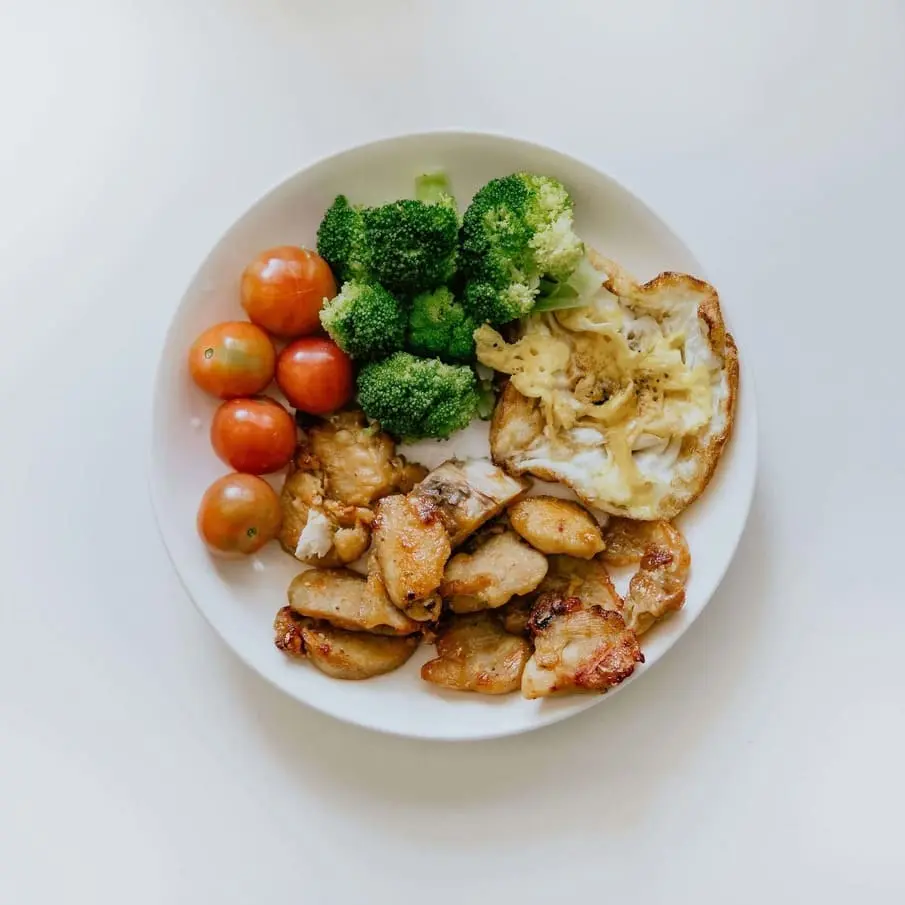
High-Protein Meal Plan
30–40% protein for strength, satiety, and muscle preservation.
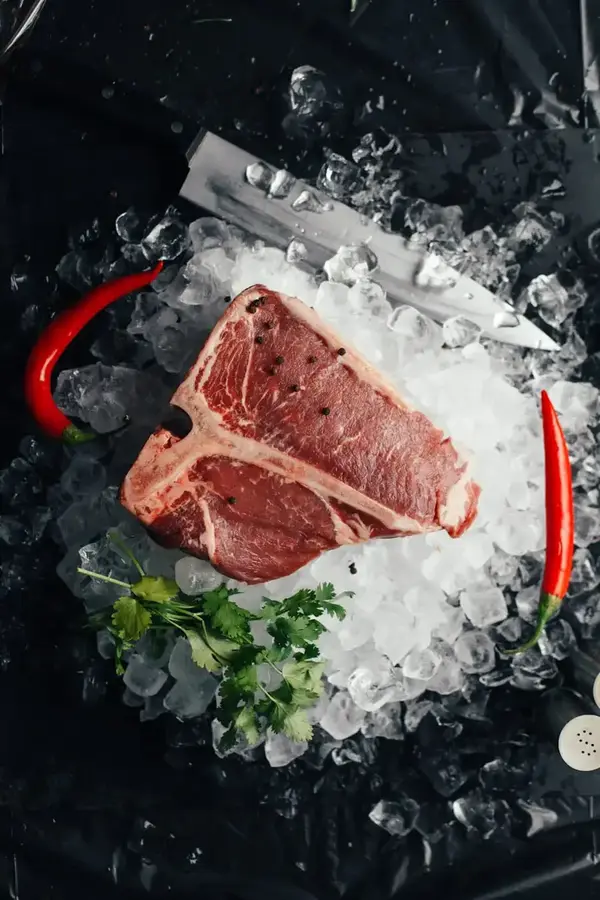
High-Protein Meal Plan
30–40% protein for strength, satiety, and muscle preservation.
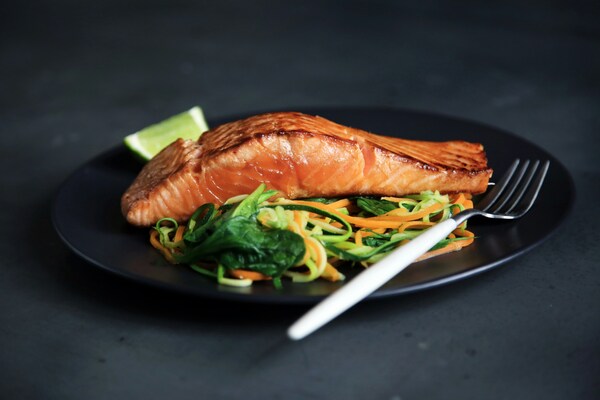
Calorie Deficit Meal Plan
Structured deficit for steady fat loss while keeping protein high.
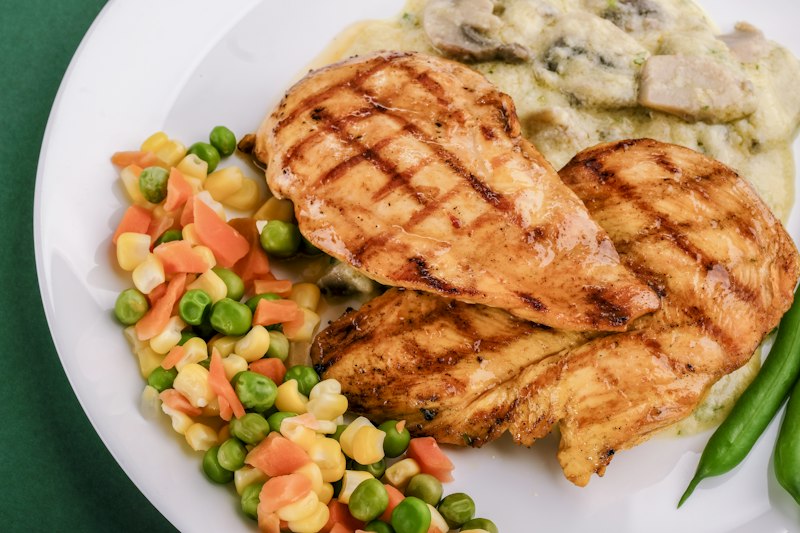
High-Protein Low-Carb Plan
Maximize protein while cutting carbs for rapid body composition change.
High-Protein Meal Plan
30–40% protein for strength, satiety, and muscle preservation.
Clean Eating Plan
Whole, unprocessed foods that support any body composition goal.
Ready to build muscle and lose fat at the same time?
Answer a few questions about your body, training schedule, and goals — get a personalized body recomposition meal plan with high-protein recipes, exact macros, nutrient timing, and a grocery list in minutes.
Get My Body Recomp Plan