
What are garlic herb roasted vegetables?
Garlic herb roasted vegetables are baby potatoes, carrots, and zucchini tossed with olive oil, garlic, and fresh herbs, then roasted until golden — about 260 calories and 6g protein per serving. This is the perfect family side dish that pairs with any protein. The potatoes get crispy outside and fluffy inside. The carrots caramelize and turn sweet. The zucchini develops charred edges.
This is not soggy, steamed vegetables. High-heat roasting creates caramelization and depth of flavor that boiling or steaming cannot match. If you want other vegetable side dishes, try roasted broccoli for something greener or mashed sweet potato for something creamy.
Nutrition and macros by portion
The nutrition label shows one serving (1/4 of the pan) as written: 260 calories, 6g protein, 40g carbs, 9g fat.
| Portion | Adjustment | Calories | Protein | Carbs | Fat |
|---|---|---|---|---|---|
| Lighter | More zucchini, less potato | 180 kcal | 5g | 26g | 8g |
| This serving | As written | 260 kcal | 6g | 40g | 9g |
| Hungry | Larger portion | 390 kcal | 9g | 60g | 14g |
The carbs come primarily from potatoes and carrots — both are starchy vegetables. The protein is low because vegetables are not protein-rich foods; pair with chicken, fish, or beef for a complete meal. The fat is from olive oil, which provides heart-healthy monounsaturated fats and helps achieve crispiness.
Vegetable selection and prep
The three vegetables in this recipe have different densities and cook at different rates. Cutting them to the right sizes ensures everything finishes at the same time:
Baby potatoes: Halve them so the cut side can brown against the pan. About 500g total.
Carrots: Cut into 2cm chunks. Smaller pieces cook faster; larger pieces stay firmer. About 200g (2-3 medium carrots).
Zucchini: Cut into 2cm dice. Zucchini cooks fastest and releases water, so larger pieces prevent mushiness. About 200g (1 medium zucchini).
The garlic technique
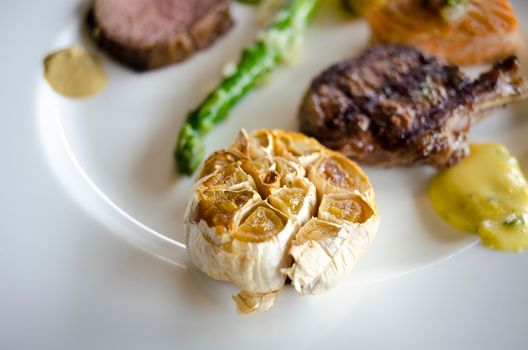
Mince 4 cloves of garlic. Toss it with the raw vegetables and oil before roasting. The garlic roasts along with the vegetables, becoming sweet and mellow rather than sharp and pungent. Some pieces will caramelize and crisp — these are delicious.
For extra garlic flavor, add more minced garlic in the last 10 minutes of roasting so some stays raw and pungent while the original batch caramelizes.
Fresh herbs: rosemary and thyme
Fresh rosemary and thyme are classic with roasted vegetables. Strip the leaves from 3-4 sprigs and scatter over the vegetables before roasting. The herbs release their oils in the oven heat, perfuming the entire dish.
Woody herbs like rosemary and thyme can handle the full roasting time. Delicate herbs like parsley, basil, or cilantro should be added after roasting or they will burn and turn bitter.
The secret to crispy roasted vegetables
Three factors determine crispiness:
Dry vegetables: Pat everything dry with paper towels. Surface moisture creates steam, not crispiness.
Single layer: Crowded vegetables steam instead of roast. Use a large baking sheet or two sheets. Vegetables should not touch each other.
High heat: 220°C (425°F) is ideal. Lower temperatures dry out vegetables before they crisp. The oven should be fully preheated before the pan goes in.
Oil distribution
Use enough olive oil to coat everything lightly — about 2 tablespoons for this batch. Toss vegetables in a large bowl with oil, garlic, herbs, salt, and pepper to ensure even coating. Under-oiled vegetables dry out; over-oiled vegetables become greasy.
Spread on the baking sheet in a single layer. The oiled side should be down for potatoes — the cut side against the hot pan develops the best crust.
Roasting timeline
Total time: 25-30 minutes at 220°C (425°F). Stir or flip halfway through (around 15 minutes) for even browning. The vegetables are done when potatoes are golden and crispy, carrots are tender and caramelized, and zucchini has charred edges.
Test doneness by piercing a potato with a fork — it should slide in easily. Carrots should be tender but not mushy. Zucchini should still have some texture, not collapsed.
Common mistakes to avoid
Crowded pan: The number one mistake. Vegetables steam instead of roast. Use multiple pans if necessary.
Wet vegetables: Dry them before oiling. Water prevents browning.
Not preheating: The oven must be at full temperature before the vegetables go in.
Uneven sizes: Large pieces will be raw while small pieces burn. Cut everything to similar sizes.
Not enough oil: Oil is necessary for browning and crispiness. Do not skip it or use too little.
Timing with your main dish
Plan backwards: if dinner is at 7pm and vegetables take 30 minutes, start them at 6:30pm. Most proteins can rest while vegetables finish, or vegetables can stay warm in a low oven (100°C) for 10-15 minutes without losing quality.
For meal prep, roast vegetables ahead and reheat in a hot oven (200°C) for 5-10 minutes. They will not be quite as crispy as fresh but still delicious.
Variations
Mediterranean: Add cherry tomatoes, olives, and oregano. Finish with crumbled feta.
Indian-spiced: Use cumin, coriander, and turmeric instead of herbs. Add cauliflower.
Root vegetable mix: Replace zucchini with parsnips, beets, or turnips for a winter version.
Breakfast hash: Dice smaller, add onions, top with fried eggs.
What to serve with roasted vegetables
These vegetables pair with almost any protein:
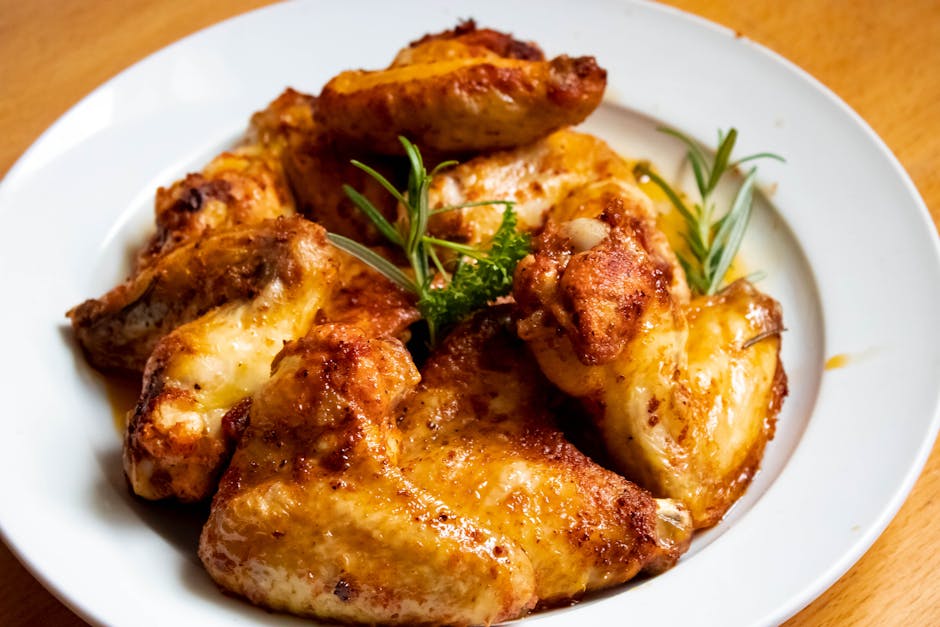
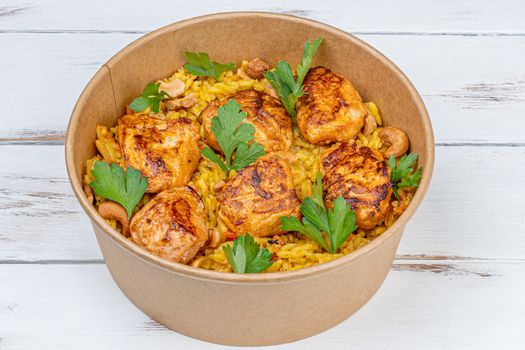
Chicken: Baked chicken thighs or grilled chicken breast.
Fish: Baked salmon or cod.
Beef: Steak or roast beef.
Vegetarian: Serve over quinoa or with hummus for a complete plant-based meal.
The 30-minute side dish
Preheat oven while prepping vegetables — 5 minutes. Halve potatoes, chunk carrots, dice zucchini, mince garlic — 10 minutes. Toss with oil, herbs, salt, pepper. Spread on baking sheet, into oven — 2 minutes. Roast 25-30 minutes, stir halfway. Golden, caramelized, herb-perfumed vegetables that make any main dish better.