How do you start keto without cheese, butter, and expensive specialty products doing most of the work?
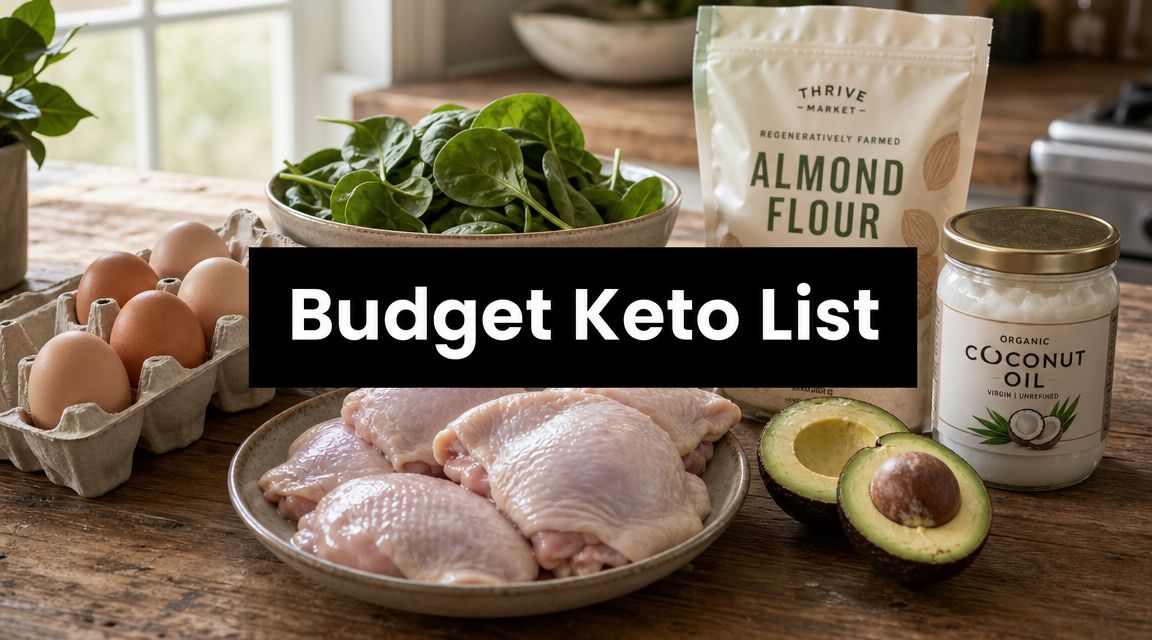
Starting a dairy-free keto diet on a budget means centering your budget grocery list on eggs, chicken thighs, canned fish, coconut-based fats, and low-carb vegetables you can reuse across several meals. Groceries are a major household expense, with one cited estimate putting the average U.S. household grocery bill at about $500 to $600 per month, so even trimming repeat food costs matters over time according to this grocery budgeting overview. This guide gives you a practical 7-day starter system built around one consolidated shopping list, simple prep, and meals that stay dairy-free and keto-friendly without relying on premium “health food” products.
A lot of keto advice breaks down the moment dairy comes off the table. Standard recipes lean on shredded cheese, heavy cream, butter sauces, and packaged keto snacks. That works for some people, but it doesn't help the person who needs meals that are lower-cost, dairy-free, and simple enough to repeat during a busy week.
The bigger mistake is treating “cheap” and “keto” as if they naturally fit together. They don't unless the plan is structured well. A budget grocery list works best when it controls three things at once: ingredient overlap, prep time, and impulse buying. If your list is long, highly specific, and built around one-off ingredients, your food bill rises and your leftovers spoil.
That's why this plan is built around reuse. One tray of roasted chicken becomes dinner and next-day lunch. One batch of cauliflower rice supports multiple meals. The same cabbage, zucchini, spinach, eggs, and coconut milk appear in different forms so the week feels varied without becoming expensive.
If you're also trying to get more intentional about spending overall, this related guide on how to budget for groceries is a useful companion to the food strategy here.
Budget eating isn't about buying the cheapest possible foods. It's about buying fewer ingredients that do more jobs.
1. Your 7-Day Dairy-Free Keto Meal Plan at a Glance
How do you keep dairy-free keto affordable for a full week without living on eggs alone or buying a cart full of specialty products?
The answer is structure. A budget plan like this works because it handles three hard constraints at once: low carbs, no dairy, and a realistic grocery bill. Instead of treating the meal plan, shopping list, and prep as separate jobs, this starter kit ties them together so each dinner supports the next lunch and each ingredient earns its place more than once.
What the week looks like
Day 1: Scrambled eggs with spinach, tuna lettuce bowls, chicken thigh with sautéed cabbage
Day 2: Chia coconut pudding, leftover chicken and cabbage, ground turkey zucchini skillet
Day 3: Fried eggs with avocado, leftover turkey skillet, roasted chicken thighs with cauliflower mash
Day 4: Coconut egg muffins, chicken cauliflower bowl, sardine salad with cucumber and olives
Day 5: Chia pudding, leftover sardine salad plate, beef cabbage stir-fry
Day 6: Eggs with sautéed zucchini, leftover beef stir-fry, coconut chicken curry over cauliflower rice
Day 7: Avocado egg bowl, leftover curry, sheet-pan sausage and vegetables
This lineup is deliberate. The plan rotates textures and cooking methods so the food feels different across the week, even though the grocery list stays tight. Chicken appears roasted and repurposed in bowls. Cabbage shows up hot in a skillet, then cold or reheated later. Coconut milk does the work that cream usually handles in keto meals, but without pushing the week toward expensive dairy-free packaged substitutes.
Leftovers are part of the design, not a backup plan.
That matters on a budget because the biggest cost problem is rarely one expensive dinner. It is buying too many single-use ingredients, then replacing lunches with convenience food when the week gets busy. A tighter plan prevents both.
Why this format works
- Breakfast stays simple: Eggs, chia pudding, and a few avocado-based meals keep mornings fast and protein-focused.
- Lunch uses what is already cooked: That cuts both prep time and food waste.
- Dinner carries the week: Each dinner is chosen for how well it reheats, repurposes, or stretches into another meal.
- Dairy-free fats are built in: Olive oil, avocado, mayonnaise, and coconut milk keep meals satisfying without relying on cheese, butter, or heavy cream.
- Low-cost produce does more than one job: Cabbage, zucchini, cauliflower, spinach, cucumber, and lettuce can become skillets, salads, bowls, and sides.
There is a trade-off. Repetition saves money, but too much repetition makes people quit by Wednesday. This plan avoids that problem by reusing ingredients while changing the format of the meal. That is why the same chicken can feel acceptable three times in one week, while the same plate copied three nights in a row usually does not.
If you want to compare this framework with another structured keto meal planning approach, pay attention to ingredient overlap and how often one dinner becomes the next day's lunch.
Practical rule: If an ingredient shows up in only one meal, cut it unless it is cheap enough to matter very little.
2. How Should I Structure My Daily Meals? (Days 1-7 Detailed Recipes)
A dairy-free keto week doesn't need complicated recipes. It needs meals that are forgiving, fast, and built from the same basket of groceries.
Here, each day follows a simple pattern. Breakfast is protein-forward and easy to assemble. Lunch is usually leftovers or a no-cook plate. Dinner is the anchor meal, made in enough quantity to support the next day.
Here's a simple visual for the kind of low-cost pantry cooking mindset that helps with budget planning, even though lentils themselves aren't part of this keto plan.

Days 1 through 3
Day 1 breakfast: Scramble eggs in olive oil with spinach and a pinch of salt. Add half an avocado on the side if you need more staying power.
Day 1 lunch: Mix canned tuna with mayonnaise, lemon, celery if you have it, and chopped cucumber. Serve in lettuce cups or over shredded cabbage.
Day 1 dinner: Roast chicken thighs until browned. Sauté cabbage in the chicken drippings with garlic and finish with lemon.
Day 2 breakfast: Chia pudding made with unsweetened coconut milk works well because it can be mixed the night before. Top with a few crushed walnuts or unsweetened coconut flakes if they fit your budget.
Day 2 lunch: Use leftover tuna mixture or leftover chicken in a bowl with lettuce and olive oil.
Day 2 dinner: Brown ground turkey with onion, zucchini, and garlic. Let it cook down until the zucchini softens and the liquid reduces so it tastes like a skillet meal, not steamed vegetables.
Days 4 through 7
Day 3 dinner: Roast another batch of chicken thighs and serve with cauliflower mash made from steamed cauliflower, olive oil, salt, and a splash of coconut milk.
Day 4 breakfast: Egg muffins baked with spinach and leftover chicken make mornings easier. They aren't fancy, but they solve the “I skipped breakfast and grabbed something random later” problem.
Day 4 dinner: Sardines with cucumber, olives, lettuce, and avocado make a strong no-cook dinner when your week gets crowded. If sardines aren't your thing, swap in canned tuna or mackerel.
Day 5 dinner: Beef and cabbage stir-fry is one of the best budget dairy-free keto meals because cabbage stretches a small amount of meat well.
Day 6 dinner: Simmer chicken pieces in coconut milk with curry powder and garlic, then spoon over cauliflower rice.
Day 7 dinner: Roast sausage with zucchini and cabbage on one sheet pan. Keep seasoning simple so the leftovers still work the next day.
For recipe variations and automated swaps, a recipe library like AI Meal Planner recipes can help when you want the same structure without rebuilding your week from scratch.
Keep each plate simple: protein first, low-carb vegetables second, fat added where needed. That's the easiest way to stay dairy-free, keto-friendly, and on budget at the same time.
3. What Exactly Do I Need to Buy? (The Complete Budget Grocery List)
What should you put in the cart if you need one plan that is dairy-free, keto, and still affordable?
Start with ingredients that do more than one job. That is the difference between a cheap grocery trip and a useful one. A workable 7-day starter kit needs proteins you can cook in batches, vegetables that hold up for several meals, and a few fats and seasonings that keep the food satisfying without pushing you toward expensive specialty products.
Check your pantry, freezer, and fridge before you shop. If you already have olive oil, salt, garlic powder, curry powder, or mustard, count those first. Rebuying half-used staples is one of the fastest ways to blow a tight food budget.
Shop this list by store section
Produce
- Cauliflower: Buy whole heads or frozen plain cauliflower
- Cabbage: One large green cabbage stretches across several meals
- Zucchini: Good for skillets and sheet-pan meals
- Spinach: Fresh or frozen, depending on price
- Lettuce: For wraps, bowls, and salads
- Cucumbers: Useful for crunch without many carbs
- Avocados: Buy firm ones if you're shopping for the full week
- Lemons: For acidity and flavor
- Garlic and onions: Use onions lightly to keep carbs in check
Protein
- Eggs: Breakfast, meal prep, and backup meals
- Chicken thighs: Usually a better value than breasts, with more fat for keto
- Ground turkey: Flexible for skillets and bowls
- Affordable ground beef or beef strips: Use in one or two dinners
- Canned tuna: Good backup lunch protein
- Sardines or mackerel: Nutrient-dense and shelf-stable
- Sausage: Choose one without added sugar if possible
Pantry and fats
- Unsweetened coconut milk: For curry, mash, and chia pudding
- Chia seeds: A small bag lasts a while
- Olive oil: Main cooking fat
- Mayonnaise: Replaces some of the creaminess people usually get from dairy
- Olives: Useful for salt and fat
- Mustard, curry powder, chili flakes, salt, pepper
A list like this works because the same items keep showing up in different forms. Chicken becomes bowls, egg muffins, and curry. Cabbage becomes a saute, a stir-fry base, and a sheet-pan vegetable. Coconut milk covers both breakfast and dinner, which matters when you are trying to keep dairy out without buying a separate substitute for every meal.
The trade-off is variety. A budget keto week usually repeats ingredients on purpose. That repetition is what keeps waste low and prep manageable.
Skip most specialty dairy-free keto products on your first pass. Dairy-free cheese shreds, keto desserts, and low-carb packaged snacks can fit later, but they rarely help a beginner build seven days of actual meals. Whole foods do the hard work better and usually cost less per serving.
For a broader spending benchmark and solo-shopping context, this guide on individual grocery spending can help you pressure-test your own weekly list. If you want the same structure organized into a tighter cost-focused system, this budget meal plan for low-cost weekly shopping can help you map the list to meals before you buy.
4. How Can I Prepare for a Busy Week? (Your 2-Hour Meal Prep Schedule)
What makes a dairy-free keto budget plan fall apart by midweek? Usually, it is not hunger. It is decision fatigue, half-prepped ingredients, and food that never got used.
This 2-hour prep block turns the 7-day starter kit into something you can follow on a workweek. The goal is simple: cook the expensive items, prep the high-use vegetables, and leave enough flexibility that dinner still tastes fresh on day four.

A practical 2-hour prep flow
0 to 30 minutes
- Heat the oven and start proteins: Roast chicken thighs on one sheet pan. Add sausage on a second tray if that is part of your week.
- Boil eggs: Prepare 10 to 12 hard-boiled eggs for breakfasts, fast lunches, and backup meals.
- Mix chia pudding: Stir chia seeds into unsweetened coconut milk and refrigerate so breakfast is covered early.
30 to 75 minutes
- Cook one stovetop protein: Brown ground turkey with zucchini, salt, pepper, and your chosen spices.
- Prep cauliflower two ways: Steam and mash half with olive oil and coconut milk. Rice or finely chop the rest for skillet meals.
- Wash and cut vegetables: Shred cabbage, dry lettuce well, and slice any cucumbers or celery you plan to use in the first few days.
75 to 120 minutes
- Build grab-and-go lunches: Portion cooked protein with vegetables into containers. Keep dressings separate so the texture holds up.
- Mix one all-purpose sauce: Olive oil, lemon, mustard, salt, and pepper works for salads, bowls, and cooked vegetables.
- Label by priority: Eat lettuce, cucumbers, and avocado first. Save cabbage, cauliflower, and frozen vegetables for later in the week.
A full cook-up sounds efficient, but it often creates a fridge full of meals you are tired of by Wednesday. Component prep works better for this type of plan. You cook the protein once, then change the meal with seasoning, texture, or temperature. Chicken can become a salad bowl at lunch and a warm skillet dinner later. That variety matters when you are balancing keto macros without relying on dairy or expensive packaged shortcuts.
Waste control matters here too. The UNEP Food Waste Index Report 2024 outlines how much food is lost at the household level globally. In practice, the fix is less glamorous than coupon hunting. Use one protein in multiple meals, prep only the vegetables you will eat in the first half of the week, and freeze extra portions before they become leftovers you resent.
If you want help checking carb counts before you prep, a low-carb food database for keto meal planning can make substitutions faster.
Batch-cook ingredients and assemble meals fresh. That usually costs less, wastes less, and tastes better on a busy weeknight.
5. What Can I Use Instead of Dairy? (Essential Dairy-Free Keto Swaps)
What usually breaks a dairy-free keto budget first. The carbs, or the replacement products?
In practice, it is usually the replacement products. Many people try to rebuild a standard keto menu with dairy-free cheese shreds, bottled creamers, and specialty spreads. That approach gets expensive fast and often produces meals that are less filling than simple whole-food swaps. A better method is to replace the job dairy was doing in the recipe.
Start there. If dairy added cooking fat, use oil. If it added creaminess, use coconut milk, avocado, or a vegetable puree. If it added structure, eggs often do that job better and for less money.
Swap by function, not by product category
For butter
- Olive oil: Best for sautéed vegetables, egg dishes, dressings, and finished bowls
- Avocado oil: Useful when you want a more neutral flavor
- Coconut oil: Works well in curries, skillet meals, and some breakfast recipes
For heavy cream
- Full-fat coconut milk: Good in soups, curry sauces, cauliflower mash, and creamy chicken skillets
- Blended cauliflower: Adds body to soups and sauces without the cost of packaged dairy-free cream substitutes
For sour cream or creamy toppings
- Dairy-free mayonnaise: Useful in tuna salad, slaws, and quick sauces
- Mashed avocado: Fits taco bowls, egg plates, and lettuce wraps
For cheese in casseroles or egg bakes
- Eggs: Help bind and set the dish
- Extra meat or vegetables: Often the dish needs more substance, not a cheese substitute
- Nutritional yeast: Adds a savory note in small amounts, though it is not a direct cheese replacement
The trade-off matters here. Coconut milk gives richness, but it can add a mild coconut flavor. Avocado gives creaminess, but it does not hold up well for several days once cut. Mayo is cheap and effective, but it works best in cold dishes or sauces, not baked recipes. Good substitutions solve the right problem instead of chasing an exact dairy copy.
What to skip when money is tight
Packaged dairy-free cheese is usually a poor first buy on a budget grocery list. It tends to cost more than eggs, canned coconut milk, olive oil, or avocado, while giving you less protein and less flexibility across the week. The same logic applies to dairy-free keto desserts and branded creamers.
For a 7-day dairy-free keto starter kit, the better buys are ingredients that can cover several meals and several functions. Coconut milk can become a curry base, a soup ingredient, or a mash add-in. Eggs can be breakfast, a binder, or a fast dinner. Avocado can replace creamy toppings in bowls, salads, and lettuce wraps.
If you need help checking carb counts before making a swap, the AI Meal Planner foods guide for comparing low-carb ingredients can speed up decisions.
The same budget pressure shows up at the food-system level too. The FAO Food Price Index tracks global food commodity prices, and the broader point for this plan is simple. Diet-specific substitutions need to earn their place in the cart. On dairy-free keto, that means buying ingredients that support your macros, fit your meal prep, and do more than one job during the week.
Kitchen shortcut: Replace the function first. In most budget dairy-free keto meals, that produces a better result than chasing a perfect cheese or cream duplicate.
6. How Do I Stick With the Plan? (Troubleshooting & Tips for Success)
Why do well-built meal plans fall apart by day three? Usually because the plan collided with real life. Hunger hit between meals, dinner took longer than expected, or the grocery bill climbed once convenience foods entered the cart. On a dairy-free keto budget plan, staying consistent depends less on willpower and more on fixing those friction points early.
Give this 7-day starter kit a full week before judging it. Keto without dairy has a learning curve, and budget shopping does too. The goal of week one is not perfection. It is to prove that one system can cover your macros, your schedule, and your budget at the same time.
Frozen vegetables help here because they lower spoilage, shorten prep, and give you a low-effort backup when energy is low.

Fix the most common problems fast
If you're hungry all the time
- Add enough fat to the plate: Olive oil, avocado, olives, or mayonnaise can make a meal more satisfying fast
- Check protein before adding snacks: Early on, many dairy-free keto beginners rely on fats and under-eat protein
- Increase low-carb vegetables: Cabbage, cauliflower, zucchini, and lettuce add volume without pushing carbs too high
If you're tired of eggs
- Change the format: Boiled eggs, egg salad, omelets, baked muffins, and fried eggs feel like different meals
- Shift some meals to fish or leftovers: Canned tuna, sardines, chicken thighs, or last night's cooked protein can break the egg cycle
If the plan feels too restrictive
- Keep one default meal ready: A sausage tray bake, tuna lettuce bowl, or ground beef cabbage skillet reduces the chance of ordering takeout
- Use stronger seasoning: Lemon, mustard, garlic, curry powder, chili flakes, and herbs make repeated ingredients taste new
What works in real kitchens
People usually do not quit because the food tastes bad. They quit because the plan does not match their day.
A busy professional may need lunch boxes packed by Sunday night. Someone working from home may do better with cooked proteins and chopped vegetables that can be turned into different meals. A parent may need one keto base dinner that can be paired with an extra starch for the rest of the family. Those trade-offs matter more than chasing a perfect version of the plan.
Online grocery ordering can help if impulse buys are a problem. It makes total cost easier to watch before checkout and helps you stick to the list you already built. As noted earlier, more households now shop across both in-store and online channels, so this plan works better if your grocery list is simple enough to use in either format.
One final rule matters more than any troubleshooting tip. Keep the plan easy to repeat. If a meal is cheap, dairy-free, keto-friendly, and realistic on a tired Wednesday, it belongs in your rotation. That is how this 7-day starter kit turns from a short reset into a system you can keep using.
Budget Grocery & Meal Plan: 6-Item Comparison
| Item | Implementation Complexity (🔄) | Resource Requirements (⚡) | Expected Outcomes (📊⭐) | Ideal Use Cases (💡) | Key Advantages |
|---|---|---|---|---|---|
| 1. Your 7-Day Dairy-Free Keto Meal Plan at a Glance | 🔄 Low, simple daily grid, minimal decision-making | ⚡ Low, standard groceries, repeat meals to save time | 📊 Consistent <25g net carbs/week; ⭐ High for adherence | 💡 Quick-reference for week planning and fridge pinning | Clear structure, reduces food waste, time-saving |
| 2. How Should I Structure My Daily Meals? (Days 1–7 Detailed Recipes) | 🔄 Medium, step-by-step recipes and cooking steps | ⚡ Moderate, full ingredient list, basic cooking skills | 📊 Precise macros per meal; ⭐ High for tracking goals | 💡 Follow for exact recipes and macro accuracy | Detailed instructions and macro breakdowns |
| 3. What Exactly Do I Need to Buy? (Complete Budget Grocery List) | 🔄 Low, organized checklist by store section | ⚡ Low, single shopping trip, pantry check recommended | 📊 Improved shopping efficiency and cost control | 💡 Pre-shopping prep to avoid duplicates and save time | Store-sorted list, budget-focused, one-person quantities |
| 4. How Can I Prepare for a Busy Week? (2-Hour Meal Prep Schedule) | 🔄 Medium, timed multitask workflow | ⚡ Moderate, 2 hours, containers, basic cookware | 📊 Batch components ready for quick assembly; ⭐ High time-savings | 💡 Weekend batch-cook to free up weekday time | Reduces daily cooking, enables quick meals |
| 5. What Can I Use Instead of Dairy? (Essential Dairy-Free Keto Swaps) | 🔄 Low, one-to-one ingredient swaps | ⚡ Low, buy a few dairy-free substitutes/spices | 📊 Maintains macros and flavor; ⭐ High for dairy-free compliance | 💡 Adapting recipes for intolerance or preference | Simple swaps preserve texture and taste |
| 6. How Do I Stick With the Plan? (Troubleshooting & Tips for Success) | 🔄 Low, guidance and small behavior changes | ⚡ Low, electrolytes, pantry items, seasoning tweaks | 📊 Fewer side effects, better satiety; ⭐ High for long-term adherence | 💡 First-week support and common-issue fixes | Practical tips to overcome keto flu and hunger, boosts compliance |
Your Next Step: Making Dairy-Free Keto a Sustainable Lifestyle
A dairy-free keto budget grocery list works when it removes friction, not when it chases perfection. The most useful version is short, repeatable, and built around ingredients that can carry several meals. That's the core shift. You stop shopping for isolated recipes and start shopping for a weekly system.
That system matters because groceries are one of the few household categories you can influence every single week. As noted earlier, even modest recurring savings can add up over a year. But the financial side only holds if the food is also practical to cook and satisfying to eat. That's why the strongest plan isn't the most creative one. It's the one that helps you buy fewer ingredients, waste less, and stay consistent.
For dairy-free keto, consistency usually comes from a few simple habits. Keep proteins ready. Keep vegetables prepped. Use non-dairy fats with purpose instead of randomly adding them to meals. Repeat ingredients across the week, but vary the format so the food doesn't become dull. Chicken can be roasted, shredded into a bowl, or simmered in coconut curry. Cabbage can be sautéed, stir-fried, or roasted. Eggs can be breakfast, lunch insurance, or a binder for meal prep.
It also helps to accept the trade-offs. Shopping on a budget may mean fewer novelty products and fewer specialty substitutes. Going dairy-free may mean some classic keto recipes no longer make sense for you. That's not a disadvantage if the replacement system is stronger. In many cases, whole foods such as eggs, chicken thighs, canned fish, cauliflower, cabbage, spinach, avocado, olive oil, and coconut milk are easier to budget around than cheese-heavy keto meals filled with branded products.
If your next challenge is variety, automation can help. Planning every meal manually, checking your macros, and turning recipes into a practical shopping list takes time. That's where a tool like AI Meal Planner can fit naturally into the process. It's designed to generate personalized weekly meal plans and grocery lists based on your dietary preferences, including keto and dairy-free eating, so you can keep the structure without rebuilding it from scratch each week.
The long-term goal isn't to survive one strict week. It's to create a repeatable way of eating that fits your budget, your schedule, and your body. Start with a short list of dependable foods. Cook enough for leftovers. Swap dairy by function, not by marketing label. If you do that, your budget grocery list stops being just a note on your phone and starts becoming the tool that keeps the whole plan working.
If you want a faster way to turn your goals into a weekly dairy-free keto plan, AI Meal Planner can build personalized meals, macros, and aisle-sorted grocery lists from one quick setup.
AI-powered nutrition
Get Your Personalized Meal Plan
AI creates the perfect meals for your goals, lifestyle, and taste.
Start Your Journej