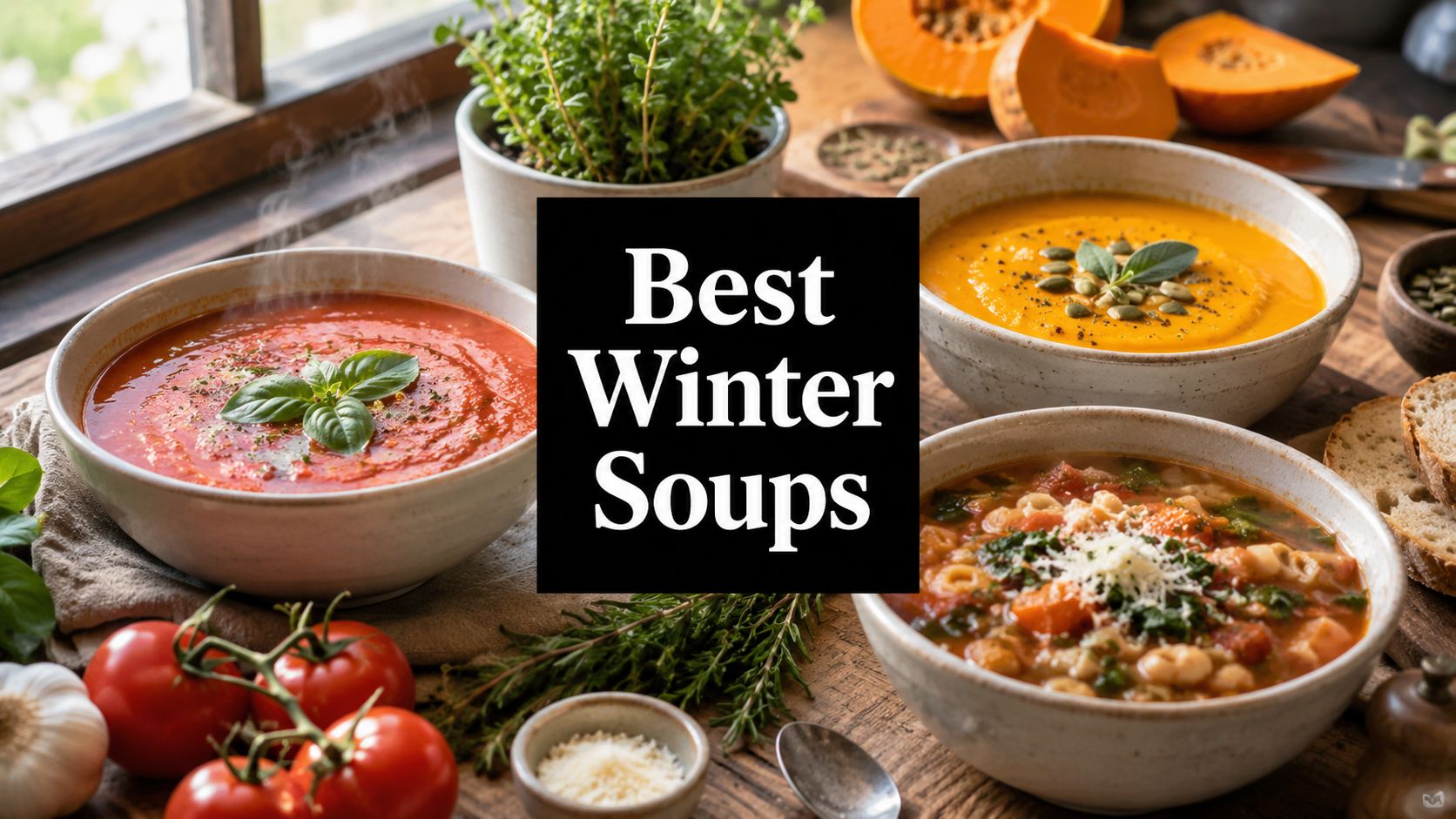
The best soups for winter are hearty, nutrient-dense options that can be easily meal-prepped. The top 10 include Butternut Squash Soup, Minestrone, Chicken and Wild Rice Soup, Tomato Bisque, Lentil Soup, French Onion Soup, New England Clam Chowder, Beef Stew, Creamy Mushroom Soup, and Split Pea Soup. These soups offer a mix of creamy, broth-based, vegetarian, and meat-filled choices to suit various dietary needs.
When the temperature drops, reaching for a comforting soup is one of the simplest ways to stay warm, eat well, and save time. This roundup highlights 10 standout options, from creamy butternut squash to hearty beef stew, each delivering serious flavor and nutrition with minimal fuss. You will find a clear overview of what makes each soup worth adding to your rotation, plus practical tips for prep and storage.
Winter is the perfect season to explore warm, comforting flavors and aromas.
For an extra layer of seasonal comfort, you might also enjoy exploring holiday scented candles with a surprise to match the mood of your favorite bowl.
1. What makes butternut squash soup a winter staple?
Few options rank among the best soups for winter quite like butternut squash soup. Roasting the squash with olive oil and salt before blending unlocks a deep, caramelized sweetness that boiling simply cannot achieve. The base requires just squash, onions, garlic, and vegetable broth, with coconut milk or cream added at the end for a silky finish.

This soup delivers serious nutritional value. Each serving packs high levels of vitamin A and beta-carotene, which support immune function during cold and flu season. It also provides steady energy without the crash that heavier cream-based soups can cause.
Roasting at 400°F for 35-40 minutes with the squash cut-side down produces the deepest flavor. Skip the peeling by roasting halves whole and scooping out the flesh afterward.
Why it works for meal prep:
- Naturally vegan when made with plant-based cream
- Freezes well in portioned containers for up to three months
- Blends smooth or stays chunky depending on preference
- Adaptable for keto (use heavy cream) or higher-protein diets (swap cream for Greek yogurt to hit 15g protein per serving)
Restaurants like Panera Bread and Whole Foods consistently feature this soup in their seasonal rotations, which speaks to its broad appeal. For home cooks, a single batch yields four servings that reheat in minutes, making it a practical weeknight staple.
Winter spice additions to try:
- Fresh sage and nutmeg for earthy warmth
- Cinnamon and a pinch of cayenne for subtle heat
- Toasted pumpkin seeds as a crunchy garnish
2. Is minestrone soup a complete meal?
Minestrone earns its spot among the best soups for winter by delivering a complete meal in a single pot. This Italian classic combines seasonal vegetables, beans, pasta, and tomato broth into a nutrient-dense bowl that balances fiber, protein, and complex carbs without relying on heavy cream. Each serving typically packs 8-12g of protein and 6-8g of fiber, keeping you full through long afternoons.
Italian families have traditionally made minestrone as a weekly staple, clearing out whatever vegetables sat in the pantry. Weight loss programs like Weight Watchers feature it as a low-point recipe because it delivers volume and satisfaction without calorie density.
Adding vegetables in stages prevents a mushy texture. Start with carrots, celery, and onions, then introduce zucchini and spinach in the final five minutes.
Why it works for meal prep:
- Canned beans cut active cooking time to roughly 30 minutes
- Cooked separately, pasta stays firm instead of absorbing all the broth
- Freezes well in portioned containers for up to three months
- Easily customized: swap pasta for rice, add chicken, or keep it fully plant-based
For busy households managing multiple dietary needs, a grocery list generator can help organize the 10+ vegetable varieties and track macros across the week. A single batch yields six servings that reheat in minutes, making it a practical solution for packed lunches or quick dinners when energy runs low.
3. How can I make chicken and wild rice soup healthier?
Among the best soups for winter, chicken and wild rice soup stands out for its protein density and staying power. Each serving delivers over 20 grams of protein from shredded chicken, while wild rice contributes B vitamins, magnesium, and a chewy texture that holds up well during reheating. The combination of carrots, celery, and broth creates a familiar base that feels like a full meal rather than a starter.
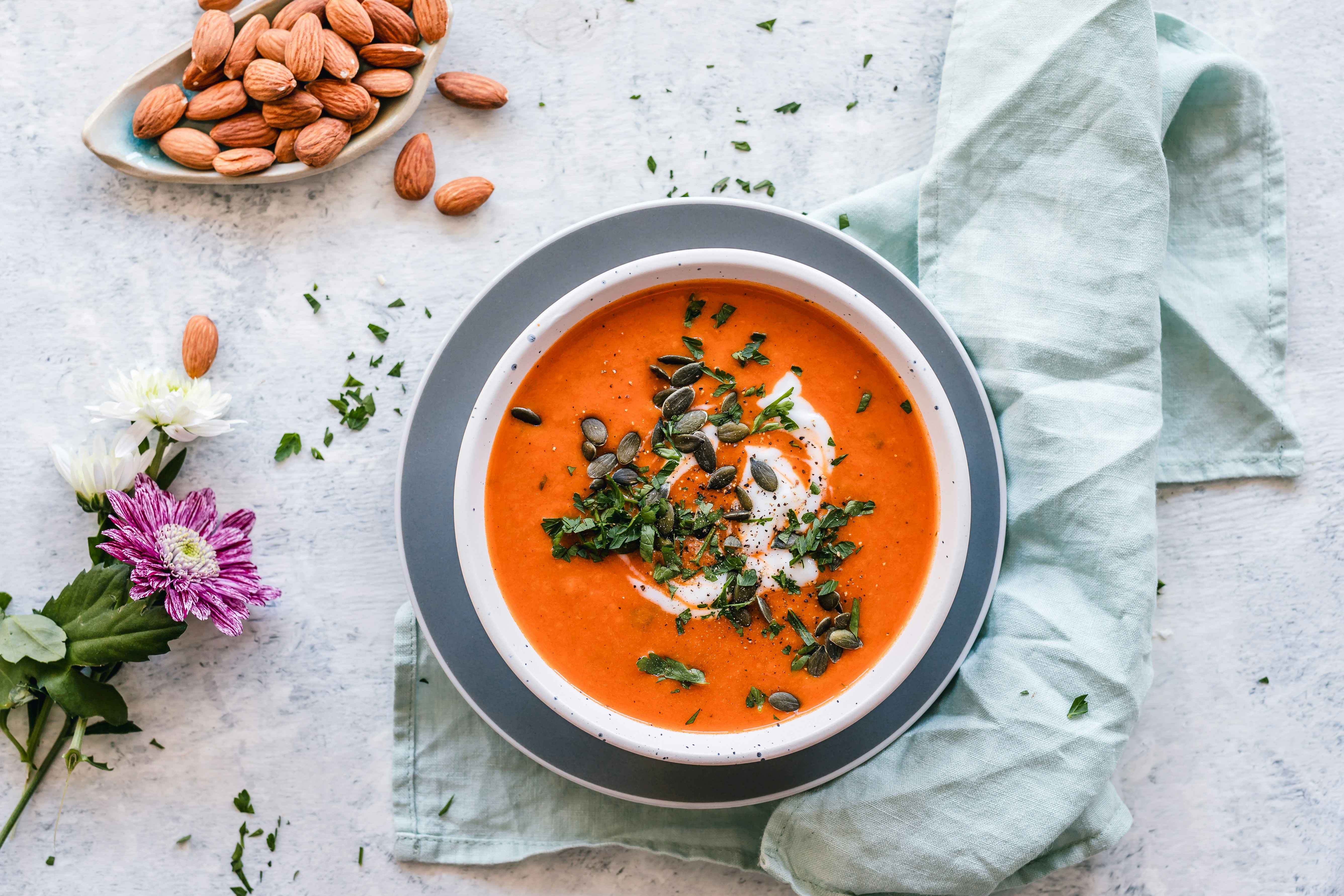
This soup has deep roots in Minnesota, where it appears on diner menus and in home kitchens across the state. Fitness communities have adopted it for meal prep because the macro ratio supports muscle recovery without requiring heavy cream or butter to taste satisfying.
Swapping heavy cream for low-fat Greek yogurt cuts roughly 80 calories per serving while maintaining a creamy texture and adding an extra 6 grams of protein.
Smart shortcuts for busy cooks:
- Use store-bought rotisserie chicken to save 20 minutes of active cooking time
- Cook wild rice in advance and freeze in 1-cup portions for quick assembly
- Add sliced mushrooms for umami depth without extra calories
- Portion into 1-cup servings for easy macro tracking on AI Meal Planner
The wild rice takes longer to cook than white rice, about 45-50 minutes, so batch-cooking it on Sunday sets you up for the entire week. This soup freezes well for up to three months, though the rice softens slightly after thawing.
4. What's the secret to a perfect tomato bisque?
Few options rank among the best soups for winter quite like tomato bisque. This silky, bright soup combines ripe tomatoes, cream, and aromatics into a bowl that feels both comforting and refined. Using San Marzano tomatoes as your base delivers a deeper, less acidic flavor that standard canned varieties cannot match.
Tomatoes bring serious nutritional value to the table. Each serving delivers high levels of lycopene, a powerful antioxidant linked to heart health and reduced inflammation. Roasting the tomatoes before blending concentrates this compound even further, making winter an ideal time to load up.
A pinch of baking soda stirred in during the final minutes of cooking neutralizes excess acidity without dulling the tomato flavor. This single step transforms a sharp, sour batch into something velvety and balanced.
Why it works for meal prep:
- Naturally dairy-free when made with coconut or cashew cream
- Freezes flat in zip-top bags for space-efficient storage up to three months
- Pairs effortlessly with grilled cheese sandwiches for a classic French bistro meal
- Scales easily from four servings to eight with minimal extra effort
Campbell's tomato soup remains the most popular canned option across North America, but a homemade bisque takes roughly the same active time while controlling sodium and sugar levels. For home cooks managing dietary restrictions, swapping heavy cream for cashew cream keeps the texture luxurious without dairy.
Flavor boosters to try:
- Roasted garlic blended directly into the base for sweetness and depth
- Fresh basil stirred in at the very end to preserve its aroma
- A drizzle of quality olive oil just before serving
- Red pepper flakes for a subtle warmth that complements cold evenings
5. Why is lentil soup so good for meal prep?
Few contenders earn a spot among the best soups for winter quite like lentil soup. A single cooked cup delivers 18g of plant-based protein and 16g of fiber, making it one of the most nutrient-dense options you can batch-cook on a Sunday afternoon. The base starts with brown or green lentils simmered alongside carrots, celery, onions, and vegetable broth until everything melts into a thick, stew-like consistency.
This soup works especially well for anyone following a vegetarian or vegan meal plan. Indian dal, a spiced lentil variation common across South Asian cuisine, proves how versatile the format can be. Mediterranean versions swap in tomatoes, cumin, and paprika for a completely different flavor profile while keeping the same nutritional foundation.
Toasting dry lentils in a hot pot for 60 seconds before adding liquid deepens the earthy flavor noticeably. Red lentils cook in just 15 minutes and break down into a creamy texture, while brown and green lentils hold their shape for a heartier bowl.
Why it works for meal prep:
- Make 8 servings in one pot and freeze half for easy reheating throughout the month
- Naturally vegan, gluten-free, and allergy-friendly
- Stays satiating for hours due to the high fiber and protein content per serving
- Nutritionists frequently recommend lentil soups for sustainable weight loss because the volume and fiber keep you full on fewer calories
For home cooks managing busy weeknights, a single batch reheats in minutes and pairs well with crusty bread or a simple side salad. Explore a full vegetarian meal plan that incorporates lentil soup into a weekly rotation alongside other protein-rich options.
Warm spice additions to try:
- Cumin, turmeric, and smoked paprika for depth
- A splash of lemon juice at the end to brighten the flavors
- Fresh cilantro or parsley as a simple garnish
6. How do you make authentic French onion soup?
French onion soup earns its spot among the best soups for winter through sheer depth of flavor. Thinly sliced onions caramelize slowly in butter until deeply golden, then simmer in rich beef stock for a broth that tastes far more complex than its simple ingredients suggest.

This soup packs serious umami while staying relatively light on calories. A broth-forward bowl delivers around 150-200 calories before the bread and cheese topping, making it a smart side to richer winter meals or a satisfying standalone dinner when portions are controlled.
Slicing onions uniformly to about 1/8-inch thickness ensures even caramelization. Medium heat and patience (30-40 minutes) produce the deep brown color that defines this dish. Rushing with high heat yields steamed, pale onions instead.
Macro-conscious adjustments:
- Swap gruyere for a 0.25 oz portion of lower-fat Swiss to cut 60 calories per serving
- Skip the bread crouton entirely to reduce carbs by roughly 15g per bowl
- Use beef stock (not broth) for richer flavor without added calories
- Add a pinch of sugar midway through caramelization to accelerate browning
Tools like the AI Meal Planner can adjust cheese quantities based on daily macro targets, keeping this classic within reach for tracked diets.
Key technique tips:
- Caramelize onions in batches for a large pot, then combine for even cooking
- Deglaze with a splash of dry sherry or white wine for added complexity
- Store broth and toppings separately; reheat broth and add bread and cheese fresh each time
- Freeze caramelized onion base for up to three months to skip the time-consuming step on busy nights
7. What makes New England clam chowder so comforting?
Few dishes earn a spot among the best soups for winter quite like New England clam chowder. This creamy, broth-based staple combines tender clams, hearty potatoes, and celery with a rich cream finish that satisfies on the coldest nights. Unlike lighter seafood soups, this one delivers high-quality protein alongside essential minerals like selenium and vitamin B12, making it a nutrient-dense choice when temperatures drop.
Boston's Legal Sea Foods has built its reputation on award-winning chowder, and Maine's coastal towns treat this soup as a signature dish worth traveling for. That legacy speaks to how well the flavors hold up, whether served in a restaurant or reheated at home.
Adding clams and their juice in the final 5 minutes keeps them tender. Overcooking turns them rubbery within seconds.
Smart prep shortcuts:
- Use canned chopped clams to cut cost and prep time significantly
- Cook potatoes separately to control texture and avoid mushiness
- Substitute half the cream with Greek yogurt to reduce calories and boost protein
- Batch-cook in 4-serving portions for straightforward weekly meal prep
For those watching sodium intake, this low-sodium meal plan offers complementary strategies to keep chowder balanced without sacrificing flavor.
8. Is beef stew a healthy winter meal?
Few dishes earn a spot among the best soups for winter quite like a properly made beef stew. Tough cuts like chuck roast or brisket transform into fork-tender bites through slow braising, while root vegetables soak up a deeply savory broth. Traditional Irish versions keep things simple with onions, carrots, and potatoes, while French beef Bourguignon elevates the dish with red wine and mushrooms.
This stew packs serious nutritional density. Each serving delivers iron, zinc, and B vitamins from the beef, plus fiber and micronutrients from the vegetables. It is the kind of meal that actually keeps you full for hours.
Browning the meat in batches before adding liquid creates a Maillard crust that builds the entire flavor foundation of the stew. Skipping this step is the most common mistake home cooks make.
Why it works for meal prep:
- Freezes exceptionally well in 2-cup containers for up to three months
- Tastes better on day two and three as flavors meld
- Yields 8 servings from a single batch, cutting per-serving cost significantly
- Adaptable for slow cooker (8 hours on low) or Dutch oven (2-3 hours stovetop)
Reduce liquid to 2 cups if using a slow cooker since less evaporation occurs. For macro tracking, a standard serving runs roughly 350 calories with 30g protein. Calculate exact nutrition for your recipe based on your specific ingredients and portions.
9. How do you get deep flavor in creamy mushroom soup?
Few options rank among the best soups for winter quite like creamy mushroom soup. Sautéing a mix of mushrooms with aromatics before blending with cream or broth unlocks a deep, savory umami that lighter soups simply cannot match. The base requires just mushrooms, onions, garlic, and broth, with cream added at the end for a velvety finish.

This soup delivers serious immune support. Mushrooms provide beta-glucans that help regulate immune response during cold and flu season. Varieties exposed to sunlight before cooking also contain meaningful levels of vitamin D, a nutrient most people lack in winter months.
Mixing cremini, shiitake, and oyster mushrooms creates layers of flavor that a single variety cannot achieve. Brown them in batches without crowding the pan for proper caramelization.
Why it works for meal prep:
- Naturally gluten-free when thickened with blended mushrooms instead of flour
- Freezes well in portioned containers for up to two months
- Blends fully smooth or stays partially chunky for texture contrast
- Adaptable for higher protein by adding shredded chicken or white beans
The French duxelles technique uses finely minced cooked mushrooms as a base, while Asian mushroom soups rely on variety blends like shiitake, enoki, and oyster for depth. Both approaches translate well to home kitchens.
Flavor boosters to try:
- A splash of dry sherry or white wine for acidity
- Fresh thyme and bay leaf for classic pairing
- Lemon juice added at the end to brighten earthy notes
You can easily add this and other soups to a personalized eating plan with an AI Meal Planner.
10. Can you make split pea soup in a slow cooker?
Few contenders match split pea soup among the best soups for winter for sheer staying power and nutritional density. This traditional staple comes together with dried split peas, aromatic vegetables, and an optional ham bone for depth. The peas break down during slow cooking, creating a thick, creamy texture without any dairy. A single batch easily yields ten servings, making it a meal prep champion.
The nutritional profile stands out. Each serving delivers roughly 15 grams of plant-based protein and over 10 grams of fiber, which keeps you full through long winter days. Split peas also provide iron, potassium, and magnesium. For those tracking their nutrition, understanding the calorie content of homemade soup is essential, and resources like this guide on how to log split pea soup make it simple to account for every bowl.
Toss everything into a slow cooker on low for eight hours. No soaking, no babysitting, just walk away and return to a fully cooked pot.
Why it dominates meal prep:
- Freezes exceptionally well in portioned containers for up to four months
- Naturally vegan when made without ham
- Costs under two dollars per serving at scale
- Reheats quickly on the stovetop with a splash of broth
Across Northern Europe, Dutch erwtensoep ranks as a national winter dish, and grandmothers from the Netherlands to Scandinavia have relied on this recipe for generations of Sunday dinners. The tradition endures for good reason. For busy home cooks, dicing vegetables small ensures even cooking and a balanced texture in every spoonful. Stir occasionally if using a pot on the stove to prevent sticking on the bottom. Add water or broth if the soup thickens too much during reheating. This one pot feeds a family twice or stockpiles a month's worth of weekday lunches with minimal effort.
How do the top winter soups compare?
| Soup | Implementation Complexity 🔄 | Resource Requirements 💡 | Speed ⚡ (Prep Time) | Expected Outcomes 📊 | Ideal Use Cases ⭐ |
|---|---|---|---|---|---|
| Butternut Squash Soup | Moderate — roast + blend; easy with pre-cut squash | Seasonal squash, onion, coconut/cream; low–moderate cost | 35 minutes | ~110 kcal; protein 2g; carbs 18g; fiber 3g | Vegan comfort, meal prep, winter immune support |
| Minestrone Soup | Moderate — multi-step vegetable staging; flexible | Many vegetables, beans, pasta; budget-friendly pantry items | 30 minutes (canned beans) | ~165 kcal; protein 9g; carbs 28g; fiber 6g | Volume eating, weight-loss, weekly batch-cook |
| Chicken & Wild Rice Soup | Moderate — shred chicken; wild rice long-cook if uncooked | Chicken, wild rice (or pre-cooked), cream/yogurt option | 30 minutes (with pre-cooked chicken/rice) | ~240 kcal; protein 22g; carbs 20g | High-protein meal prep, muscle recovery |
| Tomato Bisque | Low — blend and season; care with acidity balance | Canned or fresh tomatoes, cream or plant cream, basil | 20–25 minutes | ~130 kcal; protein 2g; carbs 12g | Quick comfort, light meal, keto-friendly option |
| Lentil Soup | Low — one-pot; simple technique | Dried lentils (very cheap), aromatics, spices | 30 minutes | ~145 kcal; protein 13g; carbs 22g; fiber 8g | Vegetarian protein source, budget meal prep, weight loss |
| French Onion Soup | High — slow, patient caramelization required | Lots of onions, beef broth; optional bread & cheese add cost/calories | 50 minutes | ~75 kcal (without bread/cheese); protein 3g | Low-calorie flavorful dinners, bistro-style entertaining |
| New England Clam Chowder | Moderate — timing for clams; cream finishing | Fresh/canned clams (can be expensive), potatoes, cream | 30 minutes | ~220 kcal; protein 16g; higher sodium | Seafood protein meals, coastal comfort, balanced macros |
| Beef Stew (Hearty) | High — long braise or slow-cook; multi-step browning | Braising beef (cost varies), root vegetables, long cook | 2–3 hours (or 8 hours slow cooker) | ~320 kcal; protein 26g; iron-rich | Hearty meal prep, muscle gain, cold-weather comfort |
| Creamy Mushroom Soup | Low — sauté & blend; requires proper browning | Assorted mushrooms, aromatics, cream or plant cream | 20–25 minutes | ~135 kcal; protein 4g; low carbs | Elegant appetizer, low-carb vegetarian option |
| Split Pea Soup | Moderate–High — long simmer or slow cooker; monitoring | Dried split peas (very cheap), optional ham bone | 50–60 minutes (or 8 hours slow cooker) | ~155 kcal; protein 11g; fiber 6g | Budget-friendly satiety, family meal prep, high-fiber diets |
What's the best way to plan a winter soup menu?
We covered ten of the best soups for winter, each bringing something different to your table. From the velvety smoothness of butternut squash soup to the protein-packed depth of lentil and split pea, this collection gives you options that suit every dietary need, schedule, and taste preference.
The recipes we explored work whether you are batch-cooking for the week or simmering a single pot on a quiet Sunday. The key is choosing soups that align with your health goals, time constraints, and macro targets, then building a rotation so meals never feel repetitive.
Consider these takeaways as you plan your winter menu:
- Rotate bases weekly - Alternate between broth-based options like minestrone and creamy ones like tomato bisque to keep nutrition balanced.
- Prep in bulk - Double or triple recipes, then freeze in portioned containers for effortless weeknight dinners.
- Customize for your needs - Swap proteins, grains, or vegetables to match dietary restrictions without sacrificing flavor.
- Track macros easily - Use a consistent framework for measuring ingredients so you can adjust portions for weight loss, muscle gain, or managing conditions like diabetes.
Mastering a reliable set of winter soups means fewer last-minute decisions, less food waste, and more evenings where a nourishing meal is already within reach. That consistency compounds over time, making it easier to stick with healthy eating habits when cold weather pushes people toward convenience foods.
The right soup routine removes the mental load of daily meal decisions, turning nourishment into something automatic rather than another task on an already full plate.
Ready to simplify your weekly soup planning even further? The AI Meal Planner builds personalized meal plans around recipes like these, automatically generating shopping lists and adjusting portions to your specific macros and dietary restrictions. See how it works at AI Meal Planner.
Frequently Asked Questions
Which winter soup is best for weight loss?
Minestrone and lentil soup are excellent for weight loss. They are high in fiber and volume, which promotes fullness on fewer calories, and are packed with plant-based protein and nutrients.
What is the easiest soup to make from scratch?
Tomato bisque is one of the easiest soups to make from scratch. It requires minimal ingredients, a short cooking time, and comes together quickly with an immersion blender.
How can I make my soup more flavorful?
To boost flavor, start by sautéing aromatics like onions and garlic, use a high-quality broth instead of water, and add fresh herbs like thyme or basil at the end of cooking. A splash of lemon juice or vinegar can also brighten the final taste.
Can you freeze creamy soups?
Yes, you can freeze creamy soups, but dairy-based ones may separate upon reheating. For best results, use plant-based creams like coconut milk or freeze the soup base before adding any dairy, stirring it in after thawing and reheating.
Which soup has the most protein?
Beef stew and chicken and wild rice soup generally have the most protein, often exceeding 20-25 grams per serving. For a plant-based option, lentil and split pea soups are also excellent protein sources.
AI-powered nutrition
Get Your Personalized Meal Plan
AI creates the perfect meals for your goals, lifestyle, and taste.
Start Your Journej