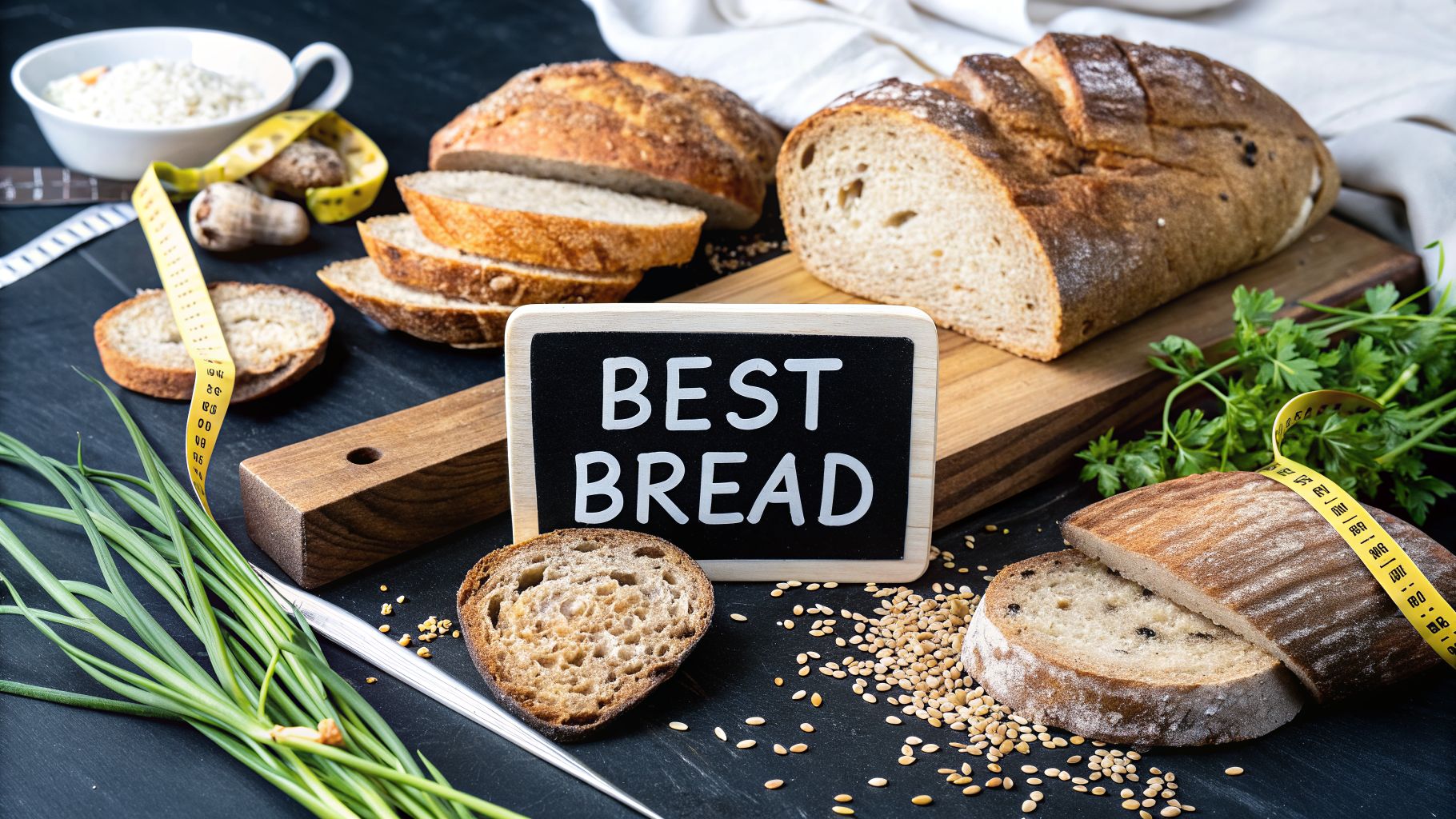
The best bread for weight loss is high in fiber and protein, made from 100% whole grains, and has a low glycemic index. Sprouted grain bread, 100% whole wheat, and traditional sourdough are excellent choices. Aim for a slice with at least 3 grams of fiber, 4 grams of protein, and less than 2 grams of added sugar.
Many people believe they must cut out bread entirely for weight loss, but this is a common misconception. The key isn't elimination; it's making smarter choices. Choosing bread that supports your goals involves prioritizing fiber, protein, and whole grains while avoiding added sugars and refined flours. These elements work together to increase satiety, stabilize blood sugar, and support a healthy metabolism, making your weight management journey more sustainable.
This guide provides a clear, actionable list of the top breads for a healthier lifestyle, explaining what to look for on a nutrition label and how to incorporate them into a balanced diet. To effectively choose the best bread for your goals, it's important to first build a foundation of strong healthy eating habits for weight loss. By the end, you’ll have the confidence to select loaves that support your goals, not sabotage them.
Which breads are best for weight loss?
1. Whole Wheat Bread
Whole wheat bread is a fantastic starting point when searching for the best bread to eat to lose weight. Unlike white bread, which is made from refined flour that has been stripped of its most nutritious parts, 100% whole wheat bread uses the entire wheat kernel: the bran, germ, and endosperm. This ensures you receive the full spectrum of nutrients, most notably fiber.
The high fiber content is the key to its effectiveness for weight management. Fiber slows down digestion, which promotes a prolonged feeling of fullness, or satiety. This process helps stabilize blood sugar levels, preventing the sharp spikes and subsequent crashes that often lead to sugar cravings and overeating. By keeping you satisfied for longer, whole wheat bread can naturally help you manage your calorie intake throughout the day.
How can I implement whole wheat bread for weight loss?
To get the most out of this choice, focus on quality and portion control.
- Read the Label: The first ingredient should always be "100% whole wheat flour" or "whole grain wheat flour." Avoid products that list "wheat flour" or "enriched flour" first, as these are typically refined.
- Check for Fiber: Aim for a bread that provides at least 3 grams of fiber per slice. This is a good indicator of a true whole grain product.
- Smart Pairings: Amplify the satiating effects by pairing your bread with protein and healthy fats. A breakfast of two slices of whole wheat toast with scrambled eggs and avocado can keep you full until lunch.
- Portion Awareness: While nutritious, calories still count. Stick to one or two slices per meal to stay within your goals. For more guidance on fitting bread into a calorie-controlled diet, our article on creating a calorie deficit meal plan offers practical strategies.
Key Insight: The difference between "whole wheat" and "multigrain" is important. Multigrain simply means the bread contains more than one type of grain, but those grains may still be refined. Always look for the "100% whole" designation.
Brands like Dave's Killer Bread 100% Whole Wheat and Nature's Own 100% Whole Wheat are excellent, widely available options that meet these nutritional criteria.
2. Sprouted Grain Bread (Ezekiel Bread)
Sprouted grain bread, often known by the popular brand name Ezekiel bread, is a powerful choice when looking for the best bread to eat to lose weight. Unlike conventional breads, it’s made from whole grains and legumes that have been allowed to germinate, or sprout, before being milled. This sprouting process unlocks a wealth of nutritional benefits, making it exceptionally effective for weight management.

The primary advantage comes from its enhanced nutritional profile. Sprouting increases the content of protein and fiber while reducing anti-nutrients that can block mineral absorption. The combination of sprouted grains and legumes (like lentils and soybeans) creates a complete protein source, which is rare for bread. This high-protein, high-fiber combination makes each slice incredibly satiating, helping to curb appetite and reduce overall calorie consumption. Its lower glycemic index also supports stable blood sugar, preventing energy crashes that lead to unhealthy snacking.
How can I implement sprouted grain bread for weight loss?
To make this bread work for your goals, focus on proper storage and strategic pairings.
- Store it Properly: Sprouted grain bread contains no preservatives and is often sold frozen. Purchase it frozen or freeze it immediately after buying to maintain freshness and prevent mold. It toasts perfectly from its frozen state.
- Boost with Healthy Fats: Pair a slice of toasted sprouted grain bread with avocado or natural nut butter. The healthy fats complement the bread's protein and fiber, maximizing satiety and keeping you full for hours.
- Build High-Protein Meals: Use it as the base for a power-packed sandwich with lean turkey or chicken. This is a common strategy in fitness communities for a fulfilling post-workout meal. To build a complete menu, explore our guide to a high-protein meal plan for more ideas.
- Understand Its Density: Nutritionally, one slice of Ezekiel bread is often more potent than typical whole wheat. Be mindful of its density when planning your portions; one slice can be as satisfying as two of a lighter bread.
Key Insight: Sprouted grain bread is unique because it contains no flour. The ingredients are sprouted grains and legumes mashed into a dough-like texture. This "flourless" quality is a key reason for its dense, nutrient-rich composition and lower glycemic impact.
Food for Life Ezekiel 4:9 is the most widely recognized brand, but other health food stores often carry their own versions of sprouted grain bread that fit these criteria.
3. Sourdough Bread
Sourdough bread offers a unique advantage for weight management due to its fermentation process. Made from a starter of wild yeast and beneficial bacteria, this ancient method doesn't just create a tangy flavor; it fundamentally changes the bread's nutritional structure. The long fermentation, often lasting 12-24 hours, breaks down gluten and anti-nutrients like phytic acid, making the bread easier to digest and its minerals more accessible to your body.

This slow fermentation is key to making it one of the best breads to eat to lose weight. It lowers the bread's glycemic index, leading to a slower, more gradual release of sugar into the bloodstream. In fact, one study showed sourdough consumption resulted in 20% lower blood sugar spikes compared to conventional whole wheat. This helps prevent energy crashes and cravings, promoting satiety and better glucose metabolism. The organic acids produced during fermentation can also support healthy fat oxidation.
How can I implement sourdough bread for weight loss?
Authenticity and pairing are crucial for unlocking sourdough's benefits.
- Find Authentic Sources: Look for bread from local bakeries that prioritize traditional, long fermentation (18+ hours). Mass-produced sourdough often uses shortcuts and may not offer the same glycemic benefits.
- Toast for Texture: Toasting sourdough slices not only enhances the flavor but also reduces moisture content slightly, creating a more satisfyingly crisp texture.
- Create Balanced Meals: Pair sourdough's complex carbs with lean proteins and healthy fats. A slice topped with smoked salmon, a dollop of Greek yogurt, and fresh dill makes a powerful, satiating meal that fits well within the principles of a Mediterranean diet plan.
- Budget Accordingly: True artisanal sourdough can be more expensive. When using a tool like the AI Meal Planner, you can account for the higher cost in your budget optimization settings.
Key Insight: Sourdough's benefits come from its fermentation, not just its flour. A sourdough made from whole grain flour can offer the combined advantages of high fiber and a low glycemic response, making it an exceptional choice for weight control.
Artisanal loaves from local bakeries like Tartine Bakery are the gold standard. For home bakers, starter kits from King Arthur Baking Company provide a great entry point into making your own.
4. Flax and Chia Seed Bread
Flax and chia seed bread is a powerhouse option when choosing the best bread to eat to lose weight. This type of bread incorporates whole flaxseeds and chia seeds directly into a whole grain base, creating a loaf that is exceptionally high in omega-3 fatty acids, plant-based protein, and, most importantly, fiber. These seeds are packed with soluble fiber, which absorbs water and forms a gel-like substance in your digestive tract.

The gel-forming action of the soluble fiber dramatically increases feelings of fullness by slowing down digestion. This process not only keeps you satisfied for longer but also helps stabilize blood sugar and regulate appetite hormones. The combination of high fiber, protein, and healthy fats maximizes satiety per calorie, making it a highly effective tool for managing hunger. In fact, some weight loss clients have reported up to 30% fewer between-meal cravings when consistently including seed bread in their diet.
How can I implement flax and chia seed bread for weight loss?
To reap the full benefits, it's crucial to select the right product and integrate it thoughtfully.
- Check the Seed Content: Look for bread where flax and chia seeds are listed high on the ingredient list, ensuring they are present in meaningful amounts, not just for decoration.
- Hydrate Adequately: The high soluble fiber content requires plenty of water to work effectively and prevent digestive discomfort. Aim to drink at least eight glasses of water daily.
- Smart Pairings: Combine your seed bread with high-protein toppings to create a meal that crushes hunger for hours. A slice of toasted seed bread with smoked salmon and a dollop of Greek yogurt is an excellent choice. This strategy is perfect for a morning meal to prevent overeating at lunch.
- Start Slowly: If you're not used to a high-fiber diet, begin with one slice per day to allow your digestive system to adapt before increasing your intake. For more ideas on structuring your meals, our AI Meal Planner can build a high-fiber plan tailored to your needs.
Key Insight: Toasting flax and chia seed bread can significantly improve its texture and flavor. The heat enhances the nutty taste of the seeds and creates a more satisfying, firm base for toppings like eggs or avocado.
Excellent examples include Dave's Killer Bread Powerseed and Oroweat (or Arnold/Brownberry) Flax & Fiber, which are widely available and deliver on their promise of high fiber and seed content.
5. Almond Flour Bread (Low-Carb Alternative)
Almond flour bread stands out as a powerful low-carbohydrate choice for those looking to lose weight, particularly individuals following ketogenic or low-carb diets. Made from ground almonds, eggs, and minimal to no grain content, it has a significantly lower glycemic impact than traditional breads. This composition delivers higher amounts of healthy fats and protein, which work together to create exceptional satiety.
The key to its effectiveness for weight management lies in its ability to minimize blood sugar fluctuations. By avoiding the sharp spikes and crashes associated with high-carb foods, almond flour bread helps control hunger hormones and reduce cravings. This makes it an ideal selection for sustaining a calorie deficit without feeling deprived, as it keeps you feeling full and energized for longer periods.
How can I implement almond flour bread for weight loss?
To successfully use this low-carb option, focus on preparation, pairing, and portioning.
- Read the Label: Look for brands with minimal ingredients, where almond flour is the primary component. Be wary of products that add starches or sugar, which can increase the carbohydrate count.
- Toast for Texture: Almond flour bread has a denser, moister texture than grain-based bread. Toasting a slice significantly improves its flavor and gives it a more traditional, firm structure. Store it in the refrigerator and toast directly from cold for the best results.
- Smart Pairings: Complement its rich, nutty flavor with high-protein and healthy-fat toppings. An open-faced sandwich with smoked salmon and cream cheese or a slice topped with avocado and sliced turkey can create a highly satiating meal.
- Portion Awareness: Due to its high fat and calorie density, one slice is often sufficient. Consider using it for open-faced sandwiches rather than traditional two-slice sandwiches to manage calorie intake effectively. If you're following a specific low-carb protocol, our guide on a keto meal plan can provide more detailed strategies.
Key Insight: Almond flour bread is not a low-calorie food, but a low-carbohydrate one. Its strength for weight loss comes from its ability to promote extreme fullness and stabilize blood sugar, thereby reducing overall calorie consumption throughout the day.
Excellent store-bought options include Base Culture Organic Sprouted Almond Bread and Julian Bakery Keto Bread, though many find success with simple DIY recipes.
6. Rye Bread
Rye bread, a staple in Scandinavian and Eastern European diets, offers a dense and flavorful alternative to wheat-based breads. It's made from the flour of rye grain, which has a unique carbohydrate structure that is particularly effective for weight management. Rye's distinct advantage comes from its special type of fiber, known as pentosans, which have superior water-binding properties that create a viscous gel in the digestive tract.
This process dramatically slows digestion and enhances the feeling of fullness, making rye one of the best bread options to eat to lose weight. Its low glycemic index (ranging from 34-50) ensures a slow, steady release of energy, preventing blood sugar spikes and the associated cravings. Research has even shown that individuals consuming rye bread can experience greater weight loss compared to those eating wheat bread over a 12-week period, highlighting its metabolic benefits.
How can I implement rye bread for weight loss?
Because of its dense texture and potent satiating effect, introducing rye bread requires a slightly different approach.
- Choose the Right Type: Look for "100% whole rye" or traditional dark varieties like German pumpernickel. These offer the highest fiber and nutrient content.
- Start Small: Rye is incredibly filling. Begin with one slice per meal to see how your body responds. Its density means one slice can be as satisfying as two slices of lighter bread.
- Smart Pairings: Complement rye’s earthy flavor with healthy proteins and fats. It pairs exceptionally well with smoked salmon and a dollop of Greek yogurt, lean deli meats like turkey, or mashed avocado. For a complete meal, serve it alongside a hearty legume-based soup.
- Mindful Eating: Chew each bite thoroughly. This aids digestion and gives your brain time to register satiety signals, preventing you from overeating. Consider having your rye slice with dinner, as its sustained fullness can help curb late-night snacking.
Key Insight: The exceptional satiety from rye bread is scientifically documented. Its unique fibers absorb significant water, expanding in your stomach to promote a lasting feeling of fullness that can reduce overall daily calorie consumption.
Classic options include Latvian traditional dark rye bread and authentic German Pumpernickel. These are often found in specialty bakeries or the international section of grocery stores.
7. Barley Bread
Barley bread is an excellent, though less common, option when looking for the best bread to eat to lose weight. Made from barley flour, its standout feature is beta-glucan, a type of soluble fiber with significant health benefits. This fiber forms a thick, gel-like substance in the digestive tract, which dramatically slows down digestion and nutrient absorption.
The key advantage for weight management is superior appetite suppression. The beta-glucan gel significantly prolongs the feeling of fullness, making it easier to control hunger and reduce overall calorie intake without feeling deprived. Clinical studies have shown that barley bread consumers can feel up to 30% more satiated compared to those eating standard wheat bread. This powerful effect on satiety makes it a strong ally for sustainable weight loss.
How can I implement barley bread for weight loss?
To make barley bread a regular part of your diet, focus on sourcing and smart pairings.
- Read the Label: Look for "barley flour" or "whole grain barley" as one of the primary ingredients. Many products are blends, so aim for a high barley content to get the beta-glucan benefits.
- Source Your Loaf: Barley bread isn't as common as whole wheat. You will likely find it in specialty health food stores, artisan bakeries, or from online retailers. Traditional Scottish or Scandinavian recipes are a great starting point.
- Smart Pairings: The dense, sometimes earthy flavor of barley bread pairs wonderfully with savory and rich toppings. Try a slice with hummus and cucumber, almond butter and banana, or as a base for an open-faced sandwich with smoked salmon and dill. For a structured eating plan that incorporates these kinds of satisfying meals, check out our custom meal planner.
- Start Small: Due to its dense texture and powerful satiating effect, one slice of barley bread often provides the same fullness as two slices of other breads. If you're new to it, start with half slices to acclimate to its texture and filling nature.
Key Insight: Barley's beta-glucan fiber not only suppresses appetite but also offers metabolic benefits, including improved cholesterol profiles and enhanced insulin sensitivity, which are crucial for long-term health and weight management.
Brands specializing in functional or health-focused baked goods are your best bet. Look for Scandinavian-style rye and barley blends or traditional Scottish "bannocks" for authentic options.
8. Oat Bread
Oat bread is an exceptional choice when looking for the best bread to eat to lose weight, primarily due to its unique fiber composition. Made from whole oat grains or oat flour, this bread delivers a powerful dose of beta-glucan, a type of soluble fiber celebrated for its health benefits. Beta-glucan forms a gel-like substance in the digestive tract, slowing down digestion and nutrient absorption significantly.
This process is central to its weight management advantages. The delayed stomach emptying promotes a profound and lasting feeling of fullness, which can dramatically reduce overall calorie consumption. In one study, participants eating oat bread reported feeling 36% more satiated compared to those who ate white bread. This sustained energy release also helps stabilize blood sugar, curbing the intense cravings that can derail weight loss efforts. Furthermore, oats contain unique antioxidants called avenanthramides, which have anti-inflammatory properties.
How can I implement oat bread for weight loss?
To fully benefit from oat bread, prioritize whole ingredients and strategic pairings.
- Read the Label: Look for "whole oat groats" or "whole oat flour" as a primary ingredient. This ensures you're getting the entire grain, including the beta-glucan-rich bran.
- Monitor Sugar: Check that the added sugar content is minimal, ideally less than 2 grams per slice, to avoid unnecessary calories and blood sugar spikes.
- Smart Pairings: Combine oat bread's satisfying fiber with protein to maximize fullness. A breakfast sandwich on toasted oat bread with turkey and a slice of low-fat cheese can prevent mid-morning hunger pangs. Pairing it with cottage cheese or nut butter also creates a complete, satiating meal.
- Portion Awareness: Even nutrient-dense bread has calories. A serving of one or two slices is typically sufficient to feel full while staying aligned with your weight management goals. For more ideas on integrating healthy carbs into your diet, our AI-powered meal planner can provide personalized suggestions.
Key Insight: The beta-glucan in oats does more than just promote satiety; it has also been recognized by the FDA for its role in cholesterol management. This makes oat bread a heart-healthy choice that supports both weight loss and overall cardiovascular wellness.
Brands like Dave's Killer Bread Good Seed (which contains oats) and Nature's Path Organic Whole Grain Oat are great examples that feature whole oats and deliver on fiber content.
How do different healthy breads compare for weight loss?
| Bread | Preparation & Availability 🔄 | Cost & Storage ⚡ | Weight-loss Effectiveness ⭐ | Expected Impact 📊 | Ideal Use Cases 💡 |
|---|---|---|---|---|---|
| Whole Wheat Bread | Low complexity; widely available | Low cost; shelf-stable (refrigerate to extend) | Moderate — high fiber, GI ~68 | Sustained satiety, moderate blood sugar control | Everyday meals, balanced breakfasts with protein |
| Sprouted Grain (Ezekiel) | Moderate complexity; often frozen, limited retail availability | Higher price; freezer storage, shorter fresh life | High — higher protein (≈8g), low GI (~34) | Strong satiety, improved nutrient bioavailability, muscle maintenance | High-protein meal plans, athletes, pre/post-workout |
| Sourdough | Higher complexity (long fermentation); artisanal sources common | Moderate–high cost; best fresh, shorter shelf life | Moderate–High — lower GI (53–57), improved digestibility | Better glucose response, increased fullness, gentler digestion | Those with wheat sensitivity (not celiac), digestive comfort |
| Flax & Chia Seed Bread | Low–moderate complexity; seed-heavy, denser texture | Moderate price; shelf-stable but pricier than basic wheat | High — very high soluble fiber (4–6g) for satiety | Strong appetite suppression, supports lipids and inflammation reduction | Plant-based diets, mornings to prevent mid-morning hunger |
| Almond Flour Bread (Low‑Carb) | Moderate complexity; different texture, often refrigerated | High cost; requires cold storage, shorter shelf life | High for low‑carb approaches — very low GI (<15), low carbs | Strong blood sugar stabilization and satiety; supports ketosis | Keto/low‑carb diets, diabetes management, low‑insulin plans |
| Rye Bread | Moderate complexity; denser, specialty varieties available | Moderate price; shelf-stable but less common | High — low GI (34–50), high pentosan fiber | Extended fullness (3–4+ hrs), improved insulin sensitivity | Long‑satiety meals, metabolic health and diabetes support |
| Barley Bread | Higher complexity; chewy texture, uncommon in mainstream stores | Specialty price and sourcing; less widely available | Very High — lowest GI (25–28), high beta‑glucan (~8%) | Exceptional satiety, lowers LDL/triglycerides, strong metabolic benefits | Max satiety needs, cholesterol management, pre‑diabetic plans |
| Oat Bread | Low–moderate complexity; more available than barley | Moderate cost; shelf‑stable—check for added sugars | Moderate–High — beta‑glucan ~4%, GI ~53–55 | Good satiety, cholesterol benefits, steady energy | Breakfasts for sustained energy, cardiovascular health focus |
What are the most important things to look for?
Navigating the bread aisle doesn't have to feel like a setback on your weight loss journey. The best bread is one that supports your goals with high fiber, quality protein, and whole grains, while keeping added sugars and refined flours to a minimum. Remember to always start by reading the nutrition label and ingredient list.
To simplify your decision-making process, keep these three non-negotiable factors in mind:
- High Fiber: Aim for at least 3 grams of fiber per slice. Fiber is your ally in weight management; it slows digestion, helps you feel fuller for longer, and supports a healthy gut microbiome. Breads like sprouted grain, rye, and those fortified with flax or chia seeds are excellent sources.
- Sufficient Protein: Look for breads that offer 4-5 grams of protein per slice. Protein works alongside fiber to increase satiety and can help preserve lean muscle mass during weight loss, which is critical for maintaining a healthy metabolism.
- Low Added Sugar: Scrutinize the label for added sugars, which can hide under names like high-fructose corn syrup, dextrose, or cane juice. A truly weight-loss-friendly bread will have 2 grams or less of added sugar per serving.
Ultimately, the best choice is the one that not only meets these nutritional criteria but also fits your personal taste and dietary needs. By arming yourself with this knowledge, you can confidently incorporate bread into a balanced, effective weight loss plan without guilt or confusion.
Feeling overwhelmed trying to fit the right bread and meals into your busy schedule? The AI Meal Planner can build a personalized eating plan based on your specific weight loss goals, macro targets, and food preferences, ensuring every meal, including your sandwiches and toast, supports your journey. Get your custom, easy-to-follow meal plan at AI Meal Planner today.
Frequently Asked Questions
Can I really eat bread and still lose weight?
Yes, you can eat bread and lose weight by choosing varieties high in fiber and protein, like 100% whole wheat or sprouted grain, and practicing portion control.
How much bread can I eat a day to lose weight?
A moderate intake of 2-4 slices of high-fiber, whole-grain bread per day can fit into most weight loss plans, depending on your total daily calorie and carbohydrate goals.
Is sourdough bread good for weight loss?
Yes, traditional sourdough is good for weight loss because its fermentation process lowers the glycemic index, helping to stabilize blood sugar and increase feelings of fullness.
What is the healthiest bread on the market?
Sprouted grain bread, like Ezekiel bread, is often considered the healthiest due to its high protein and fiber content, low glycemic index, and increased nutrient bioavailability.
Which bread has the lowest carbs?
Breads made from almond flour or other nut flours have the lowest carbohydrate content and are excellent choices for low-carb or ketogenic diets.
Is rye bread better than wheat bread for weight loss?
Yes, rye bread is often better for weight loss because it has a lower glycemic index and a unique fiber structure that promotes greater and longer-lasting satiety than standard wheat bread.
Should I avoid gluten-free bread for weight loss?
Not necessarily, but many commercial gluten-free breads are made with refined starches and sugar, making them less ideal for weight loss than whole-grain, high-fiber options. Always check the nutrition label.
AI-powered nutrition
Get Your Personalized Meal Plan
AI creates the perfect meals for your goals, lifestyle, and taste.
Start Your Journej