Individuals looking for a keto meal plan indian want one thing: a way to eat familiar food without drifting back to rice, roti, biscuits, and evening snack traps. That's exactly where Indian keto succeeds or fails. The science matters, but in practice, success comes from choosing the right staples, repeating a few reliable meals, and making the plan fit your workday instead of fighting it.
How do I create a keto meal plan with Indian food?
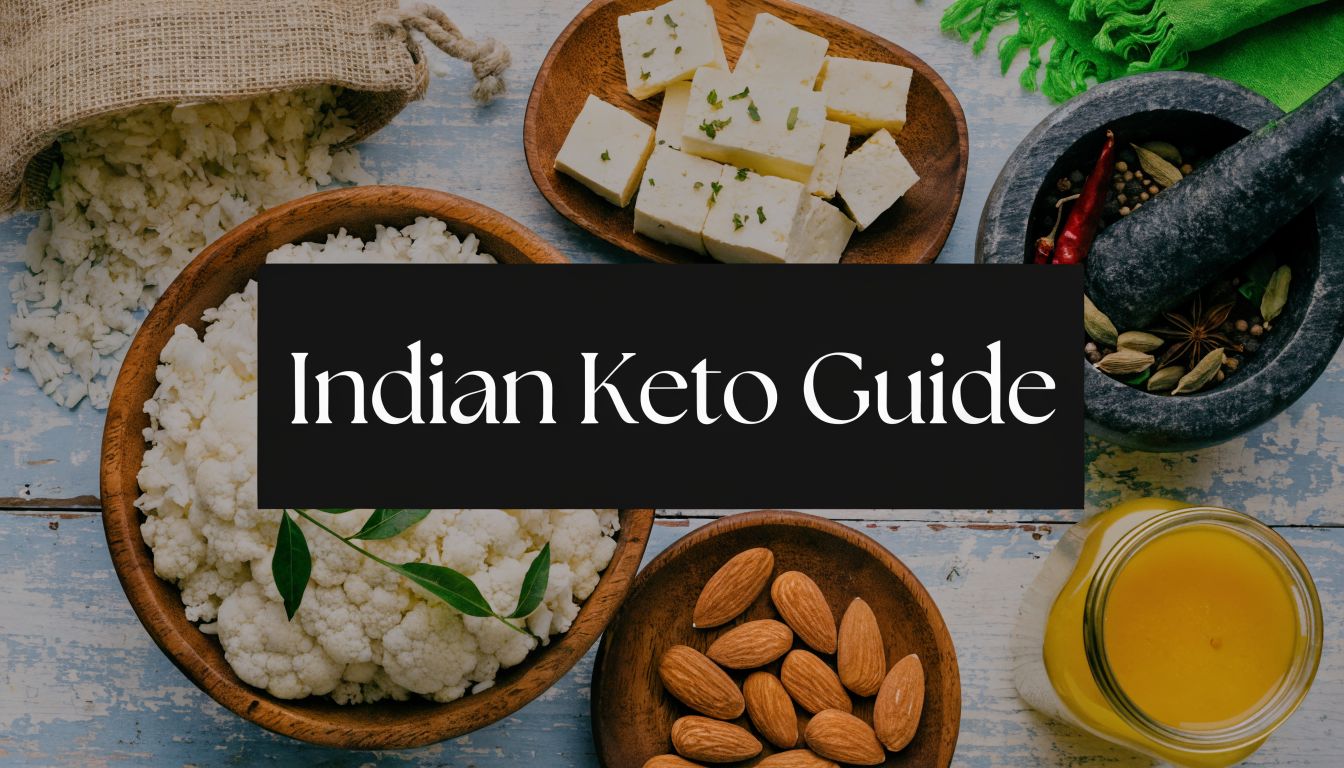
Keep net carbs under 50g daily, ideally 10 to 15g from vegetables, and build meals around high-fat, moderate-protein foods such as paneer, eggs, fish, chicken, tofu, ghee, nuts, and low-carb vegetables like spinach and brinjal, as explained in this Indian keto diet guide. Replace rice and roti with options like cauliflower rice and almond flour rotis, and keep your daily meals within a practical calorie range that matches your goal. A workable Indian keto plate is simple: one protein, one low-carb vegetable, one added fat, and no grain or sugar.
If you're Indian and trying keto, the main friction is obvious. Our default meals are built around starch. Breakfast leans toward poha, idli, upma, toast, or paratha. Lunch and dinner often revolve around rice or roti. Even “healthy” snacks can be carb-heavy.
That doesn't mean keto is unsuitable. It means your meal structure has to change before your recipes do. Once you stop asking, “How do I make my usual meal keto?” and start asking, “What protein, fat, and vegetable can I assemble fast today?” the diet becomes much easier to sustain.
Ketosis is the metabolic state where your body uses fat for fuel instead of relying mainly on glucose. In an Indian kitchen, that shift usually requires removing staple carbs first, then filling the gap with foods that are already familiar.
A practical first shopping list looks like this:
- Build around proteins: eggs, paneer, tofu, chicken, fish
- Use Indian fats freely: ghee, coconut oil, butter
- Choose low-carb vegetables: spinach, cauliflower, brinjal, bottle gourd, mushrooms, bell peppers
- Keep emergency foods ready: cheese cubes, mixed nuts, boiled eggs, hung curd, cooked paneer
- Remove obvious blockers: rice, roti, bread, biscuits, sugar, sweets, fruit juice
Practical rule: If the meal needs rice, roti, suji, besan-heavy batter, or potatoes to feel complete, it probably needs redesigning.
For recipe ideas that match this style of eating, a curated set of Indian keto-friendly recipes can make the transition much easier.
What Are the Core Principles of an Indian Keto Diet?
An Indian keto diet works best when you stop treating it like a western template and start translating keto into Indian ingredients, cooking fats, and meal habits. The framework is precise. The food choices can still feel familiar.
The broad pattern is a high-fat, moderate-protein, very low-carb way of eating. One cited guideline for Indian keto uses 70 to 75% fat, 20 to 25% protein, and 5 to 10% carbohydrate, with about 21 grams of net carbs per day on a 1,500 calorie intake in the source example from this Indian keto macro breakdown.

Which foods belong on an Indian keto plate
In real kitchens, the easiest keto meals are assembled from repeat ingredients. You don't need novelty. You need reliability.
Best-fit foods for Indian keto
- Dairy and proteins: paneer, eggs, chicken, fish, tofu
- Fats for cooking and satiety: ghee, butter, coconut oil, olive oil
- Low-carb vegetables: spinach, cauliflower, brinjal, mushrooms, bell peppers, bottle gourd
- Simple add-ons: nuts, seeds, coconut, chutneys made without sugar
Foods that usually break ketosis
- Staple grains: rice, wheat rotis, bread, noodles
- Common carb fillers: potatoes, poha, upma, most dal-heavy meals in standard portions
- Sugar sources: mithai, biscuits, sweetened chai, packaged juices
Why net carbs matter more than total carbs
Net carbs means total carbs minus fiber. That matters because many vegetables can still fit keto when the digestible carb load stays low. This is why leafy vegetables and cauliflower work while rice and chapati don't.
For Indian cooking, net carbs matter most in these situations:
Onion and tomato-heavy gravies
They add up fast if every meal is curry-based.Nuts and “healthy” snacks
Portions matter. A small serving works. Mindless eating doesn't.Packaged low-carb products
Check labels carefully. “Keto” on the front doesn't guarantee low net carbs.
A keto meal doesn't need to look foreign. Palak paneer, egg bhurji, buttered mushrooms, fish curry, and sautéed lauki can all fit if the carb base is gone.
What works best in Indian households
The people who do well on Indian keto usually simplify. They rotate the same breakfasts, keep one or two lunch formats ready, and make dinner from protein plus vegetables. They also stop chasing fake replacements for every traditional carb.
What usually doesn't work:
- Trying to keto-fy every classic dish
- Relying on elaborate almond flour cooking every day
- Ignoring hidden carbs in sauces, gravies, and snacks
- Skipping fat, then wondering why hunger hits hard by evening
A strong keto meal plan indian approach feels repetitive in a good way. That's what makes it usable on a Tuesday afternoon, not just inspiring on Sunday.
How Do I Calculate My Personal Keto Macros and Calories?
A personal keto plan starts with calories, then macros. Many individuals do the reverse and end up with meals that are technically low-carb but don't match their goal. If you want fat loss, maintenance, or better control over appetite, your daily intake still needs structure.
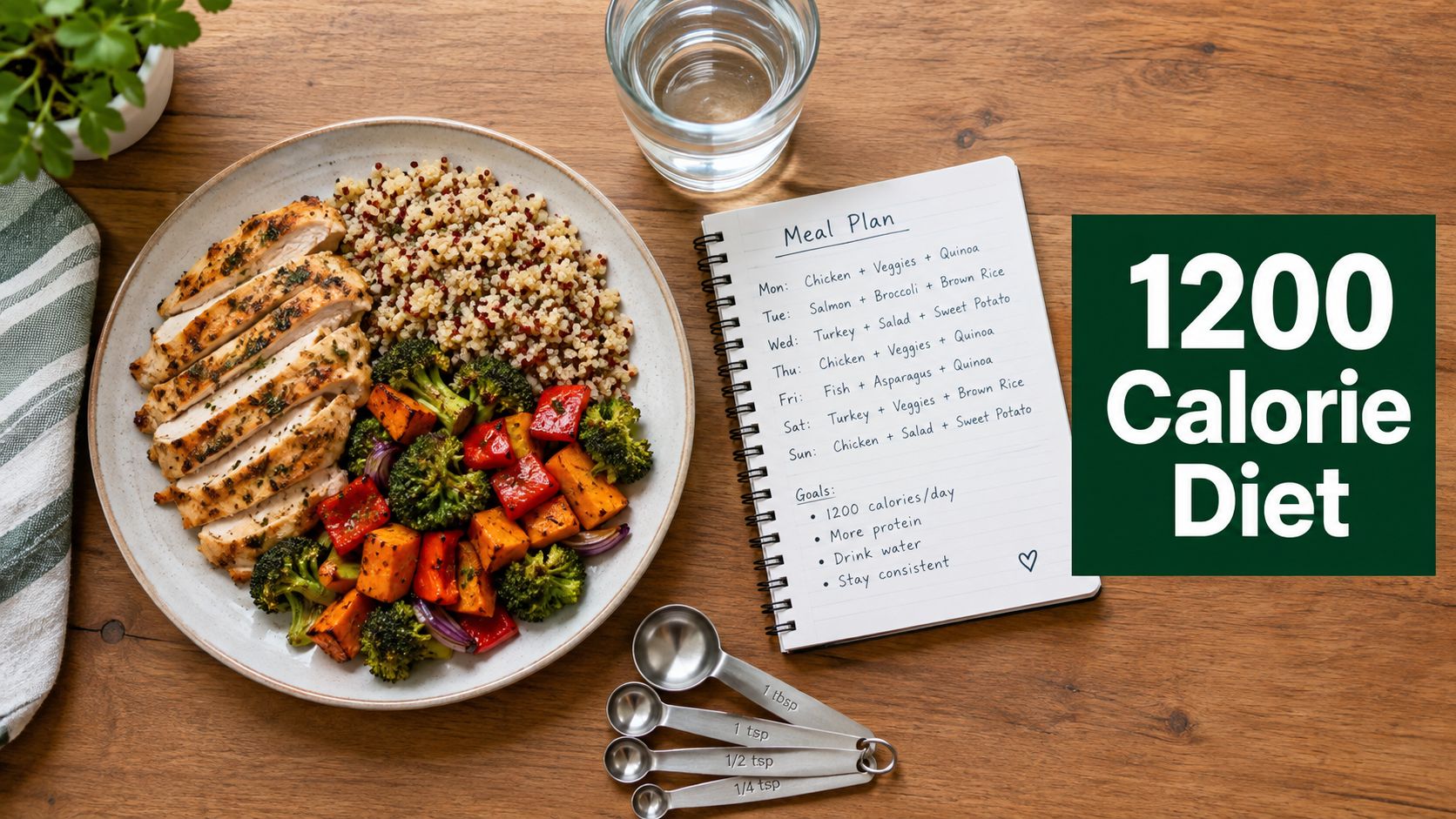
A practical Indian keto plan often sits within 1,200 to 1,800 calories daily, depending on goal and routine, with broader plans also extending higher for some people. The useful part isn't the range itself. It's matching the range to your reality instead of copying someone else's intake.

Start with your calorie target
Use a simple decision rule:
- For weight loss: choose the lower end of a suitable intake range
- For maintenance: choose a middle intake that you can sustain without constant hunger
- For training support or muscle-focused eating: choose a higher intake while keeping carbs controlled
If you're also trying to understand how calorie intake affects fat loss, this explainer on medically supervised weight loss with Trim gives useful context on the calorie deficit side of the equation.
Convert calories into keto macros
Once calories are set, assign them according to the Indian keto pattern already discussed. One cited model uses 70 to 75% fat, 20 to 25% protein, and 5 to 10% carbs, with about 21 grams of net carbs at 1,500 calories in the example source.
Consider this straightforward approach:
| Goal | What to emphasize | What to watch |
|---|---|---|
| Weight loss | Satiety from fats, consistent protein | Hidden calories from nuts, cheese, cream |
| Maintenance | Steady meals, flexible portions | Carb creep from “small bites” |
| Muscle support | Protein at each meal | Overdoing protein shakes and under-eating fats |
A practical way to track without obsession
You don't need to weigh coriander leaves or log every spice. You do need to measure the foods that change your intake quickly.
Track these first:
- Cooking fats: ghee, butter, coconut oil
- Dense proteins: paneer, chicken, fish, tofu
- High-calorie extras: nuts, cheese, cream
- Substitutes: cauliflower rice, almond flour roti, keto snacks
When people stall on keto, it's often one of two issues. They're either eating too many hidden carbs, or they've built a low-carb plan that's too low in satisfaction and falls apart by evening.
For easier planning and macro calculation, a dedicated keto tools page can help take the arithmetic off your plate.
What Does a 7-Day Indian Keto Meal Plan Look Like?
A workable week of Indian keto should feel repetitive enough to be easy and varied enough to prevent rebound eating. The simplest pattern is this: fast breakfast, portable lunch, low-effort dinner, and one controlled snack.
One cited sample meal is beef or tofu curry with cauliflower rice, providing approximately 7g carbs, 30g protein, 28g fat, and 380 calories in this sample Indian keto meal reference. That gives you the right idea. Meals should be built, not improvised.
7-Day Sample Indian Keto Meal Plan with Macros
| Day | Breakfast | Lunch | Dinner | Snack | Daily Totals Approx. |
|---|---|---|---|---|---|
| 1 | Paneer bhurji with cucumber salad | Paneer butter masala with cauliflower rice | Creamy mushroom soup with sautéed spinach | Mixed nuts | Keto day within a practical low-carb range |
| 2 | Masala omelette cooked in ghee | Chicken tikka with stir-fried peppers | Palak paneer | Cheese cubes | Keto day within a practical low-carb range |
| 3 | Keto smoothie | Paneer tikka | Egg curry with sautéed brinjal | Hung curd with seeds | Uses cited meal metrics from sample plans |
| 4 | Cauliflower upma | Fish cooked in coconut-based gravy with vegetables | Stir-fried mushrooms and paneer | Boiled eggs | Low-carb Indian day built from repeat staples |
| 5 | Scrambled eggs with spinach | Tofu curry with cauliflower rice | Buttered lauki with grilled chicken | Nuts | Balanced for a busy workday |
| 6 | Egg bhurji or tofu bhurji | Beef or tofu curry with cauliflower rice | Fish curry | Cheese-stuffed mushrooms | Includes cited sample curry style meal |
| 7 | Paneer and bell pepper sauté | Mutton or chicken kebabs with salad | Palak mushroom with butter-fried paneer | Coconut-based snack | Simple finish to reset the week |
How to use this plan in real life
This table works best when you treat it like a template, not a fixed script. Breakfasts can repeat. Lunches should be portable. Dinners should rely on protein you already cooked or marinated.
A few practical swaps keep the week manageable:
- If you're vegetarian: use paneer, tofu, eggs, mushrooms, and full-fat dairy strategically
- If you work from office: choose dry sabzi-style meals and salads over messy gravies
- If you cook for family: make one shared protein dish, then split the carb base separately
Best shortcut: Cook tonight's dinner in a double portion so tomorrow's lunch is already handled.
For people who want a ready-made version instead of building from scratch, a structured keto meal planning option can help turn these ideas into a repeatable weekly routine.
How Can I Shop Smart and Meal Prep Efficiently?
Most Indian keto plans collapse at this point. Not because the meals are bad, but because weekday logistics win. A cited 2024 survey found 68% of Indian professionals cite 'time constraints' as their top barrier to dieting, and the same source notes that non-compliance due to time pressure can reduce weight loss effectiveness by 15% in this Indian dieting barrier reference.

Shop by function, not by recipe
When clients shop for seven separate recipes, they overbuy and underuse. Shopping by function works better.
Fresh produce
- Daily vegetables: spinach, cauliflower, bell peppers, mushrooms, brinjal, bottle gourd
- Salad basics: cucumber, lettuce, herbs, lemon
- Flavor builders: green chilies, ginger, garlic
Proteins and dairy
- Fast proteins: eggs, paneer, tofu
- Cook-ahead options: chicken, fish, mutton if used in your home
- Convenience add-ons: cheese, hung curd, butter
Pantry and cooking fats
- Primary fats: ghee, coconut oil, olive oil
- Support items: nuts, seeds, spices, salt
- Useful extras: almond flour if you'll use it
What to prep once and reuse all week
Meal prep for Indian keto should reduce decisions, not create a Sunday marathon.
- Cook proteins in batches: grill paneer, boil eggs, marinate chicken, pan-sear tofu
- Prep vegetables in categories: chop dry vegetables ahead, keep watery vegetables for closer-to-meal cooking
- Make one base sauce: a spinach base, makhani-style base without sugar, or coconut masala can become several meals
- Portion your snacks: nuts and cheese need boundaries or they stop being useful
For storing office lunches or batch-cooked dinners neatly, this practical look at Afida's guide to UK takeaway boxes is surprisingly useful if you care about leak resistance, portioning, and transport.
One helpful kitchen demo on quick prep is below.
Regional swaps that keep the plan realistic
A keto meal plan indian approach has to bend with local shopping.
| If you can't find | Use this instead |
|---|---|
| Avocado | Coconut, paneer, ghee |
| Zucchini | Bottle gourd or brinjal |
| Lettuce wraps | Cabbage leaves or cucumber slices on the side |
| Fancy keto snacks | Boiled eggs, cheese cubes, roasted paneer |
Budget matters too. A practical budget meal planning approach helps when you want structure without building every shopping list manually.
How Do I Adjust the Plan for My Specific Goals?
The base plan can stay similar, but the emphasis should change based on your goal. That's where many people get confused. They think keto itself is the goal. It isn't. Keto is the framework. Your goal determines the details.
If your goal is weight loss
For fat loss, the biggest advantage of keto is appetite control. High-fat meals often make it easier to avoid constant snacking. But fat loss still depends on eating an amount you can sustain without drifting into oversized portions of nuts, cheese, cream, and butter.
What works:
- choosing simple meals with clear portions
- keeping lunch predictable
- using fats to stay satisfied, not to turn every plate into a calorie bomb
What tends to fail:
- “reward” snacks every evening
- bulletproof drinks on top of full meals
- calling every high-fat packaged food keto-friendly and harmless
If weight loss stalls, check the extras first. Nuts, cheese, cream, and tasting while cooking usually explain more than vegetables do.
If your goal is muscle support
For training-focused eating, protein distribution matters more. Each meal should contain a reliable protein source like eggs, paneer, tofu, chicken, or fish. You don't need to turn the diet into an all-protein plan. Too little fat often backfires by making the plan harder to hold.
A useful adjustment is to keep meals cleaner around training times:
- easier-to-digest protein
- controlled fat around the workout if heavy meals make you sluggish
- low-carb vegetables instead of dense substitutions when appetite is low
If you're managing diabetes
Nuance matters most here. A generic keto plan isn't enough. The source material notes that 77 million Indians are living with diabetes, and a 2025 ICMR trial found that adding low-GI ingredients like methi reduced HbA1c by 1.2%, compared with 0.8% for standard keto in this Indian keto and diabetes reference.
That finding matters because it supports a more specific Indian approach rather than a copy-paste keto template. In practical terms:
- Use methi thoughtfully: in dough alternatives, sabzi, curries, or as part of meal design
- Favor lower-glycemic vegetables: leafy greens, cauliflower, bottle gourd, brinjal
- Keep meals steady: dramatic swings between fasting and overeating rarely help
- Coordinate with your clinician: especially if you use diabetes medication
For diabetes, what doesn't work is aggressive self-experimentation with no monitoring. What does work is consistency, repeat meals, and a plan built around foods you can keep buying and cooking.
Frequently Asked Questions About the Indian Keto Diet
Can I drink chai or coffee on Indian keto?
Yes, if it's unsweetened and you don't turn it into a sugar delivery system. Plain tea, black coffee, or versions with controlled dairy can fit better than sweetened chai taken several times a day.
Can vegetarians follow a keto meal plan indian approach?
Yes. Paneer, eggs, tofu, cheese, hung curd, nuts, seeds, and low-carb vegetables make it possible. The main challenge is avoiding hidden carbs from overusing lentils, grains, and packaged “healthy” snacks.
What should I do during keto flu?
Focus on fluids, salt, and simple meals. Many people do better with salted lemon water, broth-style fluids, and not trying to combine carb withdrawal with heavy workouts in the first few days.
Can I eat fruit on keto?
Most fruits are hard to fit because the carb load climbs quickly. If you include any, keep portions very small and don't treat fruit as a free snack.
How do I eat at an Indian restaurant without breaking keto?
Order grilled or tandoori proteins, paneer dishes, egg dishes, sautéed vegetables, or salad. Skip rice, naan, roti, sugary drinks, and sauces that are clearly sweetened.
Do I need almond flour rotis to succeed?
No. They can help some people, but they're optional. Many people stay more consistent when they stop chasing replacement breads and eat simpler meals instead.
Is keto a good option for busy office workers?
It can be, but only if the plan is portable. Dry paneer dishes, egg-based breakfasts, packed salads with protein, and pre-portioned snacks work better than complicated recipes that require fresh cooking every time.
If you want a simpler way to turn these principles into an actual weekly routine, AI Meal Planner can help generate personalized meals, smart grocery lists, and macro-based plans based on your food preferences and goals. You can get started through the AI Meal Planner onboarding.
AI-powered nutrition
Get Your Personalized Meal Plan
AI creates the perfect meals for your goals, lifestyle, and taste.
Start Your Journej