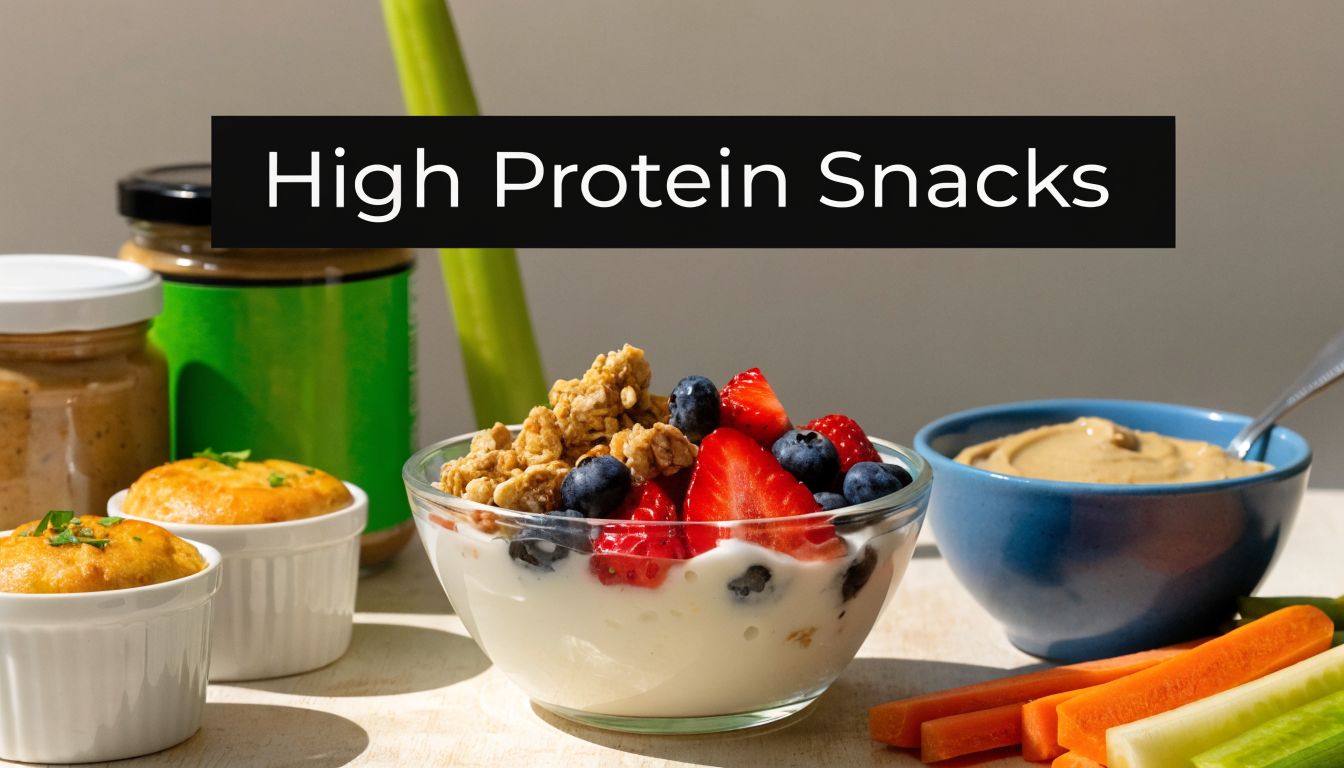
The best high protein snack ideas are simple foods you can prep fast and repeat easily, such as Greek yogurt, eggs, cottage cheese, jerky, tuna, edamame, and protein-based smoothies. For the strongest hunger control, a snack with at least 24 grams of protein kept people fuller the longest in a University of Missouri study on Greek yogurt among healthy women aged 24 to 28, with fullness lasting over 2 additional hours on average and hunger reduced by up to 30% more than a lower-protein version (University of Missouri Greek yogurt study). Practical high protein snack ideas work best when they balance convenience, taste, and ingredients you'll keep on hand.
You're probably looking for snacks that do more than just check a protein box. They need to fit a workday, survive a commute, hold you over between meals, and not turn into another ultra-processed “health” food that leaves you hungry an hour later.
That's the part many lists miss. A good high-protein snack isn't automatically a good everyday snack. Some options are excellent for satiety but need refrigeration. Some are portable but salty. Some look healthy on the label but are basically candy bars with protein added.
That's why I like to build snack rotations around a few dependable categories: dairy, eggs, legumes, fish, and selective convenience foods. If you train hard, these snacks can support recovery. If you're trying to manage appetite, they can make the gap between lunch and dinner much easier to handle. If you want a broader recovery routine, pair smart snacks with these proven muscle recovery strategies.
The list below goes past generic ideas. Each snack includes what makes it useful, where it can backfire, and how I'd fit it into a practical meal plan.
1. Greek Yogurt Parfaits with Berries and Nuts
Three o'clock is when this snack earns its place. Lunch has worn off, dinner is still hours away, and a vending-machine bar will not do much besides add calories and leave you hungry again. A Greek yogurt parfait solves that problem well because it gives you meaningful protein, some fiber, and enough texture to feel like real food.
As noted earlier, higher-protein Greek yogurt stands out for appetite control. In practice, I find it works best for people who want a cold snack that feels substantial without turning into a full meal.

Macro profile and why it works
A smart parfait starts with plain Greek yogurt as the protein base. Add berries for volume and fiber, then a small portion of nuts or seeds for crunch and slower digestion. That combination gives you a better balance than yogurt alone, especially if you need the snack to carry you through a long afternoon.
A practical serving often looks like this:
- Protein base: 3/4 to 1 cup plain Greek yogurt
- Produce: 1/2 cup berries
- Healthy fats: 1 to 2 tablespoons nuts or seeds
That mix usually lands in the range of a true snack rather than a disguised dessert. It is also easy to adjust. Use more yogurt if you need extra protein after training. Use fewer nuts if calories add up quickly in your day.
Best combinations to keep in rotation
The simplest versions are usually the most repeatable:
- Classic: Fage Total with blueberries and almonds
- Higher-protein: Oikos Pro with raspberries and pumpkin seeds
- Tangy option: Siggi's skyr with strawberries and walnuts
Plain yogurt gives you more control over sweetness. Flavored cups can work in a pinch, but many turn a high-protein snack into something closer to sweetened pudding.
Practical rule: Build sweetness with fruit first. If you still need more, add cinnamon or a small drizzle of honey instead of starting with a heavily sweetened yogurt cup.
Pros, cons, and real-world trade-offs
The biggest advantage is efficiency. You get a complete dairy protein source, minimal prep, and easy portioning in one container. For people trying to stay full between meals or support recovery, that is hard to beat.
The downside is portability. Greek yogurt needs refrigeration, and toppings can get soggy if you mix everything too early. Cost can also creep up if you buy single-serve specialty cups instead of larger tubs.
Meal prep tips and meal-plan use
For better texture, keep the yogurt plain and pack berries and nuts separately until you eat. If you prep several jars at once, add fruit at the bottom or on top, but leave crunchy toppings out until the last minute.
In a meal plan, I use this snack in two common spots. First, as an afternoon bridge on busy workdays when dinner will be late. Second, as a post-workout snack when someone wants protein fast but is not ready for a full meal. Rotate the fruit and nut combinations through the week and it stays interesting without adding much effort.
2. Hard-Boiled Eggs with Seasonings
Eggs are the snack I recommend when someone wants the simplest possible answer. They're compact, easy to batch-cook, and naturally portion-controlled. They also travel better than most fresh protein foods.
Two eggs make a practical snack portion for many people. They're especially useful when you know dinner is still a while away and you need something more substantial than a handful of nuts.
Why eggs stay in the rotation
Hard-boiled eggs don't need much dressing up. A little sea salt, smoked paprika, everything bagel seasoning, or dukkah is usually enough to make them repeatable.
They also solve a common snack problem. A lot of convenience snacks are either mostly carbs or mostly fat. Eggs give you a more direct protein option without much effort.
Try these easy formats:
- Desk-friendly: Two eggs with a pinch of salt and black pepper
- Savory snack plate: Eggs with cucumber slices and a few whole-grain crackers
- Pre-workout bite: Eggs with a piece of fruit if you want quick energy alongside protein
Eggs are best when you season them enough to want them again. Bland “healthy” snacks don't last in real life.
The trade-off to know
The main drawback is food fatigue. Many people buy eggs with good intentions, eat them plain twice, and then ignore the rest. That's not a nutrition problem. It's a flavor problem.
Batch-cook them once or twice a week, peel some in advance, and keep a few seasoning options nearby. If you do that, eggs become one of the cheapest and most dependable high protein snack ideas you can keep around.
3. Protein Powder-Based Snack Balls
You need something you can eat in two bites, toss in a bag, and portion ahead of time. Protein snack balls do that better than a lot of packaged options, especially if bars feel too sweet or too expensive to keep around.

The main advantage is control. You decide the protein source, the carb level, the sweetness, and the portion size. That makes these useful for different goals, from a lighter afternoon snack to a higher-calorie add-on for training days.
How to build a better protein bite
A reliable formula starts with protein powder, nut or seed butter, and a binder such as oats. From there, adjust based on what you want the snack to do.
- Higher satiety: use oats, chia seeds, and a slightly less sweet nut butter
- Softer texture: add a little milk, mashed banana, or date paste
- Lower sugar: skip syrup and use cinnamon, vanilla, or unsweetened cocoa for flavor
- More calories for muscle gain: increase nut butter or add chopped nuts
A practical batch might land around 8 to 12 grams of protein per serving, depending on the powder, the size of each ball, and how many you make from the mix. That range works well for a snack. Pair two bites with fruit if you need more staying power.
A few combinations that hold up well in real life:
- Chocolate peanut butter: whey or blended protein, peanut butter, oats, cocoa
- Vanilla almond: vanilla protein, almond butter, oats, cinnamon
- Strawberry cheesecake style: vanilla protein, freeze-dried strawberry pieces, cashew butter
If muscle gain is the goal, these fit well into a structured muscle gain meal plan for steady calorie and protein intake because the ingredients are easy to repeat and portions are simple to track.
What to watch for
The biggest mistake is building them like dessert and calling them a protein snack. A heavy hand with honey, chocolate chips, dried fruit, or nut butter can push calories up fast without making the snack much more filling.
Protein quality matters here too. Whey and casein usually give you a more complete amino acid profile per scoop. Plant-based powders can still work, but texture and taste vary more, and some blends are chalkier or less satisfying in small no-bake bites. If recovery or muscle gain is the priority, choose a powder you tolerate well and will use consistently.
A quick visual guide helps if you're making a batch:
For meal prep, roll the batch into individual pieces right away and store them in the fridge or freezer in grab-and-go portions. That keeps the macros more predictable and cuts down on the common “I'll just have one more” problem.
4. Cottage Cheese with Fresh Fruit and Almonds
Cottage cheese is one of the best high protein snack ideas for people who want a slower, steadier snack instead of something sweet and processed. It's creamy, mild, and easy to pair with both sweet and savory toppings.
It also fills a useful gap. Some people don't like yogurt every day, but they still want a spoonable dairy snack that feels substantial. Cottage cheese does that well.
The combinations that make it better
The easiest version is cottage cheese with pineapple or berries, plus a few almonds or walnuts. Cinnamon helps if you want more flavor without turning the snack into dessert.
Good examples include:
- Classic sweet bowl: low-fat cottage cheese with pineapple chunks
- Berry option: Good Culture with strawberries and almonds
- Savory twist: cottage cheese with cucumber, black pepper, and chopped herbs
What to watch for
Texture is the biggest hurdle. People either like cottage cheese immediately or need a little help getting into it. Fruit helps a lot, and so does choosing a brand with a cleaner, creamier texture.
The second issue is sodium. Some tubs are noticeably saltier than others, so if you eat cottage cheese often, compare labels and stick with one you enjoy.
A snack you enjoy in a plain bowl is more useful than one you only tolerate because it's “healthy.”
For meal prep, portion cottage cheese into single-serve containers and add fruit right before eating if you want the best texture. This snack works especially well in the afternoon because it's calming, filling, and easy to repeat without much effort.
5. Jerky Beef Turkey or Plant-Based
Jerky earns its place because convenience matters. Not every snack has to be homemade or refrigerated. Sometimes you need a high-protein option that can live in a work bag, glove compartment, or travel backpack.
That said, jerky is one of the most uneven categories. Some products are simple and useful. Others are salty, sugary, and marketed like fitness food.
When jerky is a smart choice
Jerky works best when refrigeration isn't practical. It's also useful for people who get caught between meetings or need a backup option that won't spoil quickly.
Examples worth looking for:
- Beef jerky or meat sticks: Chomps
- Turkey jerky: brands with simpler ingredient lists
- Salmon jerky: a good alternative if you want something different
- Plant-based jerky: mushroom or soy-based options for a non-meat route
The trade-offs are real
Jerky often brings plenty of protein, but sodium can climb fast. Sweetened versions can also undercut the “clean snack” image they try to project.
A better way to use jerky is as part of a snack, not always the entire snack:
- Add produce: pair it with grapes, apple slices, or baby carrots
- Balance texture: combine it with nuts for a more satisfying bite
- Keep portions intentional: pre-portion instead of eating straight from a large bag
Jerky is a strong emergency snack. It's usually not the most balanced everyday snack unless you pair it well. Used that way, it's practical and effective.
6. Roasted Chickpeas
You get home hungry, want something salty and crunchy, and need more staying power than crackers or chips usually give. Roasted chickpeas fit that gap well.
They are one of the more practical high protein snack ideas for plant-forward eaters because they also bring fiber. That combination usually makes them more filling than many shelf-stable snack foods, even though the protein content is moderate rather than especially high.

Why roasted chickpeas earn a spot
Roasted chickpeas work best for people who want crunch, portability, and lower cost per serving. They also solve a common problem in high-protein snacking. Many quick options rely on dairy, meat, or protein powder. Chickpeas give you a savory alternative that still supports your daily protein target.
The trade-off is straightforward. Chickpeas are a solid protein-supporting snack, but they are not as protein-dense as jerky, Greek yogurt, or a shake. If muscle gain is the main goal, use them as part of a more complete snack. Pair them with edamame, cheese, or a higher-protein meal later in the day.
Macro and meal-planning notes
A serving of roasted chickpeas usually gives you a useful mix of protein, fiber, and carbs, which makes them better for steady energy than for a pure protein hit. That is exactly why I like them in real meal planning. They help fill the gap between a convenience snack and a balanced mini-meal.
If you are building repeatable snacks into a high-protein meal plan, roasted chickpeas work well as the crunchy component beside fruit, cut vegetables, or a dip-based snack box.
Best ways to season them
Seasoning decides whether you will keep making them.
- Savory: garlic powder, smoked paprika, black pepper
- Warm spice: cumin, coriander, cayenne
- Snack-style: everything bagel seasoning
- Sweet-savory: cinnamon and a light pinch of salt
Prep tips that make a real difference
Dry them well before roasting. Extra moisture is usually why homemade chickpeas turn chewy instead of crisp.
Roast until fully crisp, then cool them before storing. Even well-made batches lose texture faster than many people expect, so smaller batches usually work better than a full week of prep. Store them in a container with a loose-fitting lid or vented top if you want to preserve crunch a bit longer.
Used well, roasted chickpeas are less of a direct protein replacement for dairy or meat snacks and more of a smart hybrid snack. They give you plant protein, fiber, crunch, and flexibility at a low cost.
7. Protein Shakes and Smoothies
You finish a workout, glance at the clock, and realize your next real meal is hours away. That is where a well-built shake earns its place. It covers the gap fast, with less prep than almost any other high-protein snack.
Shakes and smoothies work best when speed is the priority and appetite is low. I use them most often in three situations: after training, during rushed mornings, and on days when chewing through a full snack sounds unappealing.
When a shake is a smart snack
A good shake has a job. It should deliver enough protein to matter, digest reasonably well, and fit the rest of the day's meals instead of crowding them out.
A few dependable formats:
- Ready-made: Premier Protein, Fairlife Core Power, Orgain
- Homemade smoothie: Greek yogurt, frozen berries, spinach, and protein powder
- Simple shaker bottle option: protein powder and milk or a fortified plant drink
If you want more repeatable combinations instead of improvising every afternoon, a high-protein meal plan for busy schedules helps map shakes into your day without turning them into meal replacements by accident.
What separates a useful shake from a liquid calorie bomb
The best version starts with the protein source. Protein powder, Greek yogurt, cottage cheese, or ultra-filtered milk usually does the heavy lifting. Then add one or two supporting ingredients based on purpose.
For example, fruit improves taste and gives quick carbs. Nut butter adds calories and slows digestion, which can help if a basic shake leaves you hungry an hour later. Spinach or frozen cauliflower can increase volume with little effect on flavor.
More ingredients do not automatically make a better smoothie.
The usual mistake is combining protein powder, nut butter, oats, seeds, yogurt, fruit, and sweetener in one blender jar. That can push a snack into meal-level calories without giving the satisfaction of a real meal. For many people, a simpler shake is easier to digest and easier to repeat consistently.
Analysts at Grand View Research project the global high-protein healthy snacks market to grow from USD 5,856.4 million in 2025 to USD 11,953.4 million by 2033, with a CAGR of 9.4% from 2026 to 2033 (Grand View Research high-protein healthy snacks projection). Convenience demand is clearly rising. For daily use, though, basic ingredients and a clear macro target still beat novelty products.
Practical trade-offs to keep in mind
Shakes are portable and efficient, but they are not always as filling as foods you chew. If hunger control is the main goal, blend in fiber or pair the drink with something solid, such as fruit, whole-grain toast, or a handful of nuts.
Ready-to-drink shakes save time but usually cost more per serving. Homemade versions are cheaper and easier to customize, but only if you keep the ingredient list realistic enough to make again next week.
8. String Cheese with Whole-Grain Crackers
String cheese is underrated because it looks too simple to count. But simple is exactly why it works. It's portable, portioned, and easy to pair with something crunchy.
This is one of the easiest high protein snack ideas for parents, commuters, and anyone who needs a quick desk snack that doesn't require prep.
Why this combo is more useful than it looks
String cheese on its own is fine, but pairing it with whole-grain crackers or fruit gives the snack more balance. You get protein plus something that makes it feel complete.
Good combinations include:
- Classic: Polly-O mozzarella stick with Wasa crackers
- Travel option: Horizon string cheese with rye crispbread
- Sweeter variation: string cheese with apple slices
The main limit
This snack is convenient, but it won't satisfy everyone for long if the portion is too small. That's why I think of it as a light bridge snack, not always a full afternoon holdover.
If you know you're headed into a long gap before dinner, add produce or a few nuts. If you just need a tidy, easy option that won't melt your brain with decision fatigue, string cheese and crackers is hard to beat.
9. Tuna or Salmon Salad
It's 3 p.m., lunch is gone, dinner is still hours away, and a sweet snack will not cut it. Tuna or salmon salad works well here because it gives you real protein, solid staying power, and enough flexibility to fit what you already have in the fridge.
This is one of the more practical high protein snack ideas for people who want more than a grab-and-go bar. A can of tuna or salmon usually gives you a strong protein base with very little prep, and the final macro profile is easy to control based on what you mix in.
Why it works as a smart snack
The biggest advantage is protein density. You can keep the snack light by mixing the fish with lemon, herbs, and chopped vegetables, or make it more filling with Greek yogurt, avocado, or crackers on the side.
A few useful builds:
- Lighter option: tuna, celery, lemon juice, Dijon, Greek yogurt
- Higher-fat, more satisfying option: salmon, cucumber, dill, olive oil, capers
- Snack plate version: fish salad with sliced peppers or whole-grain crackers
For meal planning, this kind of mix also pulls double duty. Make a small portion for a snack, then use the same prep style later in the week for lunches. If you like that practical, protein-forward approach, this high-protein chicken and rice bowl recipe follows the same logic.
Pros, trade-offs, and prep tips
Pros are straightforward. Canned fish is affordable, shelf-stable, and filling. It also brings nutrients many packaged snacks do not, especially omega-3 fats in salmon.
The trade-offs matter too. Smell is the obvious one, so this is usually better at home than at a shared desk. Sodium can also climb if you use heavily seasoned canned fish or salty mix-ins, and mayo-heavy versions can turn a solid protein snack into something that feels sluggish rather than satisfying.
My rule is simple: keep the binder moderate, add crunch, and portion it on purpose. About half to one can, depending on your appetite, is usually enough for a serious snack without drifting into full meal territory.
A 2023 safefood survey across the Island of Ireland found that 37% of adults considered protein bars healthy (safefood survey of high-protein snack foods). That gap between marketing and food quality is part of why simple whole-food options like fish salad still earn a place in a smart snack rotation.
10. Edamame
You need a snack at 3 p.m., want real protein, and do not want another sweet bar or another dairy cup. Edamame fills that gap well. It is one of the few plant-based options that brings solid protein, fiber, and a satisfying texture without much work.
For practical use, frozen shelled edamame and edamame in pods serve different purposes. Shelled edamame is better if you want speed and easy portioning. Pods are better if you want a snack that lasts longer and slows down mindless eating.
Why edamame earns a spot in a smart snack rotation
Edamame gives you more than protein alone. It also adds fiber, which helps with fullness, and it usually sits lighter than many processed high-protein snacks. That combination makes it useful on days when hunger is real but a full meal is still an hour or two away.
It also works well for meal planning because you can shift the format based on the job:
- Fast post-work snack: microwaved shelled edamame with salt
- Higher-flavor option: toss with chili flakes, garlic powder, and a squeeze of lemon
- Portable choice: dry-roasted edamame for the car, desk, or travel bag
- Meal-prep add-on: mix shelled edamame into grain bowls or salads, then reserve a small portion as a snack
Pros, trade-offs, and prep tips
The upside is straightforward. Edamame is affordable, easy to keep in the freezer, and useful for anyone who wants a savory plant-based snack with better staying power than crackers or fruit alone.
The trade-offs are worth knowing. The protein content is good for a plant food, but it is still lower per bite than jerky, tuna, or a shake. Roasted versions are convenient, though portions can get away from people because they eat more like a crunchy snack food. Seasoned packs can also bring a lot of sodium.
My coaching rule is simple. Use about 1 cup in pods or a smaller portion of shelled edamame for a true snack, then season it enough to make it satisfying without turning it into a sodium bomb.
Analysts at InsightAce Analytic estimated the global protein snacks market at USD 24.0 billion in 2024, with a forecast of USD 74.1 billion by 2034 and a projected 12.1% CAGR from 2025 to 2034 (InsightAce Analytic protein snacks market projection). That growth helps explain why packaged options keep multiplying. Edamame is a useful counterbalance because it delivers protein in a form that is simple, minimally processed, and easy to fit into a smart weekly meal plan.
Top 10 High-Protein Snacks Comparison
| Item | Implementation (🔄) | Prep & Time (⚡) | Resource requirements | Expected outcomes (⭐📊) | Ideal use cases (💡) |
|---|---|---|---|---|---|
| Greek Yogurt Parfaits with Berries and Nuts | 🔄 Very low, assemble/mix; no cooking | ⚡ 2–3 min (refrigerate) | Plain Greek yogurt, berries, nuts/granola, fridge | ⭐⭐⭐⭐ High protein (15–20g); probiotics; balanced macros | Macro-tracked snacks, muscle recovery, quick breakfast |
| Hard-Boiled Eggs with Seasonings | 🔄 Low, boil batch; simple technique | ⚡ 12 min cook + 10 min cool; batchable | Eggs, pot, ice bath, fridge | ⭐⭐⭐⭐ Complete protein (6g/egg); economical satiety | Meal prep, portable protein, pre-workout snack |
| Protein Powder-Based Snack Balls (No-Bake Bites) | 🔄 Low–medium, mix, roll; learning curve on texture | ⚡ 15 min for 20–30 (batch, freezeable) | Protein powder, nut butter, oats, freezer | ⭐⭐⭐–⭐⭐⭐⭐ 8–12g/ball; fully customizable macros | Bulk snack prep, grab-and-go, controlled macros |
| Cottage Cheese with Fresh Fruit and Almonds | 🔄 Very low, ready to eat | ⚡ 1 min | Cottage cheese, fruit, almonds, fridge | ⭐⭐⭐⭐ 14–20g/½ cup; slow-release casein; high satiety | Between-meal hunger control, low-fat high-protein option |
| Jerky (Beef, Turkey, or Plant-Based) | 🔄 Very low, ready-to-eat | ⚡ 0 min; shelf-stable | Packaged jerky, no refrigeration needed | ⭐⭐⭐⭐ 9–14g/oz; very portable; watch sodium | Travel/commute, long shelf-life snacking, outdoor use |
| Roasted Chickpeas (Crunchy Snack Chips) | 🔄 Medium, roast for crispness | ⚡ 30 min (mostly hands-off) | Dried chickpeas, oven, minimal oil, airtight container | ⭐⭐⭐ 7g/oz + 6g fiber; plant-based sustained energy | Vegan snack, chip substitute, budget-friendly option |
| Protein Shakes and Smoothies (Ready-Made or Homemade) | 🔄 Low, blend or use RTD products | ⚡ 2–3 min (instant with RTD) | Protein powder or RTD shakes, blender for homemade | ⭐⭐⭐⭐⭐ 20–40g; fast absorption; customizable macros | Post-workout recovery, meal replacement, time-pressed |
| String Cheese (Mozzarella Sticks) with Whole-Grain Crackers | 🔄 Very low, grab-and-go, pre-portioned | ⚡ 0 min | String cheese, whole-grain crackers, short unrefrigerated window | ⭐⭐⭐ 7–8g/stick; calcium source; portion control | Kids' snack, simple portion control, short trips |
| Tuna or Salmon Salad (Canned Fish with Veggies) | 🔄 Low, open and mix canned fish | ⚡ 2–3 min | Canned fish (water-packed), veggies, minimal pantry items | ⭐⭐⭐⭐ 20–25g/serving; omega-3s; nutrient-dense | Office snack, light meal, omega-3 focused plans |
| Edamame (Boiled or Roasted Soy Beans) | 🔄 Low, boil/thaw or roast | ⚡ 5–15 min (frozen or fresh) | Frozen pods or fresh soybeans, pot or oven | ⭐⭐⭐⭐ 11g/cup; complete plant protein + fiber | Plant-based protein, fiber-rich snack, mindful eating |
Final Thoughts
The best high protein snack ideas aren't the most fashionable ones. They're the snacks you'll keep stocked, prepare without friction, and eat consistently enough to support your goals.
That usually means building around a short list of dependable basics. Greek yogurt, eggs, cottage cheese, fish, edamame, and roasted legumes all work because they solve a real problem. They help you bridge long gaps between meals, recover after training, or avoid the cycle of grabbing whatever is fastest and regretting it later.
The biggest mistake I see is choosing snacks based only on the word “protein.” That's how people end up with bars and packaged foods that look functional but don't satisfy well, taste overly sweet, or come with more saturated fat, salt, or sugar than expected. Sometimes those products are useful. They're just not automatically the best default.
A better approach is to match the snack to the job.
If you want the strongest hunger control, Greek yogurt is a standout. If you need pure convenience, eggs, jerky, or string cheese are hard to beat. If you want a more whole-food, plant-forward option, chickpeas and edamame are practical. If your schedule is chaotic, smoothies and snack balls can help you stay consistent without much prep.
Protein quality matters too. That point gets overlooked in many snack roundups. For general fullness and better day-to-day eating, a mix of animal and plant proteins can work well. But if your main goal is muscle gain or recovery, complete protein sources are often easier to use because you don't have to think as hard about pairing foods. That doesn't make plant-based snacks worse. It just means they should be selected more intentionally.
Another point worth remembering is that snacks don't need to do everything on their own. A mozzarella stick becomes a better snack with fruit or crackers. Jerky improves with produce or nuts. Tuna becomes more satisfying with crunchy vegetables. Small pairings often make the difference between a snack that merely contains protein and one that holds you over.
If you want your snack routine to last, make it boring in the right way. Keep a few core options on repeat and rotate flavors, toppings, and formats. Buy plain Greek yogurt and change the fruit. Season eggs differently each week. Roast chickpeas with different spices. Use the same system, not the exact same snack every day.
That's what works in practice. Not endless variety for the sake of variety. Not a pantry full of expensive protein products. Just a small set of high protein snack ideas that fit your appetite, your schedule, and the way you live.
If you want those snacks organized into a plan instead of guessed meal by meal, AI Meal Planner builds personalized weekly meals and snacks around your goals, diet, allergies, and routine. It's a practical way to turn good snack ideas into a repeatable system with smart grocery lists, balanced macros, and less food waste.
AI-powered nutrition
Get Your Personalized Meal Plan
AI creates the perfect meals for your goals, lifestyle, and taste.
Start Your Journej