Are Frozen Vegetables Healthy? A 2026 Nutritionist's Guide
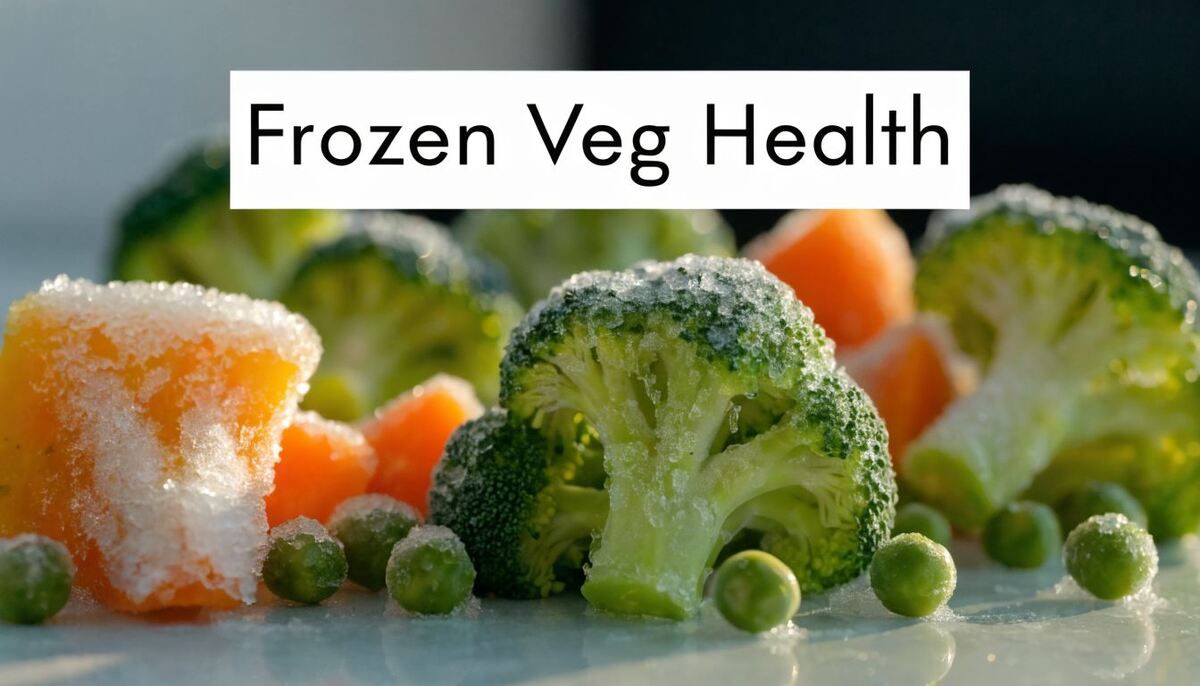
Usually, yes. For shoppers trying to control food waste, keep meals consistent, and hit nutrition targets on busy days, frozen vegetables are often the more reliable choice.
The useful question is not whether frozen vegetables are better than fresh. It is whether they arrive on your plate in better condition, in useful portions, and often enough to improve your diet. In practice, frozen vegetables solve three common failures of fresh produce: nutrients lost during long storage, vegetables thrown away before use, and inconsistent portions that make macro tracking harder.
That makes frozen vegetables less of a compromise and more of a tool. A plain bag of frozen broccoli, spinach, or mixed vegetables gives you a predictable ingredient with stable fiber and mineral content, no trimming loss, and little prep time. If your goal is nutrient density per dollar and per minute of effort, that matters.
There are limits. Some vegetables are blanched before freezing, which can reduce heat-sensitive vitamins. Some products also include sauces or seasonings that change the nutrition profile. But those are manageable variables, not a reason to avoid frozen produce.
The practical advantage is consistency. Fresh vegetables can be excellent, but only if you buy them at the right time, store them well, and cook them before quality drops. Frozen vegetables remove much of that timing problem. If you want help turning those predictable ingredients into a repeatable eating pattern, an AI nutritionist for meal planning and macro tracking can make that process easier.
How Do Frozen and Fresh Vegetables Compare Nutritionally?
Fresh does not automatically mean nutritionally superior. In many real kitchens, the better choice is the vegetable that gets harvested, stored, and cooked with the least nutrient loss before you eat it.
Frozen vegetables usually go into processing soon after harvest, often at peak ripeness. Fresh vegetables can also be highly nutritious, but their quality depends much more on time and handling. A bag of spinach that moves from farm to truck to store shelf to refrigerator drawer has more chances to lose quality before it reaches your plate.

What freezing tends to preserve well
For everyday nutrition, frozen vegetables hold up well in the areas that often matter most for satiety, consistency, and meal planning. Fiber, minerals, and macronutrients generally remain stable through freezing. That makes frozen broccoli, peas, spinach, or mixed vegetables useful for people who want repeatable meals without large swings in nutrition from one week to the next.
That consistency has a practical effect. If you are logging meals, controlling calories, or trying to keep produce in rotation without waste, frozen vegetables give you a more predictable input than fresh produce that may be crisp one day and limp four days later. A meal-planning AI nutritionist for macro tracking works best when the ingredients you buy stay usable and reasonably consistent.
Some frozen vegetables can even compare favorably with fresh versions after storage, especially when the fresh version has spent days in transit or at home. This is the part many shoppers miss. The nutrition gap is not frozen versus just-picked produce. It is often frozen versus produce that has already been aging.
Where fresh can still have an edge
Frozen vegetables are not identical to fresh. Most are blanched before freezing, which means they are exposed briefly to heat to slow enzyme activity and preserve color, texture, and storage quality. That step can reduce heat-sensitive vitamins, especially vitamin C.
So the nutrient comparison depends on your goal.
If you want the highest possible amount of vitamin C from a vegetable you will eat raw the same day you buy it, fresh often wins. If your goal is to keep vegetables available for fast dinners, avoid spoilage, and reliably add fiber and volume to meals, frozen is often the more effective option.
| Nutrient area | Frozen vegetables | Fresh vegetables |
|---|---|---|
| Vitamin C | Often lower after blanching and freezing | Often higher at purchase, then can fall during storage |
| Minerals | Usually well preserved | Usually well preserved |
| Fiber | Usually well preserved | Usually well preserved |
| Carbs, protein, fat | Generally similar to fresh | Generally similar to frozen |
The non-obvious conclusion is that frozen vegetables are often better for nutrition adherence than fresh vegetables. A nutritionally excellent food has little value if it spoils before you cook it. For busy households, frozen vegetables often close the gap between good intentions and actual intake.
What's Really Inside the Bag? Decoding Labels for Additives
A bag of frozen vegetables can be either a high-nutrient ingredient or a prepared side dish with vegetables in it. The label tells you which one you are buying.
That distinction matters more than the word "frozen." Plain broccoli, spinach, peas, carrots, or mixed vegetables usually preserve the main advantages people want from the freezer aisle: convenience, portion control, and less waste. Products with cheese sauce, butter seasoning, sweet glazes, or grain-heavy mixes serve a different role. They may still be useful, but they change the nutrition profile and reduce your control over the meal.

What to look for first
Start with the ingredient list, not the front-of-package claims. A short list such as "broccoli" or "green beans" usually means you are buying a raw ingredient that happens to be frozen. A longer list with oils, starches, cream, cheese powders, sugar, or flavor packets means you are buying a formulated product.
That difference has practical consequences.
If you track macros, plain frozen vegetables are easier to log accurately because their calories and carbohydrate counts are more predictable. If you manage blood pressure, the sodium issue usually comes from seasoning blends and sauces, not from the vegetables themselves. If your goal is nutrient density per calorie, a plain bag gives you more fiber and micronutrients for the space on your plate.
Use a simple screening process:
- Read the ingredient list first: One vegetable or a basic vegetable blend is usually the best default.
- Check the sodium line: Seasoned products can add enough sodium to turn a neutral side into a meaningful contributor to daily intake.
- Scan for added fats and starches: Butter sauces, creamy coatings, breading, and rice-style additions can shift the product from vegetable to convenience entree component.
- Choose based on how you eat: If you want speed without losing control, compare options in a tracker or meal planning tools for macros and grocery choices.
Good choice versus caution choice
A plain frozen vegetable product gives you flexibility at the point where nutrition usually breaks down, weekday dinner. You can pair it with a lean protein, add olive oil or spices in measured amounts, and fit it into a calorie target without much guesswork.
A sauced vegetable blend can still fit into a healthy diet. It just belongs in a different category. It is closer to a finished product than a base ingredient, so the tradeoff is convenience for control.
Plain frozen vegetables are closer to an ingredient. Sauced frozen vegetables are closer to a finished product.
That is the useful filter for shopping the freezer aisle. If you want better adherence, less food waste, and more consistent nutrition, buy the ingredient version first. Then season it yourself. In many real kitchens, that approach makes frozen vegetables healthier than fresh produce that sits unused in the crisper or restaurant-style freezer sides that hide extra sodium and calories behind a health halo.
Are You Cooking the Nutrients Out of Your Vegetables?
Many complaints about frozen vegetables are really complaints about boiling. Boiling is common because it feels easy, but it often gives frozen vegetables their worst texture and their weakest nutritional outcome.
Frozen vegetables already contain moisture. Putting them into a pot of water often leads to a waterlogged result, and water-soluble nutrients are more likely to leach into the cooking liquid. If you've ever wondered why frozen broccoli turns limp and bland, the method is usually the problem.

Best method for nutrient retention
The strongest evidence here is on broccoli. A 2025 meta-analysis reported by ZOE found that steaming frozen broccoli retains 90% of its vitamin C, compared with 70% when boiling, according to ZOE's review of frozen vegetable cooking evidence.
If your goal is nutrient retention, steaming deserves first place. It applies gentle heat, limits contact with water, and usually gives a better texture than boiling.
A practical ranking looks like this:
Steaming for nutrient retention
Best when you want reliable texture and to protect water-soluble vitamins as much as possible.Air-frying or roasting for flavor
Best when you want browning, firmer edges, and vegetables that feel like part of the meal rather than an obligation.Microwaving for speed
Best when time is tight and you need vegetables on the plate fast.
Best method for taste and texture
ZOE also reports that air-frying can boost antioxidant levels by 15% through the Maillard reaction without added oil. That's a useful reminder that nutrient quality and enjoyment aren't enemies. If air-fried green beans or broccoli taste better to you, you're more likely to eat them regularly.
Cooking method changes the nutritional result, but it also changes adherence. The healthiest vegetable is often the one you'll actually eat three nights this week.
For busy cooks, the overlooked trick is to cook frozen vegetables from frozen for many applications. Thawing first often releases extra water, which encourages mushiness. That's why frozen vegetables work well in hot pans, sheet trays, and steam baskets. If you want fast, structured meal ideas, a collection of quick recipes built around simple ingredients makes frozen vegetables much easier to use well.
A simple kitchen rule for busy nights
Use the method that matches the vegetable's job in the meal.
| If the vegetable is for... | Use this method |
|---|---|
| A side dish with clean texture | Steam |
| A grain bowl or crispy dinner plate | Air-fry or roast |
| Soup, curry, or pasta sauce | Add directly near the end |
| A rushed lunch | Microwave briefly, then season well |
Boiling still has a place in some soups and stews. It's just a poor default for frozen vegetables when your goal is both nutrition and texture.
Why Does the Freezing Process Itself Preserve Nutrients?
The science behind frozen vegetables is less mysterious than it sounds. The key is freezing speed.
A UC Davis study found that rapid freezing creates smaller ice crystals, which causes minimal cellular damage and helps minerals such as calcium, magnesium, and iron retain 85–95% of their fresh counterparts' values, according to the UC Davis summary published by AFFI. The same summary explains that slower freezing creates larger crystals that can compromise nutrient bioavailability.
Why small ice crystals matter
Think of plant cells like tiny water-filled compartments. When food freezes slowly, large ice crystals form and push through cell structures more aggressively. That's one reason slowly frozen vegetables often end up softer and leak more water when thawed.
Commercial rapid freezing limits that damage. Smaller crystals fit the structure better, so the vegetable keeps more of its original architecture. That supports both texture and nutrient preservation.
Why home results can feel different
This is also why people sometimes confuse store-bought frozen vegetables with home-frozen leftovers. They're not processed the same way.
Rapid commercial freezing is designed to preserve structure. Slow freezing at home often sacrifices structure first, and texture usually tells you that before nutrition does.
That detail matters because it explains a common contradiction. A person can have a bad experience with a soggy, home-frozen vegetable and assume all frozen vegetables are nutritionally inferior. The mechanism says otherwise. Commercial freezing is built to reduce cellular injury, and that's a major reason frozen vegetables can stay nutritionally strong.
How to Easily Use Frozen Vegetables in Your Daily Meals
Frozen vegetables are most useful when they stop being “backup food” and become part of your default routine. Their biggest advantage isn't theory. It's that they turn healthy eating into a lower-friction decision on a Wednesday night.

The easiest way to use them without overthinking it
You don't need special recipes. You need repeatable placements.
- Breakfast: Add frozen spinach to eggs, tofu scrambles, or a smoothie.
- Lunch: Stir frozen peas, corn, or mixed vegetables into soup, rice, or leftover grain bowls.
- Dinner: Roast frozen broccoli or cauliflower alongside salmon, tofu, or chicken. Or toss a frozen stir-fry blend directly into a hot skillet.
- Snacks and sides: Steam green beans or edamame-style blends, then season with olive oil, lemon, chili flakes, or garlic.
This approach works especially well if you shop by meal role instead of by vegetable category. Keep one leafy option, one starchy option, and one mixed blend in the freezer. That gives you flexibility without decision fatigue.
If you're trying to reduce cost while keeping meals structured, a good budgeting framework helps. This guide to a smart grocery list for weight loss is useful because it treats staples as systems, not impulse buys.
Match the vegetable to the health goal
Different frozen vegetables fit different routines.
| Goal | Good frozen choices | Why they work |
|---|---|---|
| Macro tracking | Broccoli, cauliflower, green beans, spinach | Easy to portion and repeat |
| Plant-based meals | Peas, spinach, mixed vegetables, edamame-style blends | Fast way to build meal volume |
| Budget meals | Corn, peas, carrots, mixed vegetables | Flexible across soups, bowls, and stir-fries |
| Low-prep dinners | Stir-fry blends, broccoli florets, cauliflower | Minimal chopping and cleanup |
For plant-forward eating, keeping a freezer stocked with simple vegetables makes consistency easier than relying on fresh produce alone. If you want ideas organized around that approach, a plant-based meal plan can help you think in complete meals instead of single ingredients.
A short cooking demo can make the difference between knowing this and doing it at dinner time:
Start building your effortless, healthy eating routine today with a personalized plan from AI Meal Planner.
Answering Your Top Questions About Frozen Vegetables
Fresh is not automatically the safer or healthier choice. In a busy kitchen, the better option is often the one you store well, cook quickly, and eat before it spoils.
Some questions about frozen vegetables are really about food safety. Others are about texture, convenience, and whether a bag of broccoli can support goals like weight loss or macro tracking without creating extra waste. If you're also thinking about broader refrigerated food safety, this explainer on the risks of listeria in refrigerated foods gives useful context on why storage conditions matter so much for perishable foods.
Common Questions About Frozen Vegetables
| Question | Answer |
|---|---|
| Are frozen vegetables safe for babies and toddlers? | Usually yes, if you cook them to a soft, age-appropriate texture and choose plain varieties without sauces or heavy seasoning. They can make family meals easier because portioning is simple and waste is low. |
| Should I wash frozen vegetables before cooking? | Usually no. They are typically intended to go straight from the bag into the pan, pot, or microwave. Extra rinsing often adds ice and water, which can hurt texture. |
| Is it better to thaw them first? | Usually not. Cooking from frozen often protects texture better, especially for broccoli, green beans, and mixed vegetables. It also makes weeknight cooking faster and more repeatable. |
| How long do frozen vegetables last? | Quality is usually best within about a year. They remain practical for longer in many cases, but texture and flavor gradually decline, so labeling bags with the purchase date helps. |
| Are organic frozen vegetables worth the extra cost? | It depends on your budget and buying priorities. For nutrition and body-composition goals, the bigger distinction is often plain vegetables versus products with sauces, breading, or added sodium. |
| Are frozen vegetables good for weight loss? | Yes, they can support weight loss because they make it easier to build high-volume, lower-calorie meals with less prep. They also reduce the odds that vegetables rot in the fridge before you use them. |
| Are frozen vegetables healthier than fresh? | Sometimes yes in everyday use. A more practical comparison is frozen vegetables versus fresh vegetables that spend days in the crisper and then get thrown out, overcooked, or skipped because prep feels like work. |
A key takeaway
The frozen-versus-fresh debate often ignores how people shop and cook. Nutrition on paper matters less if the food never makes it onto the plate.
Frozen vegetables work well because they solve three common failure points at once. They are pre-portioned enough to make macro tracking easier, they reduce food waste, and they shorten the distance between intention and dinner. For a health-conscious person with a full schedule, that combination can improve diet quality more than buying fresh produce with good intentions and poor follow-through.
Frozen vegetables are not a backup plan. They are a reliable way to keep nutrient-dense foods available on the nights when time, energy, and attention are limited.
That is why the strongest rule is situational. Use fresh vegetables when texture is the priority, such as salads, slaws, or roasted dishes where crispness matters. Use frozen vegetables when consistency, speed, portion control, and lower waste matter more.
AI-powered nutrition
Get Your Personalized Meal Plan
AI creates the perfect meals for your goals, lifestyle, and taste.
Start Your Journej