Tuesday, 6:15 p.m. You open the fridge, see ingredients that could become dinner, and still end up ordering takeout because the underlying problem is not food. It is decision timing.
A weekly meal prep planner works best as a system, not a one-off burst of motivation. Good planning moves the hard choices out of the busiest part of the day and puts them into a repeatable process you can run each week with less effort. That is why static meal plans often fall apart. They look organized on paper, but they do not adjust well to changing schedules, energy, leftovers, or appetite.
The manual version still matters. Set the plan up with a clear goal, a simple weekly structure, and a short list of meals you will prepare again. Then improve it over time. For many households, that progression leads naturally to automation, where a tool such as AI Meal Planner can handle the repetitive parts while keeping the plan personal instead of generic.
I have seen the same pattern with clients for years. The people who stay consistent are rarely the ones with the most recipes or the most discipline. They are the ones with a planner that matches real life on busy nights, low-energy days, and weeks that do not go as expected.
Meal prep also helps reduce daily friction. Research published by PMC links more time spent on meal preparation activities with better mental health markers and lower stress. In practice, structure reduces the number of food decisions that rely on willpower at the worst possible moment.
That is the core value of a weekly meal prep planner. It gives you a system you can repeat manually first, then automate as your needs get more complex.
How Do I Create a Weekly Meal Prep Planner That Actually Works?
A weekly meal prep planner works when it fits your real life, not your fantasy routine. Start with one clear target such as weight loss, muscle gain, budget control, or managing a dietary restriction. Then map your week into meal slots and choose repeatable meals you can prep, batch cook, or partially assemble without turning your kitchen into a second job.
Most failed plans aren’t too unhealthy. They’re too complicated.
A planner should remove choices, not create more of them. When people treat meal planning like a perfect eating challenge, they usually build something fragile. The fix is a system you can repeat with minor adjustments each week.
What Are Your Core Meal Prep Goals?
Sunday planning often falls apart by Wednesday for one reason. The plan answered “what sounds good?” instead of “what problem am I solving this week?”
Goals give your planner a job. Once that job is clear, decisions get faster. You can judge meals by whether they support the outcome instead of whether they look appealing in the moment.

Pick one primary outcome first
The clients who stay consistent usually choose one lead goal and accept a few trade-offs. The clients who try to optimize fat loss, muscle gain, budget, variety, family preferences, and zero waste in the same week usually build a planner that becomes too heavy to use.
A primary goal creates a filter for every choice that follows.
Common starting points include:
- Weight loss: meals need predictable portions, enough protein and fiber to stay full, and fewer reactive food decisions during busy hours
- Muscle gain: meals need enough total food, consistent protein across the day, and recovery-friendly structure
- Saving money: meals need ingredient overlap, planned leftovers, and fewer one-off purchases
- Dietary restrictions: meals need safe ingredients, clear substitutions, and low risk of last-minute mistakes
Here is the test I use with clients. If your goal cannot guide one grocery decision, it is still too vague.
Turn the goal into rules
A good goal changes what lands in the cart, what gets cooked first, and what gets repeated.
For fat loss, that often means breakfast and lunch become more predictable than dinner. For muscle gain, the usual fix is increasing portions and making protein visible in every main meal instead of assuming it will work itself out. For budget control, repeat ingredients matter more than recipe variety. For food sensitivities or medical needs, the planner has to reduce uncertainty before the week starts, not after a symptom flare or label-reading mistake.
This is the manual stage of meal planning, and it matters. You learn the rules before you try to automate them.
Once those rules are clear, digital tools can save time without making the plan generic. A tool like an AI nutritionist meal planning tool can turn goals, preferences, and restrictions into usable weekly choices. That is a better progression than jumping straight into a static template that ignores how your needs change from week to week.
Include comfort and digestion in the goal
Adherence is not only about calories, macros, or price. Plenty of well-built plans fail because the meals leave someone hungry at 3 p.m., too full to train, or bloated enough to stop prepping altogether.
That is why I treat digestion as a planning variable, not a side note. Meal size, fiber timing, food volume, and how often meals come from restaurants all affect whether a plan feels sustainable. Some people also find that probiotic supplements can support digestion and reduce bloating while they are trying to settle into a more consistent routine.
Comfort drives compliance.
Use a simple goal filter before you finalize the week
| Goal | What the planner should emphasize | What usually breaks it |
|---|---|---|
| Weight loss | Repeatable portions, prepared lunches, planned snacks | Skipped meals that lead to reactive eating |
| Muscle gain | Enough protein, enough calories, meals that are easy to repeat | Portions that are too small or inconsistent |
| Save money | Ingredient reuse, leftover planning, simpler shopping | Buying for novelty with no reuse plan |
| Dietary restrictions | Safe ingredients, substitution rules, label clarity | Last-minute swaps and unclear meal choices |
A strong weekly meal prep planner starts with manual clarity. Automation works best after that. First define the outcome, then build a system that can repeat it with less effort each week.
How Do You Build a Reusable Planner Template?
A reusable planner should be boring in the right way. It doesn’t need to be pretty. It needs to be easy to repeat.
It's easy to overcomplicate this part, creating color-coded systems, complicated spreadsheets, or a giant list of aspirational recipes. This often results in avoiding the planner because using it feels like work. The better approach is a template you can fill in quickly every week with only minor changes.

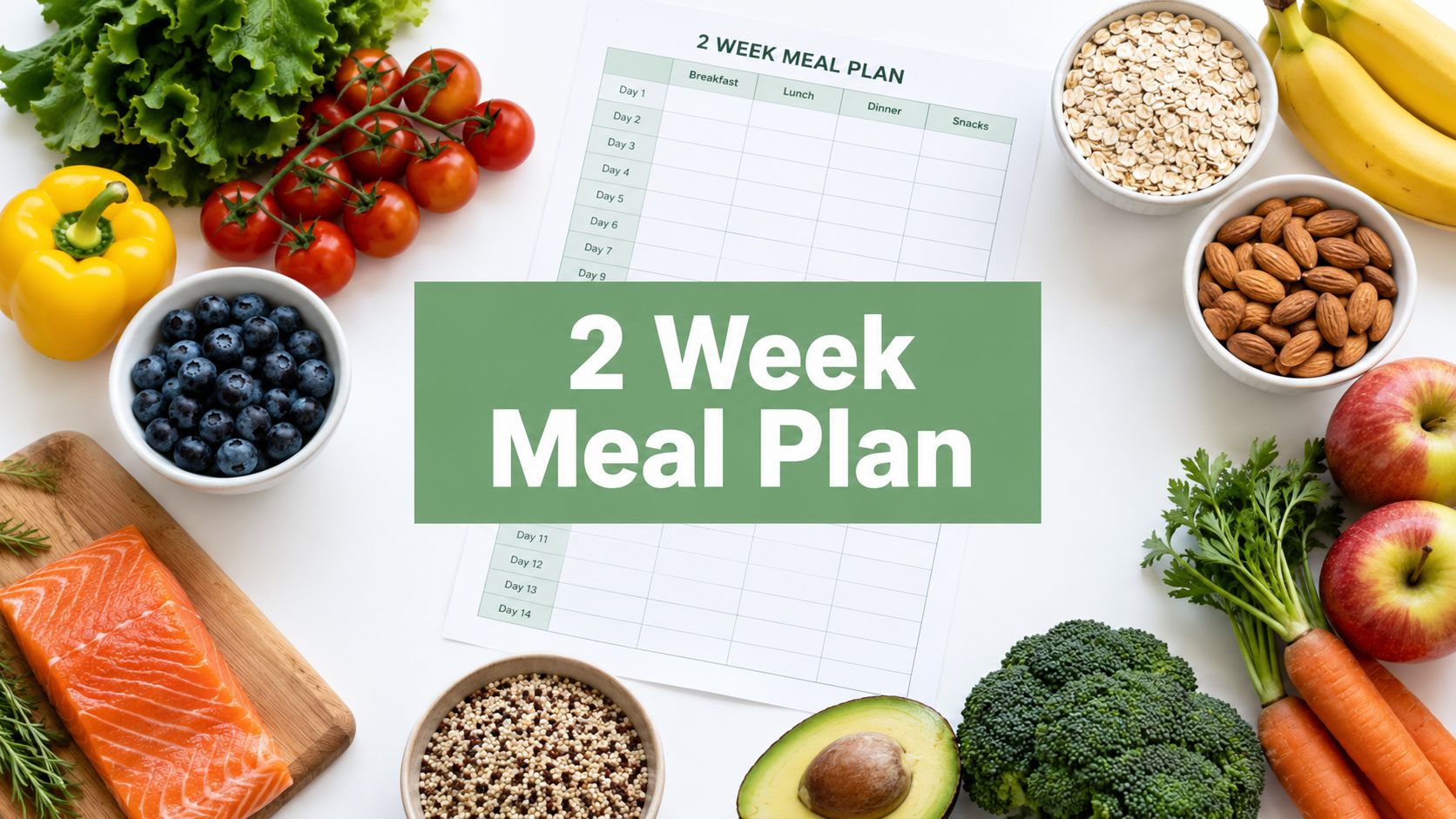
Start with a simple grid
Your weekly meal prep planner only needs two axes:
- Days of the week across the top
- Meal types down the side
At minimum, include breakfast, lunch, dinner, and snacks. If your mornings are chaotic and breakfast is always the same, keep that row repetitive. If dinners are where you struggle, give that row the most detail.
A functional template often includes a few extra columns or note fields:
- Recipe name
- Prep status such as cook fresh, batch cook, or assemble
- Portion or macro note
- Leftover note
- Substitution option
That last one matters more than people think. If a plan breaks every time an ingredient is unavailable or a meeting runs late, it isn’t reusable.
Choose the format you’ll actually use
There isn’t one correct format. There is only the format you’ll still open next week.
Here’s the trade-off:
| Format | Works well for | Main downside |
|---|---|---|
| Paper planner | Fast brainstorming, visible on the counter | Harder to duplicate and edit |
| Whiteboard | Family visibility, quick weekly changes | Poor for grocery history and archives |
| Spreadsheet | Flexible, searchable, easy to copy weekly | Can become too detailed |
| App | Easy swaps, portable, can integrate lists | Quality depends on the tool |
For a lot of people, a digital template wins because it’s easier to repeat without rebuilding from scratch. If you want a done-for-you structure, a weekly meal plan template can replace the blank-page problem entirely.
The strongest planner is the one that reduces decisions at the point of use.
Build around your real week, not an idealized one
Many planners fall short. They assume every day has equal time, equal energy, and equal motivation.
It doesn’t.
Look at the week in terms of friction. Which night runs late? Which morning always feels rushed? Which day has enough breathing room for cooking something slightly more involved? Your planner should reflect those differences.
Use this framework:
- Anchor your highest-friction meals first: Usually that’s weeknight dinners and workday lunches.
- Assign easy wins next: Repeat breakfasts, snack packs, or simple bowls.
- Leave one flex slot: One meal each week should be open for leftovers, dining out, or a quick backup meal.
- Add substitution notes: If Tuesday’s dinner fails, what replaces it without disrupting the whole week?
Include notes that solve common breakdowns
The template becomes much more useful when it captures the reasons plans usually fall apart. Add short prompts directly into it.
Examples:
- Time available: 10 minutes, 20 minutes, or full cook
- Energy level: low effort, moderate, higher effort
- Uses leftovers from: roast chicken, cooked rice, chopped veg
- Needs thawing or marinating: yes or no
- Portable: yes or no
These cues stop the planner from being a static calendar and turn it into an operating system. That’s what makes it reusable.
Keep the template stable and rotate the content
The structure should stay mostly the same from week to week. What changes are the meal entries, a few substitutions, and any scheduling notes. That stability makes planning faster over time because you’re editing a system instead of recreating one.
If your current planner asks you to reinvent breakfast, lunch, dinner, snacks, shopping, and leftovers from zero every Sunday, it’s costing too much mental energy. A reusable template cuts that load before the week even starts.
What Meals Should You Choose for Your Plan?
Tuesday, 6:15 p.m. hits. You open the fridge, see ingredients with no clear job, and end up ordering food or throwing together a meal that does not match your goals. Meal choice decides whether a weekly meal prep planner saves time or creates another layer of work.
The fix is straightforward. Choose meals for repeatability first, then add variety where it is beneficial. In coaching, this is one of the clearest differences between a plan that lasts a month and one that dies by Thursday.

Build a small meal rotation you can run under pressure
A useful plan does not need endless novelty. It needs a short list of meals you can cook when time is tight, energy is low, or the week changes.
Generally, that means keeping a core rotation of reliable recipes and favoring meals that land in the 20 to 30 minute range. Beyond that, adherence drops because the plan asks too much on ordinary weekdays. I usually have clients start with a handful of meals they already know, then improve those meals before adding new ones.
A strong recipe library has four traits:
- Fast to execute: Few steps, limited cookware, no complicated sequencing
- Easy to portion: Bowls, soups, sheet-pan meals, wraps, skillets, and casseroles hold up well
- Flexible: Chicken can become tofu, rice can become potatoes, broccoli can become green beans
- Good on day two: Leftovers need to stay appealing enough to eat without resistance
If a meal tastes great fresh but turns rubbery, soggy, or bland the next day, it is a weak prep choice.
Use variety with intent
Many planners fail because every meal tries to be interesting. Interesting costs time. It also increases ingredient sprawl, leftover waste, and decision fatigue.
A better weekly pattern is simple:
- Repeat breakfast or lunch if it works
- Introduce one new dinner, not three
- Reuse one or two major ingredients across multiple meals
- Keep one backup meal that can be made fast from staples
That backup meal is part of the system, not a sign of failure. Eggs and toast, a freezer soup, tuna rice bowls, quesadillas, or a quick pasta with protein all work. The goal is to protect consistency when the original plan no longer fits the day.
Choose by function
Instead of browsing recipes based on mood, assign each meal a job. That keeps the week balanced and makes planning faster.
| Meal category | Good use in a planner | Example direction |
|---|---|---|
| Batch protein meal | Lunches or repeat dinners | Chicken bowl, lentil chili, turkey meatballs |
| Fast skillet or sheet-pan meal | High-friction weeknights | Salmon with veg, tofu stir-fry |
| Cold or portable option | Office lunch or travel day | Salad jar, wrap, grain bowl |
| Comfort meal with leftovers | Midweek stability | Curry, soup, baked pasta-style dish |
| Snack anchor | Prevent reactive eating | Yogurt, boiled eggs, fruit and nuts |
This structure also scales well across dietary needs. A lower-carb plan can center eggs, fish, chicken, Greek yogurt, and cooked vegetables. A vegan plan can rotate tofu, beans, lentils, edamame, grains, and roasted vegetables. For blood sugar management, the bigger win is often consistency in meal structure and portions across the week, not dramatic shifts between very light and very heavy meals.
This short walkthrough can help if you want a visual example of practical meal prep flow:
Match meals to real energy, not ideal energy
A meal can be healthy and still be the wrong choice for your planner.
Weeknight meals need to respect how people feel by the evening. In practice, the best picks usually have minimal day-of prep, one main cooking method, a short ingredient list, forgiving timing, and a clear path for leftovers.
Static planning often falters. A paper template can tell you what to eat, but it cannot adjust when Thursday becomes a late meeting, a sick kid, or a low-energy night. A stronger system starts manual, with these basic rules, then adds tools that reduce the failure points. If you want help selecting meals that fit your schedule, preferences, and leftovers with less manual sorting, AI meal planning tools for personalized weekly prep can shorten the decision process without removing your control.
Good meal selection is less about creativity and more about fit. Pick meals you can execute consistently, repeat the ones that work, and let the system get smarter as your week gets more complex.
How Can You Automate Grocery and Leftover Planning?
Sunday goes fine until the list starts. You have five meals on paper, three overlapping ingredients, one half-used container in the fridge, and no clear plan for what gets eaten first. That is where weekly meal prep breaks down for busy households and working professionals. The plan exists, but the operating system does not.

The typical manual system
A traditional process looks like this:
- Pick meals for the week.
- Write every ingredient from each recipe.
- Combine duplicates.
- Check the pantry and fridge.
- Sort the final list by store section.
- Try to remember which leftovers can become another meal.
That process can work. I still teach it first because it shows people how the system fits together. But it breaks easily. One recipe swap changes quantities, one missing staple creates an extra store trip, and one vague leftover plan turns into wasted food by Wednesday.
Static planners struggle here because grocery flow and leftover flow are connected. If those two pieces are handled separately, the week gets harder than it needs to be.
Why automation solves the main friction points
Automation helps because it removes repeat admin, not because it replaces judgment.
The strongest systems start with manual planning principles, then automate the parts that create drag every week: list building, ingredient overlap, portion adjustments, and leftover routing. That is the scalable model. You learn the logic once, then let software handle the repetition.
This matters even more when the plan has to adjust to real constraints. Gluten-free lunches, higher-protein dinners, kid-friendly swaps, lower-cost ingredients, and changing calorie targets all create more editing work in a spreadsheet. A tool-based workflow updates those variables faster and with fewer errors.
What good automation should do
Useful automation should reduce decisions at the grocery stage and make leftovers visible before the week begins.
Look for tools that can:
- Generate aisle-sorted grocery lists: shopping goes faster and list cleanup takes less time.
- Track ingredient reuse across meals: one rotisserie chicken, tray of roasted vegetables, or cooked grain should support multiple meals.
- Update the list after swaps: if tacos replace stir-fry, the grocery list should change with it.
- Build leftover paths into the week: extra salmon on Monday becomes grain bowls on Tuesday, not a forgotten container on Friday.
- Reflect dietary needs and targets: restrictions, preferences, and macros should carry through the whole plan.
One practical example is AI Meal Planner tools for personalized grocery lists and leftover-aware weekly prep. Used well, that kind of system becomes the next step after a manual template. You keep control over meal choices, while the software handles the repetitive coordination that causes many plans to fail.
Grocery planning should come out of the meal plan automatically, not become a second planning session.
Build leftovers into the plan before you shop
Leftovers need a job.
I tell clients to assign each main cooked item one of three roles before they buy anything: first meal, second meal, or freezer backup. If a batch of chili only has one role, it is usually too much food. If roast chicken has two roles, such as dinner and next-day wraps, the plan gets more efficient without feeling repetitive.
This is also where containers matter. Clear labeling, stackable sizes, and easy cleanup increase follow-through more than people expect. If you need a practical reference, these dishwasher safe meal prep containers show the kind of storage setup that makes leftover planning easier to maintain.
Keep one manual backup method
Even with good software, keep a simple fallback system. Technology should reduce workload, not create dependence.
Use a short grocery framework when you need to adjust quickly:
- Produce: vegetables, fruit, herbs
- Proteins: meat, fish, eggs, tofu, yogurt, legumes
- Carbs and grains: rice, oats, potatoes, wraps, pasta
- Fats and extras: oils, nuts, seeds, sauces
- Leftover bridge items: salad greens, broth, tortillas, frozen vegetables
That backup protects the week when a recipe changes, a delivery is unavailable, or your schedule gets compressed. Strong meal prep systems scale because they can run manually and improve with automation. That is the standard to aim for.
What Is the Smartest Way to Batch Cook and Store Meals?
Planning only helps if the food is easy to execute once the week starts. That doesn’t always mean fully cooking every meal in advance. In many cases, the smartest approach is a mix of batch cooking and partial prep.
That distinction matters. Full prep works well for some lunches and grab-and-go meals. Partial prep often works better for dinners because it protects texture, variety, and appetite. Washed greens, chopped vegetables, cooked grains, marinated proteins, and prepared sauces can make weeknight cooking feel light without forcing you to eat five identical containers in a row.
Use a kitchen workflow instead of random cooking
A productive batch session follows sequence, not mood.
A simple order looks like this:
- Start long-cooking items first: grains, roasted vegetables, proteins, soups.
- Prep raw ingredients while those cook: wash produce, chop vegetables, mix dressings, portion snacks.
- Assemble only what benefits from assembly: lunch bowls, overnight oats, snack boxes.
- Leave delicate items for later: herbs, crunchy toppings, avocado, and anything that degrades quickly.
This keeps the kitchen moving and reduces idle time. It also gives you more options during the week because not everything has been locked into one final form.
Store for freshness, not just convenience
Container choice changes compliance more than people realize. If opening the fridge feels chaotic, people stop using what they made.
Use containers that stack cleanly, seal well, and survive normal cleanup. If you’re replacing old mismatched storage, this guide to dishwasher safe meal prep containers is a practical place to compare what works for repeated use.
For budget-focused planning, it also helps to choose meals that freeze or repurpose well. A budget-friendly weekly meal plan approach works better when your storage system supports leftovers instead of burying them.
Labeling leftovers is less about neatness and more about making tomorrow’s decision easy.
A few storage habits make a real difference:
- Cool before sealing: Don’t trap excess heat and condensation unnecessarily.
- Portion intentionally: Split meals based on how you’ll eat them.
- Label plainly: Meal name plus date is enough.
- Keep high-use items visible: Lunches and prepped staples should be at eye level.
Treat meal prep as health protection, not only convenience
Home cooking is tied to better dietary outcomes. Frequent home cooks consume fewer calories, have lower risk of type 2 diabetes, and show 15 to 20% improvement in glycemic control, while ultraprocessed foods in Western diets are linked to increased disease risk by 20 to 30%, according to PMC.
That’s why meal prep shouldn’t be framed only as productivity. It’s also a health-management practice.
The most sustainable planners use cooking and storage to protect future choices. When protein is cooked, produce is ready, and a few meals are visible and portioned, healthy eating becomes the default option instead of the difficult one.
Aim for a system you can repeat under stress
The smartest meal prep habit doesn’t require a perfect Sunday. It gives you enough prepared food and enough flexibility to absorb a hard week.
That usually means:
- Two or three prepped proteins
- One or two cooked carb bases
- Prepared vegetables
- A few portable snacks
- At least one freezer backup
That structure is what turns a weekly meal prep planner from a nice idea into something protective. You’re not just organizing food. You’re reducing friction, supporting health, and giving your future self fewer chances to fall back on whatever is fastest.
Frequently Asked Questions About Weekly Meal Prep
How many meals should I prep for the week?
Prep the meals that create the most friction first, usually lunches and weeknight dinners. A partial system often proves more effective than attempting to prep every single thing one plans to eat.
How much variety should a weekly meal prep planner include?
Keep a small rotation of reliable meals and change only a little each week. Too much novelty creates extra shopping, extra prep, and lower follow-through.
What if I get bored eating the same thing?
Use the same base ingredients in different forms instead of making completely different meals. Cooked chicken can become a bowl, a wrap, or a salad, which keeps the plan familiar without feeling repetitive.
Should I fully cook meals or just prep ingredients?
Do both based on the meal. Fully cooked lunches often work well, while dinners are usually better with partial prep so they taste fresher and require less reheating.
How do I stay on track when my schedule changes?
Build one flex meal and one backup meal into the planner every week. That keeps one missed dinner or late meeting from collapsing the rest of the plan.
Is meal prep still worth it if I live alone?
Yes. A solo planner can be even more efficient because ingredient overlap and leftovers are easier to manage when only one person’s schedule is involved.
What’s the biggest mistake people make with meal prep?
They build a plan for their ideal week instead of their actual one. The planner has to match your time, energy, cooking skill, and food preferences or it won’t hold.
If you want a faster way to build a personalized weekly meal prep planner, AI Meal Planner can generate meal plans, grocery lists, and flexible swaps based on your goals, preferences, and dietary restrictions so you spend less time planning and more time following the plan.
AI-powered nutrition
Get Your Personalized Meal Plan
AI creates the perfect meals for your goals, lifestyle, and taste.
Start Your Journej