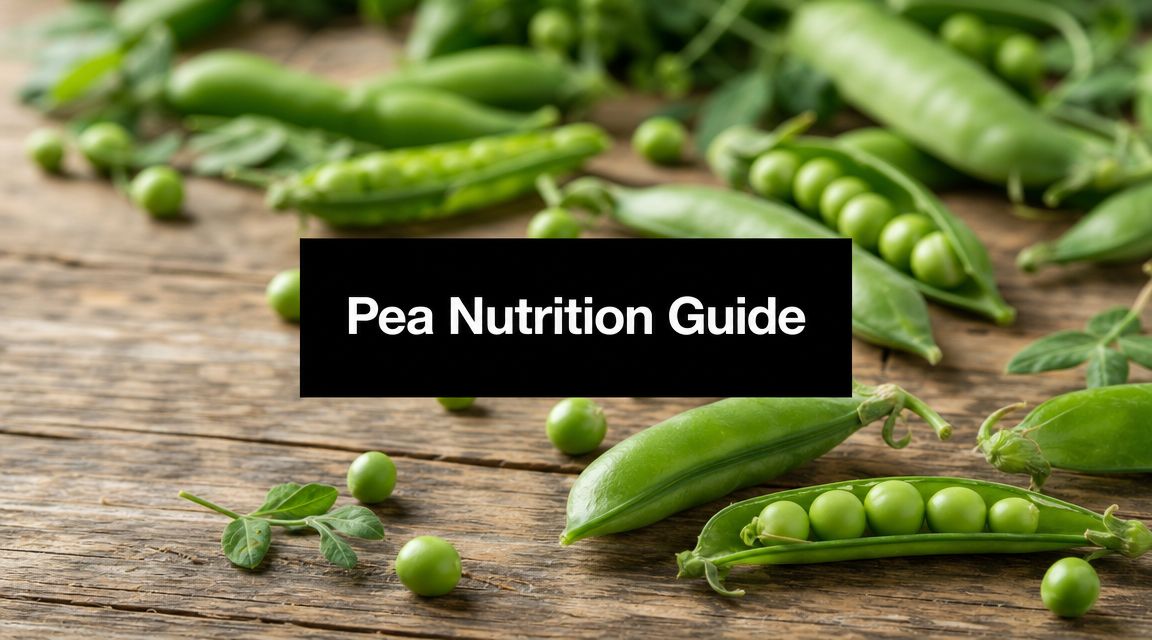
It is 12:30, meetings are stacked, and lunch needs to happen fast. Sugar snap peas fit that kind of day better than many vegetables because they need almost no prep, travel well, and still bring real nutritional value to the plate.
Yes, they are a healthy choice. Sugar snap peas give you a rare combination that works in real life: low calorie impact, satisfying crunch, and useful nutrients in a form you can eat raw straight from the container. That matters more than nutrition on paper if the goal is to eat well during a busy workweek.
Their biggest advantage is efficiency. They add volume and texture to meals without weighing them down, which makes them useful for people trying to stay full, keep portions reasonable, or replace more processed snack foods with something fresher. In coaching, that is often the difference between a good intention and a habit that sticks.
They also pull more than one job. Sugar snap peas can act as a snack, a lunch-box vegetable, or a quick side for a weeknight dinner. Few vegetables are this easy to keep in rotation without extra chopping, cooking, or cleanup.
If you want simple ways to compare produce and build faster meals, this food database for meal planning can help you spot ingredients that offer the same mix of convenience and nutrient density.
For busy professionals, that is the main selling point. Sugar snap peas are healthy; critically, they are practical enough to use often. Consistency usually matters more than finding a perfect superfood.
What Is the Nutritional Value of Sugar Snap Peas?
A long workday usually leaves room for one of two food choices. Something quick and processed, or something fast that still helps you eat like an adult. Sugar snap peas belong in the second group.
Their nutritional value comes from a combination busy people find useful. They are low in calories, provide fiber, deliver vitamin C, and add crunch and volume without much effort. That mix makes them a strong staple for anyone trying to keep meals lighter without ending up hungry an hour later.
What makes them nutritionally useful
Sugar snap peas are a high-efficiency vegetable. A typical raw serving is light in calories and fat, contains a modest amount of carbohydrate, and contributes some fiber. They also provide potassium and smaller amounts of minerals such as iron and magnesium, with vitamin C standing out as the main micronutrient advantage.
That matters in practice. Foods that are easy to portion and easy to eat tend to make it into the weekly routine more often, and repetition is what improves diet quality.
Practical rule: Keep at least one raw, ready-to-eat vegetable in the fridge every week. Convenience drives follow-through.
Why they work so well for busy schedules
Sugar snap peas ask for very little. Rinse them, trim the ends if needed, and they are ready for a desk lunch, a snack between meetings, or a quick side at dinner.
They also solve a common meal-planning problem. Many vegetables are nutritious but come with chopping, cooking, or cleanup. Sugar snap peas give you a lot of the benefit with almost none of that friction, which is why I often recommend them to clients who want better food habits without adding another task to the day.
If you want to compare similar produce options quickly, a searchable food nutrition database for meal planning can help you see where sugar snap peas fit in a practical weekly rotation.
A Detailed Breakdown of Sugar Snap Pea Nutrition Facts
You need vegetables that can survive a busy week, fit into a lunch box, and still add real nutrition. Sugar snap peas do that job well because their nutrition profile is useful without asking for much prep, planning, or cleanup.
The exact numbers shift a little by brand, growing conditions, and serving size. The pattern stays consistent. Sugar snap peas are low in calories and fat, provide a modest amount of carbohydrate, add some fiber, and stand out more for micronutrients than for macros.
Sugar snap pea nutrition profile per 100 g raw
| Nutrient | Amount | % Daily Value (DV) |
|---|---|---|
| Calories | 25 to 35 | N/A |
| Carbohydrates | 5 to 6 g | N/A |
| Fiber | About 2 g | N/A |
| Fat | 0 g | N/A |
| Vitamin C | 38 mg | About 42% DV |
| Potassium | 126 mg | N/A |
These values reflect typical raw serving data for sugar snap peas, as noted earlier in the article.
What those numbers mean in practice
Low calories make them easy to use often. A food does not need to be dramatic on the nutrition label to be useful. Sugar snap peas work because they add crunch, volume, and freshness to a meal or snack without changing the calorie total much.
The carbohydrate load is modest. For clients who want better blood sugar control or more predictable meal planning, that matters. Sugar snap peas are not a low-carb protein food, but they usually fit well beside lean protein, dips, grain bowls, or wraps.
Fiber helps, even in a small amount. Around 100 g will not solve a low-fiber diet by itself, but it does beat the usual convenience snacks that offer crunch with very little staying power.
That trade-off is worth understanding. Sugar snap peas are not a high-protein food and they are not especially filling on their own. They work best as a support ingredient. Pair them with hummus, Greek yogurt dip, tofu, chicken, or edamame and the meal gets much more balanced.
The bigger micronutrient picture
Their bigger advantage is nutrient density relative to effort. You get a fresh, easy-to-eat vegetable with a strong vitamin C contribution and useful supporting nutrients, without needing to cook anything first. For busy professionals, that is what makes them a hero ingredient. They lower the barrier to eating well.
If you track meals or build quick lunch combinations, a recipe nutrition calculator for meal planning helps you see how sugar snap peas affect the full plate, not just the vegetable drawer.
A good vegetable is not just healthy. It should fit the way you eat on workdays.
Sugar snap peas fit that standard well. They are easy to portion, easy to repeat through the week, and easy to combine with higher-protein foods. That combination makes them more useful than many vegetables that look good nutritionally but create too much friction to eat consistently.
What Health Benefits Do Sugar Snap Peas Offer?
A busy workday creates a predictable nutrition problem. Lunch gets pushed late, snacks turn into whatever is easiest, and vegetables are often the first thing to drop off the plate. Sugar snap peas solve part of that problem because they give you a crisp, ready-to-eat vegetable with meaningful micronutrients and very little effort.
Their strongest benefits are practical ones. They help cover common nutrient gaps, add fiber to meals that need more staying power, and increase food volume without adding many calories. For busy professionals trying to eat well on repeat, that combination matters more than a long list of theoretical benefits.

Where the benefits show up in real meals
Vitamin C support stands out first. Sugar snap peas can make it easier to keep fresh produce in the day, especially if breakfast and lunch tend to rely on packaged convenience foods.
Vitamin K support adds another advantage. That matters for people who want their vegetables to contribute more than crunch.
Folate helps round out the picture. It is one of those nutrients that operates in the background, but it is still useful to get from everyday foods instead of relying only on occasional “healthy” meals.
Fiber is the benefit people notice fastest. It supports regular digestion and helps a snack or lunch feel more substantial, especially when sugar snap peas replace chips or crackers.
Why they fit weight-conscious eating
Sugar snap peas work well in calorie-aware meal patterns because they add chewing time, crunch, and plate volume without making the meal heavy. That is a useful trade-off. You get something that feels fresh and substantial, but you still need to pair it with protein or healthy fat if you want better staying power.
This is why I use them often in quick meal builds. Add them to a turkey wrap, a grain bowl, or a desk lunch with hummus, and the meal improves fast without adding prep friction.
For digestion-focused eating, consistency matters more than perfection. Building in easy, fibrous foods a few times a week usually works better than overhauling the whole diet at once. A gut health meal plan built around repeatable, high-fiber meals can make that easier to maintain.
Sugar snap peas earn their place by being easy to eat often. That is what turns a good vegetable into a useful one.
How Do Sugar Snap Peas Compare to Other Peas?
Confusion at the store usually comes down to three look-alikes: sugar snap peas, snow peas, and garden peas. They're related, but they don't behave the same in meals.
Sugar snap peas were created in the 1970s as a cross between snow peas and garden peas, according to Healthline's comparison of snow peas and sugar snap peas. That hybrid origin explains a lot. They combine an edible pod with a sweeter flavor and a rounded, crisp texture.

Quick side-by-side comparison
| Type | Appearance | Texture | Taste | Best use | Pod edible |
|---|---|---|---|---|---|
| Sugar snap peas | Rounded, plump pod | Crisp and juicy | Sweet and crunchy | Snacks, salads, stir-fries | Yes |
| Snow peas | Flat, wide pod | Tender and firm | Mild and subtly sweet | Stir-fries, sautéing | Yes |
| Garden peas | Rounded, thick-walled pod | Soft and mealy | Sweet and starchy | Side dishes, purees | No |
Which one is easiest for busy cooking
Choose sugar snap peas if you want something you can snack on raw or cook briefly without losing their appeal.
Choose snow peas if you want a flatter pod that works especially well in stir-fries and sautéed dishes.
Choose garden peas if you want shelled peas for soups, mashes, or classic side dishes.
There's also a nutrition note worth knowing. Sugar snap peas and snow peas are reported to be very similar nutritionally, with a 100 g serving of either providing around 42 calories, 2.6 g fiber, and 100% of the Daily Value for vitamin C in the referenced comparison. For most shoppers, though, the better deciding factor is use case. If you want raw crunch and minimal prep, sugar snap peas are usually the more convenient pick.
How Should You Store and Prepare Sugar Snap Peas?
The best sugar snap peas are the ones you'll eat before they go limp in the produce drawer. That starts at the store.
Look for pods that are bright green, firm, and crisp-looking. Skip any that appear yellowed, soft, or visibly wet. Fresh pods should feel lively, not tired.
What helps them stay crisp
Store them in the refrigerator in a bag or container that doesn't trap too much moisture. Too much sealing can speed up deterioration, while too much exposure dries them out.
Before eating, rinse and trim the ends. Some pods need de-stringing, especially if the seam feels tough. Many are tender enough that this step is minimal, but checking once saves you an unpleasant bite later.
If a vegetable is going to be used for snacks, prep it on day one. Washed and ready beats “healthy but inconvenient” every time.
Is raw or cooked better
There's a real trade-off here. According to the University of Minnesota Extension page on sugar snap peas, raw sugar snap peas offer the highest concentration of vitamin C, while cooking can make them easier to fit into larger meals and may increase fiber bioavailability. That same reference notes one cup of cooked snap peas contains about 9 g of fiber, which frames the raw-versus-cooked choice as a practical nutrition trade-off rather than a winner-take-all decision.
For flavor, simple seasoning goes a long way. If you need ideas that transform bland vegetables into brilliant meals, a seasoning guide can help you move beyond plain steamed vegetables without overcomplicating dinner.
For everyday use, raw works well in snack boxes and salads. Light cooking works well in stir-fries, grain bowls, and quick sides. A collection of easy weeknight recipes can help you slot them into meals you already make.
How Can You Add Sugar Snap Peas to Your Meals?
The easiest way to eat more sugar snap peas is to stop treating them like a specialty ingredient. They're a fast add-on. Think of them the same way you'd think of baby carrots or sliced cucumbers, except with a sweeter bite and more flexibility.

A typical workday use case looks simple. Add a handful to lunch for crunch, keep some ready for an afternoon snack, or toss them into dinner near the end so they stay crisp.
Fast ways to use them without much prep
- Snack plate: Pair raw sugar snap peas with hummus, yogurt dip, or a simple protein source.
- Desk-friendly lunch: Add them to a container meal with chicken, tofu, rice, or noodles.
- Salad upgrade: Use them instead of croutons when you want crunch without processed extras.
- Last-minute stir-fry addition: Drop them in near the end so they stay bright and crisp.
- Simple steamed side: Steam briefly and season while warm.
Some people prefer steamed vegetables because the texture is easier to eat consistently. If that's you, it can help to compare top food steamer models before buying one, especially if you're trying to make vegetables more automatic in your routine.
A quick visual can help if you want a simple prep idea for the week:
Making them part of a repeatable routine
A key advantage of sugar snap peas is that they reduce friction. They don't need much cooking knowledge. They don't need a complicated sauce. They can be used across snacks, lunches, and dinners in the same week.
If you want meals built around ingredients like this, AI Meal Planner onboarding lets you set goals and preferences so your weekly plan can include foods you'll realistically eat.
Frequently Asked Questions About Sugar Snap Peas
Can you eat the whole sugar snap pea pod?
Yes. The pod is edible, which is one reason sugar snap peas are so convenient for snacks and quick meals.
Are sugar snap peas good for weight loss?
They can fit well into weight-loss meal patterns because they're low in calories and provide fiber and volume. They're especially useful when you need a crunchy snack that doesn't feel heavy.
Are sugar snap peas low carb?
They contain carbohydrates, but the amount is modest compared with many snack foods and starchy sides. For many people, they fit well in balanced lower-carb eating.
Do sugar snap peas need to be de-stringed?
Sometimes. Tender pods may need very little trimming, but older or tougher pods often taste better if you remove the string along the seam.
How can you tell when sugar snap peas have gone bad?
Look for limp texture, yellowing, sliminess, or an off smell. Fresh sugar snap peas should look bright and feel crisp.
Are sugar snap peas better raw or cooked?
Raw is usually the better choice if you want to preserve more vitamin C. Cooked can be easier to include in larger meals and may offer a different fiber benefit.
What meals work best with sugar snap peas?
They work well in salads, stir-fries, snack boxes, grain bowls, and simple vegetable sides. Their biggest strength is how easily they fit into meals without extra planning.
If you want a simpler way to turn ingredients like sugar snap peas into workable weekly meals, AI Meal Planner can help you build personalized meal plans, grocery lists, and balanced recipes around your goals, preferences, and schedule.
AI-powered nutrition
Get Your Personalized Meal Plan
AI creates the perfect meals for your goals, lifestyle, and taste.
Start Your Journej