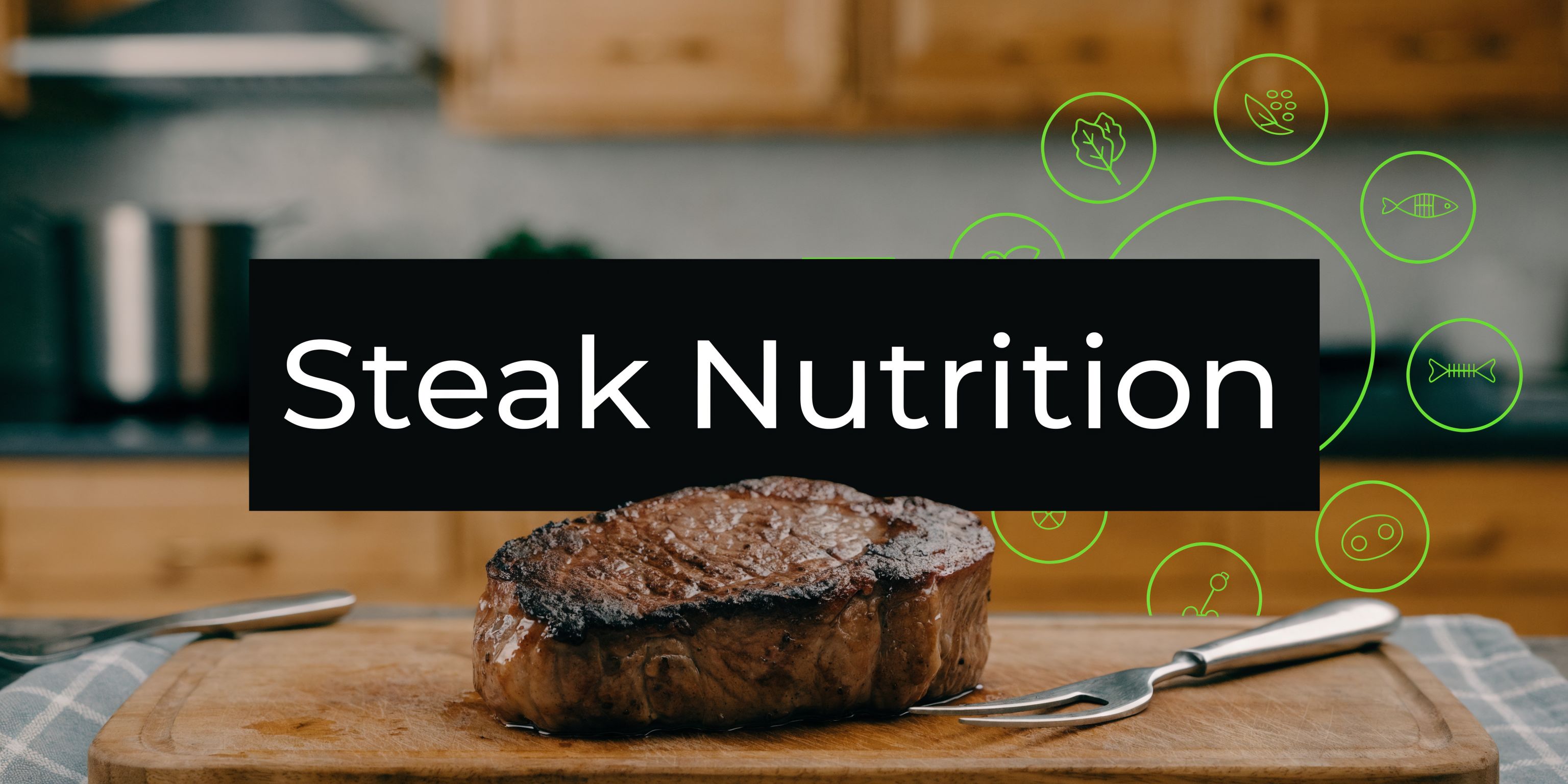
Sirloin steak is a high-protein, carb-free cut of beef that provides about 25 to 31 grams of protein per 100 grams, depending on leanness and preparation, with meaningful amounts of iron, selenium, zinc, and vitamin B12 (Eat Knowingly, FoodStruct, Recipal). It’s one of the more practical steak choices for weight loss, muscle gain, and low-carb eating because the protein is dense and the carbohydrate content is zero (Eat Knowingly).
If you’re staring at a package of top sirloin in the grocery store or trying to log a restaurant steak accurately, the confusing part isn’t whether sirloin is nutritious. It is. The primary challenge is that the numbers change with trimming, cooking method, and sourcing, and those details matter if you’re tracking macros or trying to eat with purpose.
Sirloin sits in a useful middle ground. It’s lean enough to fit into structured meal plans, but still rich enough to feel like a real dinner instead of “diet food.” That’s why it shows up so often in practical nutrition coaching.
What Is the Full Nutritional Profile of Sirloin Steak?
You buy two packs labeled top sirloin. One is visibly lean, the other has a thicker fat cap. Both look like “sirloin steak,” but they will not give you the same calories or fat on the plate. That is the mistake I see most often when people try to use steak for weight loss, muscle gain, or keto.

What do the core sirloin steak nutrition facts look like
The useful starting point is simple. Sirloin is a carb-free beef cut that gives a large amount of complete protein and meaningful amounts of iron, zinc, selenium, and vitamin B12. Protein commonly falls in the mid-20s to low-30s per 100 grams, depending on whether the cut is leaner, how much visible fat remains, and whether you are looking at a raw or cooked entry, as noted earlier.
| Nutrient | Per 100g (3.5 oz) | Per 6 oz (170g) Serving | Per 8 oz (227g) Serving |
|---|---|---|---|
| Protein | High, complete protein | Usually enough to anchor a full meal | Often enough for a high-protein meal on its own |
| Carbohydrates | 0g | 0g | 0g |
| Iron | Good source | More total iron than 100g | More total iron than 6 oz |
| Selenium | Good source | More total selenium than 100g | More total selenium than 6 oz |
| Vitamin B12 | Good source | More total B12 than 100g | More total B12 than 6 oz |
| Zinc | Meaningful amount | Increases with portion size | Increases with portion size |
| Amino acids | Includes connective-tissue and muscle-building amino acids | Increases with portion size | Increases with portion size |
Those numbers are only useful if you match them to the steak you eat.
A lean, closely trimmed sirloin is a different food from a sirloin cooked with exterior fat left on. Grass-fed and grain-fed versions can also differ modestly in fat profile and total fat, which matters if you are comparing labels closely. Most quick nutrition guides flatten those differences and treat “sirloin” as one fixed macro entry. In practice, it is a range.
Why these numbers matter at the plate level
For weight loss, sirloin works because it gives a lot of protein without bringing carbohydrates along for the ride, and it is usually leaner than richer cuts such as ribeye. That makes it easier to hit protein targets while keeping calories under control.
For muscle gain, sirloin is practical because the serving size scales well. A larger portion can cover a big chunk of a post-training protein target without forcing you to eat a large volume of food. If appetite is low after training, that matters.
For keto, the carb count is straightforward. Zero carbs from the steak itself. The trade-off is fat. Some people on keto want a leaner sirloin and add fat elsewhere with eggs, olive oil, or avocado. Others prefer to keep more of the steak’s visible fat and build the meal around that choice.
Which micronutrients give sirloin more value than a basic protein source
Sirloin does more than supply protein.
It also contributes heme iron, which is absorbed better than the non-heme iron in most plant foods. That matters for people with low iron intake, heavy training loads, or a history of borderline iron status. Vitamin B12 supports red blood cell production and neurological function. Zinc and selenium support immune function, thyroid health, and recovery.
This is why I often prefer sirloin over “protein-only” foods for clients who are technically hitting macros but still feel flat, hungry, or under-recovered. A meal can meet protein goals and still be weak on micronutrients. Sirloin often fixes both problems at once.
How to read sirloin nutrition facts without getting misled
Start with three checks on the package or in your tracking app.
- State of the food: raw and cooked entries are not interchangeable.
- Trimming: “lean only” and “lean plus fat” produce different calorie and fat totals.
- Portion reality: restaurant sirloin, butcher-cut sirloin, and prepacked supermarket sirloin can vary a lot in edible yield.
Then match the cut to the goal.
- For weight loss: choose a leaner or better-trimmed sirloin and build the plate with potatoes, beans, or vegetables for fullness.
- For muscle gain: buy enough to account for cooking shrinkage so the final cooked portion still hits your protein goal.
- For keto: decide on purpose whether you want sirloin’s moderate fat level or whether a fattier cut fits the day better.
If you want help translating those variables into actual portions and daily macros, use an AI nutritionist for meal planning and macro targets.
Sirloin’s full nutritional profile is best treated as a practical range, not a single label number. High protein, zero carbs, useful micronutrients, and variable fat. Once you account for trimming, cooking method, and sourcing, it becomes much easier to choose the right sirloin for the result you want.
How Does Cooking and Trimming Affect Sirloin's Nutrition?
The label doesn’t cook the steak. You do. That’s why raw numbers and cooked numbers often confuse people.
The main change during cooking is water loss. As sirloin cooks, moisture evaporates and the meat weighs less. That can make nutrients look more concentrated per gram after cooking, even when you didn’t add anything.
Why cooked portions can look “higher” in protein
A steak that starts heavier in the pan often ends lighter on the plate. If you log a cooked portion using raw data, your macro count can drift. If you log raw weight but eat a heavily reduced cooked steak, the same thing happens in reverse.
The practical fix is simple:
- Pick one system and stay consistent. Either weigh raw every time or weigh cooked every time.
- Match your food log to the state of the meat. Raw entry for raw weight, cooked entry for cooked weight.
- Don’t compare restaurant portions to grocery labels casually. Restaurant steaks may include different trimming and finishing methods.
Cooked sirloin is easier to overestimate if you only look at size on the plate. Water loss makes the steak smaller, not necessarily lower in protein per bite.
What trimming changes before and after cooking
Visible fat changes the final nutrition more than seasoning ever will. If you trim aggressively before cooking, you reduce how much external fat stays with the portion. If you cook first and trim later, some fat may render out, but some will still remain attached or pooled in the pan.
That means two steaks from the same package can log differently if one is served with the fat cap and one is trimmed close.
Here’s the practical hierarchy for tighter macro control:
- Choose a lean sirloin cut at purchase.
- Trim visible outer fat before cooking if your goal is calorie control.
- Avoid finishing with butter or heavy oil when you’re trying to keep the meal lean.
- Slice and serve only the edible lean portion if you’re logging precisely.
If your goal is flavor first, leaving some fat in place can help with juiciness. If your goal is body-composition accuracy, trimming wins.
Which cooking methods work best for lean sirloin
Sirloin is lean enough that cooking method matters. It’s less forgiving than a heavily marbled steak.
These methods usually work best:
- Broiling: Good for a clean cook with minimal added fat.
- Grilling: Lets some fat drip away and builds strong flavor.
- Pan-searing: Excellent crust, but the final nutrition depends on how much oil or butter you use.
For readers improving technique outdoors, this guide to cooking steak on a charcoal grill like a pro is useful because sirloin benefits from controlled heat and careful timing more than people expect.
What works and what doesn’t for accurate calorie counting
What works:
- Weighing the steak in the same state every time
- Logging added fats separately
- Trimming visibly and consistently
- Using similar doneness each week
What doesn’t:
- Guessing based on restaurant menu names
- Logging all sirloin as identical
- Ignoring pan oil, marinades, or finishing fats
- Using raw database entries for a cooked plated portion
If you meal prep often, a macro planning tool such as the one at AI Meal Planner tools can help standardize portion logging and recipe inputs. The value isn’t magic. It’s consistency.
How Does Sirloin Compare to Other Steak Cuts and Proteins?
You are standing at the meat case trying to pick a protein that fits the week, not just tonight’s dinner. That is where sirloin earns its place. It sits in the useful middle. Lean enough for calorie control, substantial enough to feel like steak, and usually priced low enough to use more than once a week.

How sirloin compares with fattier and leaner steak cuts
Sirloin is the cut I suggest when someone wants steak without letting one meal consume too much of the day’s fat budget. Ribeye usually brings more marbling and a richer mouthfeel, but that same marbling pushes calories up fast. Round cuts usually go the other direction. They are leaner, but they can eat dry and chewy unless cooking is precise.
Filet sits in a different category. It wins on tenderness, not usually on value or flavor intensity. For routine meal prep, sirloin is often the more practical buy because it gives you good protein density, decent tenderness, and fewer surprises when you log the meal.
A simple comparison looks like this:
| Protein choice | How it usually compares to sirloin |
|---|---|
| Ribeye | More marbling and richer flavor, but harder to fit into a lower-fat plan |
| Filet mignon | More tender, often more expensive, and not always better for batch cooking |
| Round cuts | Leaner, but usually less forgiving in texture and easier to overcook |
| Sirloin | Balanced for protein, flavor, cost, and repeat use in weekly meals |
That balance matters in real planning. A cut that tastes great once but blows up your calories or grocery budget is harder to repeat. Sirloin tends to hold up better across salads, rice bowls, tacos, and simple steak-and-potato meals.
How sirloin stacks up against chicken, salmon, and plant proteins
The better comparison is often not steak versus steak. It is sirloin versus the other proteins competing for space in your cart.
- Compared with chicken breast: chicken is usually leaner and simpler for aggressive cutting phases. Sirloin brings more red-meat nutrients, especially iron and B12, plus a different level of satisfaction for people who get diet fatigue on plain poultry.
- Compared with salmon: salmon is the better choice when omega-3 intake is the priority. Sirloin is usually the better fit when you want high protein with minimal carbohydrate and a firmer, more filling texture.
- Compared with beans or tofu: plant proteins can fit a healthy diet well, but the protein quality and iron absorption profile are different. Sirloin gives you complete protein in a compact serving, which makes portioning easier for athletes and for anyone trying to hit protein targets without a large food volume.
Iron is one place where beef has a clear practical edge. Sirloin provides heme iron, the form your body generally absorbs more efficiently than the non-heme iron found in most plant foods. That matters for menstruating women, endurance athletes, and people whose lab work or symptoms suggest iron intake on paper is not translating well in practice.
When sirloin is the better pick
Sirloin makes the most sense when the goal is consistency.
Choose it when you want:
- A complete protein source that is easy to portion
- Red meat with useful amounts of iron and B12
- A steak that usually fits macro tracking better than heavily marbled cuts
- A protein that can support weight loss, muscle gain, or lower-carb eating with only small changes to the rest of the plate
Choose something else when the target is more specific. Ribeye works better for maximum richness. Salmon works better when seafood fats are the priority. Chicken breast or very lean round cuts work better when calories need to stay as low as possible.
For a realistic week of eating, sirloin keeps showing up because it solves several problems at once. It gives strong protein per serving, enough flavor to stay satisfying, and enough flexibility to fit a high-protein meal plan built around repeatable meals instead of one-off “cheat” style steak dinners.
What Is the Role of Sirloin Steak in Different Diets?
Dinner can look very different depending on the goal. One person needs a filling plate that keeps calories controlled. Another needs enough protein and total food to recover from training. Another needs to keep carbs low without living on eggs and cheese. Sirloin can work in all three cases, but only if the portion, trim, and cooking fat match the job.

How sirloin fits a weight-loss diet
Sirloin is useful in a calorie deficit because it gives high-quality protein in a portion that still feels like a real meal. That matters more than people think. Diets often fail because meals are too small, too bland, or too easy to overeat once added fats and sides pile up.
For fat loss, the practical move is simple. Buy a leaner sirloin, trim visible exterior fat if needed, and pair it with high-volume foods such as roasted broccoli, mushrooms, green beans, or a large salad. Keep the cooking method tight. Grilling, broiling, or pan-searing with a measured amount of oil usually works better than finishing the steak with butter and heavy cream sauces.
A sirloin dinner can support weight loss well. A steakhouse-style sirloin dinner often does not.
How sirloin supports muscle gain
For muscle gain, sirloin earns its place because the protein target is easy to hit and easy to repeat across the week. You get a complete animal protein source in a format that is straightforward to portion after cooking, which makes meal prep and macro tracking much easier than relying on mixed dishes.
I usually place sirloin in one of three spots:
Post-training meal with a starch Serve it with rice, potatoes, or pasta when training volume is high and glycogen replacement matters.
Higher-protein dinner This works well for lifters who eat lightly during the day and need to catch up at night without resorting to shakes alone.
Batch-cooked protein for bowls and wraps Cook several portions, slice thinly across the grain, and use them over the next few days in rice bowls, burritos, or sandwiches.
There is a trade-off here. Sirloin is leaner than ribeye, so it is often easier to fit into a muscle-gain diet without overshooting fat intake, but it also provides less passive calorie help. Hard gainers who struggle to eat enough may do better adding carbs, olive oil, avocado, or dairy sides instead of assuming the steak itself will provide enough energy.
Why sirloin works for keto and low-carb eating
Sirloin fits low-carb and ketogenic diets cleanly because the steak itself does not bring carbohydrate into the meal. The problem is usually everything added around it. Sweet marinades, bottled glazes, breaded sides, and sugary drinks can turn a low-carb dinner into a moderate-carb one fast.
A better approach is to build the plate on purpose:
- Use dry rubs or simple seasonings instead of sweet barbecue sauces
- Pair sirloin with non-starchy vegetables such as asparagus, zucchini, spinach, or cauliflower
- Add fat deliberately with olive oil, avocado, cheese, or herb butter, based on your daily macro target
- Choose the cut and trim level carefully because a very lean sirloin may leave some keto eaters underfed unless the rest of the meal supplies enough fat
For readers trying to hold a stricter carb target across the full week, a structured keto meal plan built around repeatable meals can make those decisions easier.
Which diet goal matches sirloin best
Sirloin is strongest as a flexible middle-ground protein. It is lean enough for weight loss, substantial enough for muscle-building meals, and naturally compatible with low-carb eating. The details change the outcome. Trim level affects calorie density. Cooking fat changes the macro profile. Sides determine whether the meal supports fat loss, recovery, or ketosis.
| Goal | Best use of sirloin |
|---|---|
| Weight loss | Leaner cut, trimmed if needed, vegetables, controlled added fat |
| Muscle gain | Solid portion, paired with starch, enough total calories from sides |
| Keto or low-carb | Low-carb sides, intentional added fat, no sugary sauces or marinades |
That is why sirloin keeps showing up in practical meal plans. One cut can serve very different goals without forcing a complete change in how you shop or cook.
Does Grass-Fed vs Grain-Fed Sirloin Change the Nutrition?
At the meat case, two sirloins can look nearly identical, but they are not doing the same job nutritionally. If the label only shows calories, protein, and total fat, you miss the main difference. The bigger shift is the type of fat, not the amount of protein.
USDA FoodData Central entries for grass-fed and conventional beef show broadly similar protein content, while grass-fed beef tends to be leaner and can provide a different fatty acid profile, including more omega-3 fats in some cuts and lower total fat in others (USDA FoodData Central). That matters more for buyers who care about food quality, fatty acid intake, or keeping calories tighter without changing portion size.
In practice, the trade-off is straightforward. Grass-fed sirloin often gives you a leaner steak with a slightly different micronutrient and fat profile, but grain-fed sirloin usually offers more consistent marbling, a milder flavor, and a lower price per pound. For muscle gain, that difference may barely matter if total daily protein and calories are already on target. For weight loss, the leaner profile can help. For keto, some people prefer grain-fed sirloin because the extra marbling makes it easier to hit fat targets without adding as much oil or butter.
A review in Nutrition Journal reported that grass-fed beef is consistently higher in omega-3 fatty acids and conjugated linoleic acid than grain-fed beef, although both remain nutrient-dense protein sources (Nutrition Journal review). I would treat that as a quality difference, not a reason to ignore the rest of the meal. Cooking method, trimming, sauce choice, and portion size still have a bigger effect on your final plate than the feeding system alone.
Use grass-fed sirloin if you want a leaner steak and you are willing to pay more for that sourcing choice. Use grain-fed if budget, taste, or availability matters more and you need a steak you will buy every week.
That is the practical answer.
If you are serving sirloin for a dinner where flavor is the priority, grain-fed often wins on tenderness and richness. If you are building a plate around a tighter calorie target, grass-fed can be easier to fit. If the meal includes wine, the art of pairing wine with steak depends more on the final fat level and preparation than on the feeding label by itself. A trimmed grass-fed sirloin and a well-marbled grain-fed sirloin will not drink the same.
How Can You Integrate Sirloin into a Healthy Meal Plan?
Nutrition data only matters if it survives a workweek. Sirloin is useful because it can move from weekend dinner to weekday meal prep without much friction.

Which sirloin meals are realistic on busy days
A few formats work repeatedly because they’re fast and don’t waste ingredients:
- Steak salad with greens, tomatoes, cucumber, and vinaigrette
- Sirloin and roasted vegetables on a sheet pan
- Thin-sliced steak bowls with rice or potatoes for training days
- Low-carb steak plate with asparagus, mushrooms, or zucchini
- Steak tacos or lettuce wraps using leftovers sliced thin
The key is to cook the steak for reuse, not just for one dinner. A single batch can become two or three different meals if you change the sides and seasoning profile.
How to shop and prep without wasting food
Use a simple workflow:
- Buy sirloin with a plan for at least two meals.
- Trim and portion before cooking if you’re tracking intake closely.
- Season plainly so leftovers fit multiple cuisines.
- Cook to a doneness that reheats well, usually avoiding overcooking.
- Slice only what you need immediately and keep the rest whole to protect texture.
A short visual guide can help if you want a cooking refresher before meal prep:
What a practical planning system should handle
A useful meal-planning setup should do three things well:
- Match portion size to your goal
- Build sides around the steak instead of repeating the same meal
- Turn leftover steak into lunches automatically
That’s where a planner can save time. AI Meal Planner creates personalized weekly meals and grocery lists based on goals, preferences, and dietary patterns, which is useful when you want sirloin to fit weight loss, muscle gain, or keto without rebuilding the week manually.
The practical takeaway is simple. Buy sirloin when you want a protein that can flex across several meal types, then cook it in a way that leaves you options, not just one plated dinner.
Frequently Asked Questions About Sirloin Steak Nutrition
Is sirloin steak considered red meat, and can it still fit a healthy diet?
Yes. Sirloin is red meat, but that label alone does not tell you whether it fits your plan. What matters in practice is portion size, how much visible fat is left on the cut, and what you build around it. A trimmed sirloin with vegetables and a starch portion you control is a very different meal from a large steak dinner with butter-heavy sides.
Is sirloin steak a good source of iron for anemia concerns?
Yes. Sirloin provides heme iron, the form your body absorbs more efficiently than the iron in most plant foods. That makes it a practical option for people trying to raise iron intake, especially if meals are planned with other iron-rich foods and vitamin C sources to support absorption.
Is sirloin steak good for muscle gain?
Yes. Sirloin gives you complete protein, including the essential amino acids needed for muscle protein synthesis. For lifters and active adults, it works well because it delivers high-quality protein without the higher fat load of some richer cuts, which makes it easier to fit into a calorie target during a gain phase or a cut.
Is sirloin steak keto-friendly?
Yes. Sirloin itself contains zero carbs, so it fits keto easily. The usual problem is not the steak. It is sugary marinades, breaded sides, and sauces that add carbohydrates fast.
What’s the best way to cook sirloin if I want it leaner?
Use a dry-heat method such as grilling, broiling, or pan-searing with minimal added fat. Trim visible external fat before cooking if you want tighter calorie control. If you are tracking closely for weight loss, weigh the portion after trimming and be consistent about whether you log it cooked or raw.
Does grass-fed sirloin taste different from grain-fed?
Often, yes. Grass-fed sirloin usually tastes a bit more mineral and can eat leaner, while grain-fed sirloin often has a milder flavor and slightly richer mouthfeel. That difference matters in the kitchen because leaner steaks benefit from careful temperature control and resting, while richer steaks can handle more aggressive heat.
What should I serve with sirloin if I’m also thinking about the whole meal experience?
Match the plate to the goal. For weight loss, use high-volume vegetables and a moderate starch. For muscle gain, pair sirloin with potatoes, rice, or beans to raise total energy and support training recovery. For keto, keep the sides low-carb and use fats intentionally instead of adding them automatically.
If the meal is also for a dinner occasion, the art of pairing wine with steak adds useful context beyond the nutrition side.
If you want a practical way to turn sirloin steak nutrition facts into actual weekly meals, AI Meal Planner can build personalized meal plans, portion-aware recipes, and grocery lists around your goals, whether that’s weight loss, muscle gain, keto, or a balanced diet.
AI-powered nutrition
Get Your Personalized Meal Plan
AI creates the perfect meals for your goals, lifestyle, and taste.
Start Your Journej