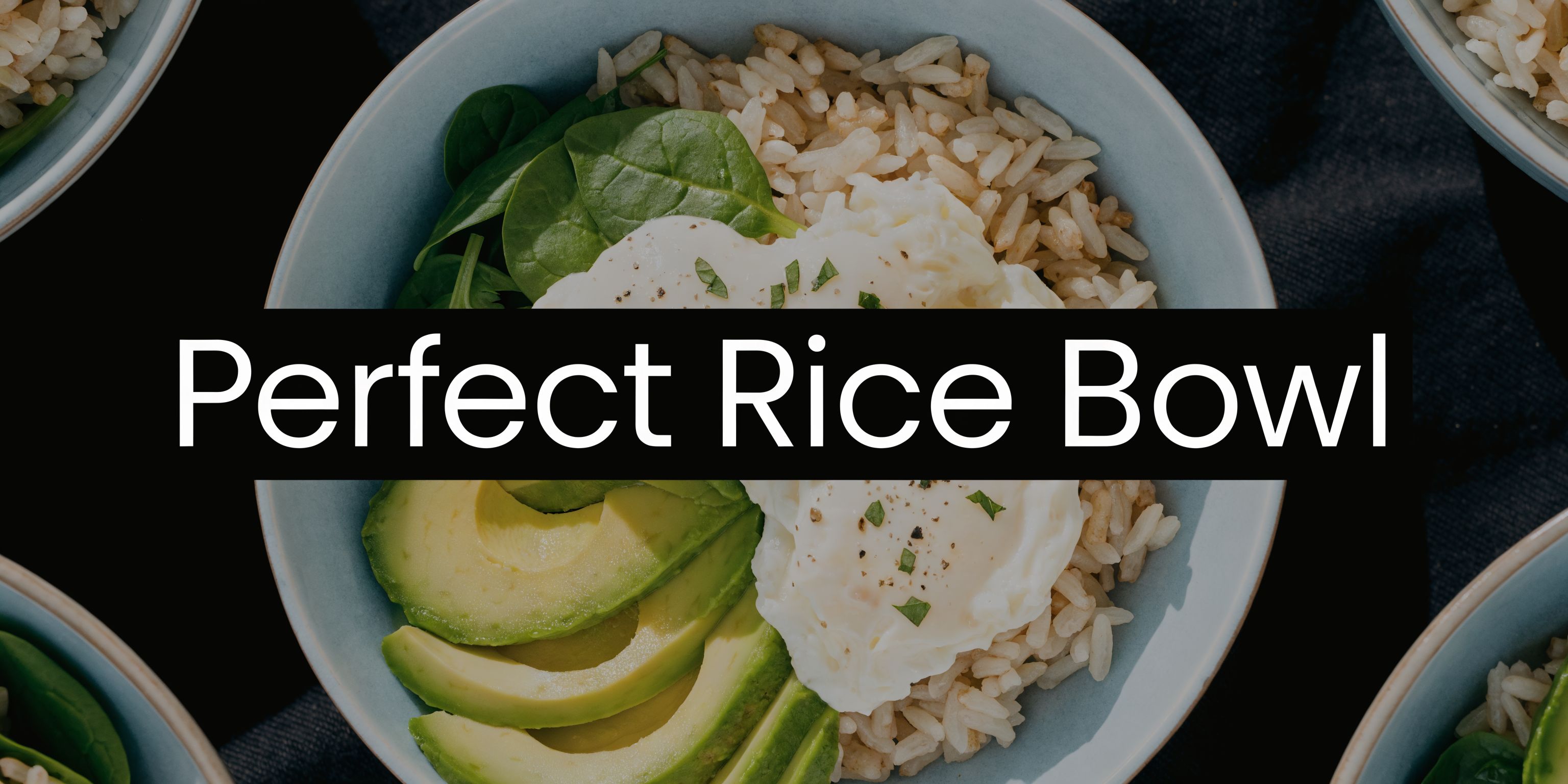
Monday at 7:15 a.m. is where a lot of nutrition plans break down. There is not enough time to cook from scratch, estimate portions, and still get out the door. A breakfast rice bowl works when it is set up as a repeatable system with fixed building blocks and a few planned variations.
The best approach is simple. Measure the base, set a protein target first, prep vegetables that reheat well, and keep sauces and crunchy toppings separate until serving. That gives you a breakfast you can assemble quickly, log accurately, and adjust across the week without rebuilding your plan every morning.
I use this format often with clients because it solves two real problems at once. It reduces decision fatigue, and it makes macro tracking much cleaner. A bowl is easier to repeat than a scramble with random add-ins or a grab-and-go breakfast that changes every day. Consistency is what lets you compare one week to the next and see whether calories, protein, or carb intake need to change.
The trade-off is that structure beats spontaneity. If every bowl is completely different, meal prep gets slower and tracking gets sloppy. If every bowl is identical, people get bored and stop making it. The sweet spot is a stable template with a few controlled swaps. One rice option, two protein choices, two or three vegetables, and different sauces across the week usually covers it.
That framework also makes it easier to match the bowl to the goal. Fat loss plans usually need tighter portions and a higher protein ratio. Muscle gain plans usually need more total carbs and calories. Lower-carb plans often work better with vegetable-based swaps instead of a full grain serving. If you want a faster way to set those targets, an AI nutritionist for personalized macro planning can help you set up the bowl as part of a full weekly intake, not just a single breakfast idea.
The goal is repeatable execution. Build the bowl so it is easy to prep, easy to portion, and easy to log. That is what turns breakfast rice bowls from a good recipe into a reliable nutrition system.
How to Select and Cook the Perfect Rice Base
Monday at 7 a.m. is not the time to guess whether your rice will reheat well or whether that scoop was half a cup or closer to one and a half. The rice base needs to be consistent before the bowl can be consistent.
Rice sets the texture, the staying power, and the accuracy of the bowl. A good base also makes weekly prep faster because you can cook once, portion once, and repeat the same macro entry across several breakfasts.

Which rice works best for different goals
I usually have clients choose one rice for the week, not three. That keeps shopping simple, prep predictable, and tracking cleaner.
| Rice base | Best use | What to expect |
|---|---|---|
| Brown rice | Batch prep, higher-fiber meals, lunches that need more staying power | Chewier texture, firmer grains, holds up well after refrigeration |
| Jasmine rice | Fast reheats, savory breakfast bowls, skillet-style bowls | Softer texture, more aroma, pairs well with eggs and soy-based flavors |
| Leftover cooked rice | Crisp breakfast bowls cooked in a pan | Drier grains that separate more easily than fresh rice |
| Cauliflower rice | Lower-carb plans or lighter-volume bowls | Less chew, less starch, works better with richer proteins and sauces |
Brown rice usually works better for clients who want a more filling bowl and do not mind a firmer bite. Jasmine rice works better for clients who care more about texture and speed, especially if they plan to reheat or pan-fry it with eggs.
Cauliflower rice has a place, but there is a trade-off. It cuts carbs quickly, yet it does not give the same texture or staying power as grain rice. For many people, a smaller portion of real rice is easier to sustain than forcing a full swap every day.
If you want your rice choice to match a calorie or macro target instead of guesswork, a personalized AI nutritionist for macro planning can help you set the bowl up inside your full weekly intake.
How to cook rice so it reheats well
Fresh rice can taste great at dinner and still fail as meal prep. The problem is moisture.
For breakfast bowls, cook rice with reheating in mind:
Cook the rice plain Salt is fine. Heavy seasoning is not. A neutral base gives you more flexibility across the week.
Cool it before storage Spread the rice out or leave it in a wide container so steam can escape. Trapped steam is what gives reheated rice that dense, sticky texture.
Store measured portions Pack the amount you plan to use per bowl. This saves time and keeps your logging accurate.
Reheat based on the result you want Microwave for speed and softer rice. Use a skillet for drier, crisp-edged rice.
One practical rule matters more than any rice variety. Do not sauce the rice before storing it. Sauce shortens the useful texture window and makes portioning less precise.
Tip: If your breakfast rice bowl turns gummy, the rice was usually packed too hot or reheated with too much moisture.
Two reliable cooking methods
Stovetop batch for home meal prep
This is the default method for most households. It is simple, cheap, and easy to repeat.
- Cook a plain batch so the rice works with several bowl styles
- Fluff and cool it uncovered before packing
- Portion into shallow containers for faster chilling and easier scooping
- Label the portions if you are tracking specific carb targets
This method works well when breakfast needs to fit into a system. You cook once, weigh once, and use the same rice base for four or five mornings without redoing the math.
Oven method for bigger batches
Use the oven when you are prepping for several people or building a full week of breakfasts at once. The payoff is volume and consistency. The trade-off is time. It is slower up front, but it reduces daily friction once the week starts.
What works and what does not
What works
- Using one rice type per prep cycle so tracking stays consistent
- Cooling rice before sealing containers so it reheats with a cleaner texture
- Portioning cooked rice by weight or measuring cup if you have a specific goal
- Keeping the rice plain and adding flavor later with proteins, vegetables, and sauces
What does not
- Eyeballing portions when your calorie target is tight
- Storing steaming-hot rice in deep containers
- Mixing watery vegetables into the rice before storage
- Seasoning the whole batch for one flavor profile if you want variety across the week
A breakfast rice bowl earns its place in meal prep when the base is repeatable. Get the rice right once, and the rest of the bowl becomes much easier to customize, portion, and log.
What Proteins and Vegetables Should I Add
Monday goes well. By Thursday, the same bowl can feel flat unless the protein and vegetable mix was chosen with a plan.
That is why I build breakfast rice bowls by target first, not by recipe. Pick the protein to set the macro floor. Pick vegetables to control volume, texture, and reheating quality. That approach keeps the bowl easy to log, easy to batch, and easy to repeat across the week without every breakfast tasting identical.

Start with the protein that fits the week
Protein changes the job of the bowl.
Eggs work well for clients who want a fast, familiar option and do not mind cooking fresh in the morning. Tofu is easier to prep ahead in batches and gives better consistency if you want the same macros across several days. Turkey bacon or other lean breakfast meats add flavor fast, but they usually work best as a supporting protein rather than the only one if fullness is the goal.
A simple rule helps here. Use one primary protein and one optional accent protein. For example, scrambled eggs can be the base, while turkey bacon adds salt and crunch. That keeps the bowl satisfying without letting fat and sodium climb too quickly.
Reliable protein options
- Eggs for flexible portions and quick cooking
- Egg whites if you want more protein with less fat
- Tofu for meal prep stability and plant-based rotation
- Turkey bacon for smoky flavor in small amounts
- Chicken sausage or lean leftovers if you need a heavier post-workout bowl
Choose vegetables based on reheating, not just nutrition
Raw vegetables that sound good on paper often fail in a meal prep bowl. They release water, soften the rice, or lose texture after one night in the fridge.
The vegetables that work best are the ones that hold up.
- Mushrooms add bulk and savory depth, but cook them long enough to release moisture first
- Spinach wilts quickly and is easy to portion, though it shrinks a lot
- Kale keeps more texture than spinach and reheats better
- Cherry tomatoes add brightness, but they are better added after reheating if you dislike softness
- Scallions are best used at the end for a fresh finish
- Bell peppers stay firmer than many greens and give good color in batch cooking
- Bok choy works well in Asian-style bowls if cooked separately so it does not water down the rice
For meal prep, I usually tell clients to use one cooked vegetable for bulk and one fresh or quick-finish vegetable for contrast. That solves the common texture problem where every bite feels soft.
Match the bowl to the goal
A breakfast rice bowl should earn its spot in your weekly plan. The easiest way to do that is to pair ingredients with the outcome you want.
For higher protein and longer fullness
Use eggs, egg whites, tofu, or lean meat. Add mushrooms or kale for volume. Keep watery vegetables limited unless they are added after reheating.
A strong combination:
- Brown rice
- Scrambled eggs plus egg whites
- Mushrooms
- Kale
- Scallions
For a lighter breakfast with structure
Keep the protein moderate and let vegetables carry more of the bowl. Spinach, tomatoes, and mushrooms work well here.
A practical combination:
- Jasmine or brown rice
- Eggs or tofu
- Spinach
- Mushrooms
- Cherry tomatoes
For plant-forward meal prep
Tofu gives the best consistency across multiple days. Pair it with vegetables that keep texture and a sauce with enough flavor to prevent repetition fatigue.
A dependable combination:
- Brown rice or cauliflower rice
- Tofu
- Bok choy or kale
- Mushrooms
- Scallions
Build by category if you want easier tracking
Clients who struggle with consistency usually have too many moving parts. A category system fixes that.
Choose:
- 1 protein
- 1 cooked vegetable
- 1 fresh or finishing vegetable
- 1 optional add-on such as avocado or turkey bacon
That creates enough variety for the week while keeping your shopping list short and your macro logging predictable.
Example category picks
Quick proteins
- Scrambled eggs
- Egg whites
- Cubed baked tofu
- Turkey bacon
Cooked vegetables
- Mushrooms
- Spinach
- Kale
- Bell peppers
Fresh finishes
- Scallions
- Cherry tomatoes
- Pickled vegetables
- Fresh herbs
What works in practice
The best bowls balance protein density with texture. Eggs plus mushrooms and spinach is a dependable classic because each part does a different job. Tofu with kale and scallions holds up better for three or four days of prep. Turkey bacon can improve flavor quickly, but it is easy to overuse if you are trying to keep calories tight.
One more trade-off matters. Freshly fried eggs taste better than pre-cooked eggs. Pre-cooked tofu tracks better and stores better. If the goal is weekday compliance, the better choice is usually the one you will prep, portion, and eat consistently.
Which Sauces and Toppings Elevate a Breakfast Bowl
Monday’s bowl tastes great. By Thursday, the same rice, eggs, and vegetables can feel repetitive if every container gets the same finish. Sauce and toppings solve that problem. They give you variety without changing the base ingredients, which is exactly what makes breakfast rice bowls useful for weekly meal prep and macro tracking.

Use sauces as a flavor and calorie control point
In practice, sauce is one of the easiest places to lose control of the bowl. A measured spoonful adds flavor and helps compliance. A free pour can turn a well-portioned breakfast into something much harder to log accurately.
Match the sauce to the goal:
- For lighter bowls: soy-sesame, chili-vinegar, salsa, lemon-tahini used sparingly
- For higher-calorie or higher-satiety bowls: spicy yogurt sauce, avocado crema, sriracha mayo, peanut sauce in a measured portion
This matters for clients who are trying to keep breakfast consistent across the week. If the protein and rice stay fixed, sauce becomes the adjustment knob. Add a leaner finish on lower-calorie days. Use a richer sauce after harder training sessions or in a high-protein meal plan for structured macro targets.
A simple rule works well here. Pick one thin sauce and one creamy sauce for the week. That gives enough variation to prevent flavor fatigue without creating six half-used jars in the fridge.
Toppings change the eating experience faster than extra ingredients
Many breakfast bowls are soft by default. Rice is soft. Eggs are soft. Cooked greens and mushrooms are soft. The bowl usually needs contrast more than it needs another component.
Use toppings to do one job well:
| Topping type | Best examples | Why it helps |
|---|---|---|
| Fresh | Scallions, cilantro, cherry tomatoes, herbs | Brightens reheated bowls |
| Crunchy | Sesame seeds, pumpkin seeds, radish, shredded cabbage | Adds bite and structure |
| Spicy | Chili crisp, sliced jalapeños, hot sauce | Increases flavor intensity quickly |
| Rich | Avocado, feta, a small amount of cheese | Adds satisfaction, but can shift calories fast |
One topping is usually enough. Two can work. More than that often makes tracking messy and muddies the flavor.
Keep sauces and crisp toppings separate until you eat
This is one of the highest-return prep habits. Rice absorbs liquid in storage, and crunchy toppings lose their texture fast.
Store the bowl in parts:
- Rice in the main container
- Protein and cooked vegetables in the same container if they reheat well together
- Sauce in a small cup or jar
- Crunchy toppings packed dry
That setup keeps the bowl from turning heavy and soggy by day three. It also makes tracking easier because the sauce portion stays visible instead of disappearing into the rice.
A quick visual can help if you want another assembly idea:
Three finishing combinations that work well all week
Soy, scallion, and sesame
Use this with eggs, mushrooms, spinach, and jasmine or brown rice. It is salty, sharp, and easy to repeat without getting tired of it.
Tahini, lemon, and herbs
Use this with tofu, kale, tomatoes, and heartier rice bases. It holds up well in meal prep, but portion it carefully because tahini adds up fast.
Yogurt, hot sauce, and fresh crunch
Use this with turkey bacon, roasted vegetables, or egg white bowls that need more flavor. Add radish or cabbage at serving time so the bowl still has texture.
Key takeaway: In a meal-prepped breakfast rice bowl, sauce and toppings are part of the system. They control flavor variety, texture, and calorie accuracy without forcing you to rebuild the whole bowl each morning.
How to Portion Your Bowl for Weight Loss or Muscle Gain
Monday is easy. By Thursday, the same breakfast can drift from a planned bowl into a heavy scoop of rice, a random amount of protein, and a sauce pour that blows up your numbers. Portioning fixes that. It turns breakfast rice bowls into a repeatable system you can use to hit weekly calorie and macro targets with less guesswork.
A bowl works best when each part has a job. Rice sets carbohydrate intake. Protein protects satiety and recovery. Vegetables add volume and make a lighter bowl feel like a real meal. Fats and sauces need a measured place because they change calories fast.

What portion control looks like in practice
Use one consistent template first. Adjust one variable at a time.
| Goal | Rice | Protein | Vegetables | Fats and sauces |
|---|---|---|---|---|
| Weight loss | Measured portion | High priority | High volume | Measured tightly |
| Maintenance | Moderate portion | Moderate to high | Moderate to high | Moderate |
| Muscle gain | Larger portion | High priority | Present for balance | Increased on purpose |
Rice is usually the cleanest lever to adjust because it changes carbs and calories without forcing you to rebuild the whole meal. Protein should stay consistent or increase, especially if the goal is better appetite control or muscle gain.
A simple system that holds up all week
I coach clients to pick one bowl size, one cooked rice scoop, one protein target, and one sauce portion for the full week. That removes decision fatigue and makes tracking cleaner in any app.
This is a key insight, as many clients fail due to friction, not a lack of knowledge.
If you do not want to weigh every ingredient, use the same container and the same serving tools daily. A smaller bowl can help people who tend to overserve rice. A larger prep bowl works better for athletes or lifters who need more total intake and do not want breakfast to feel restrictive.
For practical kitchen setup, basic healthy cooking tips like using standard scoops, portion cups, and repeatable prep containers make this much easier.
Tip: If your rice portion keeps changing, standardize the scoop and the bowl before you change the recipe.
Weight loss bowls versus muscle gain bowls
For weight loss
Keep rice controlled and build physical volume with vegetables. That gives you a breakfast that looks full, eats slowly, and stays easier to track.
A practical setup:
- measured scoop of rice
- eggs or another lean protein
- mushrooms, spinach, peppers, or other high-volume vegetables
- a measured spoon of sauce at the end
This approach works well for clients who want a calorie deficit without feeling like breakfast shrank.
For muscle gain
Increase rice and total calories on purpose, but do not let protein fall behind. That is the mistake I see most often. The bowl gets bigger, but recovery does not improve much because the extra intake came mostly from carbs and sauces.
A stronger setup:
- larger rice portion
- a clear protein target, such as eggs plus turkey, tofu, or another protein source
- vegetables for balance and micronutrients
- toppings or sauce that raise calories in a controlled way
If you want that structure carried across the week, a high-protein meal plan makes it easier to keep breakfast aligned with lunch and dinner instead of treating it as a separate project.
Macro tracking without making breakfast annoying
The best bowl for macro tracking is usually the boring one you can repeat five times.
Keep these inputs stable:
- same rice type
- same cooked portion
- same protein amount
- same sauce measurement
Then change only one or two details for variety, such as herbs, hot sauce, or crunchy toppings added at serving time. That keeps the macro math predictable while giving the bowl enough range that you will still want it on day four.
Common portioning mistakes
Rice grows while protein stays random The bowl looks balanced at first glance, but carbs end up doing most of the work.
Protein is treated like a topping That usually leads to weaker satiety and more snacking later in the morning.
Sauce is free-poured Tracking falls apart fast when calorie-dense extras are guessed.
Every bowl is built from scratch A template bowl is easier to repeat, easier to prep, and easier to adjust based on weekly progress.
If your goal is weight loss, pull down the rice first. If your goal is muscle gain, push protein and total calories up together. That one rule keeps the bowl aligned with the result you want.
Can You Adapt a Rice Bowl for Vegan or Keto Diets
Monday morning is where diet rules usually break meal prep systems. One person wants a plant-based bowl, another needs lower carbs, and breakfast turns into three separate plans. A rice bowl handles that problem well if you treat it like a build sheet instead of a single recipe.
The system stays the same. The macro drivers change.
Vegan bowls that support protein targets
A vegan breakfast rice bowl needs a defined protein anchor, not just a grain base with vegetables on top. For clients, I usually start with tofu, tempeh, edamame, or beans, then build texture around that so the bowl feels complete and stays filling through the morning.
Good combinations include:
- brown rice or jasmine rice
- tofu, tempeh, or beans
- mushrooms, spinach, peppers, or roasted broccoli
- tahini sauce, peanut sauce, or a savory soy-based dressing
- seeds or nuts if the calorie budget allows
The trade-off is simple. Beans are easy and budget-friendly, but they raise carbs faster. Tofu and tempeh usually make macro tracking easier if the goal is higher protein with tighter carb control.
For weekly consistency, keep the rice plain, season the protein well, and pack sauces separately. That gives you cleaner tracking and better texture by day three. If you want that structure carried across lunch and dinner too, a vegan meal plan helps keep the swaps consistent across the week.
Keto versions need a base swap and a fat check
A keto breakfast bowl works best when you replace the rice base rather than trying to force small rice portions into a low-carb plan. Cauliflower rice is the common move, but it needs more attention to seasoning and moisture because it does not absorb sauce or hold heat like regular rice.
Use toppings that make the bowl feel substantial:
- eggs
- avocado
- sausage, bacon, salmon, or another higher-fat protein
- sautéed mushrooms or zucchini
- cheese, pesto, or hot sauce in measured amounts
The main trade-off is satiety versus calorie control. Keto bowls can feel satisfying fast, but fats pile up unnoticed if avocado, cheese, oil, and sauce all land in the same bowl without a plan. If the goal is fat loss, track those ingredients with the same care you would track rice in a standard version.
One prep system can handle both diets
Separate recipes create extra work. Shared components create a repeatable breakfast system.
A practical setup looks like this:
- Cook one batch of vegetables that fits both versions, such as mushrooms, peppers, or greens.
- Prep one plant protein and one animal protein.
- Keep sauces in small containers so each bowl can match the target macros.
- Use brown rice for standard or vegan bowls, and cauliflower rice for keto bowls.
- Label each component with its cooked portion so weekday assembly stays fast and trackable.
That approach cuts waste and keeps breakfast aligned with weekly nutrition goals instead of turning it into a daily decision. It also makes troubleshooting easier. If energy is low, increase carbs in the vegan version. If keto macros drift, tighten portions on fats before changing the whole bowl.
Basic healthy cooking tips still matter here. Moisture control, proper seasoning, and measured add-ons do more for bowl quality than buying more specialty ingredients.
Key takeaway: Vegan and keto breakfast rice bowls work best when you keep one prep workflow and swap the ingredients that change carbs, protein, and calories most.
How to Meal Prep Breakfast Bowls for a Busy Week
Monday at 7:15 a.m. is not the time to decide how much rice to scoop, which protein fits your macros, or whether you still have a clean pan. A breakfast bowl system works when the decisions are made once, portions are repeatable, and assembly stays fast all week.
For clients with fat-loss, maintenance, or muscle-gain goals, I set breakfast bowls up as components, not finished meals. That keeps the workflow simple and makes macro tracking far easier. You can change carb portions, swap proteins, or add calories without rebuilding the whole plan.
Batch-cook the parts that save the most time
Use one prep session to cook the ingredients that create weekday friction:
- rice
- proteins
- cooked vegetables
- sauces
- crunchy toppings
Rice needs the most care. Cook it fully, spread it out or portion it promptly so steam can escape, and refrigerate it once it stops visibly steaming. Packed hot rice is what causes texture problems later. It also shortens the window where the bowl tastes fresh.
At home, the goal is consistency. A measured batch of rice, a known protein yield, and pre-portioned toppings give you a breakfast you can log in seconds instead of estimating from memory.
Store by function so bowls stay trackable
Meal prep breaks down when every container becomes a mixed bowl with unknown portions. Store ingredients in a way that protects both texture and accuracy.
Keep these together:
- plain cooked rice
- proteins that reheat well
- firmer cooked vegetables
Keep these separate:
- sauces
- avocado
- fresh tomatoes
- herbs and scallions
- crunchy toppings
That setup lets you weigh or portion each component cleanly. It also helps if different people in the household need different calorie targets.
Build one grocery list around repeat use
The most efficient breakfast bowl plan is tied to the rest of the week. Rice for breakfast can also cover lunch. Spinach can go into bowls, eggs, and dinner sides. Eggs can fill breakfast slots and serve as a backup dinner protein. Much meal prep advice falls short by treating one bowl like a one-off recipe instead of part of a weekly system. The better approach is ingredient overlap with clear portion targets.
A simple weekly pattern:
- Cook one rice base for several meals
- Prep two proteins so you do not get bored by day three
- Use two vegetables that hold up well after cooking
- Keep one measured sauce and one crunchy topping for variety
If you want that structure mapped into meals, portions, and grocery planning, a meal planning tools workspace can keep the system organized.
Choose containers that match the job
Container choice affects compliance more than people expect. Shallow containers cool rice faster and reheat more evenly. Small leak-resistant cups keep sauces from soaking the grain. Separate topping containers preserve crunch and stop the bowl from turning soft by Wednesday.
If you are comparing formats for storage or transport, this guide to food disposable containers is useful for sorting through separation, portability, and convenience.
Use a fixed assembly routine on busy mornings
Keep the morning process the same every time:
- Add the pre-portioned rice
- Add protein and cooked vegetables
- Reheat
- Finish with sauce and toppings
- Log the meal if you track macros
That last step matters. A breakfast rice bowl earns its place in a busy week because it is predictable. You know the protein count, carb range, and total calories before the day gets hectic. That makes it much easier to stay aligned with weekly nutrition goals instead of improvising breakfast five times in a row.
Frequently Asked Questions
Is a breakfast rice bowl healthy?
Yes, if you portion the rice deliberately and include a solid protein source plus vegetables. It works especially well when you keep sauces measured.
Can I eat rice for breakfast if I want to lose weight?
Yes. Portion control matters more than the time of day, and bowl size can help regulate intake.
What rice is best for meal-prepped breakfast bowls?
Brown rice holds up well for batch prep, while jasmine rice works very well for quick skillet bowls. Choose based on texture preference and macro needs.
Can I make a breakfast rice bowl the night before?
Yes. Store rice, protein, vegetables, and sauce separately when possible so the bowl does not turn soggy overnight.
What protein goes best in a breakfast rice bowl?
Eggs are the easiest place to start. Tofu, turkey bacon, and other lean proteins also work well depending on your diet.
Is cauliflower rice good in a breakfast bowl?
Yes, especially for lower-carb or keto-style eating. It works best with stronger seasoning and richer toppings because it is lighter than regular rice.
How do I keep my breakfast rice bowl from getting gummy?
Cool cooked rice before frying or storing it, and avoid adding sauce too early. Wet vegetables and hot packed rice are the two main texture problems.
If you want your breakfasts, lunches, and grocery list to work as one system instead of separate decisions, AI Meal Planner can help. It builds personalized weekly meal plans with macros, dietary preferences, and ingredient reuse in mind, so breakfast rice bowls fit naturally into a plan you can implement.
AI-powered nutrition
Get Your Personalized Meal Plan
AI creates the perfect meals for your goals, lifestyle, and taste.
Start Your Journej