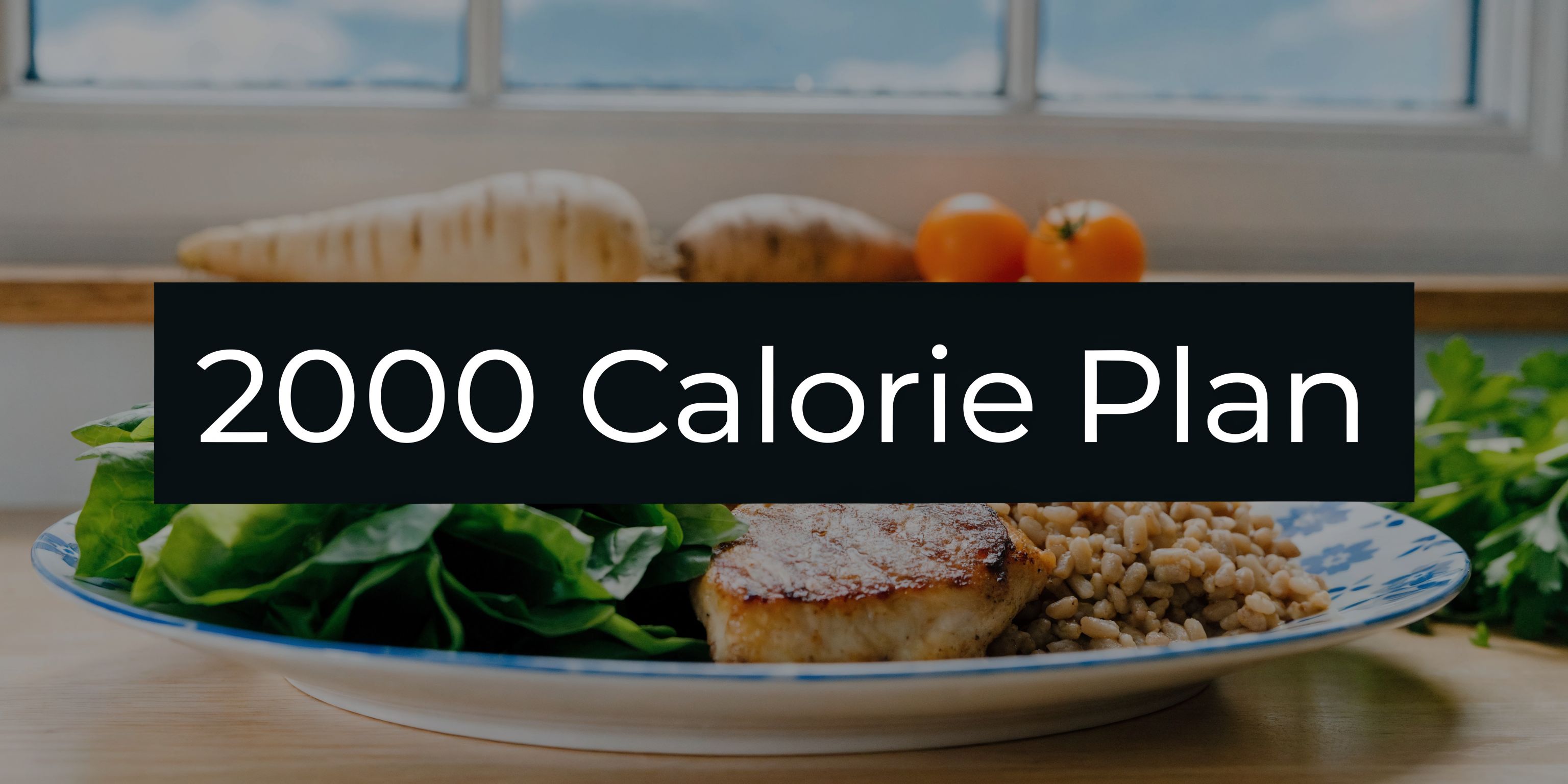
You’ve seen “Based on a 2,000 calorie diet” on food labels for years, but a 2000 calorie meal is best understood as a reference framework, not a universal prescription. In practice, it usually means building a day of eating around balanced meals and snacks that fit within 45 to 65% carbohydrates, 20 to 35% fat, and 10 to 35% protein (Calorie Control Council PDF). A practical version often includes three meals plus one or two snacks, with enough protein and fiber to support fullness and steady energy.
For a lot of people, the confusion starts with the label itself. It sounds personal, almost like the package is telling you what you should eat.
It isn’t.
A 2000 calorie meal plan can be useful because it gives you a concrete structure for shopping, cooking, and portioning food. But your real needs may be lower or higher depending on body size, activity, muscle mass, and goals. That’s why the smartest way to use this benchmark is to learn what the numbers are doing, then turn them into meals that fit your day, not someone else’s.
What Does a 2000 Calorie Meal Plan Really Involve?
A practical 2000 calorie meal plan usually looks like this:
- Breakfast that combines protein, fiber, and carbs
- Lunch built around a protein source, vegetables, and a starch
- Dinner with the same balanced structure
- Snacks that fill gaps, especially for protein or fiber
Many individuals do better when calories aren’t all crammed into one meal. Spreading food across the day makes energy, appetite, and meal prep easier to manage.
A simple way to picture it is to divide the day into eating moments that each have a job. Breakfast helps you start steady. Lunch keeps you productive. Dinner rounds out your nutrition. Snacks stop the late afternoon crash or the late-night pantry raid.
If you want a done-for-you starting point, a structured meal plan can help you visualize how these pieces fit together in real life.
Practical rule: Don’t start by chasing an exact calorie number at every meal. Start by making each meal include protein, produce, and a quality carb or fat source.
That’s what a good 2000 calorie meal plan really involves. Not perfect math. Consistent structure.
Why Is 2000 Calories the Standard Benchmark?
The number 2,000 feels official because it appears everywhere. But it wasn’t chosen because it perfectly matches the needs of most adults.
It became the benchmark during the FDA’s nutrition label standardization work in the 1990s. Public comments favored 2,000 because it was simpler and easier to remember for calculating % Daily Values, even though average self-reported intakes were closer to 2,400 calories and underreporting was already recognized as a problem, as explained in this breakdown of the history of the 2,000 calorie benchmark.

Why regulators wanted one number
Food labels needed a common denominator.
Without a single benchmark, the % Daily Value line would be much harder to standardize. A shared calorie reference lets shoppers compare foods quickly. You can look at sodium, saturated fat, or fiber on two products and judge them against the same baseline.
That’s useful. It’s also limited.
A food label has to work for millions of people at once. Your body doesn’t.
Why the label number isn’t your personal target
A benchmark is a comparison tool. A personal calorie target is a planning tool.
Those are different jobs. The first helps you understand a package. The second helps you decide what to eat today.
That distinction matters because people often make one of two mistakes:
- They treat 2,000 as a weight-loss prescription, even when it may not match their goal.
- They reject the number completely, even though it’s still helpful for reading labels and building a basic meal structure.
2,000 calories works well as a reference point for food literacy. It works poorly as a one-size-fits-all instruction.
How to use the benchmark without getting trapped by it
Use the number for comparison, not identity.
For example, if one frozen meal uses a large share of your daily sodium budget and another doesn’t, the benchmark helped you make a better choice. If a snack offers very little protein or fiber relative to its calories, the benchmark helps again.
But when planning your intake, think in terms of function:
| What you’re doing | Best use of the 2,000 calorie standard |
|---|---|
| Reading a nutrition label | Very useful |
| Comparing packaged foods | Very useful |
| Building a starter meal framework | Useful |
| Deciding your exact personal calorie needs | Limited |
In essence, the 2000 calorie meal standard was built for clarity on labels. It can still be useful on your plate, as long as you remember what it was designed to do.
How Should You Distribute Macros and Micros in 2000 Calories?
A 2000 calorie plan gets more useful once you divide those calories by job.
Calories tell you how much energy you are eating. Macros and micros help decide how that energy feels and functions across the day. Two meals can each contain 600 calories, yet leave you with very different results for fullness, training energy, focus, and cravings.

Start with the big three
Macros are the three main buckets in your calorie budget.
- Carbohydrates give you accessible energy for workouts, walking, work, and basic daily activity
- Protein helps with muscle repair, recovery, and appetite control
- Fat supports hormones, flavor, and absorption of vitamins A, D, E, and K
A practical way to picture this is to treat your calories like a weekly paycheck. Hitting the total matters, but where the money goes changes the outcome. Spend too little on protein and meals may feel less satisfying. Spend too little on fat and food becomes harder to enjoy and less balanced. Push carbs too low for an active schedule and energy often drops.
A practical split to use
General nutrition guidance for a 2000 calorie pattern usually falls into broad ranges: moderate carbohydrates, enough protein to support recovery and fullness, and enough fat to make meals satisfying and nutritionally complete. For many readers, a balanced starting point is simpler than chasing a perfect ratio.
The infographic above shows one workable model. If you want a more personalized estimate, a good macro calculator can help you choose a split based on weight loss, maintenance, or muscle gain.
Sample 2000-Calorie Macro Splits by Goal
| Goal | Protein (g) | Carbohydrates (g) | Fat (g) |
|---|---|---|---|
| Balanced eating | 125 | 275 | 55 |
| Higher protein focus | 140 | 250 | 41 |
| Lower carb approach | 150 | 200 | 67 |
These are planning models, not fixed rules. A busy parent, a desk worker who lifts after work, and an endurance runner can all use 2000 calories differently.
Choose a macro split that is practical for your lifestyle and can be consistently applied.
A more structured balanced meal plan for 2000 calories can help if you want to turn those numbers into meals you can shop for and repeat.
Micros matter because calories do not measure food quality
Micronutrients are the vitamins and minerals that keep the system running well. Fiber is not a vitamin or mineral, but it belongs in this conversation because it changes how filling and stable a 2000 calorie plan feels.
If your plan is heavy on refined snacks and light on produce, beans, whole grains, nuts, and seeds, you can hit 2000 calories and still end the day underfed in a practical sense. Hunger stays high. Energy swings more. Digestion often gets worse.
Focus on a few high-return targets:
- Fiber from beans, lentils, oats, fruit, vegetables, chia, and whole grains
- Potassium from potatoes, yogurt, beans, bananas, and leafy greens
- Calcium from dairy or fortified alternatives, tofu set with calcium, and some greens
- Iron from red meat, legumes, tofu, pumpkin seeds, and fortified foods
- Sodium by checking labels, especially on sauces, frozen meals, deli meats, and packaged snacks
Where people get tripped up
Higher protein does not automatically mean low carb.
You can increase protein and still keep enough carbohydrates for training, walking, and mentally demanding work. You can also build a lower carb version without turning every meal into a pile of cheese and bacon. The goal is not to copy a trend. The goal is to match your intake to your schedule, preferences, and reason for using 2000 calories in the first place.
A good test is simple. If your meals are repeatable on a rushed weekday, keep you full for a reasonable stretch, and support your actual goal, your distribution is doing its job.
What Does a Sample 2000 Calorie Day Look Like?
Theory gets easier once you can see the plate.
Here’s what a full day might look like when you build meals around protein, fiber, and a clear role for each eating occasion, rather than random snacking.

Breakfast that doesn’t wear off fast
Start with a bowl of Greek yogurt, oats, berries, and chia seeds. Add eggs on the side if you need a more substantial morning meal.
This kind of breakfast works because it combines fast convenience with slower digestion. You get protein for fullness, carbs for usable energy, and fiber to avoid the sharp rise and drop that leaves you hungry before lunch.
Lunch that carries your afternoon
Lunch could be a grain bowl with grilled chicken, brown rice or quinoa, roasted vegetables, and olive oil or avocado. If you’re vegetarian, tofu or beans can fill the same role.
The point isn’t the exact ingredient list. The point is the structure:
- a protein anchor
- a starch you can portion consistently
- at least one generous serving of vegetables
- a fat source for flavor and staying power
A snack strategy that helps
Snacks work best when they solve a problem.
An apple with peanut butter can carry you to dinner. Cottage cheese with fruit can top up protein. Hummus with vegetables can make dinner portions easier to control because you’re not arriving overly hungry.
A lot of people think snacks are “extra.” In a well-built 2000 calorie meal plan, snacks are often what make the plan livable.
To see another visual example of daily meal structure, this short walkthrough can help:
Dinner that finishes the day cleanly
Dinner might be salmon, potatoes, and a large side of vegetables. Or turkey chili with beans and a salad. Or tofu stir-fry with rice and broccoli.
You don’t need gourmet meals. You need repeatable combinations.
A good sample day should look normal. If your 2000 calorie meal plan looks too “diet-like,” you probably won’t stick with it.
That’s why the most effective meal plans often look boring in the best way. Familiar foods. Clear portions. Easy repetition.
How Can You Adapt This Plan for Different Diets?
A 2000 calorie meal is a container, not a cuisine. The same framework can work across very different eating styles if you understand what each diet is trying to emphasize or remove.
Vegan swaps that still feel substantial
The main challenge in vegan planning isn’t just removing animal foods. It’s keeping meals filling enough and protein-aware enough.
Try swaps like these:
- Chicken to lentils or tofu in lunch bowls
- Greek yogurt to soy yogurt with seeds and fruit at breakfast
- Egg-based snacks to roasted edamame or hummus
A vegan version works best when each meal has an intentional protein source rather than hoping it adds up by accident.
If you want more plant-based meal structure ideas, this vegetarian meal planning page is a useful reference point: https://ai-mealplan.com/meal-plan/vegetarian
Keto swaps that change the carb base
Keto changes the plan more dramatically because it cuts back hard on the foods that usually carry a 2000 calorie pattern, such as grains, beans, and fruit-heavy snacks.
Typical shifts include:
| Standard meal part | Keto-style swap |
|---|---|
| Rice or quinoa | Cauliflower rice |
| Oatmeal | Eggs with avocado |
| Fruit snack | Cheese, nuts, or eggs |
| Bean-based lunch bowl | Meat or tofu with non-starchy vegetables |
What matters here is meal design. If you remove the carb source, you need enough protein and fat to make the meal satisfying.
Gluten-free swaps that keep the structure intact
Gluten-free eating is often easier than people expect because the overall meal framework doesn’t change much. You mostly replace specific grain products and watch packaged foods more carefully.
Useful swaps include:
- whole wheat bread to certified gluten-free bread
- regular pasta to gluten-free pasta
- flour tortillas to corn tortillas or rice-based alternatives
For endurance athletes, the adaptation question gets even more specific because training volume affects how much room you need for digestible carbs. A practical example is this runner's ultimate nutrition plan for a half marathon, which shows how meal structure changes when fueling becomes part of performance.
The key idea across all three approaches is simple. Keep the skeleton of the plan. Change the ingredients to match the diet.
What Are Some Quick Recipes and Time-Saving Swaps?
A smart 2000 calorie meal plan has to survive a workweek. If meals take too long, the plan collapses and convenience food takes over.

Three fast meals you can repeat
Sheet pan salmon and vegetables
Put salmon, chopped zucchini, bell peppers, and onions on one tray. Add olive oil, salt, pepper, and a starch on the side if you want one.
This works because cleanup is minimal and the method is hard to mess up. You can also swap salmon for tofu or chicken without changing the structure.
Chicken and grain bowl
Use pre-cooked rice or quinoa, rotisserie chicken, bagged greens, and a quick dressing. Add beans, avocado, or chopped vegetables depending on what’s in the fridge.
This is one of the easiest “assembled” meals to keep in regular rotation because every part can be prepped in advance or bought ready to use.
Egg scramble with toast and fruit
Eggs cook quickly and pair well with spinach, mushrooms, tomatoes, or leftover roasted vegetables. Add whole grain toast and fruit and you have a breakfast-for-dinner option that still feels complete.
Kitchen shortcut: Build your week around repeatable methods, not endless new recipes. Bowls, sheet pans, scrambles, and wraps cover a lot of ground.
Swaps that save time without wrecking quality
You don’t need to cook every ingredient from scratch to eat well.
- Pre-chopped vegetables cut prep time and reduce the friction that leads to takeout.
- Rotisserie chicken can become lunch bowls, wraps, salads, or soup.
- Canned beans help you add fiber and plant protein quickly.
- Microwaveable grains make balanced meals possible on very busy days.
- Frozen vegetables are reliable, low-waste, and easy to portion.
- Single-serve yogurt or cottage cheese makes snacks more automatic.
Make convenience work for you
Convenience isn’t the enemy. Unplanned convenience is.
A frozen vegetable mix, a carton of eggs, canned tuna, tofu, oats, and fruit can cover a surprising number of balanced meals. That kind of setup gives you fallback options, which is what keeps a 2000 calorie meal pattern practical instead of aspirational.
How Do You Create a Smart Grocery List and Manage Portions?
A meal plan only becomes real when it turns into a grocery list.
The easiest way to do that is to build your list from meals you’ll repeat, then group items by aisle so shopping takes less mental effort.
A simple grocery list framework
Here’s a practical way to organize your week.
| Store section | What to buy |
|---|---|
| Produce | Leafy greens, berries, apples, bananas, broccoli, zucchini, peppers, onions |
| Protein | Eggs, Greek yogurt, chicken, tofu, canned beans, fish |
| Pantry | Oats, rice, quinoa, nut butter, canned tomatoes, olive oil |
| Freezer | Frozen vegetables, frozen fruit, protein backups |
| Extras | Seasonings, dressings, wraps or bread that fit your eating style |
The smartest lists reuse ingredients across meals. Spinach can go into eggs, grain bowls, and salads. Roasted vegetables can become dinner sides, lunch add-ins, or omelet fillings.
That kind of overlap does two things. It lowers waste, and it makes prep easier because you’re not buying one-off items for every recipe.
Portion control without obsessing
You don’t need a scale at every meal.
Visual cues can keep you consistent enough for everyday eating:
- Protein can be estimated by the size of your palm
- Carb portions can be estimated by your fist
- Fats are often closer to your thumb in volume
- Vegetables should take up a generous share of the plate
These aren’t exact measurements. They’re useful approximations that make home cooking less tedious.
What makes portions drift upward
Portion creep usually comes from calorie-dense foods that don’t look large on the plate. Oils, dressings, nut butters, trail mix, chips, and restaurant servings are the usual suspects.
A better strategy than trying to “eat less” is to anchor the plate first:
- add protein
- add vegetables or fruit
- add your starch or fat source
- adjust extras intentionally
That approach keeps portions grounded in meal structure instead of appetite alone.
How Can You Automate Your Meal Planning?
Manual meal planning works. It also takes time, attention, and a level of consistency that many busy people don’t have every week.
That matters because static plans miss something important. People with the same target calorie number can still differ in needs by up to 500 calories, and one trial found that AI-driven tools showed 35% better adherence and a 22% reduction in food waste because plans adapted to user feedback and activity data (Oneleaf Health).
Why fixed meal plans break down
A printed plan can’t notice that you got hungrier after adding workouts. It can’t adjust for food preferences, travel, appetite changes, or a week when dinner has to be faster than usual.
That’s why many people don’t fail meal plans. The meal plans fail real life.
What automation does better
An automated system can:
- generate meals that match your dietary pattern
- account for calorie and macro targets
- create grocery lists from the meals you picked
- adapt when you swap meals or reject foods you dislike
- reduce waste by reusing ingredients across the week
That’s a much better fit for someone trying to eat well consistently, not just theoretically.
If you want a tool-based approach to planning, an AI nutritionist can make the personalization side much easier than doing all the math and list-building manually.
The next logical step is using a system that handles the repetitive work for you. You can set up your preferences and goals through the AI Meal Planner onboarding here: https://ai-mealplan.com/onboarding
Frequently Asked Questions About 2000 Calorie Diets
Should I eat more if I exercise?
Possibly. A 2000 calorie meal plan is a framework, and training can change how much food feels appropriate and sustainable.
Why am I not losing weight on 2000 calories?
Your maintenance intake may be close to or below that amount, or your portions may be larger than you think. Meal quality and consistency matter too.
Can alcohol fit into a 2000 calorie meal plan?
Yes, but it uses part of your calorie budget without helping much with fullness. It’s easiest to fit when the rest of the day is planned intentionally.
Do I need to count every gram of protein and carbs?
No. Counting can help at first, but many people do well once they learn the structure of balanced meals and repeat familiar portions.
What if I’m hungrier on some days than others?
That’s normal. Keep the meal pattern stable and adjust food choices within it, especially protein, produce, and high-fiber carbs.
Is 2000 calories enough for muscle gain?
For some people, yes. For others, no. A muscle-gain plan usually works better when protein is deliberate and total intake matches training demand.
Does hydration matter on a 2000 calorie diet?
Absolutely. Hunger, energy, and digestion all get harder to interpret when you’re under-hydrated.
AI Meal Planner helps you turn the ideas in this guide into a personalized weekly system with meals, macros, and grocery lists already organized for you. If you want a faster way to build a 2000 calorie meal plan that fits your goals, preferences, and schedule, try AI Meal Planner.
AI-powered nutrition
Get Your Personalized Meal Plan
AI creates the perfect meals for your goals, lifestyle, and taste.
Start Your Journej