Dinner keeps getting pushed later, lunch is whatever you can grab, and your energy feels unreliable. If you have PCOS, the most useful version of a pcos diet isn't a perfect meal plan. It's a simple, repeatable way to eat that lowers blood sugar swings and cuts down the daily decision fatigue.
What is a good PCOS diet for beginners?
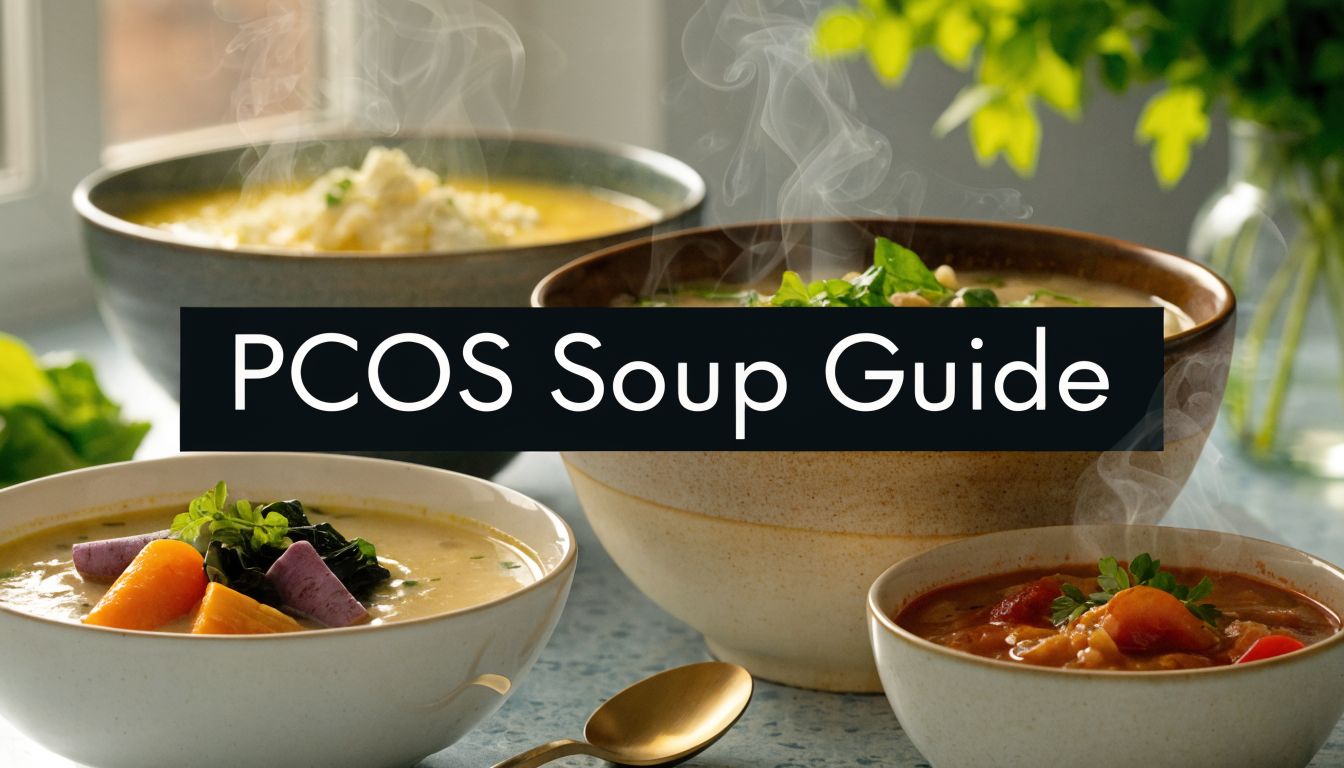
You get home late, open the fridge, and need something that will not spike your blood sugar or leave you hungry an hour later. For beginners with PCOS, that is a key challenge. A good pcos diet starts with meals you can repeat on busy days, and soup is one of the easiest ways to do that.
The foundation is straightforward. Build meals around non-starchy vegetables, protein, healthy fats, and high-fiber carbohydrates. In practical terms, that looks like chicken, lentils, beans, leafy greens, olive oil, barley, brown rice, or wild rice in combinations you can batch-cook once and eat several times.
PCOS nutrition advice often fails at the execution stage. Many people with PCOS are trying to manage fatigue, cravings, irregular cycles, appetite shifts, and a full workweek at the same time. A beginner plan needs to lower the number of food decisions, not add more rules.
Soup does that well.
It gives you a reliable structure for portioning fiber and protein, and it tends to be easier to digest and easier to keep on hand than a long list of separate meal components. It also replaces common fallback meals that make symptom management harder, such as takeout built around refined carbs, sugary sauces, or low-fiber snack foods. If you're also interested in a broader overview of PCOS natural treatment approaches, that resource gives useful context around insulin resistance and lifestyle support.
A beginner pcos diet also does not need to be strict to be effective. It needs to be consistent. If you want more structure after you get the basics in place, a dedicated PCOS meal planning tool can help organize recipes and shopping.
Start smaller than you think you need to. Pick one soup recipe, make a batch, and use it for two or three meals this week. That single habit is often more useful than chasing a perfect plan you cannot maintain.
Why an Anti-Inflammatory Diet Helps Manage PCOS
You meal prep on Sunday with good intentions, then Tuesday turns into coffee for breakfast, something quick at lunch, and cereal or takeout at night. For many people with PCOS, that pattern leads to more cravings, less stable energy, and a harder time staying consistent. An anti-inflammatory eating pattern helps because it supports steadier blood sugar and lowers the day-to-day chaos around meals.
PCOS is closely tied to insulin resistance in many cases, and inflammation can add to that burden. Higher insulin levels can push the ovaries to make more androgens, which can worsen symptoms such as irregular cycles, acne, and increased facial hair. Food will not cure PCOS, but the right meal pattern can reduce strain on the system and make symptoms easier to manage.
Earlier in the article, Johns Hopkins guidance was noted for emphasizing an anti-inflammatory pattern built around foods like olive oil, beans, fish, and vegetables, while limiting refined sugars and heavily processed foods. That overall pattern matters more than chasing one “superfood.”

Why soup works especially well here
Soup is a practical way to apply anti-inflammatory nutrition without making cooking harder. In clinic, I often find that people do better with a repeatable meal format than with a long list of rules. A well-built soup lets you combine protein, fiber-rich carbohydrates, vegetables, and healthy fats in one container. It also reheats well, travels well, and removes some of the food decisions that tend to derail consistency during a busy week.
That trade-off matters. A perfect meal plan that requires daily cooking is less useful than a good plan you will eat.
Which foods help the most
Focus on ingredients that do a clear job in the pot.
- Foods that support lower inflammation: leafy greens, beans, lentils, olive oil, herbs, spices, walnuts, and salmon
- Foods that improve blood sugar response: lentils, wild rice, barley, oats, beans, and non-starchy vegetables
- Foods that improve fullness: chicken, Greek yogurt, tofu, eggs, pumpkin seeds, avocado, and olive oil
These choices are especially helpful in soup because they replace common convenience meals that are high in refined starches and low in protein or fiber.
The pattern that usually backfires
Many people with PCOS are not struggling because they lack nutrition information. They are struggling because meals are inconsistent. Skipping meals, waiting too long to eat, or building meals around refined carbs alone can make hunger feel more urgent later in the day.
A steadier approach works better:
| Meal pattern | Likely effect |
|---|---|
| Refined carb-heavy meal by itself | Faster return of hunger and less stable energy |
| Protein plus fiber plus fat | Better fullness and steadier blood sugar |
| Long gaps followed by overeating | More cravings and harder appetite regulation |
Practical rule: Build each meal, including soup, around protein, fiber, and fat.
If you want help repeating that structure without planning from scratch every week, an anti-inflammatory meal plan for busy schedules can make the process easier.
A warm drink can also support the routine around meals, especially if it replaces sugary coffee drinks or evening snacking. If that is useful for you, this guide to the best tea for inflammation is a reasonable companion read.
The Core Ingredients for Your PCOS-Friendly Soups
A PCOS-friendly soup needs to do three jobs well. It should keep you full, reheat without turning mushy, and fit into a week when you have limited time to cook. Ingredient choice decides all three.
Clinical research indicates that for PCOS, the priority is carbohydrate quality and distribution across the day, with high-quality low-glycemic carbohydrates such as whole grains and non-starchy vegetables helping prevent blood sugar spikes, as described in this clinical review on PCOS dietary interventions. In practice, that means soup works best when it is built around steady blood sugar support, not just low calories or a long list of “superfoods.”

Build your soup around these four ingredient groups
Non-starchy vegetables
These are your base, not a garnish. Use vegetables that cook well in batches and hold up in the fridge, such as spinach, kale, broccoli, zucchini, celery, onion, mushrooms, and cauliflower.
They add volume, fiber, and micronutrients without pushing the carbohydrate load too high. For many people with PCOS, that makes soup easier to portion and more satisfying across the week.
A protein that makes it a meal
Choose one main protein and be generous with it. Lentils, shredded chicken, tofu, beans, or salmon can all work, depending on your budget, preferences, and how long you need the soup to last.
This is a common place where soup falls short. Broth-and-vegetable soups can be light, but they often do not hold appetite for long enough to count as lunch.
Higher-fiber carbohydrates
Use these strategically when you want the soup to carry you for several hours or replace a takeout meal.
- Lentils add plant protein, fiber, and body.
- Wild rice reheats well and keeps a pleasant texture.
- Barley or quinoa can work if they fit your needs and are paired with enough protein and fat.
If you are sensitive to larger carb portions, start smaller and increase only if the soup still leaves you hungry. That trade-off matters. Some people feel better with a bean- or lentil-based soup, while others prefer non-starchy vegetables plus chicken and a smaller portion of grain.
Fats that improve staying power
A little fat changes how satisfying soup feels. Olive oil, tahini, pesto, or pumpkin seeds can round out the meal and improve flavor without much extra work.
That matters for consistency. People are more likely to keep eating the soup they prepped if it tastes good on day three.
A practical formula for batch cooking
Use this pattern for fast soup prep:
- Cook onion, garlic, and olive oil first.
- Add sturdy vegetables such as carrots, celery, mushrooms, or cauliflower.
- Stir in your protein.
- Add broth and your higher-fiber carbohydrate, if using.
- Finish with quick-cooking greens, herbs, lemon juice, or vinegar.
This formula is simple, but it works well for PCOS meal prep because it keeps the structure consistent while letting the flavor change week to week.
If this style of eating suits you, a Mediterranean meal plan built around balanced, anti-inflammatory meals pairs naturally with these soup ingredients.
One note on kitchen gear. You do not need specialty equipment to make this work. A good pot, a blender if you like smoother soups, and a sharp chef’s knife are enough. If you like reading practical product reviews in other categories, you can see how reviewers compare top axe models by function rather than hype. The same rule applies in the kitchen. Use tools and ingredients that make meal prep easier to repeat.
If your soup is low in protein and fiber, it may be a good starter, but it usually will not be enough for a full meal.
Quick Anti-Inflammatory Soup Recipe Turmeric Lentil and Spinach
This is the first soup I suggest when someone wants a lower-effort entry into a pcos diet. It's inexpensive, forgiving, and built from ingredients that are easy to keep around.

What you'll need
- Olive oil
- 1 onion, diced
- 2 garlic cloves, minced
- 1 tablespoon turmeric
- 1 teaspoon ground ginger or fresh grated ginger
- 1 cup dried lentils, rinsed
- 1 carrot, diced
- 1 celery stalk, diced
- 4 to 5 cups low-sodium broth
- Several handfuls of spinach
- Salt, pepper, and lemon juice to taste
How to make it
- Heat olive oil in a pot and soften the onion, carrot, and celery.
- Add garlic, turmeric, and ginger. Stir until fragrant.
- Add lentils and broth. Simmer until the lentils are soft.
- Stir in spinach at the end and let it wilt.
- Finish with lemon juice and black pepper.
The result is thick enough to feel like a meal, but light enough that you won't feel sluggish afterward. If you want it creamier, blend part of the soup and leave the rest chunky.
Why this one works well for PCOS
Lentils give you a slower-digesting carbohydrate source plus plant protein and fiber. Spinach adds volume and makes it easier to eat a meaningful amount of vegetables without much effort. Turmeric and ginger don't replace the fundamentals, but they fit naturally into an anti-inflammatory eating pattern.
A PCOS-friendly soup should leave you steady, not stuffed and sleepy.
If you want to watch the cooking style before trying your own version, this video gives a useful visual reference:
Easy upgrades
| If you need more | Add |
|---|---|
| Protein | Shredded chicken or tofu |
| Healthy fat | Olive oil or pumpkin seeds |
| More staying power | A side of plain Greek yogurt if tolerated, or extra lentils |
| Brighter flavor | Lemon juice and fresh herbs |
A practical tip: portion this soup with a side, not just by the bowl. Pairing it with eggs, salmon, or a bean salad can make it much more effective as lunch.
Batch-Friendly Recipe Creamy Chicken and Wild Rice Soup
This is the soup I reach for when someone needs lunches done for several days and doesn't want texture problems after reheating. Chicken and wild rice hold up well, and the flavor gets better after a day in the fridge.
A 12-week ketogenic diet trial in women with PCOS showed significant benefits, but a less restrictive low-GI approach is often more sustainable, and low-GI foods like wild rice can help slow blood sugar rise and support long-term management according to this PCOS nutrition review. That's why wild rice earns a place here. It's practical, not trendy.

Base recipe
Use:
- Olive oil
- 1 onion, diced
- 2 carrots, diced
- 2 celery stalks, diced
- 2 garlic cloves, minced
- Cooked shredded chicken
- Cooked wild rice
- Low-sodium broth
- Unsweetened milk or plain yogurt alternative if desired for creaminess
- Kale or spinach
- Salt, pepper, thyme, and parsley
Cook the vegetables first, add broth, then stir in chicken and wild rice. Finish with greens. If you want a creamy texture without making it heavy, blend a small amount of the soup and stir it back in, or add a modest amount of unsweetened milk.
Best substitutions by need
| Need | Swap | Why it still works |
|---|---|---|
| Dairy-free | Use blended white beans or unsweetened plant milk | Keeps the texture creamy without relying on cream |
| Higher protein | Add extra chicken or stir in tofu cubes | Improves fullness and balances the carbohydrates |
| Vegetarian | Replace chicken with chickpeas or lentils | Preserves fiber and keeps the soup substantial |
| More vegetables | Add mushrooms or zucchini | Boosts volume with minimal effort |
Meal prep tips that prevent soggy leftovers
- Cook wild rice separately if you like a firmer texture. Add it to each portion before reheating.
- Cool the soup before sealing containers so condensation doesn't water it down.
- Store garnishes separately such as herbs, lemon, or seeds.
- Freeze in individual portions if you get bored easily and want rotation.
This is one of the better examples of a pcos diet meal that respects real life. It reheats well, travels well, and doesn't require a midday decision.
How to Customize Your Soups for Any Diet
The best pcos diet isn't identical for everyone. Some people tolerate dairy well. Others don't. Some feel best with a moderate amount of legumes and whole grains, while others prefer lower-carb meals. The key is to keep the core structure intact: protein, fiber, healthy fat, and ingredients you can repeat.
PCOS Soup Substitution Guide
| To Make It... | Ingredient to Swap | Suggested Substitution | Why It Works |
|---|---|---|---|
| Vegan | Chicken | Lentils, chickpeas, or tofu | Keeps protein and fiber in the meal |
| Dairy-Free | Yogurt, milk, or creamy finish | Blended white beans, tahini, or unsweetened plant milk | Maintains texture without sweetened dairy alternatives |
| Lower-Carb | Wild rice or barley | Extra cauliflower, mushrooms, or zucchini | Reduces carbohydrate load while keeping volume |
| Higher-Protein | Part of the broth-based portion | Add more chicken, tofu, or salmon | Improves fullness and steadier energy |
| Gluten-Free | Barley or wheat-based additions | Quinoa or wild rice | Preserves structure with gluten-free grains |
| More Filling Lunch | Light vegetable soup base | Add olive oil plus a protein side | Balances the meal and reduces afternoon cravings |
How to time soups around your day
Meal timing is often underestimated. A balanced soup with lentils or wild rice often works best before the part of the day when you're most active. If your busiest stretch is the afternoon, lunch is usually the better place for a more substantial soup.
If evenings are sedentary for you, dinner may feel better when it's built from non-starchy vegetables, protein, and fat with a smaller carbohydrate portion. This doesn't mean carbs are bad at night. It means your meal can match your routine more closely.
A more structured diabetic-friendly meal plan can be useful if you're also trying to organize meals around blood sugar stability.
Your soup should fit your day. A great recipe at the wrong time can still feel like the wrong meal.
A simple weekly rhythm looks like this:
- Morning with higher activity ahead. Choose the lentil soup with eggs or yogurt if tolerated.
- Desk-heavy morning. Use the chicken soup or a vegetable-protein soup with less grain.
- Post-workout meal. Add a fuller carbohydrate portion like wild rice or beans.
- Late dinner. Keep the bowl lighter and prioritize protein plus vegetables.
Your Weekly PCOS Soup Meal Prep Plan
A solid pcos diet gets easier when you stop treating every meal like a separate project. Make two soups, assign them to parts of the week, and let your schedule guide portion size.
Guidance from Mass General Brigham's fertility nutrition coverage suggests it's helpful to align your largest meals with peak activity times so energy use and blood sugar control are better matched across the day, as noted in this article on food choices and timing for PCOS. That principle is practical for meal prep. Eat the more substantial bowl when you'll use that energy.
A simple 5-day rhythm
| Day | Lunch | Dinner | Why it helps |
|---|---|---|---|
| Monday | Chicken and wild rice soup | Salmon with greens | Heavier lunch supports a busy start to the week |
| Tuesday | Turmeric lentil soup with extra protein | Vegetable-forward dinner | Keeps midday steady without a crash |
| Wednesday | Chicken and wild rice soup | Leftover soup plus salad | Reduces decision fatigue |
| Thursday | Lentil soup and seeds | Protein and roasted vegetables | Useful if afternoon cravings tend to hit |
| Friday | Choice of remaining soup | Flexible dinner | Prevents takeout defaulting if the week got messy |
How to prep without wasting food
Buy overlapping ingredients on purpose. Onion, garlic, carrots, celery, spinach, broth, olive oil, and lemon work in both soups. That lowers waste and makes shopping simpler.
Use this routine:
- Cook both soups on one day if you have the energy.
- Refrigerate half and freeze half so the last portion still tastes good.
- Keep add-ons separate such as herbs, seeds, cooked rice, or yogurt.
- Pair soup with one fast side like eggs, chopped cucumbers, or a bean salad.
When this approach works best
This format is especially effective for people who skip meals, over-order takeout after work, or get stuck in a restrict-then-snack cycle. Soup gives you a decision-ready option that still supports a pcos diet.
It also creates a stable base. Once lunch is handled, breakfast and snacks become much easier to clean up. If you want help turning this kind of routine into a personalized weekly system, the AI Meal Planner onboarding can organize meals, grocery lists, and leftovers more efficiently.
Frequently Asked Questions About the PCOS Diet
Can I still drink coffee with PCOS
Yes, if it sits well with you. The bigger issue is what goes in it, especially sugary syrups or pastries that turn coffee into a blood sugar spike.
Do I need to cut all dairy
Not always. If dairy worsens your symptoms or digestion, reduce it and reassess, but many people do better focusing first on overall meal quality.
Is fruit okay on a pcos diet
Yes. Fruit can fit well, especially when paired with protein or fat instead of eaten as a stand-alone snack when you're already hungry.
Do I have to go low-carb
No. For many people, carbohydrate quality and portioning work better than strict elimination.
What should I do when I crave sugar at night
Start by checking whether dinner had enough protein, fiber, and fat. Night cravings often get stronger when daytime meals were too light or too inconsistent.
How long until food changes help
Some people notice steadier energy and appetite sooner, while cycle or skin changes usually take longer. Consistency matters more than intensity.
If you want a practical way to turn these ideas into an actual week of meals, AI Meal Planner can build personalized plans, smart grocery lists, and quick recipes around your goals, preferences, and dietary needs without forcing you to figure it all out manually.
AI-powered nutrition
Get Your Personalized Meal Plan
AI creates the perfect meals for your goals, lifestyle, and taste.
Start Your Journej