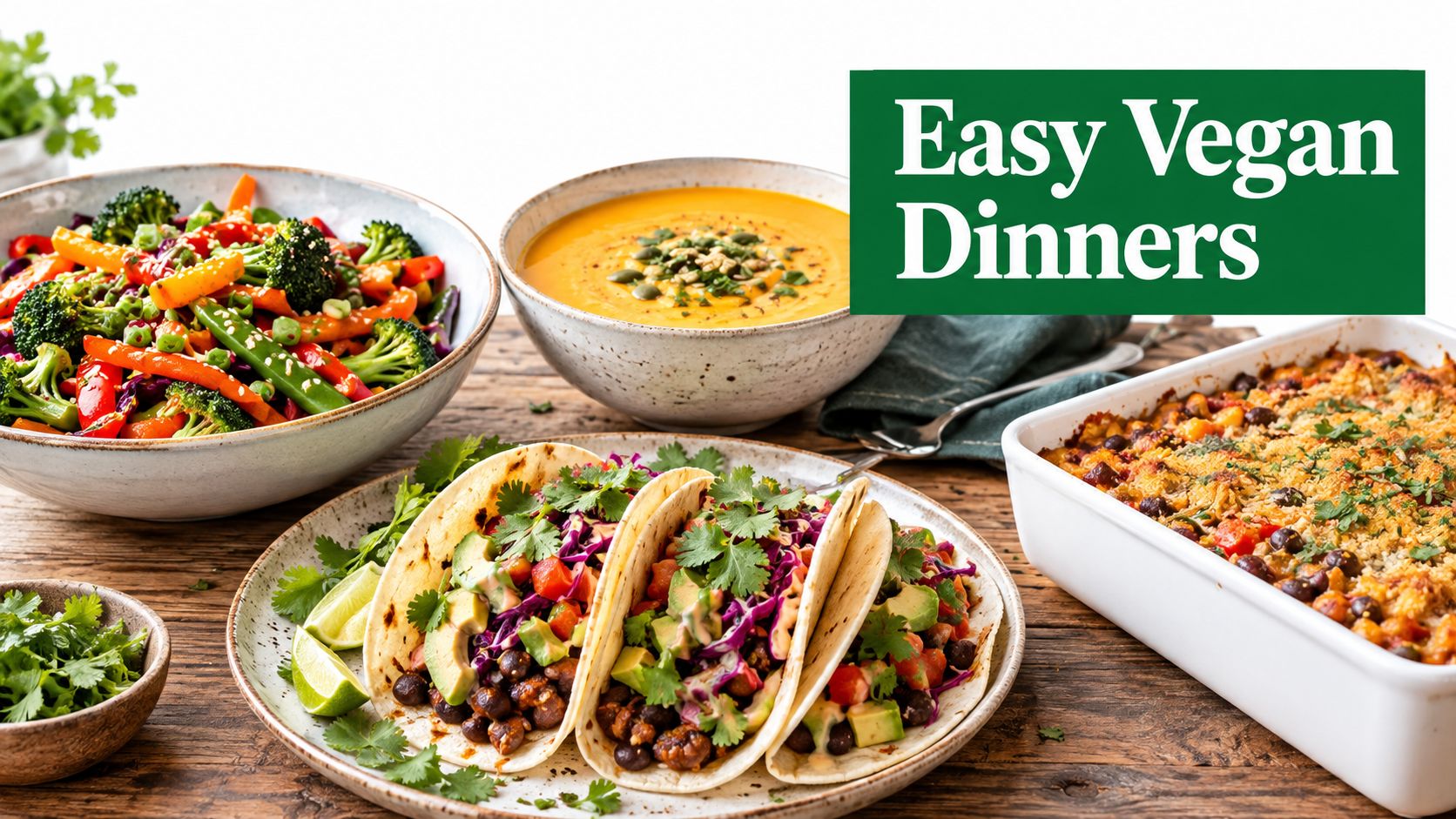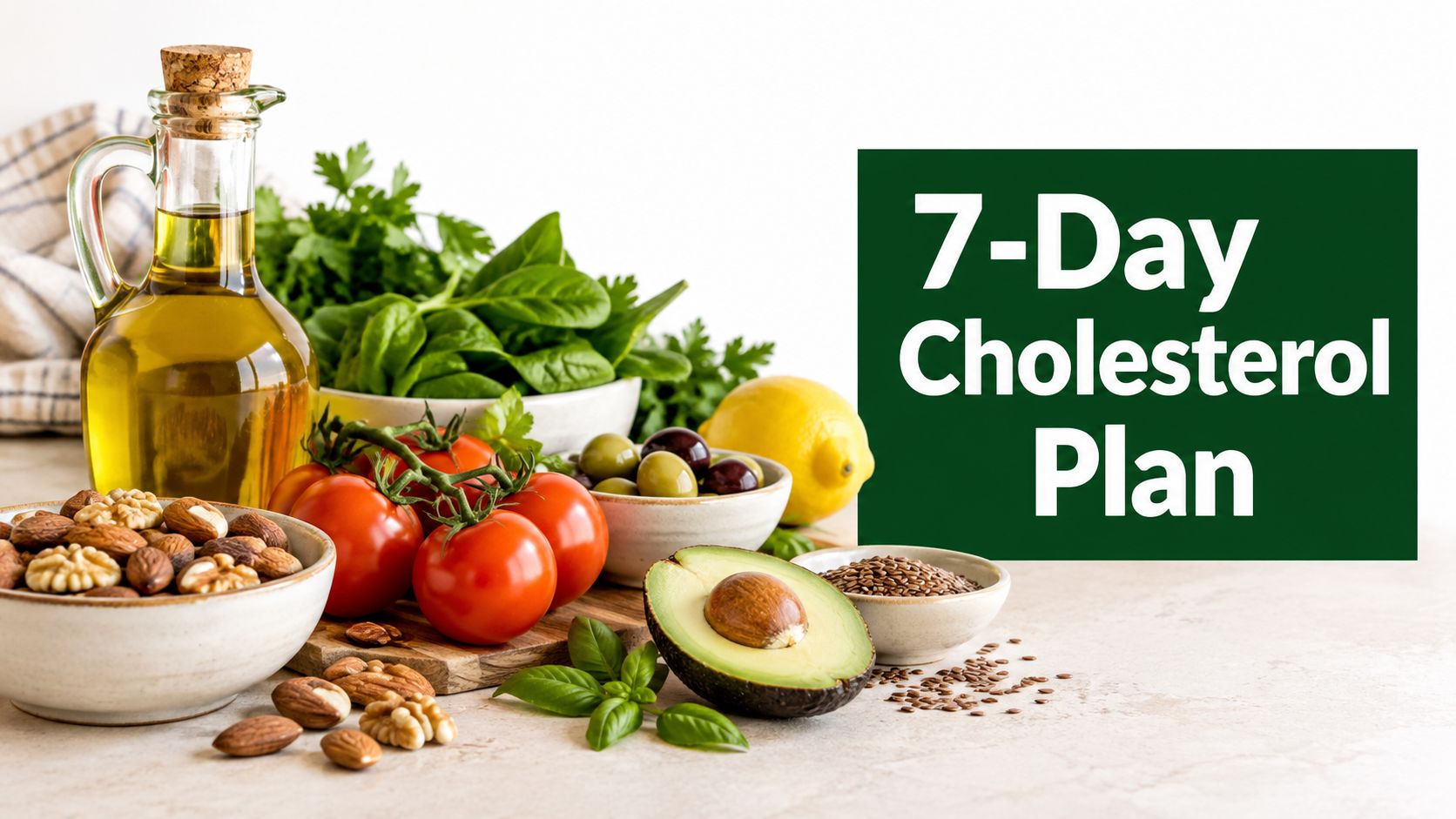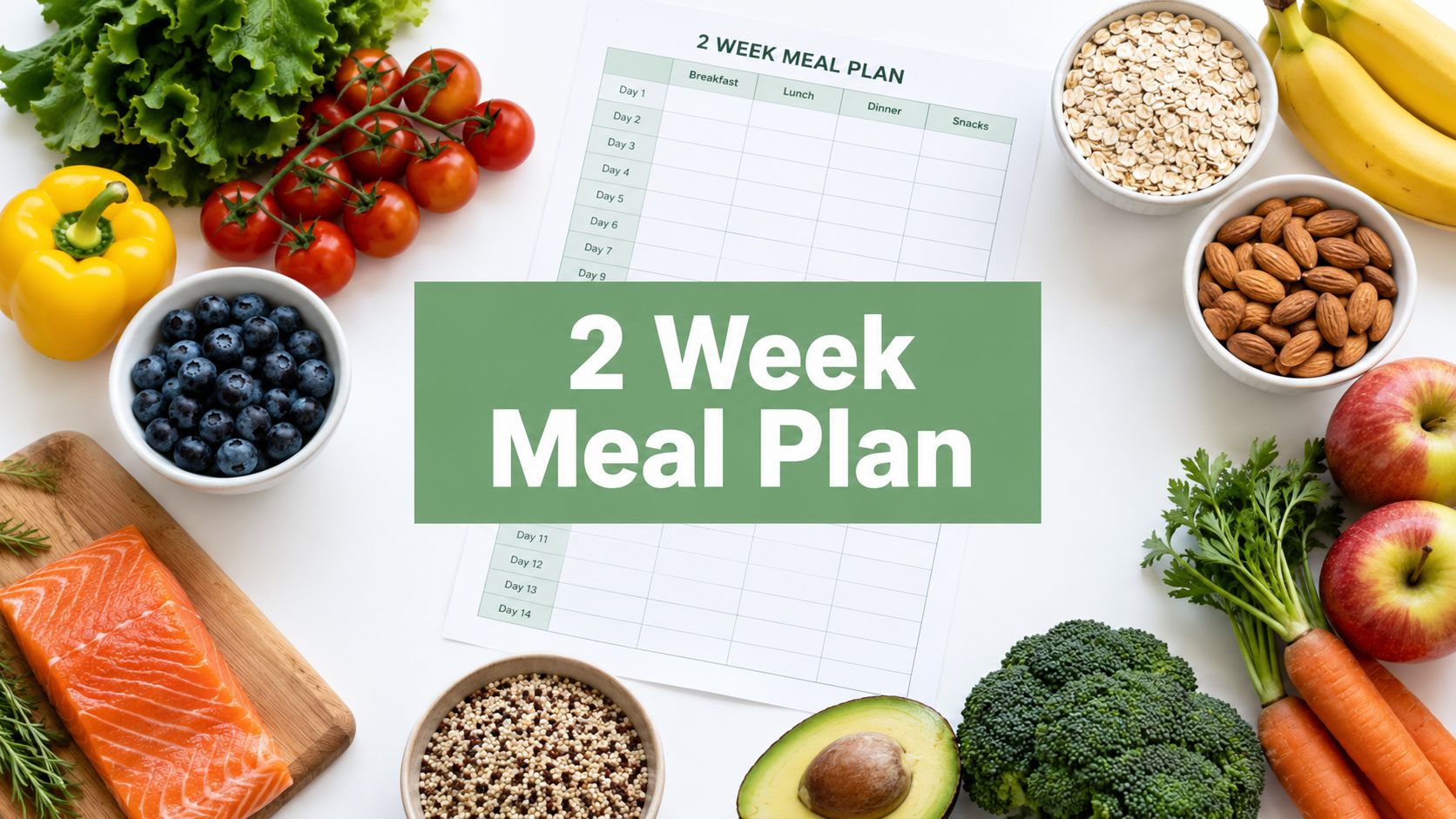
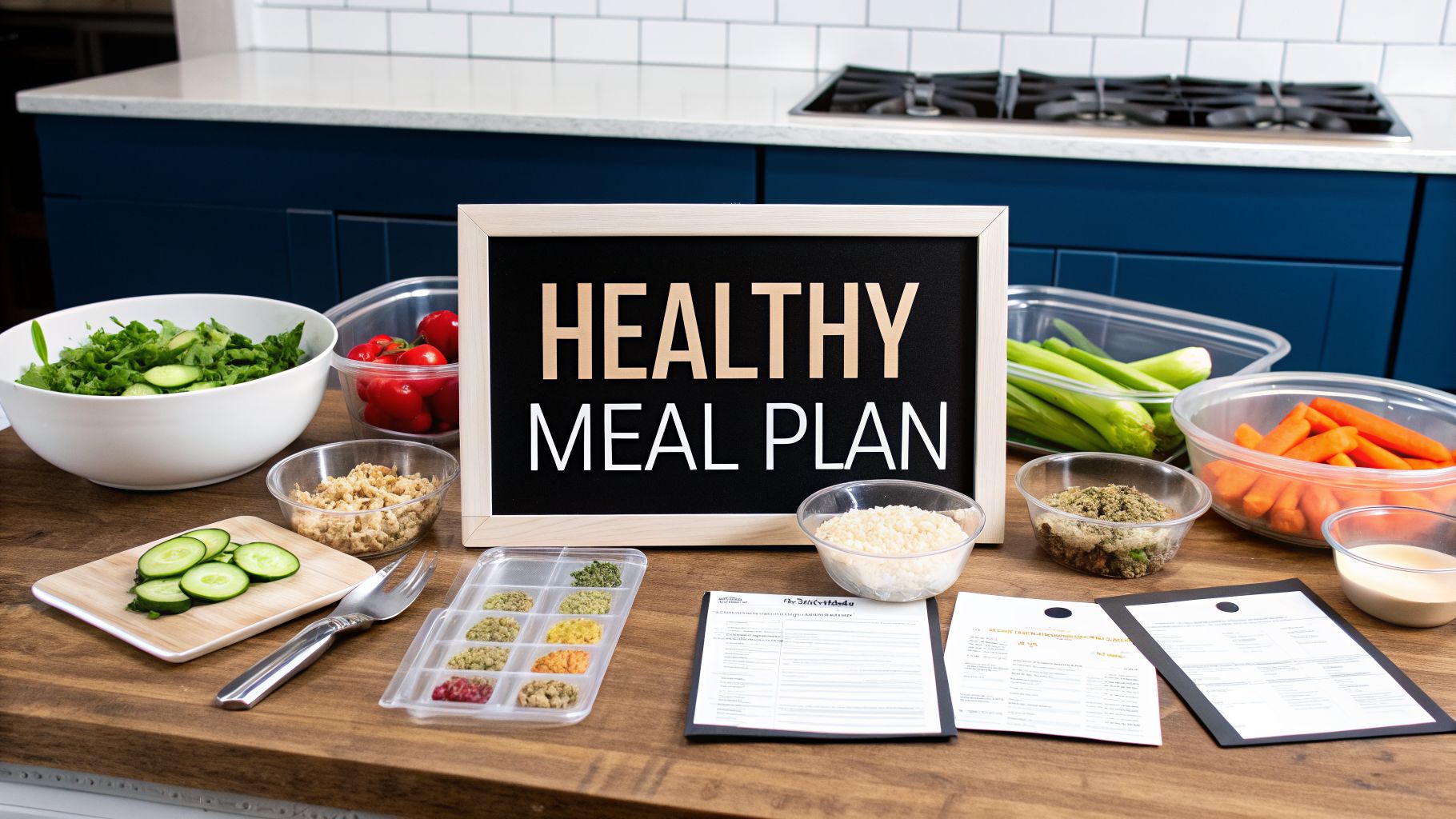
The best healthy recipes for weight loss prioritize high protein (25-30g per meal) and fiber while staying under 400 calories. Examples include high-protein breakfast bowls, Buddha bowls with lean protein, grilled fish with vegetables, and vegetable-packed soups. These meals promote satiety and help maintain a calorie deficit without causing hunger.
Embarking on a weight loss journey doesn't mean you have to eat bland, unsatisfying meals. The key to sustainable success is finding delicious, nutrient-dense recipes that keep you full, energized, and on track with your goals. This guide provides a curated list of ten actionable, healthy recipes for weight loss that you can start making today. Each recipe is designed for real life, focusing on simplicity, flavor, and nutritional balance to help you build healthy habits that last.
This article delivers more than just a list of ingredients. For each meal, you will find:
- Detailed Nutritional Information: Calorie counts and macronutrient breakdowns (protein, carbs, fat) to take the guesswork out of tracking.
- Time-Saving Options: Specific tips for 30-minute meals and meal-prep strategies for busy weeknights.
- Dietary Flexibility: Easy-to-follow swaps for vegan, gluten-free, and keto diets, ensuring anyone can enjoy these dishes.
- Practical Guidance: Actionable cooking tips, portion control advice, and handy shopping list snippets to make grocery runs efficient.
Our goal is to give you a complete toolkit for success. Beyond focusing solely on what you eat, understanding different metabolic strategies can further support your journey. For instance, you might consider exploring how ketone supplements for weight management can contribute to metabolic health. By combining flavorful, whole-food meals with a foundational knowledge of how your body works, you create a powerful and sustainable path toward achieving your weight and wellness objectives.
1. How can I make a high-protein breakfast bowl?
Kicking off your day with a protein-rich breakfast is a proven strategy for effective weight management. This high-protein breakfast bowl is one of the most versatile healthy recipes for weight loss because it prioritizes satiety, keeping you full and focused until lunch. By combining lean egg whites with fiber-filled vegetables, you get a meal that stabilizes blood sugar, reduces hunger hormones, and prevents mid-morning cravings.
The core principle is simple: maximize protein and fiber while minimizing calories and unhealthy fats. A typical serving provides an impressive 25-30 grams of protein for only 250-300 calories, making it an incredibly efficient way to fuel your body. This high-protein start helps you maintain a calorie deficit without feeling deprived. To explore how this fits into a larger eating strategy, you can learn more about creating a calorie deficit meal plan.
How to Build Your Bowl
Start with a base of scrambled or pre-cooked liquid egg whites. From there, customize your bowl with different flavor profiles to keep your breakfast interesting.
- Mediterranean: Combine egg whites with sautéed spinach, cherry tomatoes, and a sprinkle of feta cheese.
- Southwestern: Mix in black beans, diced bell peppers, onions, and top with a spoonful of fresh salsa.
- Asian-Inspired: Add sautéed bok choy, mushrooms, and a dash of low-sodium soy sauce or tamari.
Quick Tips for Easy Prep
- Save time: Batch-cook a large portion of scrambled egg whites on Sunday. Store them in the fridge for up to four days for a grab-and-go breakfast.
- Cut calories: Use a non-stick pan or a light mist of cooking spray instead of oil or butter to save over 100 calories per meal.
- Add flavor, not calories: A splash of hot sauce, a squeeze of fresh lemon juice, or a dash of vinegar can elevate the taste without impacting your calorie budget.
- Balance your macros: If you need more carbohydrates for energy, pair your bowl with a small side of berries or a slice of whole-grain toast.
2. What's in a healthy Buddha bowl?
Buddha bowls are a cornerstone of healthy recipes for weight loss because they offer a complete, balanced meal in a single bowl. These visually appealing and nutrient-dense bowls combine lean protein, fiber-rich cruciferous vegetables, whole grains, and healthy fats. This composition promotes long-lasting satiety and provides sustained energy, making it easier to stick to a weight loss plan without feeling hungry or deprived.

The formula focuses on maximizing nutritional value while keeping calories in check. A well-constructed Buddha bowl typically contains 350-400 calories with a balanced mix of protein, complex carbs, and fats. This balance helps regulate blood sugar and supports muscle maintenance during weight loss. Building your own balanced meal plan is a great way to ensure you hit your targets, and you can get started with a personalized plan.
How to Build Your Bowl
Start with a whole-grain base, then layer on your protein, vegetables, and a flavorful dressing. The combinations are endless, preventing meal fatigue.
- Mediterranean: Combine quinoa with grilled salmon, roasted broccoli, cherry tomatoes, and a dollop of hummus.
- Mexican-Inspired: Mix brown rice with seasoned ground turkey, black beans, corn, and top with fresh salsa and avocado.
- Asian Fusion: Pair your favorite grain with baked tofu, edamame, shredded carrots, cucumber, and a light ginger-sesame dressing.
Quick Tips for Easy Prep
- Save time: Prepare a large batch of your chosen protein (like grilled chicken or baked tofu) and grains on Sunday to quickly assemble bowls during the week.
- Cut calories: Make a simple, high-protein dressing by mixing plain Greek yogurt with lemon juice and herbs. This can save over 200 calories compared to creamy store-bought versions.
- Add flavor, not calories: Store your dressing separately and add it just before eating to prevent soggy vegetables. A flavorful dressing is key to a satisfying bowl.
- Balance your macros: Use a food scale at first to understand correct portion sizes for grains, proteins, and high-calorie additions like nuts or seeds. Include at least three different colors of vegetables for a wider range of phytonutrients.
3. Why is grilled fish good for weight loss?
Incorporating lean fish into your diet is a powerful strategy for weight loss, championed by nutritionists for its combination of high-quality protein and anti-inflammatory omega-3 fatty acids. This simple meal pairs grilled or baked fish with steamed vegetables and fresh herbs, creating a nutrient-dense dish that is naturally low in calories. It’s one of the best healthy recipes for weight loss because it supports satiety and muscle maintenance without relying on added fats or oils for flavor.

The focus is on clean, minimal preparation to preserve the nutritional integrity of the ingredients. A standard portion offers 25-35 grams of protein for approximately 280-320 calories, making it an excellent dinner option that won't disrupt your calorie deficit. This approach aligns perfectly with clean eating principles, which prioritize whole, unprocessed foods. You can discover more about this effective dietary pattern and find a clean eating meal plan.
How to Build Your Plate
Start with a 4-6 ounce fillet of lean fish. Pair it with one to two cups of non-starchy vegetables and season generously with fresh herbs and citrus to keep the meal vibrant and satisfying.
- Lemon Herb Salmon: A classic combination of salmon fillet with steamed broccoli and asparagus, seasoned with fresh dill and a squeeze of lemon.
- Garlic Ginger Cod: Bake a cod fillet with minced garlic and ginger, served alongside steamed bok choy and shredded carrots.
- Blackened Tilapia: Use a salt-free blackened seasoning on tilapia and serve with roasted green beans and Brussels sprouts.
- Mediterranean White Fish: Crust a white fish like haddock with dried oregano and basil, then roast it with zucchini and bell peppers.
Quick Tips for Easy Prep
- Buy frozen: Frozen fish fillets are often more affordable and can be just as high-quality as fresh. Thaw them overnight in the refrigerator.
- Use parchment paper: Baking fish in a parchment paper pouch (en papillote) steams it in its own juices, requiring zero oil and making cleanup easy.
- Flavor with citrus and herbs: Squeeze fresh lemon or lime juice over the fish after cooking instead of using butter. Fresh herbs like cilantro, parsley, and basil add immense flavor without any calories.
- One-pan efficiency: Roast sturdy vegetables like green beans or broccoli on the same baking sheet as your fish for a complete one-pan meal.
- Meal prep ahead: Cook two or three servings at once. Store the extra portions in airtight containers for quick, healthy lunches over the next couple of days.
4. How can soup help with weight loss?
Swapping a calorie-dense meal for a high-volume, low-calorie soup is an effective strategy for weight loss. These vegetable-packed soups are among the most satisfying healthy recipes for weight loss because they fill your stomach with nutrient-rich ingredients, promoting a strong sense of satiety. By using a light broth base loaded with non-starchy vegetables and lean protein, you get a large, hearty meal without the calorie overload.
This approach works by tricking your brain into feeling full. A large serving of soup (often 400-500ml) can contain just 200-250 calories while delivering over 20 grams of protein, making it incredibly efficient for managing hunger within a calorie deficit. The high water and fiber content physically fills the stomach, sending powerful satiety signals that prevent overeating later. This method allows you to feel satisfied by your portion size, not restricted by it.
How to Build Your Soup
Start with a base of low-sodium vegetable, chicken, or bone broth. From there, layer in flavors with vegetables, legumes, and a lean protein source to create a balanced meal.
- Tuscan-Style: Combine white beans (like cannellini), chopped kale, diced carrots, and lean ground turkey in a savory bone broth.
- Thai Coconut Curry: Simmer shrimp with broccoli florets, bell peppers, and snap peas in a light coconut milk and vegetable broth base seasoned with red curry paste.
- Classic Minestrone: Mix diced chicken breast with kidney beans, zucchini, green beans, and a small portion of whole-grain pasta in a tomato and vegetable broth.
Quick Tips for Easy Prep
- Save time: Cook a large batch of soup (6-8 servings) over the weekend. Portion it into containers for easy grab-and-go lunches throughout the week.
- Cut calories: To achieve a creamy texture without heavy cream, blend about one-third of the soup and stir it back in.
- Add flavor, not calories: Finish your soup with a squeeze of fresh lemon juice or a splash of apple cider vinegar to brighten the flavors without adding sodium or fat.
- Balance your macros: The combination of lean protein and fiber-rich vegetables creates a well-rounded meal. For a complete plan, you can start creating your personalized meal strategy to integrate these recipes effectively.
5. Are meatballs a healthy option for weight loss?
Portion-controlled meatballs made from lean poultry offer a satisfying and flavorful meal that supports weight loss goals. This approach combines high-quality protein with a lycopene-rich tomato sauce, delivering texture and complex flavor without excess calories or fat. It's one of the most effective healthy recipes for weight loss because it is filling, nutrient-dense, and perfect for batch cooking.
The central idea is to maximize protein and flavor while keeping calories low. A typical serving of three to four meatballs in sauce contains 28-32 grams of protein for around 280-320 calories, making it a fantastic dinner or lunch option. This protein-forward meal helps preserve muscle mass during weight loss and keeps you feeling full for hours. For personalized meal plans that incorporate dishes like this, you can start building your plan here.
How to Build Your Bowl
Start with a base of baked or simmered turkey or chicken meatballs and a simple tomato sauce. From there, you can adapt the recipe to suit various international cuisines.
- Italian-Style: Use 93% lean ground turkey, Italian herbs, and simmer in a classic marinara sauce. Serve over zucchini noodles or a small portion of whole-wheat pasta.
- Mexican-Inspired: Mix ground chicken with cumin, chili powder, and cilantro. Simmer in a fire-roasted salsa and serve with black beans and a sprinkle of cotija cheese.
- Mediterranean: Combine ground turkey with oregano, mint, and garlic. Serve in a fresh tomato sauce with olives and a side of cucumber-dill salad.
Quick Tips for Easy Prep
- Save time: Make a large batch of 30-40 meatballs at once. Freeze them in individual serving sizes with sauce for quick, ready-to-heat meals.
- Cut calories: Bake meatballs on an elevated rack instead of pan-frying. This allows excess fat to drip away, saving 50+ calories per serving.
- Add moisture, not fat: Grate zucchini or finely chopped mushrooms into the meat mixture. This adds moisture and boosts the vegetable content without adding fat.
- Balance your macros: Pair the meatballs with a large serving of non-starchy vegetables like steamed green beans, roasted broccoli, or a simple side salad to increase fiber and volume.
6. How can I make a healthy breakfast parfait?
For those who crave a sweet start to their day without derailing their weight loss goals, this breakfast parfait is a perfect solution. It masterfully combines taste, texture, and powerful nutrition, making it one of the most satisfying healthy recipes for weight loss. The combination of high-protein Greek yogurt, antioxidant-rich berries, and healthy fats from nuts keeps you feeling full and energized, effectively curbing sugar cravings that often lead to poor choices later in the day.
The strategy here is to pack in protein and fiber for minimal calories. A well-constructed parfait typically contains 25-30 grams of protein for around 280-320 calories, offering a delicious way to support muscle maintenance and satiety. This nutrient-dense meal helps you stick to your calorie goals without feeling deprived of flavor. If you want to explore more high-protein meal ideas, you can find additional guidance for a high-protein meal plan.
How to Build Your Parfait
Start with a base of 0% fat Greek yogurt. From there, layer in your favorite toppings to create a breakfast that feels like a treat.
- Classic Berry Bliss: Layer Greek yogurt with mixed berries (blueberries, raspberries, strawberries) and a sprinkle of sliced almonds.
- Cinnamon-Walnut Crunch: Combine Greek yogurt with chopped walnuts, a generous dash of cinnamon, and a few blueberries.
- Chocolate-Covered Strawberry: Mix in sliced strawberries, a measured tablespoon of granola, and a few dark chocolate chips for a decadent-tasting, healthy breakfast.
Quick Tips for Easy Prep
- Max protein, min calories: Always choose plain, 0% fat Greek yogurt. It offers the best protein-to-calorie ratio, often providing over 20 grams of protein per serving.
- Flavor without sugar: Add a splash of vanilla extract or a dash of cinnamon to enhance sweetness without adding any calories.
- Smart portioning: Nuts and seeds are calorie-dense. Pre-portion them into 1-ounce containers to control calories effectively.
- Meal prep for speed: Layer your parfait in a mason jar the night before. Place the granola or nuts on top to keep them from getting soggy for a quick grab-and-go morning meal.
7. Is cauliflower rice good for losing weight?
Replacing traditional rice with cauliflower rice is a powerful strategy for anyone seeking satisfying, low-carbohydrate meals. These stir-fries are among the best healthy recipes for weight loss because they allow for incredible food volume with minimal caloric impact. By combining a riced cauliflower base with lean protein and colorful vegetables, you create a dish that is both filling and packed with micronutrients.

The primary benefit is volume. A single serving can offer 2-3 cups of food for only 240-280 calories, a game-changer for managing hunger while maintaining a calorie deficit. This approach delivers the sensory experience of a classic stir-fry without the heavy carb load. You can create a high-protein, low-carb meal plan that makes weight loss feel less restrictive by using a tool like the one at https://ai-mealplan.com/onboarding.
How to Build Your Stir-Fry
Start with your lean protein, then add crisp vegetables and finish with the cauliflower rice. This method ensures every component is cooked perfectly.
- Shrimp "Pad Thai" Style: Sauté shrimp with asparagus, bean sprouts, and scrambled egg. Toss with cauliflower rice and a light peanut-lime sauce.
- Chicken and Cashew: Stir-fry diced chicken breast with broccoli florets and sliced bell peppers. Mix in cauliflower rice and a handful of cashews at the end.
- Beef and Broccoli: Sear thin strips of beef with fresh ginger and garlic, add steamed broccoli, and combine with cauliflower rice and a splash of low-sodium tamari.
- Tofu and Sesame: Pan-fry firm tofu until golden, then add mixed vegetables like snap peas and carrots. Finish with cauliflower rice and a light sesame sauce.
Quick Tips for Easy Prep
- Save time: Buy pre-riced cauliflower from the produce or freezer section to cut prep time by at least 15 minutes.
- Avoid sogginess: Cook the stir-fry on high heat for just 3-4 minutes after adding the cauliflower rice. This keeps it light and fluffy.
- Build flavor: Brown your protein (chicken, shrimp, tofu) first to develop deeper flavor before adding vegetables.
- Batch-cook for the week: Make a large batch in a wok or large skillet to have 3-4 quick and healthy lunches ready to go.
8. Can you eat red meat and still lose weight?
Red meat can be an excellent component of a weight loss diet when you choose lean cuts and prepare them correctly. This nutrient-dense bowl is one of the most satisfying healthy recipes for weight loss, as it pairs high-quality protein with slow-digesting complex carbohydrates. The combination of lean ground beef or bison with roasted sweet potato provides sustained energy, promotes muscle maintenance, and delivers essential nutrients like iron and B vitamins.
This meal is designed for satiety and metabolic support. A well-portioned serving contains around 320-360 calories with 30-35 grams of protein, making it a powerful tool for controlling hunger. Choosing bison can also offer a superior omega-3 fatty acid profile compared to conventional beef. To see how this meal fits into a complete nutritional strategy, you can build a personalized meal plan tailored to your specific goals.
How to Build Your Bowl
Start with a base of browned lean ground meat and roasted sweet potato chunks. Customize your meal with different spice blends and vegetables to prevent flavor fatigue and boost your nutrient intake.
- Taco-Inspired: Season ground beef with cumin, chili powder, and paprika. Combine with roasted sweet potato, black beans, and diced bell peppers.
- Italian Herb: Use ground bison seasoned with oregano, basil, and garlic powder. Pair it with roasted sweet potato and broccoli florets.
- BBQ Style: Mix ground beef with a low-sugar BBQ spice rub and serve with roasted sweet potato and Brussels sprouts.
Quick Tips for Easy Prep
- Save time: Roast a large batch of sweet potato cubes on Sunday. They store well in the refrigerator for up to five days for quick meal assembly.
- Cut calories: Choose 93-96% lean ground beef or grass-fed bison. Brown the meat in a non-stick pan without oil, as its natural fat will render out.
- Add flavor, not calories: Use pre-made spice blends without added sugar or sodium. A splash of vinegar or your favorite hot sauce can also boost flavor and improve satiety signals.
- Batch cook protein: Cook up to two pounds of ground meat at once. Portion it into containers for several days' worth of lunches or dinners.
9. Are chickpea salads good for losing weight?
Plant-based salads built on a foundation of chickpeas or lentils offer a powerful combination of protein and fiber, making them exceptional healthy recipes for weight loss. These legume-based meals are designed to promote prolonged satiety, helping you manage hunger and reduce overall calorie intake without feeling deprived. By pairing these hearty legumes with fresh vegetables and a light vinaigrette, you create a nutrient-dense dish that supports metabolic health.
Each serving is a powerhouse of nutrition, typically providing 10-12 grams of fiber for only 280-320 calories. This high-fiber content not only keeps you full but also aids in digestion and helps stabilize blood sugar levels. Advocated by plant-based nutrition experts and central to the Mediterranean diet, these salads are an efficient and satisfying way to meet your weight loss goals. You can easily integrate these recipes into a structured plan by creating a customized meal plan that aligns with your specific dietary needs.
How to Build Your Salad
Start with a base of cooked lentils or chickpeas (canned works great for convenience). Then, get creative with your additions to prevent flavor fatigue and boost nutritional value.
- Mediterranean: Combine chickpeas with diced cucumber, cherry tomatoes, red onion, and a zesty lemon-herb vinaigrette.
- Thai-Inspired: Mix lentils with shredded carrots, edamame, fresh cilantro, and a tangy ginger-lime dressing.
- Moroccan Spiced: Toss chickpeas with roasted sweet potatoes, bell peppers, parsley, and a creamy tahini-lemon dressing.
Quick Tips for Easy Prep
- Reduce sodium: Always rinse canned legumes thoroughly under cold water. This simple step can wash away up to 40% of the sodium and also removes compounds that may cause gas.
- Cut calories: Make your own vinaigrette using a 3:1 ratio of vinegar (like apple cider or red wine) to oil. This reduces fat and calories compared to store-bought dressings.
- Boost mineral absorption: Adding an acidic component like lemon juice or vinegar to your salad not only brightens the flavor but also helps your body better absorb minerals like iron from the legumes.
- Plan ahead: Prepare a large batch of the salad base (legumes and sturdy veggies) and store it separately from the dressing. Combine just before serving to maintain the best texture for grab-and-go lunches.
10. How can I make a low-calorie frittata?
For those seeking restaurant-quality satisfaction in their healthy recipes for weight loss, the egg-based frittata is an excellent choice. This baked dish combines whole eggs with a generous amount of vegetables and herbs to create a complete protein source that excels in both flavor and micronutrient content. Frittatas are incredibly satiating, making it easier to maintain a calorie deficit without feeling hungry.
A generous serving delivers a balanced nutritional profile, typically containing around 300-340 calories with a substantial protein kick. This makes it a perfect meal for breakfast, lunch, or even a light dinner. Because frittatas freeze and reheat beautifully, they have become a staple for meal prep enthusiasts and anyone following a low-carb or paleo lifestyle. The sustained fullness they provide helps manage appetite and supports your metabolic health.
How to Build Your Frittata
Start with a base of whisked eggs and then layer in your favorite ingredients. Sautéing the vegetables first develops a deeper, richer flavor before baking.
- Spanish: Combine eggs with pre-cooked sliced potatoes, sautéed onions, and a dash of smoked paprika.
- Vegetable Garden: Mix in sautéed zucchini, bell peppers, cherry tomatoes, and fresh basil.
- Mediterranean: Add chopped spinach, crumbled feta cheese, and sun-dried tomatoes for a savory, briny flavor.
- Mushroom and Herb: Use a medley of sautéed mushrooms with fresh thyme and a hint of tarragon.
Quick Tips for Easy Prep
- Balance the eggs: Use a mix of 8 whole eggs and 4 egg whites to lower the fat content while keeping the rich flavor and texture.
- Use the right pan: An oven-safe, non-stick skillet is ideal. This allows you to sauté vegetables and bake the frittata in the same pan, minimizing cleanup and preventing sticking.
- Don't stir: Pour the egg mixture over the cooked vegetables without stirring. This creates distinct, delicious layers.
- Bake perfectly: Cook at 375°F (190°C) for 18-20 minutes, or until the center is firm and no longer jiggles.
- Portion and freeze: Once cooled, cut the frittata into 8 individual wedges. Wrap each piece in parchment paper and freeze for quick, grab-and-go portions.
What is the most important factor in a weight-loss recipe?
The most important factors are a combination of high protein, high fiber, and controlled calories. This combination promotes satiety, helping you feel full and satisfied on fewer calories. By prioritizing these elements, you can more easily maintain a calorie deficit, which is the foundation of successful weight loss.
Your Path to Sustainable Results
True success in weight loss comes from consistency, not perfection. The recipes provided are not just individual meals; they are templates for a new way of thinking about food. Understanding the "why" behind their structure is your most powerful tool.
- Protein is Paramount: Notice how every meal, from breakfast to dinner, has a strong protein source. This is intentional. Protein is crucial for satiety, muscle repair, and has a higher thermic effect of food, meaning your body burns more calories digesting it.
- Vegetables are Your Ally: The volume and low-calorie density of vegetables are your secret weapons. Filling half your plate with non-starchy vegetables is a simple rule that ensures you get fiber and nutrients while naturally controlling portions.
- Preparation is Power: The most effective weight loss plans are the ones you can stick with. By using the meal prep tips, you remove the daily guesswork and make healthy eating the convenient choice.
Remember that small, consistent choices compound over time. In your journey towards healthy weight loss, remember to consider the holistic health benefits of various ingredients; for instance, incorporating Matcha, an antioxidant powerhouse, can help decrease cholesterol and blood sugar levels.
From Recipes to a Lifestyle
The goal is to move beyond simply following recipes and start internalizing the principles of balanced eating. Use the dietary swap suggestions to make these meals work for your unique needs. The flexibility built into these meal ideas, like the Buddha Bowls and Vegetable-Packed Soups, allows for endless creativity. This prevents palate fatigue and keeps you engaged with your food.
As you become more comfortable, you'll start creating your own healthy recipes for weight loss, instinctively knowing how to balance protein, carbs, and fats. This is the ultimate objective: to build lasting habits that serve you long after you’ve reached your initial weight loss goal. Your kitchen will transform from a place of complicated choices into a hub of health and vitality, empowering you to take control of your well-being one delicious meal at a time.
Frequently Asked Questions
1. What is the best meal to eat for weight loss? The best meal is one that is high in protein and fiber, like grilled chicken with roasted vegetables or a lentil soup, as these keep you feeling full for longer.
2. What food makes you lose weight the fastest? No single food causes rapid weight loss, but foods high in protein and fiber, such as lean meats, eggs, and leafy greens, are most effective for satiety and metabolic health.
3. What should I eat for dinner to lose weight? For dinner, focus on lean protein and non-starchy vegetables, like a grilled fish fillet with steamed broccoli or a large salad with chicken breast.
4. How many calories should a weight-loss meal have? A typical weight-loss meal should contain between 300 and 500 calories, depending on your total daily calorie target and activity level.
5. Is pasta bad for weight loss? Pasta is not inherently bad; the issue is often large portion sizes and high-calorie sauces. A small, controlled portion of whole-wheat pasta with a vegetable-based sauce can fit into a weight-loss plan.
6. Can I lose weight just by eating healthy? Yes, eating healthy, portion-controlled meals often leads to a natural calorie deficit, which is the primary driver of weight loss, even without intense exercise.
7. How much protein do I need to lose weight? Aim for approximately 1.2 to 1.6 grams of protein per kilogram of body weight per day to help preserve muscle mass and promote satiety during weight loss.
Ready to take the guesswork out of meal planning forever? The AI Meal Planner uses advanced technology to create personalized meal plans based on your specific weight loss goals, dietary needs, and food preferences. Get your custom plan, complete with recipes and grocery lists, by visiting the AI Meal Planner today.
AI-powered nutrition
Get Your Personalized Meal Plan
AI creates the perfect meals for your goals, lifestyle, and taste.
Start Your Journej