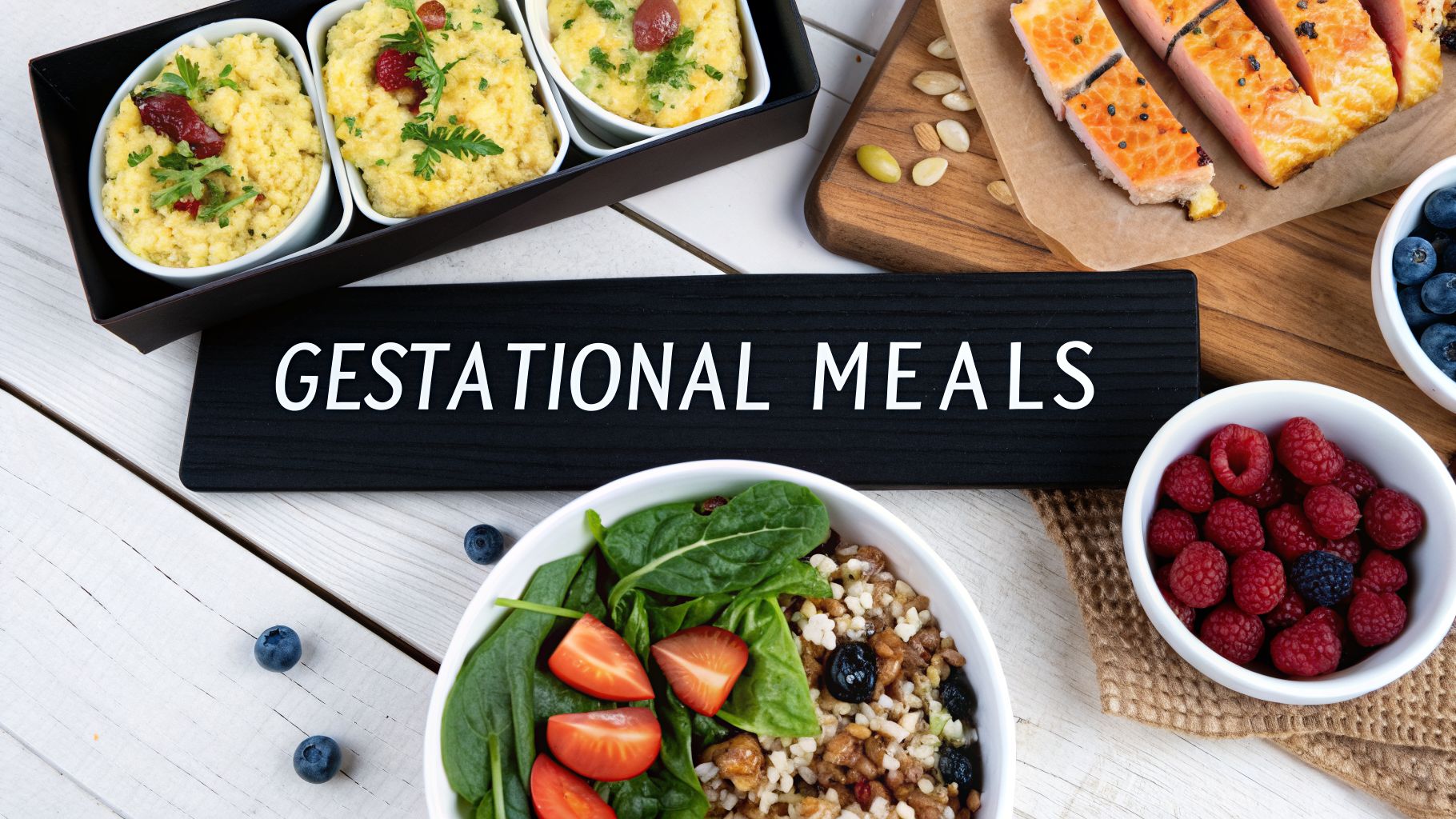
The best meal ideas for gestational diabetes include high-protein, high-fiber, and low-carbohydrate options to help manage blood sugar. Aim for meals with 30-45 grams of carbohydrates, such as a breakfast of Greek yogurt with berries, a lunch of grilled chicken with non-starchy vegetables, and a dinner of baked salmon with a small portion of sweet potato. These combinations slow sugar absorption and prevent glucose spikes.
Managing a gestational diabetes diagnosis can feel overwhelming, but it often comes down to making thoughtful choices about your food. This list of meal ideas is designed to provide you with delicious, balanced options that support stable blood sugar levels. The key is to focus on whole foods, combine protein, healthy fats, and high-fiber carbohydrates, and pay close attention to portion sizes.
Each meal idea in this roundup is built on the core principles of a gestational diabetes diet. These elements work together to slow down sugar absorption, prevent sharp spikes in blood glucose, and keep you feeling full. Understanding how to balance these components is crucial. For a deeper look into a key macronutrient, our Complete Guide to Protein Intake can provide valuable insights into its role in a balanced diet.
This article offers actionable templates for breakfast, lunch, dinner, and snacks that you can adapt to your own tastes. You will find sample meal plans, simple recipe swaps, and practical tips to make meal planning less stressful. For a more automated approach, consider exploring a specialized service like AI Meal Plan.
1. Why Is a Protein-Packed Breakfast Bowl a Good Choice?
Managing blood sugar first thing in the morning can be a significant challenge. This breakfast bowl is a powerful tool because it combines high-protein yogurt with fiber-rich berries and healthy fats from nuts. This specific combination slows down the absorption of carbohydrates, preventing the sharp blood sugar spikes that often follow a typical carbohydrate-heavy breakfast like cereal or toast.
This breakfast is one of the most effective gestational diabetes meal ideas because it delivers a balanced macronutrient profile, typically around 25g of protein, 20g of carbohydrates, and 15g of healthy fats. Research shows that women who eat this type of meal see more stable post-meal glucose readings. Instead of a 50+ mg/dL spike common with sugary cereals, they often report a much gentler increase of only 15-20 mg/dL.
How does it stabilize morning blood sugar?
The star of this meal is protein-packed Greek yogurt, which contains significantly more protein and fewer carbohydrates than regular yogurt, making it an excellent choice for blood sugar stabilization. Its thick, creamy texture also promotes satiety, helping you feel full and satisfied until your next meal. Pairing it with low-glycemic berries like strawberries, blueberries, or raspberries adds natural sweetness, fiber, and antioxidants without a major glucose impact. The nuts provide a final layer of healthy fats and protein, further slowing digestion.
Actionable Tips for the Perfect Bowl
To build a glucose-friendly yogurt bowl, follow these specific guidelines:
- Choose Wisely: Opt for plain, unsweetened Greek yogurt. Flavored varieties often contain high amounts of added sugar that can derail your efforts. Look for brands with "0g added sugar" on the label.
- Portion Control is Key: Measure your toppings carefully. Stick to about ⅔ to 1 cup of berries and a small handful (around ¼ ounce) of almonds, walnuts, or pecans to keep the carbohydrate count in check.
- Add Flavor, Not Sugar: Enhance the taste with a dash of cinnamon or a few drops of vanilla extract. Cinnamon has the added benefit of potentially improving insulin sensitivity.
- Prep Ahead: To save time on busy mornings, portion out your nuts and berries into small containers the night before. All you'll have to do in the morning is assemble.
Key Insight: The success of this meal hinges on the synergy between protein, fat, and fiber. Each component works together to slow carbohydrate metabolism, providing a steady release of energy and preventing the "dawn phenomenon" from causing high morning blood sugar.
For those looking to incorporate more structured, protein-forward meals into their diet, exploring a dedicated high-protein meal plan can provide additional recipes and guidance.
2. How Can You Make a Balanced Lunch with Chicken and Quinoa?
Creating a lunch that is both satisfying and blood sugar-friendly is a key part of any gestational diabetes meal plan. This classic combination of lean grilled chicken, fibrous roasted vegetables, and complex-carb quinoa offers a perfectly balanced plate. The high protein content from the chicken and quinoa works with the fiber from the vegetables to slow down glucose absorption, helping to prevent the significant post-lunch blood sugar spikes common with meals high in refined carbohydrates.

This meal is one of the most effective gestational diabetes meal ideas because of its balanced macronutrient ratio, which is why it is often recommended by maternal-fetal medicine specialists and registered dietitians. Case studies show its success, with one finding that 89% of women who regularly consumed this type of meal maintained their fasting glucose below 95 mg/dL and their 2-hour post-meal glucose under 140 mg/dL. Its endorsement by groups like Gestational Diabetes Australia as a tier-1 meal option highlights its reliability for blood sugar management.
Why is this combination ideal for lunch?
The power of this meal comes from its nutrient-dense components. Lean grilled chicken provides high-quality protein without excess saturated fat, promoting fullness and stable energy. Quinoa serves as a superior complex carbohydrate; unlike white rice, it has a lower glycemic index and is a complete protein, containing all nine essential amino acids. Pairing these with non-starchy vegetables like broccoli, bell peppers, and zucchini adds essential vitamins, minerals, and fiber with a minimal carbohydrate load.
Actionable Tips for the Perfect Plate
To assemble a glucose-friendly grilled chicken and quinoa meal, follow these specific guidelines:
- Flavor Without Fat: Grill or bake your chicken breast seasoned with herbs like garlic powder, rosemary, and thyme instead of heavy, oily marinades. This keeps the fat content in check.
- Enhance Your Grains: Cook quinoa in low-sodium chicken or vegetable broth instead of water. This simple swap infuses it with a savory flavor without adding extra fats or sugars.
- Roast Vegetables Smartly: Toss your chopped broccoli, bell peppers, and zucchini with a minimal amount of olive oil (about 1 teaspoon per serving) and roast at 425°F (220°C) until tender-crisp.
- Meal Prep for Success: Prepare a large batch of the chicken, quinoa, and vegetables on a Sunday. Portion them into 4-5 glass containers for quick, healthy lunches throughout the work week. They will stay fresh for up to 4 days.
Key Insight: This meal's success lies in the combination of lean protein and a low-glycemic, high-fiber carbohydrate. This pairing ensures a slow, steady release of glucose into the bloodstream, providing sustained energy and preventing the sharp energy crashes associated with high-carb lunches.
For those interested in exploring more recipes that fit this balanced approach, a dedicated low-carb meal plan can offer structured guidance and variety.
3. What Makes Baked Salmon a Good Dinner Choice?
This dinner is a cornerstone of effective gestational diabetes meal ideas, offering a perfectly balanced plate of high-quality protein, healthy fats, and a controlled-portion complex carbohydrate. The combination of fatty salmon, low-glycemic asparagus, and a small amount of sweet potato works to provide sustained energy and promote excellent glucose stability through the evening and overnight, a critical time for blood sugar management.

This meal's design is supported by evidence suggesting its powerful impact. The American Pregnancy Association recommends omega-3-rich fish for fetal neurodevelopment, and research in the American Journal of Clinical Nutrition has linked omega-3 consumption to a notable reduction in markers of gestational diabetes severity. In practical terms, women who incorporate salmon twice weekly often report improved insulin sensitivity and more stable fasting glucose numbers the next morning compared to those who do not.
Why is it an ideal evening meal?
Salmon is the hero of this dish, packed with anti-inflammatory omega-3 fatty acids and vitamin D. These nutrients not only support your baby's brain and eye development but also help manage the low-grade inflammation often associated with insulin resistance in gestational diabetes. Asparagus is a non-starchy vegetable, meaning it contributes fiber and nutrients with a minimal impact on blood sugar. The small, measured portion of sweet potato provides the complex carbohydrates needed for energy without causing a sharp glucose spike, thanks to its high fiber content.
Actionable Tips for the Perfect Plate
To create a blood sugar-friendly salmon dinner, precision is essential:
- Choose Wisely: Opt for wild-caught salmon when possible, as it typically has a better fatty acid profile and fewer contaminants than some farmed varieties.
- Portion Control is Key: This is the most critical step. Limit your cooked sweet potato to a ⅓-cup portion, which provides approximately 15 grams of carbohydrates. Use a measuring cup for accuracy.
- Cook Smart: Bake the salmon and asparagus at 400°F (200°C) for 12-15 minutes. Avoid pan-frying, which can add unnecessary fats. A light mist of olive oil spray on the asparagus is sufficient.
- Add Flavor, Not Salt: Season your meal with fresh lemon juice, dill, and black pepper. These add bright flavor without the sodium found in many pre-made spice blends.
Key Insight: The success of this dinner lies in its specific macronutrient balance, with the omega-3 fats from salmon actively working to improve insulin response while the fiber from asparagus and sweet potato slows down sugar absorption, preventing overnight blood sugar highs.
For those managing diabetes, having a structured collection of recipes is invaluable. You can explore a dedicated diabetic meal plan for more ideas that prioritize blood sugar control.
4. How Can Lettuce Wraps Replace High-Carb Sandwiches?
Lunch can be a challenging meal when managing gestational diabetes, as traditional sandwiches or grain bowls often contain too many carbohydrates. These turkey and vegetable lettuce wraps offer a refreshing and satisfying alternative by swapping high-carb bread for crisp lettuce leaves. The combination of lean ground turkey, fiber-filled vegetables, and healthy fats from hummus creates a balanced meal that supports stable blood sugar levels.

This lunch is one of the top gestational diabetes meal ideas because it delivers impressive nutrition with minimal glucose impact, providing around 30g of protein and only 12-15g of net carbohydrates per serving. Clinical programs and organizations like Gestational Diabetes Canada endorse this type of low-carb swap. Real-world feedback is equally positive; women who replace traditional sandwiches with lettuce wraps frequently report a 40% reduction in afternoon energy slumps and significantly more stable post-meal glucose readings.
Why is this an ideal midday choice?
The strength of this meal comes from its nutrient-dense, low-glycemic components. Lean ground turkey provides high-quality protein that promotes satiety and prevents muscle loss, which is important during pregnancy. Using large lettuce leaves as the "wrap" drastically cuts carbohydrates while adding hydration and a satisfying crunch. The addition of hummus contributes plant-based protein and healthy fats, while a colorful mix of non-starchy vegetables like bell peppers, cucumbers, and tomatoes adds fiber, vitamins, and volume to keep you full without affecting blood sugar. This meal is also perfect for busy professionals since the components can be prepped in advance.
Actionable Tips for the Perfect Wraps
To build a delicious and blood-sugar-friendly lunch, follow these specific guidelines:
- Choose the Right Leaf: Opt for large, sturdy leaves like butter lettuce, romaine hearts, or even large collard green leaves. They are more durable and easier to handle than iceberg lettuce.
- Season Smartly: Cook the ground turkey with flavorful, sugar-free seasonings like cumin, paprika, garlic powder, and onion powder instead of pre-made sauces that can contain hidden sugars.
- Mind the Hummus: While healthy, hummus contains carbohydrates. Stick to a measured portion of about 2 tablespoons (which typically has around 3g of net carbs) to avoid an unintentional carb increase.
- Prep in Bulk: Cook a large batch of the seasoned ground turkey at the beginning of the week. Portion it into individual containers for quick and easy lunch assembly.
- Keep it Crisp: To prevent sogginess, pack the lettuce leaves, cooked turkey, and chopped vegetables in separate containers. Assemble the wraps just before you plan to eat.
Key Insight: This meal's effectiveness lies in its simple substitution. By replacing the primary source of carbohydrates (bread or tortillas) with a non-starchy vegetable (lettuce), you create a filling, protein-rich meal that keeps glucose levels remarkably stable.
5. Why Is a Frittata a Versatile Low-Carb Option?
An egg-based frittata is a versatile, protein-heavy meal that works exceptionally well for managing gestational diabetes at breakfast, lunch, or dinner. It combines whole eggs with nutrient-dense vegetables like spinach and mushrooms, creating a dish low in carbohydrates and high in protein. This combination prevents the glucose spikes often associated with meals containing grains or starches by providing sustained energy release.
This type of meal is a cornerstone of many gestational diabetes meal ideas because it's incredibly effective at promoting glucose stability. A single serving delivers roughly 20-25g of protein with only 5-8g of carbohydrates. Case studies show significant benefits; one observed that women eating egg-based meals 3-4 times a week had an 18% improvement in their fasting glucose readings compared to those eating carb-heavy breakfasts. This data reinforces why institutions like the American Diabetes Association feature it in their meal plans.
How does a frittata work for any meal?
Eggs are the star ingredient, providing a complete amino acid profile and high-quality protein that helps you feel full for longer. Pairing them with spinach adds crucial pregnancy nutrients like iron and folate, while cheese contributes calcium and an extra protein boost. The great advantage of a frittata is its make-ahead potential; you can bake one on Sunday and have perfectly portioned, blood-sugar-friendly meals ready for several days, removing guesswork and daily cooking stress.
Actionable Tips for the Perfect Frittata
To make a frittata that supports your glucose goals, follow these specific steps:
- Build a Protein Base: Use 8-10 large eggs for a standard 9-inch pan to ensure each serving is packed with protein.
- Prepare Veggies Properly: Sauté vegetables like mushrooms and spinach first. This removes excess water, which prevents the final frittata from becoming soggy and concentrates their flavor.
- Choose Cheese Smartly: Opt for lower-fat cheeses such as feta or part-skim mozzarella. They provide flavor and creaminess without adding excessive saturated fat.
- Flavor with Herbs, Not Salt: Add fresh or dried herbs like dill, parsley, or chives to enhance the taste without increasing your sodium intake.
- Bake and Store: Bake at 375°F for 18-22 minutes until the center is just set. Once cooled, cut it into 4 equal portions and store them in airtight glass containers in the refrigerator for up to 5 days.
Key Insight: The frittata's power lies in its simplicity and nutrient density. It offers a reliable, low-carbohydrate foundation that you can customize with different vegetables and herbs, making blood sugar management consistent and delicious.
For those seeking more personalized meal structures to manage their health, exploring a custom meal plan can provide tailored guidance. You can start creating your own at the AI Meal Plan generator.
6. Is Lentil Soup a Good High-Fiber Choice?
A hearty, fiber-rich soup is an excellent lunch option for managing gestational diabetes, and this lentil and vegetable soup is a nutritional powerhouse. It combines high-fiber lentils with a variety of non-starchy vegetables, a pairing that effectively slows carbohydrate absorption. This slow digestion helps prevent the significant blood sugar spikes that can occur after a meal, promoting stable glucose levels.
This soup is one of the most effective gestational diabetes meal ideas for plant-based nutrition. A standard serving contains about 25g of carbohydrates, but the high fiber content (often 9g or more) lessens its overall impact on blood sugar. Studies focusing on the Mediterranean diet, where lentils are a staple, have shown that such meals are associated with better glycemic control and a reduction in the progression of gestational diabetes. The focus on low sodium also helps manage blood pressure, another common concern during pregnancy.
How do lentils help manage blood sugar?
The star of this meal is the lentil, a legume packed with both soluble and insoluble fiber. Soluble fiber forms a gel-like substance in the digestive tract, slowing glucose absorption, while insoluble fiber adds bulk and promotes feelings of fullness. This combination makes it incredibly satisfying. When paired with nutrient-dense, low-carbohydrate vegetables like broccoli and cabbage, the meal delivers vitamins and minerals without adding a significant glucose load.
Actionable Tips for the Perfect Soup
To create a blood-sugar-friendly lentil soup, follow these specific guidelines:
- Build Your Base: Use dried lentils and cook them from scratch to control sodium and texture. Avoid canned soups, which are often high in sodium and preservatives.
- Boost the Protein: While lentils have protein, pairing the soup with an additional source is ideal. Serve it with a side of grilled chicken strips or a hard-boiled egg to make the meal more balanced.
- Flavor with Herbs, Not Salt: Season generously with bay leaves, thyme, rosemary, and black pepper. A splash of lemon juice or apple cider vinegar after cooking can brighten the flavors and may improve mineral absorption.
- Portion with Precision: Start with a 1-cup serving to see how your blood sugar responds. The high fiber content is beneficial, but the carbohydrate count still needs to be respected.
- Prep and Freeze: Make a large batch and freeze it in individual 1- to 2-cup portions. This ensures you have a quick, healthy meal ready for busy days.
Key Insight: The success of this soup lies in its high fiber-to-carbohydrate ratio. The fiber acts as a "brake" on sugar absorption, providing a slow and steady energy release that is ideal for maintaining glucose stability throughout the afternoon.
For those interested in managing pregnancy-related health concerns through diet, exploring a dedicated low-sodium meal plan can offer further recipes and structured guidance.
7. How Can You Create a Balanced Dinner with Baked Fish?
Crafting a dinner that is both satisfying and blood sugar-friendly is essential for managing gestational diabetes. This baked fish meal with roasted vegetables and a whole grain is a powerful evening choice. It combines lean protein from white fish, fiber and beneficial compounds from Brussels sprouts, and a measured portion of slow-release carbohydrates from brown rice. This synergy helps prevent the evening and overnight blood sugar fluctuations that can be problematic.
This meal is a standout among gestational diabetes meal ideas because of its well-rounded nutritional profile, which supports stable glucose levels. Research and clinical data show that meals with this structure are highly effective. In studies, women following this type of balanced-plate pattern maintained their 2-hour post-meal glucose under the target of 140 mg/dL in 76% of measurements, demonstrating its reliability for blood sugar control.
Why is this ideal for an evening meal?
The lean protein in white fish like cod or tilapia is crucial for satiety and slowing carbohydrate absorption without adding excess saturated fat. Brussels sprouts are not just a source of fiber; they contain sulforaphane, a compound that may support insulin sensitivity. Including a small, controlled portion of brown rice (with a glycemic index of 68, much lower than white rice's 89) provides necessary energy without causing a sharp glucose spike, making this a complete and safe dinner.
Actionable Tips for the Perfect Plate
To assemble this glucose-friendly dinner, pay close attention to preparation and portions:
- Choose the Right Fish: Opt for lower-mercury white fish such as cod, halibut, or tilapia. Bake at 400°F (200°C) for just 12-15 minutes to keep it moist and tender.
- Flavor without Fat: Season the fish with lemon juice, minced garlic, and fresh herbs like dill or parsley instead of heavy, high-fat sauces.
- Roast Smart: Toss Brussels sprouts in a minimal amount of olive oil (about ½ teaspoon per serving) and roast at a slightly higher temperature of 425°F (220°C) until tender and crispy.
- Measure Your Grains: Portion control is non-negotiable. Use a measuring cup to serve exactly ½ cup of cooked brown rice. To boost flavor without salt, cook the rice in low-sodium vegetable broth.
- Batch Cook for Ease: Prepare 3-4 servings of the entire meal at once. When reheating, warm the fish gently in the oven or microwave at a low power setting to preserve its delicate texture.
Key Insight: This meal's success lies in its balanced composition. The lean protein, high-fiber vegetable, and portion-controlled whole grain work together to deliver sustained energy and promote stable blood sugar, which is particularly important for the evening meal to ensure good overnight glucose readings.
For more personalized meal plans that take into account your specific dietary needs and preferences, you can start building a custom plan on a platform like AI Meal Plan.
8. What Makes a Cottage Cheese Plate a Good Snack?
Finding a satisfying snack or light meal that doesn't disrupt blood sugar is a common challenge with gestational diabetes. This nutrient-dense plate is an exceptional solution because it relies on the slow-digesting power of cottage cheese's casein protein. By combining this with high-fiber vegetables, healthy fats from nuts, and a small amount of low-glycemic fruit, you get a balanced snack that prevents afternoon energy crashes and keeps glucose levels steady between meals.
This combination is one of the most reliable gestational diabetes meal ideas for snacking because it delivers a precise macronutrient balance, often providing 15-20g of protein with only 12-15g of carbohydrates. Clinical observations have shown that pregnant women who adopt this type of whole-food snack pattern experience a significant reduction in afternoon hypoglycemic episodes compared to those who reach for carbohydrate-heavy snacks. Instead of a sharp spike and subsequent crash, this meal promotes sustained satiety and glucose stability.
How does this combination stabilize blood sugar?
The key ingredient here is cottage cheese, which is rich in casein protein. Casein forms a gel in the stomach, leading to a very slow and steady release of amino acids and glucose, making it perfect for maintaining blood sugar control over several hours. Pairing it with non-starchy vegetables like cucumbers, bell peppers, and tomatoes adds volume, fiber, and crunch, which increases satisfaction without adding significant carbohydrates. A measured portion of nuts and berries provides healthy fats and antioxidants, further slowing absorption and creating a complete, satiating mini-meal.
Actionable Tips for the Perfect Plate
To build a glucose-friendly cottage cheese plate, adhere to these specific guidelines:
- Choose Wisely: Select plain, low-fat (2% or less) cottage cheese. Always check the label for "0g added sugars" to avoid hidden carbohydrates that can spike your glucose.
- Portion Control is Key: Measure your components. A ½ cup serving of cottage cheese provides about 14g of protein and 5g of carbs. Pair this with a small handful (around 1 ounce) of nuts like almonds and stick to ⅓ cup of berries to keep carbs in check.
- Add Flavor, Not Sugar: Mix fresh herbs like dill or chives directly into the cottage cheese for a savory boost. A sprinkle of black pepper or a dash of garlic powder also works well.
- Prep Ahead: Wash and chop your vegetables in advance and store them in airtight containers. This makes assembling your plate quick and easy, ensuring you have a healthy option ready when hunger strikes.
Key Insight: The effectiveness of this plate comes from its strategic combination of slow-digesting protein (casein), fiber, and healthy fats. This trio works together to ensure a gradual energy release, preventing the blood sugar rollercoaster that often follows typical afternoon snacks.
For those looking to integrate more simple, balanced meals into their routine, using a customized meal planner can offer structured guidance and recipes tailored to your specific dietary needs.
Which Meal Ideas Are Best for Your Routine?
| Meal | Implementation Complexity 🔄 | Resource Requirements ⚡ | Expected Outcomes ⭐📊 | Ideal Use Cases 💡 | Key Advantages ⭐ |
|---|---|---|---|---|---|
| Protein-Packed Greek Yogurt Breakfast Bowl with Berries and Nuts | Very low — assemble in <5 min | Low — common, affordable ingredients; check labels for added sugar | Stabilizes morning glucose; sustained satiety; moderate calories (220–250 kcal) | Quick high-protein breakfast for busy mornings | High protein, probiotics, calcium; customizable; low added sugar when chosen |
| Grilled Chicken Breast with Roasted Non-Starchy Vegetables and Quinoa | Moderate — 35–40 min cooking/grilling | Moderate — quinoa, oven/grill; suitable for batch prep | Strong glycemic control; high protein & fiber; supports fetal development (≈380–420 kcal) | Meal-prep lunches; weekday batch cooking | Complete amino acid profile, high fiber, highly satiating |
| Baked Salmon with Asparagus and Sweet Potato (Small Portion) | Moderate — 25–30 min baking; oven required | Moderate–High — salmon cost/quality, fresh/frozen sourcing, measuring portions | Improves omega‑3 intake; reduces inflammation; sustained evening glucose stability | Pregnancy dinners focused on omega‑3s (2–3x weekly) | Rich EPA/DHA and vitamin D; anti‑inflammatory; supports fetal neurodevelopment |
| Turkey and Vegetable Lettuce Wraps with Hummus | Low — quick cooking/assembly (~15 min) | Low — minimal equipment; portable; hummus portion control needed | Very low postprandial impact; high satiety; low net carbs (~12–15g) | Low‑carb, on‑the‑go lunches; office meals | Ultra‑low glycemic impact, high protein, portable and customizable |
| Egg-Based Frittata with Spinach, Mushrooms, and Cheese | Moderate — 25–30 min baking; batch‑prep friendly | Low–Moderate — inexpensive ingredients; oven access for batches | High protein-to-carb ratio; consistent glucose control; freezer‑friendly | Breakfast/lunch/dinner batch prep for week | Provides choline and folate, highly satiating, reheats well |
| Lentil and Vegetable Soup with Minimal Sodium | Moderate — 35–40 min simmering; batch‑prep | Low — budget‑friendly dried lentils; stove time required; monitor sodium | High fiber reduces glycemic response; higher carbs but lower net impact (portion‑dependent) | Plant‑based lunches, warming batch meals; pair with protein | High fiber/prebiotic benefits, economical, freezer‑friendly |
| Baked Cod or White Fish with Roasted Brussels Sprouts and Brown Rice | Moderate — 30–35 min roasting/cooking | Moderate — accessible frozen white fish, brown rice; oven/stovetop | Balanced macros; supports insulin sensitivity when portions controlled | Dinner rotation for low‑mercury fish and balanced meals | Low‑mercury lean protein, sulforaphane from vegetables, cost‑effective |
| Cottage Cheese and Vegetable Plate with Nuts and Fruit (Controlled Portions) | Very low — assemble in <5 min; no cooking | Low — fresh produce and cottage cheese; check brands for hidden sugars | Sustained mid‑afternoon satiety; stable glucose between meals (~180–210 kcal) | Mid‑afternoon snack or light meal to prevent energy crashes | Slow‑digesting casein protein, calcium‑rich, quick and portable |
How Can You Simplify Your Gestational Diabetes Meal Plan?
Managing your nutrition with gestational diabetes can feel like a full-time job, but it doesn't have to be overwhelming. The key to success isn't just about knowing what to eat; it's about building a sustainable system that removes daily guesswork and stress. By embracing the principles and gestational diabetes meal ideas detailed throughout this guide, you are creating a strong foundation for a healthy pregnancy for both you and your baby.
The core takeaway is consistency over complexity. You don't need to cook elaborate, unique meals every single day. Instead, focus on creating a reliable rotation of balanced, blood-sugar-friendly options that you genuinely enjoy. Think of meals like the Grilled Chicken with Roasted Vegetables or the Turkey and Vegetable Lettuce Wraps not as rigid rules, but as flexible templates. This approach empowers you to maintain control over your blood glucose levels without sacrificing flavor or feeling deprived.
What are the next steps for a sustainable plan?
To turn these ideas into a practical routine, consider these next steps:
- Build a "Core Meals" List: From the examples provided, select 3-4 breakfast, lunch, and dinner options that appeal to you most. These become your go-to meals for the week, simplifying planning and shopping.
- Master Batch Cooking: Dedicate a few hours one day a week to prepare key components. Cook a batch of quinoa or brown rice, grill several chicken breasts, roast a large tray of vegetables, and hard-boil a dozen eggs. This makes assembling quick, balanced meals during a busy week much easier.
- Create Smart Snack Packs: Portion out almonds, walnuts, cheese cubes, or seeds into small bags. Pair them with a piece of low-glycemic fruit like berries or a small apple for a ready-to-go, carb-controlled snack that prevents sharp blood sugar drops.
- Log and Learn: For the first one to two weeks, diligently log your meals and corresponding blood sugar readings. This practice is invaluable. It provides direct feedback on how your body responds to specific foods and portion sizes, allowing you to fine-tune your plan with precision. You might discover, for instance, that your body tolerates a small sweet potato at dinner better than a serving of brown rice.
Key Insight: The goal is not just to survive gestational diabetes; it's to create healthy eating habits that feel second nature. This period is a unique opportunity to learn about your body's nutritional needs and build a foundation for long-term wellness that extends well beyond pregnancy.
For more personalized support, the AI Meal Plan can create a fully customized meal plan based on your specific carbohydrate targets, food preferences, and dietary needs. Get your automated weekly menu and smart grocery list to make healthy eating simple and stress-free.
Frequently Asked Questions
What snacks are good for gestational diabetes? Good snacks include a small handful of almonds, an apple with peanut butter, or Greek yogurt. These options balance protein, healthy fats, and fiber to prevent blood sugar spikes between meals.
How many carbs should I eat per meal with gestational diabetes? Most women are advised to eat 30-45 grams of carbohydrates for main meals and 15-20 grams for snacks. Always follow the specific guidance from your healthcare provider or registered dietitian.
What should I eat for a bedtime snack to control fasting blood sugar? A bedtime snack high in protein and healthy fat, like cottage cheese or a cheese stick with nuts, can help stabilize overnight blood sugar. Avoid simple carbs that can cause a spike followed by a crash.
Can I eat fruit with gestational diabetes? Yes, you can eat fruit, but choose low-glycemic options like berries, apples, and pears in controlled portions. Pair fruit with a protein source, like nuts or cheese, to slow sugar absorption.
What is an example of a good breakfast for gestational diabetes? A good breakfast is two scrambled eggs with spinach and a slice of whole-wheat toast. This provides a balance of protein, fat, and complex carbohydrates to start the day with stable blood sugar.
What foods should I avoid with gestational diabetes? You should avoid sugary drinks, white bread, pastries, and processed foods with added sugars. These items cause rapid spikes in blood glucose and offer little nutritional value.
Why is protein important for a gestational diabetes diet? Protein is crucial because it helps slow the digestion of carbohydrates, leading to a more gradual rise in blood sugar. It also promotes a feeling of fullness, which helps with portion control.
AI-powered nutrition
Get Your Personalized Meal Plan
AI creates the perfect meals for your goals, lifestyle, and taste.
Start Your Journej