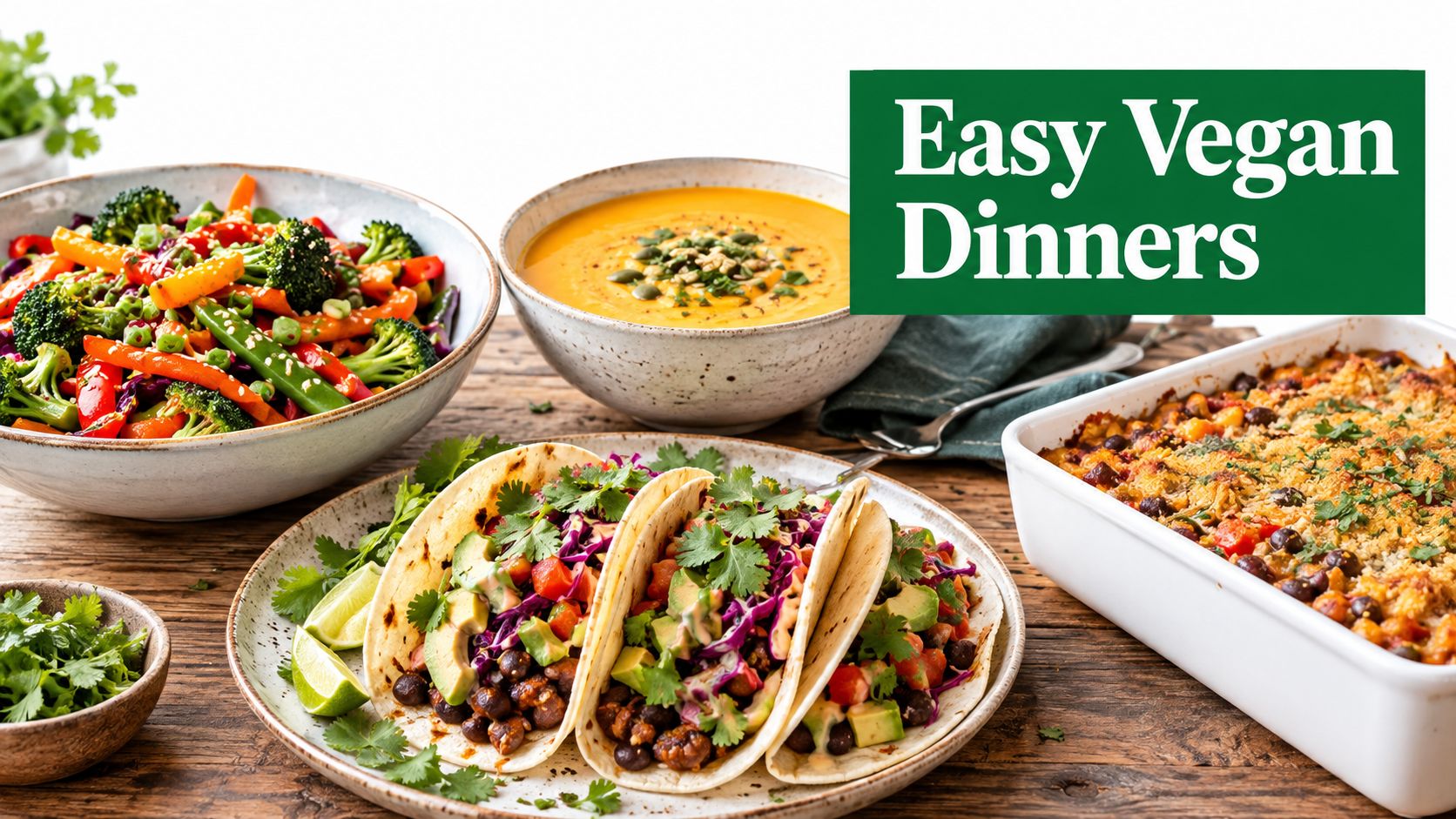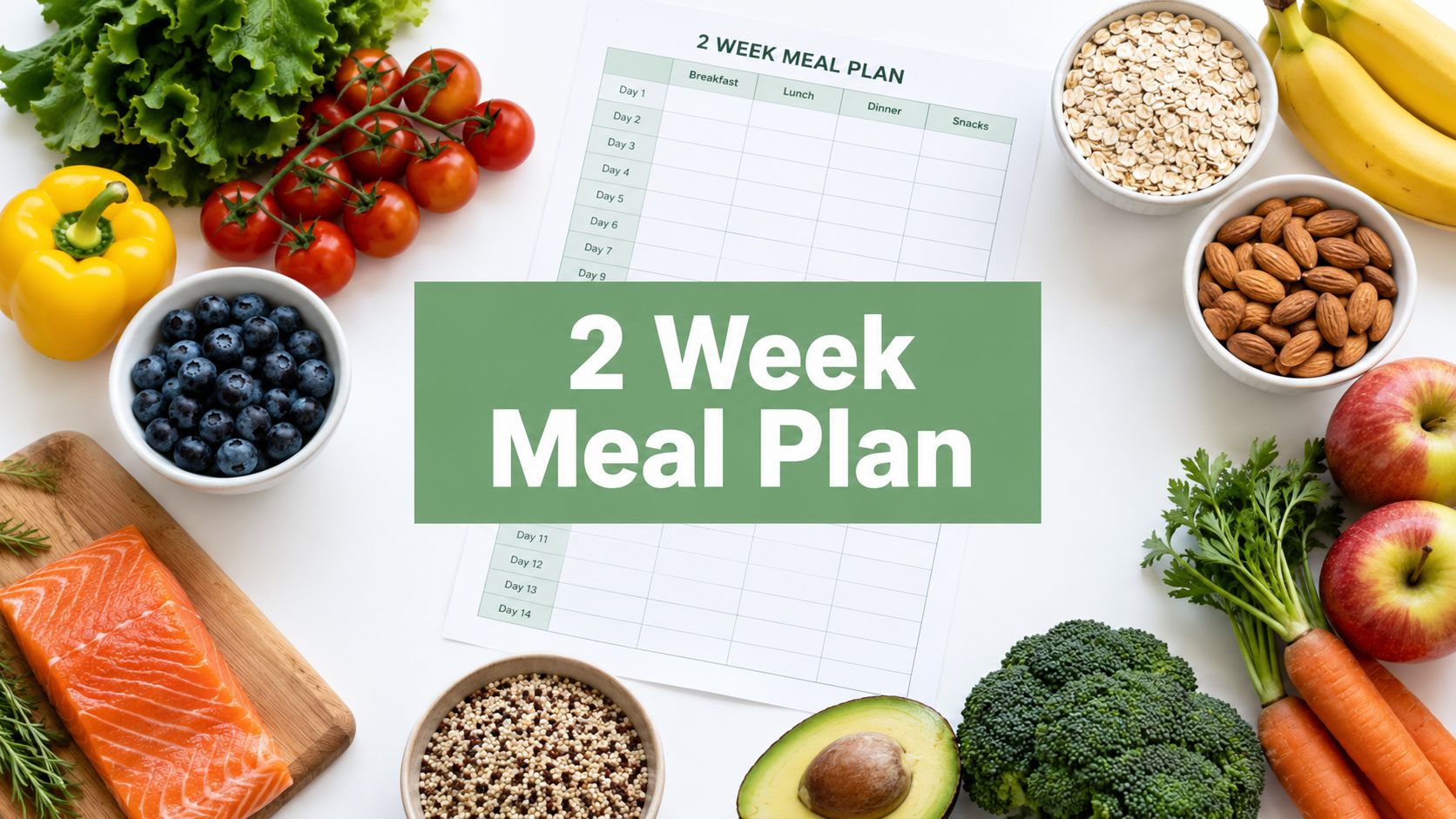
A good 7-day dairy free gluten free meal plan focuses on whole foods like fruits, vegetables, lean proteins, and healthy fats. To start, plan 3 meals and 1 snack per day, including options like scrambled eggs for breakfast, a grilled chicken salad for lunch, and baked salmon with quinoa for dinner. This structure ensures balanced nutrition and makes grocery shopping straightforward.
Going dairy-free and gluten-free doesn't mean your meals have to be a drag. This guide provides a blueprint built for real life, packed with satisfying meals that are quick to prepare. Forget about feeling restricted; this is about discovering how vibrant and flavorful your food can be.
What Does a Sample 7-Day Plan Look Like?

Jumping into a new way of eating can feel overwhelming, but a solid blueprint makes all the difference. This isn’t about rigid rules or complicated recipes. It’s about building your plate around foods that are naturally compliant and incredibly good for you.
This sample plan is designed to show you what’s possible. It’s your starting point, packed with variety to keep things interesting and balanced to keep you feeling your best. The goal? To prove that you can eliminate common triggers without sacrificing flavor or spending your entire day in the kitchen.
What Is the Philosophy Behind This Meal Plan?
A plan is only as good as its execution, and simplicity is the key to consistency. This meal plan was built with a few core principles in mind to make it as easy and enjoyable as possible.
We’re not reinventing the wheel, just making smart, effective choices.
- Focus on Whole Foods: The meals are built around a foundation of unprocessed ingredients—fruits, veggies, lean meats, fish, and legumes. This is the fastest way to get nutrient-dense, compliant meals on the table.
- Embrace Smart Swaps: We’re not giving up favorites, just swapping the components. Think zucchini noodles or chickpea pasta instead of wheat, and creamy almond or coconut milk instead of dairy.
- Build Flavor from Scratch: Forget pre-made sauces that hide gluten and dairy. We’re using fresh herbs, spices, and simple homemade dressings to create incredible flavor.
The only meal plan that works is the one you can actually stick to. This is your foundation for discovering a new, healthier relationship with food—one that’s practical, enjoyable, and fits into your real life.
Following this structure helps you internalize the process of building balanced meals. It's less about memorizing recipes and more about learning a new, intuitive way of thinking about food.
A Sample 7-Day Dairy Free Gluten Free Meal Plan
Here’s a look at a week of balanced, delicious, and completely dairy-free, gluten-free meals. Each day maps out breakfast, lunch, dinner, and a snack to keep you fueled and satisfied.
For more detailed recipes and variations, you can explore our complete guide to a personalized gluten-free meal plan.
| Day | Breakfast | Lunch | Dinner | Snack |
|---|---|---|---|---|
| Day 1 | Scrambled eggs with spinach and a side of gluten-free toast with avocado. | Grilled chicken salad with mixed greens, cucumber, tomatoes, and a lemon-vinaigrette dressing. | Baked salmon seasoned with dill, served with roasted asparagus and quinoa. | Apple slices with almond butter. |
| Day 2 | Smoothie made with banana, spinach, almond milk, and a scoop of plant-based protein powder. | Leftover baked salmon and quinoa salad from the previous night, served cold. | Turkey and black bean chili topped with fresh cilantro and a dollop of dairy-free sour cream. | Handful of mixed nuts and seeds. |
| Day 3 | Gluten-free oatmeal topped with fresh berries, chia seeds, and a drizzle of maple syrup. | Lentil soup with a side of mixed greens and a simple olive oil dressing. | Sheet pan chicken fajitas with bell peppers and onions, served with corn tortillas and guacamole. | Rice cakes with mashed avocado. |
| Day 4 | Chia seed pudding made with coconut milk and topped with sliced mango and toasted coconut flakes. | Tuna salad (made with dairy-free mayo) in lettuce wraps, with carrot and celery sticks. | Pork chops with a side of baked sweet potato and steamed green beans. | Hard-boiled egg. |
| Day 5 | Smoothie bowl with mixed berries, almond milk, and topped with gluten-free granola and seeds. | Quinoa bowl with roasted chickpeas, cucumber, Kalamata olives, and a tahini dressing. | Beef stir-fry with broccoli, snap peas, and bell peppers, using a gluten-free soy sauce alternative. | A pear with a small handful of walnuts. |
| Day 6 | Gluten-free pancakes made with a banana-egg batter, topped with fresh strawberries. | Leftover beef stir-fry from dinner. | Grilled shrimp skewers with zucchini and cherry tomatoes, served over brown rice. | Sliced cucumber with hummus. |
| Day 7 | Tofu scramble with turmeric, black salt, and chopped vegetables like onions and bell peppers. | A large salad with grilled chicken strips, avocado, corn, black beans, and a lime-based dressing. | Baked cod with roasted Brussels sprouts and a side of herbed potatoes. | A small bowl of mixed berries. |
You’ll notice this plan is intentionally designed with leftovers in mind. Cooking a little extra dinner is one of the oldest and best meal prep hacks for a reason—it simplifies your workday lunches immensely.
Many meals also share core ingredients, which helps streamline your grocery list, cut down on prep time, and minimize food waste. It’s about working smarter, not harder.
How Do You Create a Smart Grocery List?
Walking into a grocery store with new dietary rules can be daunting. The key is to focus on what you can build your meals with, not what you're losing. A smart grocery list is your best defense against decision fatigue and overspending.
First, you must become a label detective. Look beyond a quick scan for "contains milk" or "contains wheat." Dairy often hides as casein or whey, while gluten can be found in soy sauce, salad dressings, soups, and spice blends.
How Should You Build Your Cart?
The easiest way to stay on track is to load up on foods that are naturally gluten-free and dairy-free. This means spending most of your time on the perimeter of the store, where the fresh, unprocessed foods are.
- Fresh Produce: Get a ton of colorful vegetables and fruits. They should be the foundation of almost every meal.
- Lean Proteins: Stick with unprocessed chicken, fish, beef, pork, and eggs. These are your safest and most reliable allies.
- Legumes: Lentils, chickpeas, and black beans are fantastic for adding fiber and plant-based protein.
Focusing on the perimeter drastically cuts down on the time you spend reading labels. Once your cart is full of these whole-food staples, you can then venture into the center aisles for a few specific certified products you might need.
Key Insight: Aim to build 70-80% of your grocery list from naturally gluten-free and dairy-free whole foods. This not only minimizes label-reading but also lowers costs and guarantees a nutrient-dense base for every single meal.
How Can You Stock Your Pantry for Success?
A well-stocked pantry is your secret weapon against the temptation of last-minute takeout. When you have the right staples ready to go, you're always just a few minutes away from pulling together a delicious, compliant meal.
Essential Pantry Staples:
- Gluten-Free Grains: Quinoa, brown rice, certified gluten-free oats, and buckwheat.
- Healthy Fats: Olive oil, avocado oil, coconut oil, nuts, and seeds.
- Dairy-Free Milks: Unsweetened almond, coconut, or oat milk for smoothies, oatmeal, and baking.
- Canned Goods: Full-fat coconut milk is a lifesaver for curries and sauces. Also, keep canned tomatoes and beans on hand.
- Flavor Boosters: Gluten-free tamari or coconut aminos, various vinegars, and a solid collection of herbs and spices.
Don't forget to explore new ingredients. When you're building your list, looking for specialty ingredients like carob can be a game-changer for desserts and snacks, making the whole process feel less restrictive and more exciting.
The market for these products is booming. The global gluten-free products market is on track to hit $36 billion by 2026, with an explosion in bakery items. For anyone using tools like AI Meal Planner, this means a constantly growing variety of options that make shopping easier than ever. You can learn more and get started at https://ai-mealplan.com/onboarding.
How Can You Shop Smart and Save Money?
Going gluten-free and dairy-free doesn't have to decimate your wallet. With a few practical habits, you can keep your food budget in check without compromising on quality.
One of the best strategies is planning your meals around what's in season; seasonal produce is almost always cheaper and tastes better. Buying items like gluten-free grains and nuts in bulk can also lead to huge savings over time. And don't sleep on the frozen food aisle—frozen fruits and veggies are just as nutritious as fresh, and they’re perfect for reducing food waste.
For a deeper dive into stretching your dollar, check out our complete guide on creating a budget-friendly dairy free gluten free meal plan.
How Can Meal Prep Simplify Your Week?
When your schedule is packed, sticking to a dairy-free, gluten-free plan can feel like a constant battle. Meal prep is the most powerful strategy for taking back your week. It cuts down stress and ensures you always have a compliant meal ready when you need it. Just 2-3 hours on a Sunday can set you up for success.
This isn't about cooking seven different dinners and stacking them in the fridge. The secret is prepping versatile components that you can mix and match. I call it the batch-prep method, and it’s the key to keeping things interesting while staying on track.
What Is the Component-Based Prep Method?
The most efficient way to tackle prep is by thinking in categories: grains, proteins, and vegetables. By cooking each category in a big batch, you’re creating a "food toolkit" for the week.
First, get your grains going. While a big pot of brown rice or quinoa simmers, you can turn your attention to the veggies. Wash, chop, and store everything you'll need—dicing onions, slicing bell peppers, chopping broccoli. This one step is a massive timesaver on a busy weeknight.
Next, cook your proteins. You could grill several chicken breasts, bake a few salmon fillets, or press and bake a block of tofu. Having these cooked and ready to go makes pulling together lunches and dinners incredibly fast.
What Are the Best Storage and Assembly Tips?
How you store your food is just as important as how you cook it. The goal is to keep everything fresh and appealing all week long. Airtight glass containers are a fantastic investment; they don't hold onto stains or smells like plastic can.
Here’s a simple trick: store chopped carrots and celery in a container of water to keep them perfectly crisp. For leafy greens, wash and dry them completely before storing them in a bag with a paper towel to absorb extra moisture.
Key Takeaway: The point of meal prep isn't to eat the same boring meal every day. It's to have a fridge full of possibilities. That prepped chicken, roasted veggies, and quinoa can become a hearty salad on Monday, a warm grain bowl on Tuesday, and a savory filling for corn tortillas on Wednesday.
This process starts at the grocery store. Having a smart plan before you walk in is the foundation of a successful prep session.

Following this simple flow turns a chaotic shopping trip into a focused, time-saving mission.
How Can Quick Recipes and Modern Tools Help?
The demand for convenient, healthy food is surging. The prepared gluten-free foods market is projected to hit $9.64 billion by 2026, with ready-to-eat meals leading the charge. This trend underscores how much people need fast, reliable meal solutions that fit their lifestyle.
This is where technology can be a game-changer. By combining your batch-prepped ingredients with quick-cook recipes designed to be made in under 30 minutes, you can get a fresh, home-cooked meal on the table faster than ordering takeout.
If you’re looking to take the guesswork out of planning, you can explore our suite of meal planning tools to further streamline the entire process.
How Do You Adjust the Plan for Your Goals?
Think of this meal plan as a starting point, not a rigid set of rules. The real magic happens when you customize it to fit your body and goals. Whether you want to lose weight, build muscle, or maintain your physique, tailoring this plan is straightforward. It’s all about making smart adjustments to your macros—protein, carbs, and fats.
How Do You Align Your Plan with Weight Loss Goals?
When weight loss is the goal, aim for a gentle, sustainable calorie deficit. This isn’t about starvation; it’s about being strategic.
An effective tactic is to slightly shrink your portions of carb-heavy foods like rice and potatoes. Fill that space with fiber-packed, non-starchy veggies like leafy greens, broccoli, or bell peppers. Your plate will still look full, but you've naturally cut the overall calorie count.
Another game-changer is making lean protein the star of every meal. Protein keeps you feeling fuller for longer, which is your secret weapon against cravings. A palm-sized portion of chicken, fish, or legumes at each meal can make a huge difference in managing hunger.
Pro Tip: Don't cut out fats entirely! Healthy fats from avocado, nuts, and olive oil are vital for hormone health and satiety. The key is mindfulness, not elimination. Since they're calorie-dense, just be aware of your portion sizes.
How Can You Modify the Plan for Muscle Gain?
If you're hitting the gym to build strength, your nutrition needs to support muscle growth and repair. This means increasing both your calories and, most importantly, your protein.
Your top priority is upping your protein. Try to get a solid source with every single meal and snack. This could be as simple as adding an extra egg to your breakfast, a bigger piece of chicken at lunch, or blending a plant-based protein shake after your workout. You can find more ideas in this high-protein dairy free gluten free meal plan.
To power through tough workouts, you’ll also need plenty of quality carbohydrates. Focus on nutrient-rich, gluten-free sources like sweet potatoes, quinoa, and brown rice, especially in the meals surrounding your training sessions. This ensures your muscles have the glycogen they need to perform and rebuild.
How Do You Adjust Your Meal Plan for Different Goals?
Seeing the adjustments side-by-side can make it all click. This table breaks down how to tweak a meal from the base plan to align with your specific fitness objectives.
| Goal | Protein Adjustment | Carbohydrate Adjustment | Fat Adjustment | Example Tweak |
|---|---|---|---|---|
| Weight Loss | Maintain or slightly increase lean protein for satiety. | Reduce starchy carbs; increase fibrous vegetables. | Be mindful of portions for nuts, seeds, and oils. | Swap half your quinoa portion for extra roasted broccoli. |
| Muscle Gain | Increase protein portions at each meal. | Increase complex carbs, especially around workouts. | Increase healthy fats to meet higher calorie needs. | Add an extra chicken breast and a larger scoop of sweet potato. |
| Maintenance | Keep portions consistent with your energy needs. | Balance complex carbs and fibrous vegetables. | Maintain a moderate intake of healthy fats. | Follow the base meal plan as outlined without major changes. |
It's becoming easier to find products that fit these dietary needs. The gluten-free food market is projected to reach $13.2 billion by 2036 due to growing consumer demand. You can read the full research about these market trends and what they mean for consumers.
Platforms like AI Meal Planner are built to handle these tweaks for you. You simply set your goals, and the system generates a plan with the right macros already calculated. This turns a complex nutritional puzzle into an effortless routine. You can see how it works by trying the AI Meal Planner onboarding process.
What's the Best Way to Handle Dining Out?

Eating out on a dairy-free, gluten-free plan can feel stressful. Fear of hidden ingredients or cross-contamination can zap the fun out of a social dinner. With a bit of prep work, you can walk into almost any restaurant with confidence by being proactive before you leave the house.
My first move is always to check the menu online. This lets me scout for safe dishes ahead of time, like grilled fish, salads, or steak. This simple preview takes a huge amount of stress out of the equation once you're seated.
How Should You Communicate Your Needs Clearly?
When you arrive, your communication needs to be crystal clear. You don't need to give a long medical history, but you must be direct and polite to ensure the kitchen staff understands.
I've found that having a simple, friendly script works wonders:
- "Hi, I have a gluten and dairy allergy. Could you help me find some safe options on the menu?"
- "I'd love the grilled salmon. Can you please confirm with the chef that it's prepared without any butter or gluten-containing sauces?"
Being firm but friendly helps everyone get on the same page. Most restaurant staff want to give you a great, safe experience and will appreciate the clarity.
Expert Tip: Don't be afraid to get specific about preparation. Ask if they use a separate fryer for gluten-free items or if they can cook your protein in oil instead of butter. The more detailed your questions, the safer your meal will be.
What Should You Do for Parties or Events?
Social gatherings can feel like the final boss of dietary restrictions. When you have zero control over the menu, it's easy to feel anxious. My go-to strategy for parties is simple: offer to bring a dish to share.
This move is a game-changer. Your host will appreciate the contribution, and you guarantee there’s at least one fantastic option you know is 100% safe for you. A big, vibrant salad, a pan of roasted vegetables, or a platter of gluten-free, dairy-free brownies always disappears fast.
Why Should You Always Have a Backup Plan?
Even with careful planning, things can go sideways. You might end up at a restaurant with no safe options. This is why a backup plan is non-negotiable.
I always keep a few emergency snacks in my bag or car. Simple things like a protein bar, a small bag of almonds, or an apple can be a lifesaver. It means you’ll never be left hungry, frustrated, or tempted to eat something you'll regret.
Frequently Asked Questions
What’s the difference between a food allergy and an intolerance?
An allergy is a severe immune system response that can be life-threatening, while an intolerance is a digestive issue causing discomfort like bloating but is not life-threatening. An intolerance occurs when your body can't properly break down a food component.
Where is dairy commonly hidden in food?
Dairy is often hidden in processed foods under names like casein, whey, and lactose. Always check the labels on salad dressings, processed meats, protein powders, and even some medications.
How can I get enough calcium without dairy?
You can get plenty of calcium from plant-based sources like fortified almond or soy milk, dark leafy greens (kale, spinach), tofu, and seeds like chia and sesame. Canned salmon and sardines with bones are also excellent sources.
What are the easiest dairy free gluten free snacks?
The easiest snacks are whole foods like fruits (apples, bananas), vegetables with hummus, a handful of nuts or seeds, and hard-boiled eggs. You can also find certified gluten-free and dairy-free protein bars.
Can I lose weight on a dairy free gluten free diet?
Yes, weight loss is possible by focusing on whole foods, controlling portion sizes, and ensuring you're in a slight calorie deficit. Removing processed gluten and dairy products can often reduce overall calorie intake naturally.
Is a dairy free gluten free diet expensive?
It can be if you rely on specialty products, but focusing on naturally compliant whole foods like rice, beans, vegetables, and lean proteins helps keep costs down. Buying in bulk and cooking from scratch also saves money.
Can I still eat dessert?
Absolutely. There are many dessert recipes using ingredients like almond flour, coconut milk, maple syrup, and dark chocolate to create delicious gluten-free and dairy-free treats.
Ready to stop guessing and start getting results? AI Meal Planner creates personalized dairy-free, gluten-free meal plans tailored to your goals. Get started with your custom plan today and discover how effortless healthy eating can be.
AI-powered nutrition
Get Your Personalized Meal Plan
AI creates the perfect meals for your goals, lifestyle, and taste.
Start Your Journej