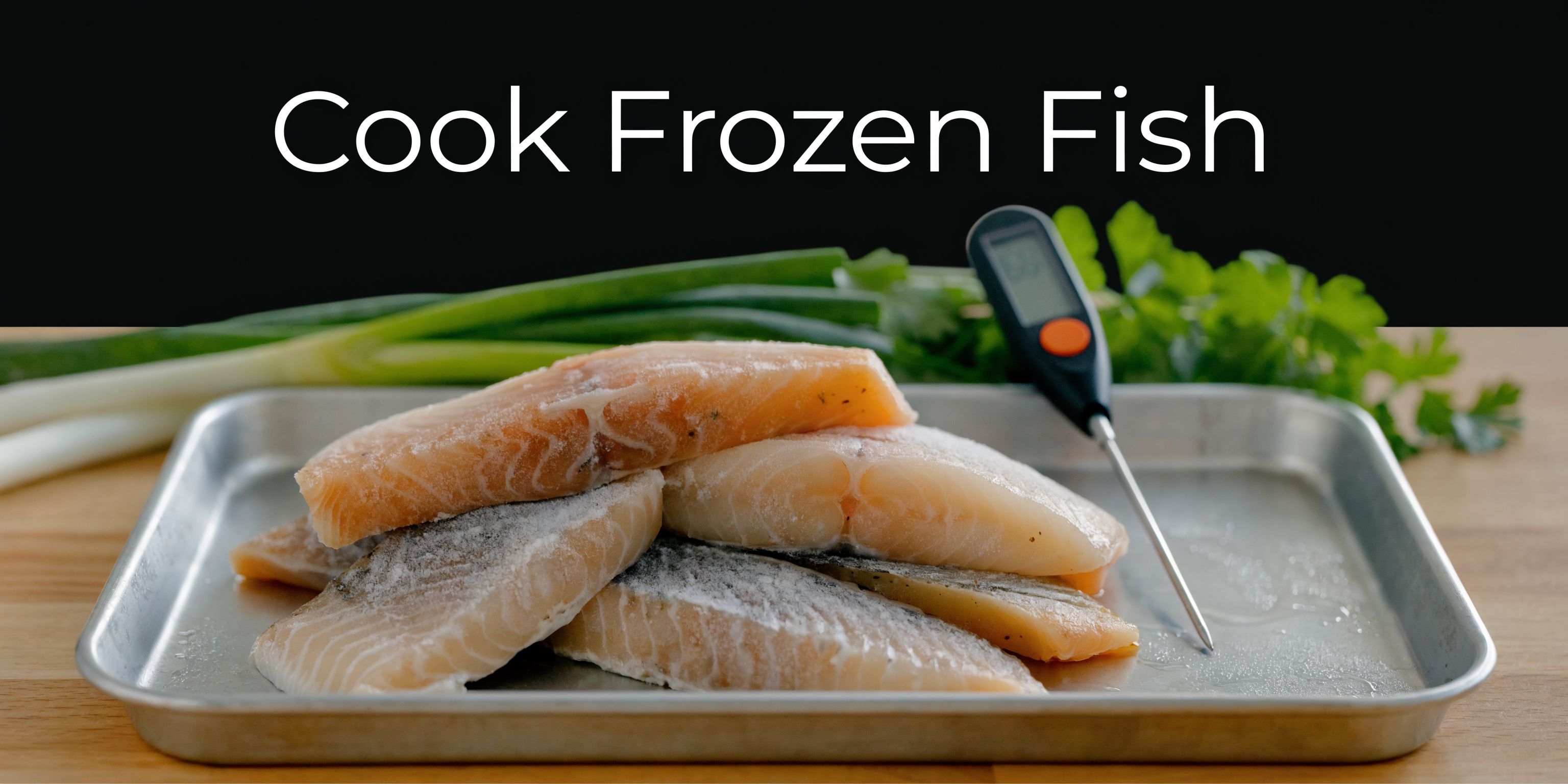
You can cook frozen fish directly from the freezer without thawing it first. For most fillets, use high heat, dry the surface well, and cook until the center reaches 145°F (63°C), which is the FDA’s recommended safe internal temperature. Expect many frozen fillets to finish in a short amount of time when you use the right method.
Dinner gets harder right around the time your energy drops. That is when frozen fish earns its place in a smart kitchen.
A lot of home cooks still treat frozen fish like a backup plan. In practice, it is one of the most useful proteins for fast, healthy meals because it cooks quickly, portions cleanly, and works with several methods depending on the texture you want. If you want a crisp surface, a gentle flake, or a weeknight meal that does not require planning ahead, learning how to cook frozen fish changes the whole dinner equation.
How Do You Cook Frozen Fish Without Thawing It First?
At 6 PM on a weeknight, thawing fish can feel like an extra chore that defeats the point of keeping easy food on hand. The good news is that cooking frozen fish straight from the freezer is not a compromise. In many cases, it is the more practical choice.

Modern freezing changed the quality conversation. Flash freezing can bring seafood to -42°F (-41°C) in six hours or less, which helps prevent the cell damage caused by slower freezing methods, according to the Washington Sea Grant explanation of frozen seafood quality. That matters because damaged cells leak moisture during cooking, and leaked moisture is what turns fish soft and bland.
Why frozen can beat so-called fresh
The best frozen fish is processed at peak freshness. That means the fillet in your freezer may have been handled better than fish sitting at a seafood counter for days.
For a busy cook, the advantage is not just convenience. It is consistency. Frozen portions let you cook exactly what you need, keep backup meals on hand, and avoid the last-minute scramble that usually leads to takeout. That is one reason frozen seafood fits well into a practical budget meal planning routine.
The weeknight case for cooking from frozen
Cooking from frozen works best when you match the method to the result you want:
- For a browned exterior: pan-sear or roast at high heat.
- For a softer, delicate finish: poach gently.
- For convenience with a crisp edge: use an air fryer.
- For easy cleanup: roast on a sheet pan.
Tip: Frozen fish cooks best when you treat surface moisture as the main enemy. Ice on the outside causes steaming, and steaming is what robs you of color and texture.
The biggest mental shift is this. Frozen fish is not a second-choice ingredient. It is a deliberate tool for faster meals, steadier quality, and less waste.
What Are the Core Principles for Cooking Any Frozen Fish?
Every good result starts before the fish hits the pan or oven. These are the rules that keep frozen fish from turning watery, pale, or overcooked.
Why rinsing matters first
Many frozen fillets have a thin layer of surface ice. Rinsing briefly under cold water removes those loose crystals so they do not melt into the pan and trap steam around the fish.
That one step changes the texture. Instead of a wet surface that cooks unevenly, you get a cleaner exterior that can brown and hold seasoning better.
Why drying matters even more
After rinsing, pat the fish dry with paper towels. Do not rush this.
A dry surface gives you a better sear, better adhesion for spices, and more control over the final texture. If the surface stays wet, the fish releases water early and cooks more like it is being steamed than roasted or seared.
Here is the simplest prep sequence:
- Remove packaging fully.
- Rinse under cold running water to clear off ice crystals.
- Pat very dry on both sides.
- Oil lightly before cooking if you are roasting, searing, or air frying.
- Season at the right moment rather than dumping everything on immediately.
Why temperature is the true finish line
Fish is done when the center is safe and flaky, not when the outside looks ready. The FDA recommends cooking seafood to an internal temperature of 145°F (63°C), as noted in the FDA guidance on selecting and serving fresh and frozen seafood safely.
That recommendation matters more with frozen fish because the exterior cooks first while the center lags behind. An instant-read thermometer takes out the guesswork.
The same FDA guidance also notes that bacteria thrive between 40°F and 140°F (4°C to 60°C) and that fish should not be left out for more than two hours. That is why countertop thawing is a poor habit, even if you plan to cook soon.
The three laws I do not break
- Keep it cold until cooking: Do not let frozen fish linger on the counter.
- Dry it aggressively: Moisture blocks browning.
- Check the center: A thermometer is more reliable than visual cues alone.
Practical note: If you want an easier way to fit high-protein dinners into your routine, a tool like an AI nutritionist can help you think in meals and macros instead of random ingredients.
How Do You Cook Frozen Fish Using Different Methods?
It is 6:15, the fish is still frozen solid, and dinner still needs to land on the table with the texture you want. The decision point is selecting the method based on the finish. Roast for a gentle flake, sear for crust, air fry for crisp edges, and poach for soft, delicate pieces that slide straight into bowls or salads.
How do you roast frozen fish for a gentle flake
Roasting gives the most even result with the least hands-on work. I use it on busy weeknights when I want fish that stays moist in the center and picks up a little color around the edges.
Heat the oven to 450°F. Set the dried fillets on a lightly oiled sheet pan with space around each piece. Roast briefly to melt the surface frost, then season once the exterior stops shedding water. Finish roasting until the center reaches 145°F and the fish flakes with light pressure, following the Alaska Seafood cook-it-frozen guidance.
Why this works is simple. High heat cooks the center before the fish has time to leak too much moisture. Delayed seasoning keeps salt, spices, and herbs on the fish instead of on the pan.
Best uses:
- Salmon
- Cod
- Haddock
- Weeknight sheet-pan meals
Watch for:
- Thick center cuts that need extra time
- Sugar-heavy glazes that burn at high heat
- Overcrowded pans that steam the fish instead of roasting it
How do you pan-sear frozen fish and still get color
Pan-searing gives the best contrast between exterior and interior. You get browning on the first side, then a gentler finish after the flip.
Use a heavy skillet and heat it well over medium-high. Oil the fish lightly, set it in the pan skin-side up if it has skin, and let that first side build color without nudging it around. Flip, lower the heat, cover, and finish until the center hits 145°F.
The trade-off is attention. This method rewards patience, but it can punish a wet fillet fast. If the fish is thick, the covered finish matters because it cooks the center through before the crust turns dark.
Tip: If the fillet sticks at first, wait. Once a crust forms, it usually releases cleanly.
How do you air fry frozen fish for a crisp edge
Air frying works well when speed and cleanup matter most. It is especially strong for breaded fillets, but it also handles plain fish well if you manage the surface moisture.
Preheat if your air fryer runs cool. Arrange the fillets in one layer so hot air can reach all sides. For plain fish, dry the surface, oil lightly, and add seasoning once the outside has lost that wet, icy look. For breaded fillets, follow the package as your baseline and check early near the end.
This method gives you a crisp edge faster than the oven, but it is less forgiving with very thick fillets. The outside can get ahead of the center. I reserve it for thinner portions, convenience nights, and meal prep batches where I want protein ready for grain bowls or a low-sodium weekly meal plan.
How do you poach frozen fish when you want tenderness
Poaching is the method for fish that should stay soft and clean-tasting. There is no crust to chase, so all the focus goes to moisture and a gentle flake.
Bring broth, seasoned water, or a tomato-based liquid to a gentle simmer. Slide in the frozen fillets and keep the liquid below a boil. Cook until the flesh turns opaque and separates easily with a fork.
I use poaching for lean white fish that is headed into tacos, rice bowls, soups, or salads. It is also the safest choice when a fillet is thin and likely to overcook in a skillet.
Frozen Fish Cooking Times and Temperatures At-a-Glance
| Fish Type (1-inch thick) | Method | Temperature | Approximate Total Time | Pro Tip |
|---|---|---|---|---|
| Salmon fillet | Roast | 450°F | 12 to 16 minutes | Add seasonings after the first roast so the surface does not dry out too early |
| Cod fillet | Roast | 450°F | 12 to 16 minutes | Use an oiled sheet pan so the underside browns instead of sticking |
| Salmon fillet | Pan-sear | Medium-high, then medium | 8 to 12 minutes | Start skin-side up for better early browning |
| Halibut or cod | Pan-sear | Medium-high, then medium | 8 to 12 minutes | Cover after flipping so the center cooks through gently |
| Breaded fish fillet | Air fryer | 390°F to 400°F | About 8 to 10 minutes | Keep pieces in one layer for airflow |
| Thin white fish | Poach | Gentle simmer | 5 to 8 minutes | Keep the liquid below a boil to protect tenderness |
Which method should you choose tonight
Pick the method by texture first, then by schedule.
Roast when you want reliable, hands-off fish with a gentle flake. Sear when dinner needs real browning and a stronger contrast between crust and center. Air fry when time is tight and cleanup needs to stay light. Poach when tenderness matters more than color.
That is how frozen fish fits into a modern meal plan. Keep a few fillets in the freezer, match the method to the texture, and dinner stops feeling improvised.
What Are the Best Ways to Season and Sauce Frozen Fish?
Good fish does not need complicated treatment, but it does need timing. Most seasoning mistakes come from adding everything too early, when the surface is still shedding moisture.

When should you season frozen fish
For roasting and broiling, I like to add dried spices after the initial cook window, once the outside is no longer icy and wet. For pan-searing, I season after the flip if I want a cleaner crust.
That approach solves two common problems. First, the spices do not slide off with melting surface water. Second, delicate ingredients like garlic, lemon zest, and herbs do not scorch before the fish is done.
Bright and zesty pairings
This is my default family of flavors for salmon, cod, and tilapia.
- Lemon and dill yogurt sauce: Stir plain yogurt with chopped dill, lemon juice, lemon zest, salt, and black pepper.
- Parsley and olive oil finish: Spoon over fish right before serving for freshness.
- Capers and tomato dressing: Toss chopped tomato, capers, olive oil, and lemon juice for a spoonable topping.
A lot of home cooks overdo the sauce and cover the fish completely. Better move. Use a light spoonful so you keep the texture you worked for.
Rich and savory pairings
These work well when you want something deeper, especially with tuna or salmon.
- Miso-ginger glaze: Mix miso, grated ginger, and a little oil into a brushable paste.
- Paprika and garlic rub: Use after the surface has started cooking so it adheres well.
- Herb butter finish: Add after cooking, not before, so it melts over the hot fish instead of burning in the pan.
If you are managing sodium closely, a low-sodium meal planning approach makes it easier to balance bold flavors with lighter sauces.
Here is a visual walkthrough if you want to see the process in action.
My best rule for sauces
A sauce should support the fish, not hide a mistake. If the fillet came out juicy with a good surface, you only need enough sauce to add contrast.
Tip: Save fresh herbs, citrus juice, yogurt sauces, and vinaigrettes for the end. Save sturdy spices and oil-based rubs for the middle of cooking. That one timing shift fixes a lot of bland or muddy fish dinners.
Can You Share Some Quick and Healthy Frozen Fish Recipes?
These are the dinners I rely on when I want something fast, filling, and easy to repeat. They keep prep low, use straightforward ingredients, and fit the under-30-minute rhythm that makes frozen fish so useful. As noted in the earlier guidance, cooking from frozen often lands in the 15 to 20 minute range when you use the right method, based on the City Fish Market frozen seafood cooking notes.

15-minute air fryer lemon-herb cod with asparagus
Ingredients
- Frozen cod fillets
- Asparagus
- Olive oil
- Lemon
- Garlic powder
- Dried parsley
- Salt and black pepper
How to make it
- Rinse the cod briefly and pat dry.
- Toss asparagus with a little oil, salt, and pepper.
- Put cod and asparagus in the air fryer in a single layer.
- Cook at high air fryer heat until the fish flakes and the asparagus is tender.
- Finish with lemon juice and dried parsley.
Meal Plan Note: This is a clean, high-protein dinner with a vegetable built in. It works well on busy nights when you want something light but still satisfying.
20-minute sheet pan salmon with broccoli and sweet potato chunks
Ingredients
- Frozen salmon portions
- Broccoli florets
- Sweet potato chunks cut small
- Olive oil
- Smoked paprika
- Garlic powder
- Salt
- Lemon wedges
How to make it
- Start the sweet potatoes first since they take longest.
- Add broccoli and the rinsed, dried salmon once the potatoes have a head start.
- Roast at high heat until the salmon reaches doneness and the vegetables are browned at the edges.
- Add lemon at the end.
Why this one works Small-cut vegetables cook in the same window as the fish, which keeps the whole meal on one tray. The salmon stays rich, and the vegetables bring enough substance that you do not need rice or pasta unless you want it.
Meal Plan Note: This is a useful option for balanced eating because it combines protein, fiber-rich vegetables, and a starchy vegetable in one pan. A Mediterranean-style meal plan often uses this exact kind of structure.
25-minute stovetop blackened tilapia with avocado salsa
Ingredients
- Frozen tilapia fillets
- Avocado
- Tomato
- Lime
- Chili powder
- Garlic powder
- Onion powder
- Olive oil
- Salt
- Cilantro if you like it
How to make it
- Rinse and dry the tilapia well.
- Heat a skillet with oil.
- Sear the fish, then flip, season, cover, and finish gently.
- While it cooks, mix avocado, chopped tomato, lime juice, and a pinch of salt.
- Spoon the salsa over the fish right before serving.
Why this one works The spice crust gives you contrast. The avocado salsa cools things down and adds creaminess without a heavy sauce.
Meal Plan Note: This meal feels restaurant-like, but the ingredient list stays short. It is especially useful when you want strong flavor without breading or frying.
If you like the idea of having dinners like these organized for you automatically, you can build a personalized plan through AI Meal Planner onboarding.
What Other Questions Do People Have About Frozen Fish?
Can you refreeze cooked fish?
Yes. The FDA guidance provided above notes that cooked fish can be refrozen for up to 3 months at 0°F after cooking and proper cooling.
Is frozen fish safe to cook from frozen?
Yes. The key is proper handling and cooking to 145°F (63°C), using the safe-temperature guidance already covered above.
How do you know frozen fish has gone bad in the freezer?
Skip packages with broken seals, obvious ice crystal buildup, or fish that feels soft when it should still be frozen solid. Those signs can point to thawing and refreezing problems.
Which fish work best straight from frozen?
Portioned fillets are easiest. Salmon, cod, halibut, and tilapia are especially practical because they cook evenly and adapt well to roasting, searing, and poaching.
Should you thaw frozen fish in the microwave?
I do not recommend it for texture. Microwaves tend to warm edges too quickly, which makes fish cook unevenly before the center is ready.
Do breaded frozen fish fillets need different handling?
Yes. Breaded fillets usually do best in the oven or air fryer, where dry heat helps the coating crisp instead of soften.
How long can you keep frozen fish before quality drops?
The guidance provided above notes that raw frozen fish is best used within 3 to 8 months at 0°F (-17.8°C) for quality. Past that point, it may still be safe if kept properly frozen, but texture and flavor can decline.
AI Meal Planner helps you turn skills like this into an actual routine. If you want personalized weekly meals, macro-aware recipes, and grocery lists built around your goals, start with AI Meal Planner.
AI-powered nutrition
Get Your Personalized Meal Plan
AI creates the perfect meals for your goals, lifestyle, and taste.
Start Your Journej