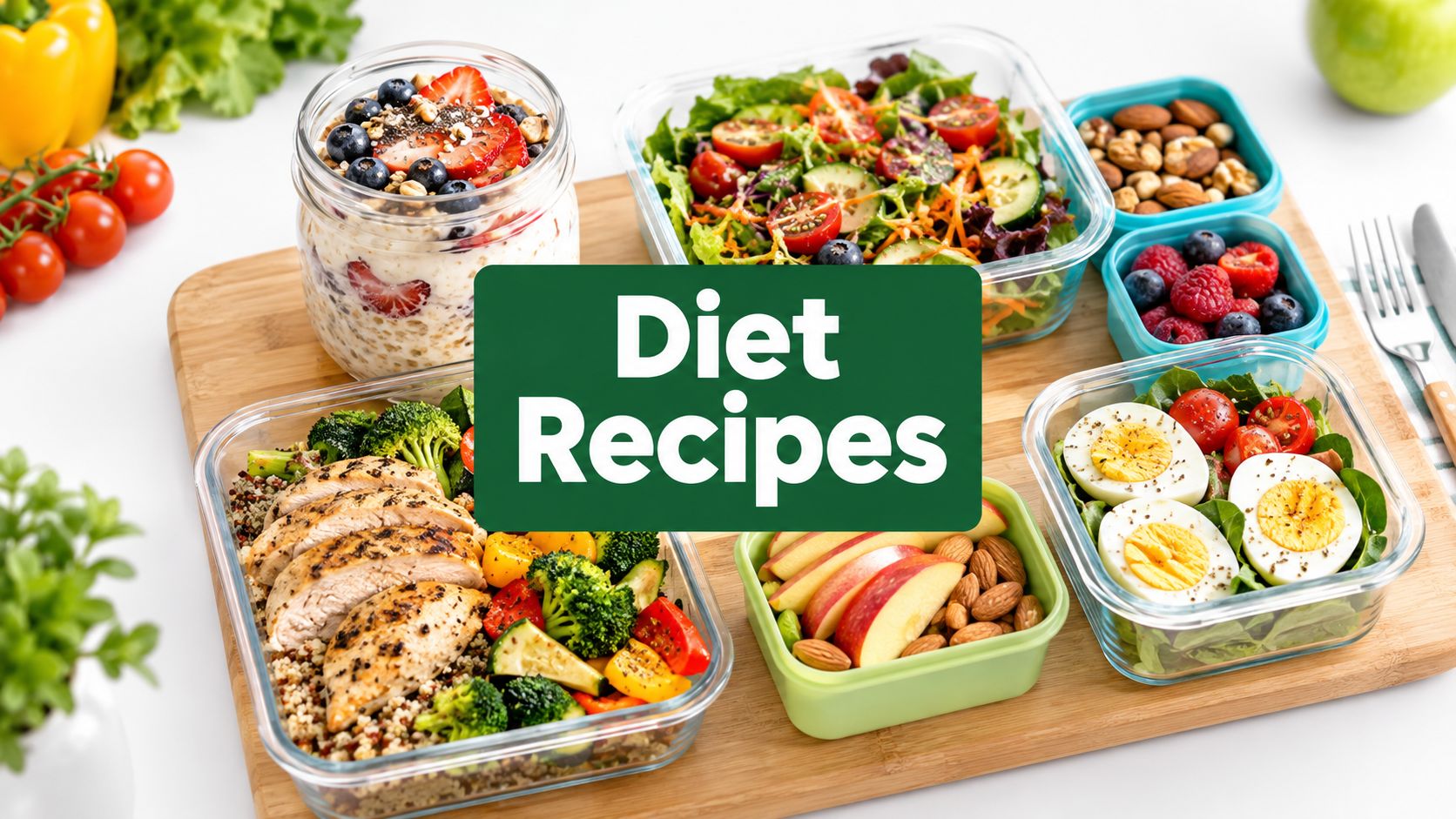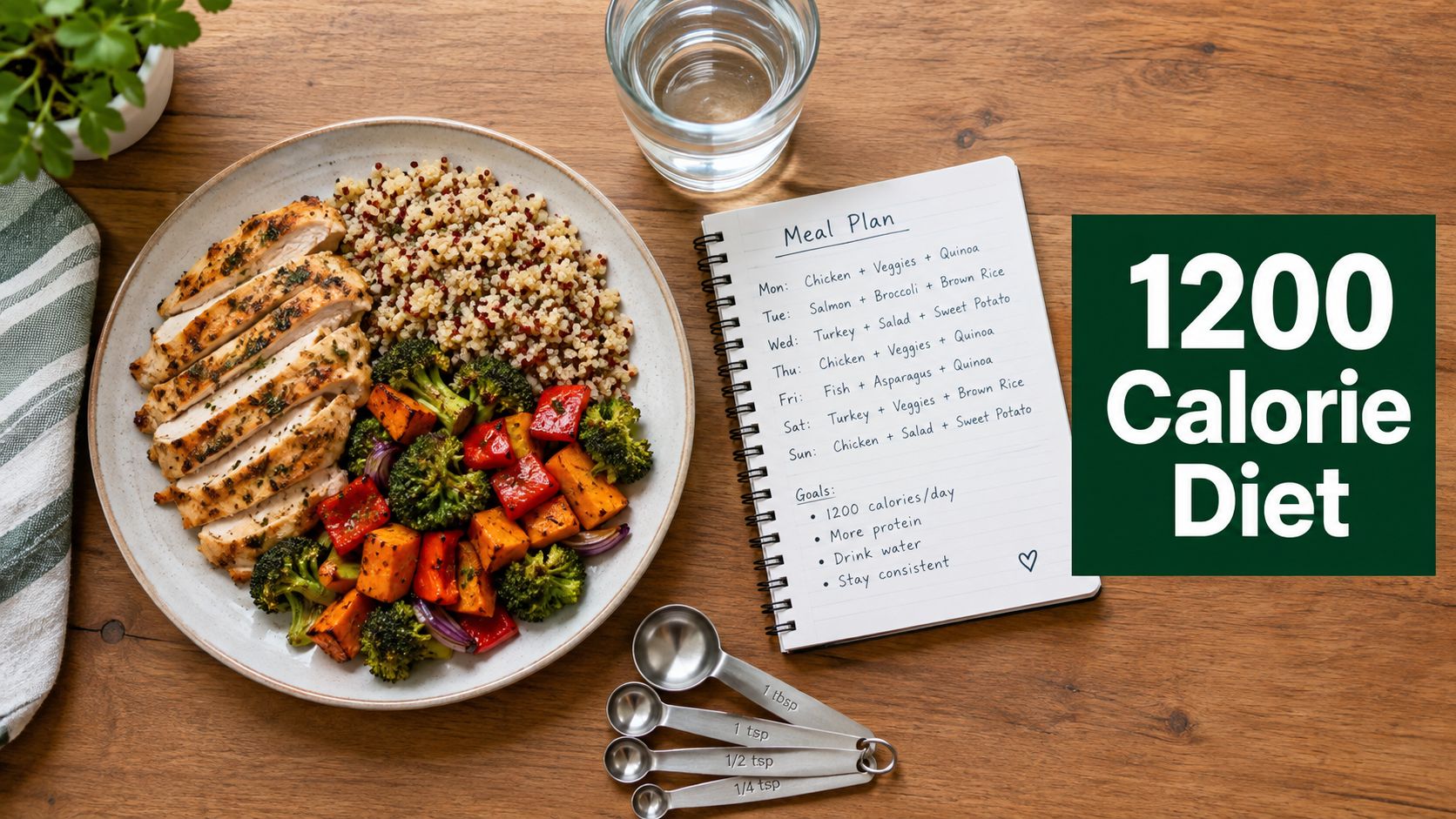
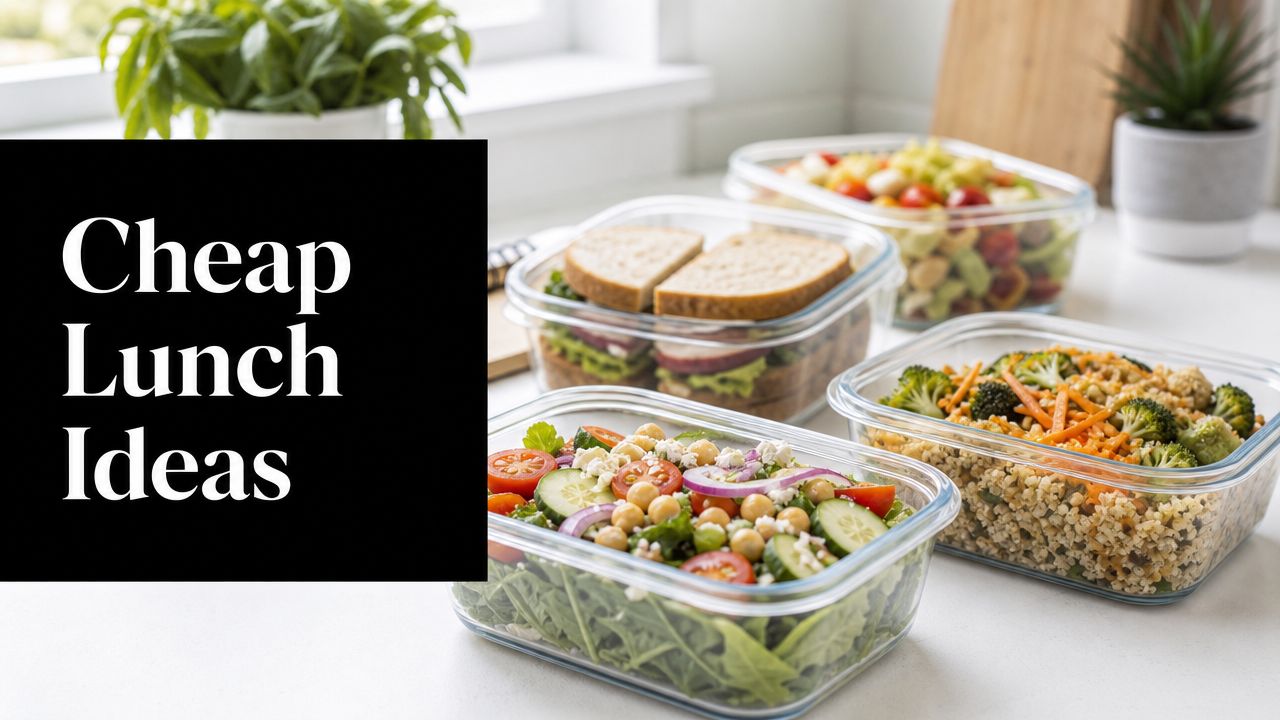
The cheapest lunch ideas for work are simple meals built from eggs, beans, lentils, rice, oats, pasta, and leftovers. A homemade lunch can cost under $2.00 while a comparable restaurant or cafeteria lunch often costs $10.00 to $15.00, which can save roughly $1,000 to $2,500 annually and sometimes up to $3,000 depending on where and how often you buy lunch. Even swapping one purchased work lunch per week for a homemade one can cut annual food spending by over $150, while five homemade work lunches can save over $750.
Individuals looking for cheap lunch ideas for work encounter a shared challenge right now. You want something affordable, filling, portable, and realistic for a weekday, not a recipe that needs six specialty ingredients and a full office kitchen.
That's where a good lunch system beats random inspiration. The best work lunches usually do one of three things well: reuse food you already cooked, rely on low-cost staples, or avoid waste by turning leftovers and pantry items into something portable. That matters because a large share of many household food budgets goes to meals bought away from home. USDA data cited in this roundup notes that 30% to 40% of the average American household food budget is spent on food purchased outside the home, mainly for lunch.
The practical win isn't just the sticker price of one meal. It's avoiding the forgotten-lunch scramble, the vending-machine patch job, and the half-used groceries that rot in the fridge by Friday. Below are 10 cheap lunch ideas for work that hold up in real life, including cost logic, packing notes, and when each option works best.
1. Meal-Prepped Leftovers
Leftovers are still the most efficient lunch strategy because they remove a separate cooking session. If dinner is already on the stove, making two or three extra portions usually costs less effort than building lunch from scratch the next day.
This works especially well with roast chicken and vegetables, chili, sheet-pan salmon, or a rice-based skillet meal. Portion lunch servings while dinner is still fresh, then cool and pack them in separate containers so you're not scraping together random leftovers the next morning.
How to make leftovers feel intentional
A common mistake is packing yesterday's dinner exactly as-is and hoping it still tastes good at noon. Better move: hold back sauces, herbs, and crunchy toppings until morning so the meal doesn't turn soft.
Good examples:
- Roast chicken setup: Roast chicken, carrots, and potatoes for dinner, then pack chicken with vegetables and a separate mustard or yogurt-based sauce.
- Chili setup: Make a large pot on Thursday, then split lunch portions for Friday and the weekend.
- Sheet-pan fish setup: Keep the salmon, grains, and vegetables in divided sections so flavors stay cleaner.
Practical rule: If a dinner reheats well and travels well, it's probably a good lunch candidate.
Leftovers also help with ingredient efficiency. If you're already buying chicken thighs, broccoli, rice, or potatoes for dinner, lunch becomes an extension of the same grocery spend instead of a second expense. That's one reason I like pairing this approach with a budget meal plan built around reusable ingredients.
What works and what doesn't
What works is food with structure: roasted vegetables, grain bowls, stews, pasta bakes, casseroles, and proteins that can be sliced or shredded. What doesn't work as well is anything that depends on crisp textures, like fries or heavily dressed greens.
If you only need a couple of lunches, freeze one portion immediately. That avoids the familiar cycle of eating the same thing too long, getting tired of it, and ordering takeout anyway.
2. Rice and Bean Bowls with Seasonal Vegetables
Meals built around rice and beans are hard to beat on price. A simple seasoned black beans and rice meal can cost less than $1.00 per serving, making it one of the cheapest portable work lunches available, as noted by This Gal Cooks on cheap lunch ideas.

The reason this category keeps showing up on every smart budget list is simple. Rice stores well, beans are flexible, and vegetables can change with the season without changing the whole meal format. White rice with pinto beans and roasted squash works in colder months. Brown rice, lentils, broccoli, and an egg works year-round.
Why this combo stays cheap and useful
You can build these bowls from shelf-stable and freezer staples, which lowers waste. That matters because the cheapest lunch isn't always the one with the lowest single-meal cost. It's often the one that helps you use up what you already bought.
For packing, use containers with a tight seal and keep wet toppings separate. If you want to explore container materials and safety, choose options that match whether you'll pack hot food, cold food, or both.
A few reliable combinations:
- Classic bowl: White rice, black beans, salsa, and roasted peppers.
- Protein bump: Brown rice, lentils, broccoli, and a sliced boiled egg.
- Greens version: Farro, cannellini beans, seasonal greens, and olive oil.
You can also use an AI grocery list generator for staple-based lunch prep to keep your weekly list tight and avoid buying one-off ingredients.
Best use case
This is the lunch I'd recommend for someone who wants low cost, decent nutrition, and a lot of flexibility without much technique. It's also one of the best choices if your office has a microwave. If it doesn't, pack it as a room-temperature grain salad instead, with oil, vinegar, and firmer vegetables.
3. Sandwich and Wrap Combinations with Budget Proteins
Sandwiches aren't glamorous, but they solve weekday lunch better than many “healthy meal prep” recipes do. They're fast, portable, and don't ask much from your morning brain.
The best budget versions lean on canned tuna, peanut butter, egg salad, or store-brand sliced turkey when it's on sale. A burrito made with dry beans, rice, and store-brand tortillas can cost under $1.50 per serving, while a typical pre-made lunch meat sandwich with cheese and condiments averages $4.00 to $6.00, based on the verified pricing in this brief. That comparison is a good reminder that homemade wraps often beat store-bought sandwiches on both price and fullness.
How to keep sandwiches from turning disappointing
The biggest failure point is texture. Bread gets soggy. Tomatoes leak. Mayo breaks down the crumb. If you're making sandwiches or wraps ahead, keep wet ingredients separate until lunch when possible.
Try these combinations:
- Tuna mix: Canned tuna, mayo, and lettuce on basic bread.
- Egg salad wrap: Chopped boiled eggs with mayonnaise in a tortilla.
- Peanut butter option: Peanut butter and banana on whole grain bread.
- Chicken-bean wrap: Leftover shredded chicken with beans and lettuce in a tortilla.
Keep tomatoes, pickles, and dressings in a small side container. The lunch will taste fresher even if the ingredients are identical.
Wraps usually hold better than sliced bread if you commute or carry lunch in a bag all morning. They're also useful for repurposing small amounts of leftover protein that wouldn't make a full bowl or plate.
When this is the right choice
Choose sandwiches when you need no-cook assembly and reliable portability. Skip them if you know lunch will sit unrefrigerated for too long with mayo-based fillings. In that case, peanut butter, whole fruit, and sturdier vegetables are the safer route.
4. Eggs as a Lunch Protein Base
Eggs are one of the few cheap lunch ideas for work that can be prepped in bulk, eaten cold, and paired with almost anything. They also let you build a filling lunch from odds and ends instead of a full recipe.

Three boiled eggs with toast and fruit is a real lunch. Two scrambled eggs folded into leftover rice and frozen peas is a real lunch. Egg salad in lettuce wraps is also a real lunch. The point is usefulness, not novelty.
Smart ways to use eggs without getting bored
Eggs work best when they're treated as the protein anchor, not the entire meal. Pair them with toast, potatoes, rice, or beans so lunch keeps you full through the afternoon.
A few solid formats:
- Cold lunch box: Boiled eggs, toast, carrot sticks, and fruit.
- Rice bowl: Scrambled eggs with rice and peas.
- Vegetable plate: Fried eggs over roasted vegetables.
- Low-mess wrap: Egg salad and lettuce in a tortilla.
If you want more structure around protein-heavy weekday meals, a high-protein meal plan for lunch rotation can help you avoid repeating eggs so often that you stop wanting them.
The trade-off with egg lunches
The strength is convenience. The weakness is repetition. Eggs are best used a couple of times a week unless you enjoy them daily.
Store them in sealed containers, especially if you're taking boiled eggs to an office. That solves most of the smell issue and makes them easier to grab on the way out the door.
5. Bulk Pasta with Affordable Sauces and Add-Ins
Pasta is the budget lunch workhorse people forget about because they associate it with dinner. But for work lunches, it's one of the easiest bases to scale, portion, and adapt.
A plain bowl of pasta with marinara can be too light for some people, so the better move is to add frozen vegetables, canned tuna, lentils, chickpeas, or leftover meat. You'll stretch the sauce further and make the lunch hold you longer.
What makes pasta a smart budget lunch
Pasta is forgiving. It works hot, room temperature, or chilled as a pasta salad. It also absorbs small leftovers well. A half cup of mushrooms, a scoop of peas, or a little shredded chicken has somewhere to go.
Good combinations include:
- Marinara version: Whole wheat pasta, jarred marinara, zucchini, and mushrooms.
- Tuna version: Pasta, tuna, peas, olive oil, and garlic.
- Bean version: Pasta salad with chickpeas, frozen vegetables, and vinaigrette.
- Lentil version: Penne with lentil-heavy tomato sauce.
If you want easy weekday variations without manually searching recipes, a recipe collection built for fast meal prep is useful for mixing up sauces and add-ins while keeping the same cheap base.
Common mistake to avoid
Don't over-sauce pasta if it's sitting in the fridge for days. It often gets mushy. Toss lightly, then add a little extra sauce at work if you have access to it.
This is also where frozen vegetables beat fresh in many cases. They're inexpensive, don't spoil before you use them, and drop straight into the pot or pan.
6. Rotisserie Chicken with Budget Sides
Rotisserie chicken is one of the most practical “semi-homemade” work lunch shortcuts because the cooking is already done. If you find it reduced near closing time, it becomes even better value.
The financial angle matters here. Current coverage of cheap lunches often misses leftover optimization, but it's a major driver of real savings. That gap is highlighted in Insteading's discussion of cheap lunch planning and food waste, which points toward a smarter question: not just “what's cheap today,” but “what helps me use expensive ingredients across multiple meals?”
How to stretch one chicken into several lunches
Shred the entire chicken as soon as you get home. Separate meat into portions for rice bowls, wraps, soups, or potato plates. That one step makes the chicken far more likely to become lunch instead of drying out in the fridge untouched.
Reliable pairings:
- Rice bowl: Shredded chicken, rice, canned green beans, soy sauce.
- Potato plate: Chicken, roasted potatoes, and broccoli.
- Fried rice shortcut: Chicken with day-old rice and egg.
- Wrap fill: Chicken with lettuce and beans in a tortilla.
Buy convenience where it saves labor, then pair it with cheap staples. That's often a better value than cooking every element from scratch.
Best reason to use this option
Use rotisserie chicken when time is tighter than money, but you still want lunch to cost less than buying out. It's especially effective if you can turn one bird into several different meals instead of repeating the exact same container five times.
Save bones and skin for broth if you cook at home regularly. That turns one purchase into another base meal later in the week.
7. Soups and Stews for the Freezer
Soup is one of the few lunch categories that solves cost, satiety, and freezer storage in one move. A big pot of lentil soup, bean soup, chicken and rice soup, or vegetable barley soup can carry multiple workdays without much extra effort.

This is also one of the best categories for reduced-waste cooking. Soup accepts limp carrots, extra celery, leftover chicken, half a can of tomatoes, or cooked grains that need to be used soon.
Why soup works for busy weeks
A freezer full of single portions protects you from buying lunch on the days when everything goes sideways. That matters because forget-me-on-lunch incidents cost professionals an average of $7 per unplanned purchase, and 34% of employees report relying on vending machines or desk snacks at least twice weekly due to time constraints, according to community meal-prep discussion data summarized here.
Useful soup formats:
- Lentil soup: Lentils, carrots, onion, and celery.
- Chicken and rice soup: Great use for leftover rotisserie chicken.
- Minestrone: Beans, vegetables, pasta, and broth.
- Split pea soup: Filling and cheap from pantry staples.
Packing without a microwave
Not everyone has office kitchen access, and that's where hot soup in a food flask earns its place. If you need ideas for retaining heat safely during the day, these food flask packing tips from Blade Master are a useful starting point.
This video shows the kind of batch-cooked soup workflow that makes freezer lunches realistic:
Broth-based soups generally freeze better than cream-based ones. Label containers clearly, and rotate older portions first so they don't disappear into the back of the freezer.
8. Budget Canned Proteins with Crackers and Vegetables
Some workdays don't give you microwave access, fridge space, or time to reheat anything. That's where canned tuna, salmon, or chicken earns its keep.
This lunch format is basically an adult snack plate built to function as a full meal. Pair the canned protein with crackers or bread, add raw vegetables for crunch, and include cheese or fruit if you want more substance.
What to pack
The best versions stay simple and shelf-stable for most of the morning:
- Tuna plate: Tuna, whole grain crackers, cheddar, and carrot sticks.
- Salmon plate: Canned salmon, crackers, cucumber, and tomatoes.
- Chicken plate: Canned chicken, saltines, apple, and string cheese.
- Open-face lunch: Fish mixed with olive oil on bread with sliced peppers.
A useful cost comparison from the verified data: a 12-ounce bag of frozen broccoli costs about $1.50 and provides multiple servings, while a similar pre-made salad at a fast-casual chain averages $9.50, making the homemade version roughly 84% cheaper. That's a good reminder that adding your own vegetables to a simple canned-protein lunch costs far less than relying on grab-and-go prepared sides.
The real trade-off
This option wins on convenience and pantry life. It loses on freshness and, for some people, enjoyment. If you're tired of canned fish quickly, use it as a backup lunch category rather than your daily default.
Keep a few cans at work if your office allows it. That turns “I forgot lunch” into “I still have lunch.”
9. Overnight Oats and Grain Bowls
If you don't care whether lunch feels like a traditional lunch, overnight oats can be one of the easiest low-cost options in your whole rotation. They're no-cook, portable, and easy to prep in batches.
This category works best for people who want something cold, mildly sweet, and filling enough to bridge the afternoon. It's also useful if your mornings are hectic because the jar is already done.
Why oats make sense at lunchtime
Overnight oats solve several problems at once. They're made from cheap pantry staples, keep well in the fridge, and don't depend on office equipment. Rolled oats with milk or yogurt, plus banana or peanut butter, is a straightforward base that doesn't require recipe precision.
Try combinations like:
- Basic jar: Oats, milk, banana, peanut butter.
- Yogurt version: Oats, yogurt, frozen berries, and granola.
- Apple version: Oats, milk, apple, and cinnamon.
- Parfait style: Oats layered with fruit and yogurt.
The lunches you actually bring are usually the lunches that need the fewest decisions at 7 a.m.
Where this fits best
This is ideal for desk workers, commuters, and anyone who prefers a lighter midday meal. It's less ideal if you need a hot lunch to feel satisfied. In that case, treat oats as one or two lunches a week, not the whole plan.
You can also shift overnight oats toward savory grain bowls if sweet lunches aren't your thing. Cooked grains, beans, vegetables, and dressing packed cold can fill the same role.
10. Repurposing Grocery Store Salad Bar and Deli Clearance Items
Not every cheap lunch has to start from raw ingredients. If your grocery store marks down prepared foods near expiration, you can build decent work lunches from deli and salad-bar clearance items for much less than buying lunch out.
This approach rewards flexibility. You're not planning exact meals a week ahead. You're scanning for reduced rotisserie chicken, prepared vegetables, deli sides, or marked-down grain salads and combining them into something balanced.
How to shop this without overspending
The key is restraint. Clearance only saves money if the item replaces a pricier lunch, not if it becomes an impulse extra.
Look for combinations like:
- Chicken plus veg: Reduced rotisserie chicken with marked-down roasted vegetables.
- Prepared salad base: Discounted salad-bar greens plus a cheap protein from home.
- Deli mix: Reduced deli side, bread roll, and leftover eggs or beans from your fridge.
- Quick bowl: Marked-down noodle or rice side with added canned chicken or tuna.
This method also helps if your work setup is awkward. A 24-month look at Reddit discussions on cheap work lunches found that more than 35% of highly engaged threads focused on cold rice, soggy sandwiches, or food spoiling before lunch, highlighting an infrastructure gap in many workplaces, as discussed in this Reddit thread about quick cheap work lunches.
When this is smartest
Use this strategy when your store discounts prepared food consistently and you can eat or freeze it quickly. It's especially useful for filling nutritional gaps in your week. If all you've prepped is carbs, a reduced container of roasted vegetables or cooked chicken can round out lunch fast.
For more customized meal structure, the AI Meal Planner onboarding flow helps map cheap lunches around your schedule, dietary preferences, and the ingredients you already tend to buy.
10 Budget-Friendly Work Lunches: Cost, Prep & Portability
| Option | 🔄 Implementation Complexity | ⚡ Resource Requirements & Speed | 📊 Expected Outcomes (⭐) | 💡 Ideal Use Cases | Key Advantages |
|---|---|---|---|---|---|
| Meal-Prepped Leftovers (Cook Once, Eat Multiple Times) | Low, single cook session, basic skills | Requires containers, fridge, microwave; moderate upfront time; cost $2–$3 ⚡ | High ⭐⭐⭐, saves daily time/cost; risk of repetition | Busy workers with fridge access; weekly dinner→lunch efficiency | Time-efficient, low cost, portion control |
| Rice and Bean Bowls with Seasonal Vegetables | Medium, batch-cook grains/beans; planning needed | Pantry staples, cooker; longer initial cook (beans); $1.50–$2.50 ⚡ | High ⭐⭐⭐, nutritious, low-cost, filling | Vegan/vegetarian, budget-conscious, scalable meals | Complete protein pairing, very low cost, freezable |
| Sandwich and Wrap Combinations with Budget Proteins | Very low, assembly only | Minimal gear; no cooking; 5 min prep; $2–$3 ⚡ | Moderate ⭐⭐, portable but may be lower protein | No kitchen access, on-the-go lunches, quick packs | Fast, portable, minimal cleanup |
| Eggs (Boiled, Scrambled, or Fried) as a Lunch Protein Base | Low, simple cooking or batch boiling | Eggs, basic cookware, fridge; batch-boil Sunday; $0.50–$1.20 ⚡ | High ⭐⭐⭐, dense protein, satiating | High-protein budget lunches, desk-eating, meal rotation | Cheapest protein per gram, versatile, filling |
| Bulk Pasta with Affordable Sauces and Add-Ins | Low–Medium, batch cook pasta, assemble | Pantry pasta, jarred sauce, optional add-ins; $1.50–$2.50 ⚡ | Moderate ⭐⭐, satisfying but carb-heavy | Comfort lunches, reheatable meals, feeding multiple people | Very cheap per serving, versatile hot or cold |
| Rotisserie Chicken (Bought Reduced Price) with Budget Sides | Very low, buy and assemble; timing required | Purchase from store, fridge; watch discount timing; $2–$2.50 ⚡ | High ⭐⭐⭐, quality protein, convenient | When discounts available; no-cook protein needs | High-quality protein, minimal prep, palatable |
| Soups and Stews (Batch Cooked and Frozen) | Medium–High, long batch cooking and portioning | Large pots, freezer space, containers; upfront time investment | High ⭐⭐⭐, low cost, high satiety, long storage (freezer) | Freezer-meal strategy, winter lunches, bulk prepping | Freezable, filling, excellent cost-per-meal |
| Budget Canned Proteins (Tuna, Salmon, Chicken) with Crackers and Vegetables | Very low, open and assemble | Cans, crackers, no fridge required during day; $2–$3 ⚡ | High ⭐⭐⭐, protein-rich and shelf-stable | No-kitchen offices, emergency stock, travel | Shelf-stable, quick, high protein per serving |
| Overnight Oats and Grain Bowls (No-Cook Breakfast Lunches) | Low, night-before prep | Oats, jars, fridge; grab-and-go daily; $1.50–$2 ⚡ | Moderate–High ⭐⭐, high fiber, grab-and-go | No microwave access, health-focused eaters, breakfasts-as-lunch | Easy prep, high fiber, consistent grab-and-go option |
| Repurposing Grocery Store Salad Bar and Deli Clearance Items | Low–Medium, opportunistic buying and assembly | Requires timing/shopping flexibility, fridge; $2–$3 ⚡ | Moderate–High ⭐⭐, quality at discount but inconsistent | Flexible shoppers wanting variety and waste reduction | Variety, reduced cost, prevents food waste |
Final Thoughts
Cheap lunch ideas for work don't need to be fancy. They need to be repeatable, portable, and cheap enough that bringing lunch becomes the default instead of an occasional good intention.
The biggest money saver is consistency. Homemade lunches can save roughly $1,000 to $2,500 per year, with some estimates going up to $3,000 depending on location and how often you buy lunch, based on the verified data in this brief. That kind of savings doesn't usually come from one perfect recipe. It comes from having a short list of lunch formats you can rotate without much thought.
That's why the best approach is usually a mix, not a single meal-prep identity. Use leftovers when dinner naturally makes extra portions. Use rice and bean bowls when you want the lowest possible cost. Use sandwiches and canned proteins when time is tight. Use soup and overnight oats when convenience matters more than variety. Each one solves a slightly different workday problem.
There are also real trade-offs. Some lunches are cheapest but require more prep, like bean burritos made from dry beans. Some are faster but a bit less exciting, like canned tuna with crackers and vegetables. Some are better for offices with microwaves. Others are built for commutes, field work, or workplaces with no fridge and no heat source. Picking the right lunch means matching the meal to the day, not just chasing the lowest ingredient cost on paper.
Protein choices matter too. Meat is often the most expensive part of lunch, and swapping in dry beans, eggs, or canned tuna can reduce that ingredient cost by 50% to 70%, according to the verified data provided for this article. That's a major reason low-cost staples keep showing up in the strongest work lunch routines. They lower the per-meal cost without making lunch feel like a side dish.
Waste matters just as much as price. The cheapest lunch isn't always the one with the absolute lowest cost per serving. It's often the one that uses food you were already going to buy and prevents leftovers from being thrown away. If you buy a rotisserie chicken, use it across several lunches. If you cook rice for dinner, pack some into bowls. If you open a tub of yogurt or a bunch of greens, plan lunches that use the rest before they spoil.
The practical goal is simple. Build a short rotation of cheap lunch ideas for work that you want to eat, can pack without stress, and can repeat every week. Once that system is in place, spending less on lunch stops feeling like discipline and starts feeling automatic.
AI Meal Planner helps turn these cheap lunch ideas for work into a repeatable system. It builds personalized weekly meal plans, organizes smart grocery lists by aisle, accounts for macros and calories, and uses leftover planning to reduce waste across breakfast, lunch, dinner, and snacks. If you want a faster way to plan affordable lunches that fit your schedule and diet, AI Meal Planner is built for exactly that.
AI-powered nutrition
Get Your Personalized Meal Plan
AI creates the perfect meals for your goals, lifestyle, and taste.
Start Your Journej