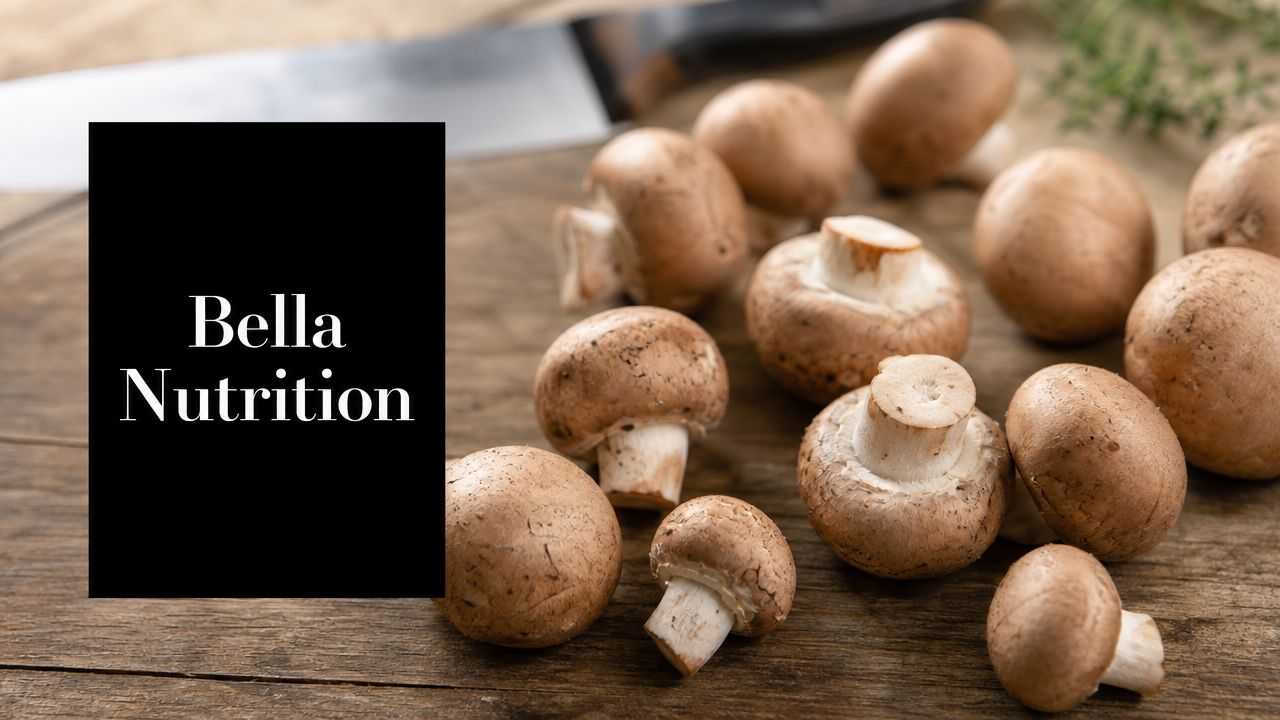
A standard 85g serving of raw baby bella mushrooms contains about 20 calories, 2g of protein, and 2g of carbs with 1g of fiber. That makes baby bellas a low-calorie, high-nutrient-density food that fits well into fat-loss phases, maintenance eating, and macro-conscious meal prep.
Are Baby Bella Mushrooms Good for Nutrition and Fitness Goals?
Yes. A standard serving of 5 raw baby bella mushrooms (85g) has 20 calories, 0g fat, 2g protein, and 2g carbohydrates, including 1g fiber, leaving about 1g net carbs according to MyFoodDiary's baby bella mushroom entry. For practical macro tracking, that means they add volume and savory flavor with very little calorie cost.
Baby bella mushrooms are one of the easiest foods to use when you want meals to feel bigger without making your daily intake harder to manage. They aren't a high-protein food in the way chicken, Greek yogurt, or tofu are. But they are useful because they help stretch meals, add texture, and make lower-calorie dishes feel more satisfying.
For fitness goals, that's the advantage. If you're trying to stay in a deficit, mushrooms help you build plates that look generous. If you're trying to maintain performance while eating cleaner, they add flavor without relying on heavy sauces or large amounts of fat. If you're tracking carbs closely, baby bellas are easy to fit in.
Practical rule: Use baby bellas as a volume food, not as your primary protein source.
What Is the Nutritional Value of Baby Bella Mushrooms?
For macro tracking, baby bellas matter less for their raw numbers and more for what those numbers let you do. They add food weight, chew, and savory flavor while taking up very little room in a calorie budget. That makes them useful for fat loss, maintenance, and any phase where meal size affects adherence.
I use them as a meal-building tool.
Busy clients usually do better with foods that reduce decision fatigue. Baby bellas help because they cook fast, fit into breakfast, lunch, or dinner, and make lighter meals feel more complete. They also hold up well in batch cooking, so the same container can work in scrambles, grain bowls, burgers, and pasta-based meals across the week.
Why that matters in practice
Their best role is supporting the rest of the plate. Protein targets still need to come from foods like chicken, Greek yogurt, eggs, fish, tofu, or lean beef. Baby bellas make those meals easier to stick with by adding bulk and flavor without forcing big macro adjustments.
That trade-off matters. If you add mushrooms on top of an already large meal, the benefit is small. If you swap them in for part of a higher-calorie ingredient, the payoff is clear.
A few high-use examples:
- Mix chopped baby bellas into lean ground turkey or beef for tacos, burgers, or meat sauce to lower calories per serving while keeping portions satisfying.
- Add them to egg scrambles or omelets so the plate stays full without relying on extra cheese.
- Use them in rice bowls, pasta dishes, and stir-fries before increasing rice, noodles, oil, or avocado.
- Cook them with onions and peppers for meal-prep containers that need more flavor and volume, not many extra macros.
For accurate logging, check ingredients in a food database for macro tracking and meal planning and calculate the whole recipe based on what you use.
Baby bellas work best as a volume and flavor ingredient. Let your main protein source cover protein goals, and use mushrooms to make the meal easier to repeat consistently.
A Detailed Baby Bella Mushrooms Nutrition Breakdown
For macro tracking, the useful question is not whether baby bellas are "healthy." It is whether they improve a meal without creating logging problems or crowding out protein.
As noted earlier, their macro impact is small. The practical value is how easy they are to fit into meals that need more volume, more texture, and better flavor without forcing a rewrite of the rest of the day.

The numbers that matter most
Here is the cleanest format for logging.
| Measure | Calories | Protein | Carbs | Fiber | Net carbs | Fat |
|---|---|---|---|---|---|---|
| 85g serving | 20 | 2g | 2g | 1g | 1g | 0g |
That profile makes baby bellas easy to use in cutting phases, maintenance, and lower-carb meal plans.
How to use that breakdown in real meals
The trade-off is simple. Mushrooms improve meal size and satisfaction, but they do not do much for protein totals on their own. If a meal is already low in protein, mushrooms will not fix it. If a meal already has enough protein, they can make it more filling with very little macro drift.
That makes them useful in a few specific situations:
- Ground meat meals: Mix chopped baby bellas into turkey, beef, or chicken for burgers, taco bowls, meatballs, or pasta sauce. You keep a solid protein base while reducing calories per serving.
- Egg-based meals: Add them to scrambles, omelets, or breakfast burrito filling so you can keep cheese and higher-fat extras in check.
- Carb-heavy lunches: Use mushrooms to take up space in rice bowls, noodle dishes, wraps, or pasta meals before increasing starch portions.
- Meal prep containers: Pair them with a lean protein and a measured carb source when you want more food volume without changing the plan much.
For low-carb eaters, the net carbs stay modest. For people managing hunger in a deficit, the bigger benefit is usually chew, moisture, and portion size.
A better way to log mixed recipes
Baby bellas are easy to track alone and easier to undercount once oil, sauces, meat, and starches enter the pan. For mixed dishes, use a recipe nutrition calculator for custom meal logging so the full recipe reflects what you cooked.
Baby bellas do their best work as a swap that supports adherence, not as a headline macro food.
What Key Vitamins and Minerals Do Baby Bellas Provide
Macros explain why baby bellas fit a plan. Micronutrients explain why they deserve to stay in it.
An 85g serving of baby bella mushrooms delivers 8% of the Daily Value for potassium, or 381mg, and is a rich source of B vitamins like riboflavin (B2) and niacin (B3) that support mitochondrial energy metabolism according to Monterey Mushrooms' baby bella mushroom nutrition page.

Why potassium matters in active diets
Potassium doesn't get the same attention as protein, but it matters. If you train regularly, sweat often, or eat a tighter food selection during a cut, electrolyte balance can slip faster than people expect.
Baby bellas won't replace a full electrolyte strategy on their own. But they do contribute useful potassium while taking up very little calorie space. That's valuable in meal plans where every addition needs to earn its place.
Why B vitamins matter more than people think
Riboflavin and niacin support the processes your body uses to turn food into usable energy. For an active person, that matters every day. It matters when you're training, when you're recovering, and when you're trying to avoid the sluggish feeling that comes with under-fueling or repetitive meal choices.
This is one reason I like baby bellas in simple weekday meals. You get more than “just vegetables.” You get a savory ingredient that also supports the broader nutritional quality of the diet.
The practical takeaway
You don't need to memorize a micronutrient chart. You just need to know where baby bellas earn their spot.
- For athletes and lifters: They pair well with protein-forward meals while adding useful potassium and B vitamins.
- For people dieting: They help maintain nutrient quality when calories are tighter.
- For busy eaters: They improve both flavor and nutritional value without requiring extra planning.
If you want help fitting foods like this into a broader eating pattern, an AI nutritionist tool can make meal decisions less repetitive and more goal-specific.
A low-calorie food becomes much more valuable when it also contributes meaningful micronutrients.
How Does Cooking and Storage Affect Their Nutrition
With baby bellas, preparation matters almost as much as selection. Poor handling doesn't make them useless, but it can make them soggy, bland, or short-lived in the fridge. One might then assume they don't like mushrooms. Usually, they just cooked wet mushrooms in a crowded pan.
How to clean and store them well
Baby bellas do best when you keep them dry and breathable. If they're slimy or packed in moisture, texture goes downhill fast.
A practical approach:
- Clean lightly: Wipe off visible dirt or rinse quickly, then dry well.
- Store for airflow: Keep them in a paper bag or another breathable setup rather than trapping moisture.
- Cook before they're tired: Firm mushrooms give better browning and better flavor.
Which cooking methods work best
For flavor, sautéing and roasting usually give the best payoff because they drive off water and deepen the savory taste. For meal prep, that matters. A mushroom that browns well adds character to a bowl or scramble. A mushroom that steams in its own liquid often feels limp and forgettable.
What doesn't work is overcrowding the pan and expecting caramelization. Give them room. Use enough heat. Add salt later if you're trying to avoid excess early moisture release.
For weeknight cooking, these uses are reliable:
- Fast skillet use: Eggs, ground turkey, tofu scrambles, and stir-fries
- Sheet pan batches: Roasted mushrooms for bowls, wraps, and lunch boxes
- Sauce support: Finely chopped into tomato sauces, meat sauces, or lentil mixes
If you want recipe ideas that already build mushrooms into quick meals, the AI Meal Planner recipe library is a useful starting point.
How Do Baby Bellas Compare to Other Mushrooms
Baby bellas sit in a sweet spot. White buttons are milder. Portobellos are larger and meatier. Baby bellas usually give you the most flexibility with the least fuss.

A simple shopping comparison
| Mushroom | Flavor | Texture | Best use |
|---|---|---|---|
| White button | Mild, lighter earthiness | More delicate | Salads, simple sautés, quick sauces |
| Baby bella | Richer umami | Firmer bite | Bowls, skillets, pasta, meat blends |
| Portobello | Deeper, meaty | Dense, substantial | Grilling, stuffing, burger-style meals |
The practical trade-off is this. White buttons are easygoing but less satisfying in hearty meals. Portobellos can replace a central item in the dish, but they need more prep and don't always suit mixed recipes. Baby bellas are the middle ground that works almost everywhere.
When another mushroom makes more sense
If you want a mushroom to act like a main, portobello is the better pick. If you want a mild background ingredient, white button works. If you want something pantry-friendly for soups, stews, and sauces, dried mushrooms are worth keeping around. A good example is Merchant Gourmet dried mushrooms, which can add concentrated mushroom flavor when fresh mushrooms aren't on hand.
For everyday meal prep, though, baby bellas are usually the most practical buy because they balance flavor, texture, and versatility without demanding a special recipe.
How to Add Baby Bellas to Your Meal Plan
Many individuals don't need more nutrition facts. They need repeatable ways to use a food before it spoils.

The easiest ways to use them on busy days
Baby bellas fit best into meals you're already making.
- Breakfast: Slice and sauté them for eggs, egg whites, or tofu scrambles.
- Lunch prep: Add them to rice bowls, salad bowls, or wraps for extra volume and flavor.
- Dinner: Fold them into pasta sauces, stir-fries, soups, or sheet-pan meals.
One tactic works especially well for macro tracking. Replace part of a richer ingredient instead of adding mushrooms as a side. That keeps the whole meal balanced.
Smart swaps that actually help
The most useful swap is replacing part of the meat in a mixed dish with finely chopped mushrooms. This works well in tacos, meatballs, bolognese-style sauces, burger patties, and stuffed peppers. You still keep the dish recognizable, but the texture gets lighter and the calorie load usually becomes easier to manage.
If you want extra guidance on that approach, Colorado Cultures' mushroom advice offers practical ideas for using mushrooms as a partial meat replacement.
A simple meal prep pattern looks like this:
- Cook a batch of mushrooms at the start of the week.
- Keep them plain or lightly seasoned.
- Add them into different meals instead of making one mushroom-heavy recipe you'll get bored with.
That keeps your options open and cuts waste.
A quick cooking demo helps if you want more visual inspiration:
If you want a system that builds these kinds of practical, macro-aware meals for you, get started with the AI Meal Planner onboarding.
Frequently Asked Questions About Baby Bella Mushrooms
Small food choices add up fast across a week of meal prep. Baby bellas earn their place because they are easy to buy, easy to cook, and easy to fit into meals without throwing off calories or macros.
| Question | Answer |
|---|---|
| Do I need to buy organic baby bella mushrooms? | Conventional baby bellas are a practical choice for many shoppers. If organic fits your budget, buy it. If not, washing and cooking them well is a reasonable approach. For most people focused on protein, fiber, and calorie targets, consistency matters more than buying the premium option every time. |
| What's the best way to clean baby bella mushrooms? | Wipe off dirt with a damp paper towel or rinse them briefly under cold water, then dry them well. Avoid soaking them, because extra moisture can make browning harder and leave you with a softer texture in the pan. |
| How should I chop them for different meals? | Slice them for stir-fries and sheet-pan meals. Dice them for egg scrambles, fried rice, and grain bowls. Finely chop them if you're mixing them into ground meat for burgers, meat sauce, or taco filling, because smaller pieces blend in better and make the texture more consistent. |
| How long do raw baby bellas last in the fridge? | Raw baby bellas usually hold up well for several days if you keep them refrigerated in breathable packaging. If they feel slimy, smell off, or show dark wet spots, it's time to toss them. |
| How long do cooked baby bellas last? | Cooked mushrooms are good for a few days in the fridge in a sealed container. This makes them useful for fast lunches, but texture is usually best earlier in the week, so I prefer to use them in the first few days after cooking. |
| Is it better to eat baby bellas raw or cooked? | Cooking deepens the flavor and softens the texture, which many people prefer. It also makes them much easier to work into high-protein meals, because cooked mushrooms pair better with eggs, chicken, beef, rice, and pasta than raw slices do. |
| Are baby bella and portobello mushrooms different nutritionally? | They are very similar because baby bellas are the younger form of portobellos. The bigger difference is kitchen use. Baby bellas cook faster, portion more easily, and fit better into mixed dishes where you want steady calorie tracking. |
For busy people who track intake, that last point matters. Foods that are easy to portion and repeat tend to stay in the plan longer.
If you want a simpler way to turn foods like baby bellas into balanced weekly meals, AI Meal Planner can build personalized menus, calculate macros, and organize grocery lists around your goals so you spend less time planning and more time eating well.
AI-powered nutrition
Get Your Personalized Meal Plan
AI creates the perfect meals for your goals, lifestyle, and taste.
Start Your Journej