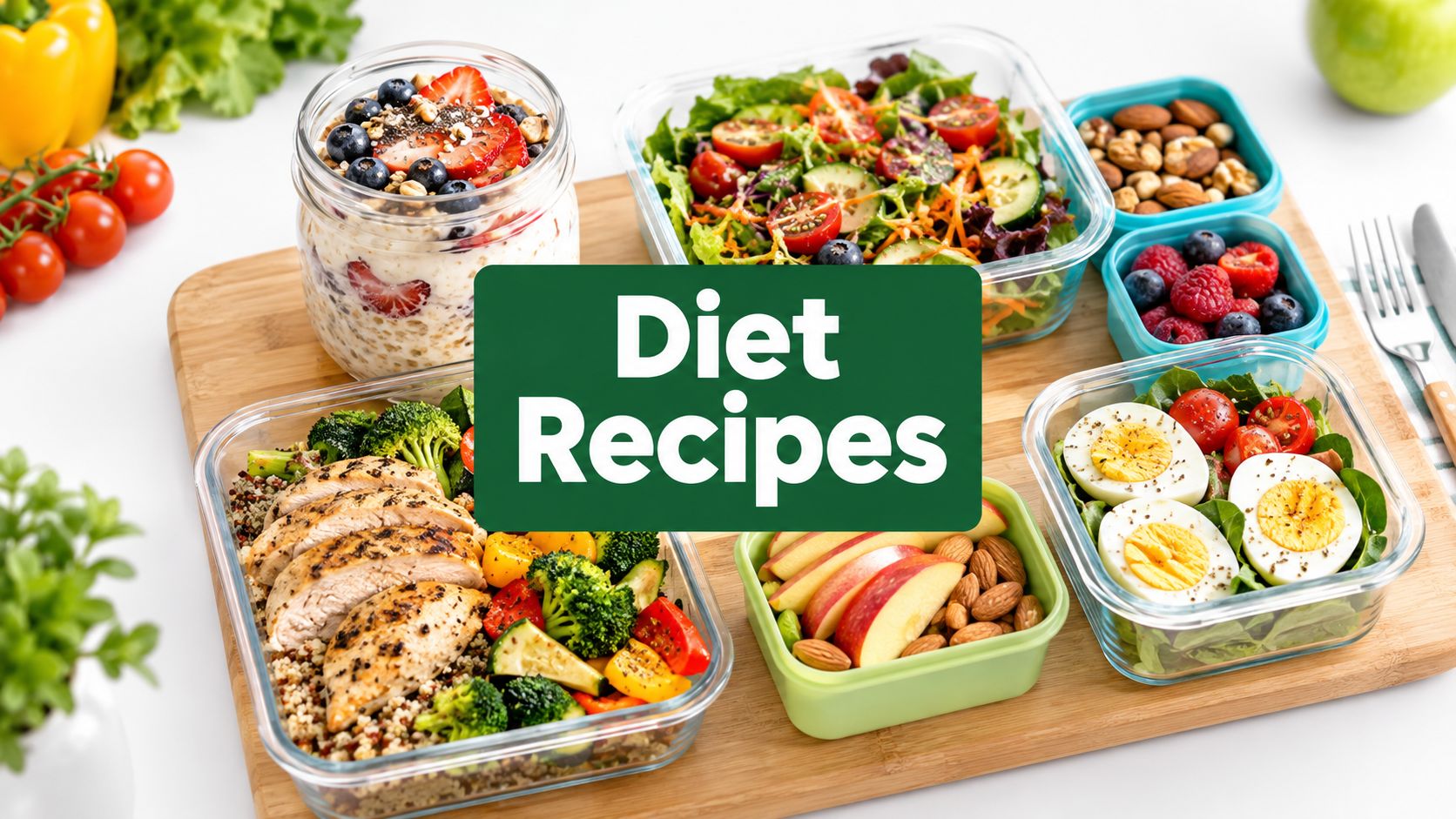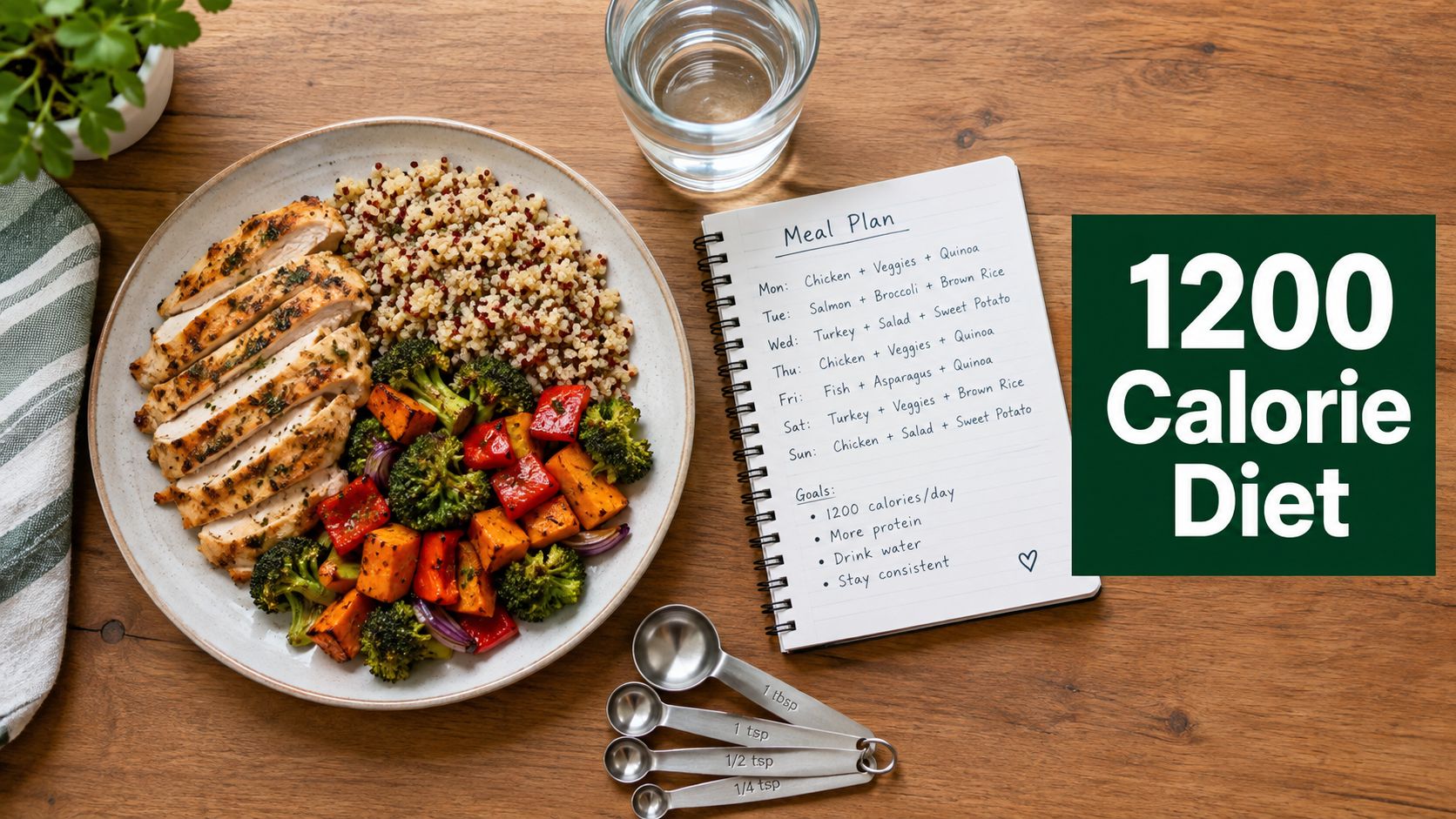

Biscuit and grits can fit a fitness, weight-loss, or dietary-restriction plan when you control portions, choose the grits deliberately, and add protein and vegetables. For a reliable 30-minute version, start the grits first, use a 4:1 liquid-to-stone-ground-grits ratio, and bake the biscuits at 450°F for 13–15 minutes using minimal dough handling, as outlined by Food52's grits method and Melissa's Southern Style Kitchen.
Biscuit and grits deserves more respect than its “just comfort food” reputation suggests. Grits trace back to Indigenous foodways, including Muscogee use of ground maize before European settlement, while historical accounts describe a Virginia serving of cracked maize called grytt in the 1630s. The dish later became a durable Southern staple, with St. George, South Carolina hosting a grits festival since 1986, according to the historical overview of grits.
The challenge is that tradition and nutrition aren't always aligned. A diner-style plate can deliver satisfying texture and flavor, but it can also combine a large biscuit, sausage gravy, cheese, bacon, and salted grits into a meal that overwhelms a carefully managed day. The practical answer isn't to ban the dish. It's to build it intentionally.
Why Most Biscuit and Grits Plates Sabotage Your Goals
The popular advice is to enjoy biscuit and grits without overthinking it. That works only if the plate is modest. Restaurant menu data shows how quickly the meal can become macro-dense: one listed plate contains 930 calories, 57g of fat, and 1,930mg of sodium, while other examples contain 800 calories with 47g of fat and 1,640mg of sodium, or 740 calories with 37g of fat and 1,840mg of sodium. Those figures come from the Waffle House full nutrition document.

That combination matters because the meal's calories don't come from one ingredient alone. The biscuit contributes refined starch and fat, gravy often adds sausage and more saturated fat, and grits become much heavier when prepared with butter, cheese, cream, or salty stock. The plate can also feel less filling than expected because the traditional components are relatively weak in fiber and protein unless you add eggs, lean meat, beans, or vegetables.
Practical rule: Treat biscuit and grits as a carb-centered base, not a complete meal. Build the protein and produce around it.
This is especially important for people monitoring blood sugar, heart-health priorities, or body composition. Readers who want broader context on how food choices connect with metabolic health for professionals can review Lola's metabolic health guide. The point isn't that one breakfast determines health. The point is that repeated oversized plates can make daily targets difficult before the rest of the day begins.
A homemade version gives you control over the variables that matter most: biscuit size, gravy quantity, added salt, cooking fat, and the amount of protein on the plate. You still get the creamy grits and flaky biscuit, but the meal no longer has to arrive as an oversized restaurant combination.
The 30-Minute Biscuit and Grits Workflow
The fastest reliable method overlaps tasks rather than rushing them. Grits need the longest cooking window, so start them first. Mix the biscuits while the pot simmers, then bake them near the end. This sequence also makes portion control easier, since you can measure butter, cheese, and salt before the final stir.
Start the grits before touching the dough
For stone-ground grits, bring the liquid to a boil before adding the grits. Use 1 cup of grits with about 4 cups of liquid, following Food52's grits guidance. For one serving, 1/4 cup dry grits with 1 cup liquid scales cleanly, as described by The Proper Kitchen.
Whisk the grits in gradually, then lower the heat to a gentle simmer. Stir periodically rather than constantly. Stone-ground grits can require 45–60 minutes because coarse particles absorb liquid slowly, according to this grits ratio and cooking guide. A true 30-minute breakfast therefore works best with quick grits, or with stone-ground grits started during an earlier meal-prep session.
Quick grits use less liquid than stone-ground grits, while instant grits use less still. Check the package directions before substituting one type for another, because both liquid and cooking time change.
Mix biscuits with a light hand
Heat the oven to 450°F before mixing the dough. Combine the dry ingredients, cut in cold butter or shortening, and add buttermilk only until the dough comes together. Pat it out, fold gently for layers if desired, and cut the biscuits without compressing their edges. Standard Southern biscuit technique works well here, but smaller biscuits make the plate easier to portion.
The reason for restrained handling is practical. The baked-goods quality guide from the Human Performance Resource Center connects tough or heavy biscuits with overmixing, excessive liquid, incorrect proportions, insufficient leavening, cold dough, and an oven that is not hot enough.
Bake while you finish the pot
Put the biscuits into the fully preheated oven and bake until puffed and lightly golden. A 13–15 minute bake is provided by Melissa's Southern Style Kitchen biscuit recipe. While they bake, finish the grits with measured butter, pepper, and any cheese you choose. For lower sodium, use unsalted butter and add salt only after tasting.
Lumpy grits usually mean the liquid was not boiling when they were added, or the pot cooled too much. Dense biscuits point first to oven heat or dough handling. Change one variable at a time so the next batch reveals the actual problem.
For more quick meal ideas built around overlapping tasks, browse the AI Meal Planner recipe collection.
Macro and Calorie Breakdown for Every Diet
Traditional biscuit and grits plates can hide a large carbohydrate load while providing little protein. A typical serving of dry grits supplies about 145 calories, 31g of carbohydrates, 1g of fiber, and 3g of protein, according to Eat This Much's nutrition information. That combination delivers comfort and quick energy, but it may leave someone prioritizing satiety hungry again soon.
Cooking choices change the meal substantially. The same nutrition reference lists a prepared grits example at 370 calories, 80g of carbohydrates, and 5g of protein. Cooking liquid, butter, cheese, and other toppings can turn a modest grain serving into the largest calorie and sodium contributor on the plate.
The table below works as a planning framework rather than a universal nutrition label. Biscuit size, gravy, cheese, cooking fat, sausage seasoning, and added salt can all shift the final totals. Use package labels when precise tracking matters.
| Version | Calories | Protein | Carbs | Fat | Sodium |
|---|---|---|---|---|---|
| Plain biscuit and grits base | Moderate | Low | High | Moderate | Variable |
| Egg-forward plate | Higher | Higher | Similar | Moderate | Variable |
| Lean turkey sausage plate | Higher | Higher | Similar | Moderate | Higher if sausage is salty |
| Black bean and vegetable plate | Moderate | Higher | Higher | Lower to moderate | Variable |
For muscle gain or appetite control, increase the protein anchor instead of removing every carbohydrate. Eggs add a complete protein source without requiring a second biscuit. Lean turkey sausage preserves the familiar savory flavor, though its sodium can vary sharply by brand. Black beans and vegetables add texture, fiber, and plant-based substance, while beans also raise total carbohydrates.
Fitness plates work best with a measured biscuit or grits portion and a clear protein center. For weight loss, reduce the biscuit or gravy before cutting the eggs, lean meat, or beans. For blood-sugar-conscious eating, pair grits with protein and non-starchy vegetables instead of serving a large bowl alone. People limiting sodium should moderate processed sausage, salted butter, cheese, gravy, and stock together, since several small additions can dominate the finished plate.
Use the AI Meal Planner recipe nutrition calculator for a tighter estimate based on the ingredients and portions used. That approach reveals the hidden trade-off clearly: keeping the biscuit and grits experience usually requires adjusting portion size and toppings, then protecting satiety with protein.
Vegan, Gluten-Free, and Keto Substitutions That Work
Dietary substitutions succeed when they replace a function, not just an ingredient. Buttermilk provides acidity and moisture, wheat flour gives biscuit dough structure, and grits provide the creamy starch. Remove one without replacing its role and the texture changes quickly.
Vegan
Use unsweetened plant milk mixed with vinegar as the buttermilk substitute. The acid helps activate leavening, while vegan butter or coconut oil supplies the fat. Vegan butter usually gives a more familiar biscuit flavor; coconut oil can make the crumb more noticeably coconut-forward.
Cook the grits with water, unsweetened plant milk, or vegetable stock. Finish them with vegan butter, nutritional yeast, or a small amount of plant-based cheese. Choose unsalted stock when possible, because the savory toppings can raise sodium quickly.
Gluten-free
Choose a reputable gluten-free flour blend designed for baking, preferably one that combines rice flour with starches rather than relying on a single flour. Add xanthan gum when the blend doesn't already contain it, because gluten-free dough needs help holding together and trapping steam.
Expect a more delicate biscuit with less stretch. Don't knead it as you would wheat dough. Pat it gently, cut cleanly, and bake immediately after the dough comes together.
Keto
Traditional grits aren't a natural keto foundation because they are maize-based and carbohydrate-dense. A practical replacement is cauliflower cooked until tender, mashed, and finished with butter, cream, or cheese for a grits-like texture. Almond-flour drop biscuits can preserve the buttery, savory experience, although they will be denser and more crumbly than wheat biscuits.
| Goal | Biscuit replacement | Grits replacement | Main trade-off |
|---|---|---|---|
| Vegan | Plant milk, vinegar, vegan butter | Plant-based creamy grits | Less dairy richness |
| Gluten-free | Baking blend with structure support | Traditional grits can remain | More fragile biscuit |
| Keto | Almond-flour drop biscuit | Cauliflower mash with cheese | Less biscuit flakiness |
For plant-based weekly planning, the vegan meal plan resource can help organize compatible breakfasts without relying on improvised substitutions.
Make-Ahead Storage and Reheating Methods
Grits and biscuits store differently, so separate them as soon as the meal cools. Spoon the grits into shallow airtight containers and refrigerate them promptly. They firm up as they chill, but that doesn't mean they've failed.
Reheat grits in a saucepan over low heat or in the microwave with a splash of water, milk, or stock. Stir halfway through heating, then loosen them again before serving. Dry reheating creates a stiff mass and can scorch the bottom before the center becomes creamy.
Biscuits keep their best texture when reheated in a toaster oven or conventional oven. Warm them until the exterior feels crisp and the center is hot. A microwave is fast, but it softens the crust and can make the crumb chewy.
For longer storage, baked biscuits can be frozen for up to a month, provided they're wrapped tightly and protected from freezer air. Reheat them from frozen in an oven or toaster oven rather than thawing them on the counter.
This split-storage method works well for Sunday meal prep. Pack the grits, protein, and vegetables together if desired, but keep the biscuit separate so steam doesn't destroy its crust. If you're planning a portable morning meal, a delicious camping breakfast guide offers useful ideas for handling breakfast components outside the home.
Adding Biscuit and Grits to Your Weekly Meal Plan
Biscuit and grits works best as a planned comfort meal, not an accidental daily default. Put it on a weekend breakfast or brunch slot, then use lighter, more produce-forward breakfasts elsewhere in the week. That keeps the dish enjoyable without asking one meal to carry every nutrition goal.
A practical shopping list can stay compact:
- Dairy aisle: Buttermilk, eggs, butter, and a cheese suited to the grits.
- Grains and baking aisle: Grits, flour, baking powder, and vinegar for substitutions.
- Meat or plant-protein aisle: Lean turkey sausage, beans, or another protein you already use in lunch recipes.
- Produce aisle: Cauliflower, greens, peppers, onions, or other vegetables that can appear in omelets and dinners.
- Pantry aisle: Low-sodium stock, black pepper, and herbs.
Reuse matters. The same eggs can support a weekday scramble, beans can move into lunch bowls, and vegetables can fill the biscuit-and-grits plate without creating a one-recipe shopping trip. A grocery list generator can also organize overlapping ingredients by aisle when you're planning several meals at once.

The most sustainable plate has a clear job. Keep the biscuit for the comfort-food signal, make the grits a measured portion, and use protein and vegetables to improve staying power. That approach preserves the identity of the meal while making it easier to fit into a real week.
AI Meal Planner creates personalized weekly menus, calculates macros and calories, adapts recipes for goals and dietary restrictions, and builds organized grocery lists that help reduce waste. Visit AI Meal Planner to plan a balanced biscuit-and-grits breakfast alongside the rest of your week without spreadsheets or guesswork.
AI-powered nutrition
Get Your Personalized Meal Plan
AI creates the perfect meals for your goals, lifestyle, and taste.
Start Your Journej